Carried by rivers held by land

Carried by rivers, held by land.
The project Carried by rivers, held by land, which began in 2023 and is slated to conclude in late 2026 or early 2027, is a collaborative effort curated by Aileen Burns, Johan Lundh and Tarah Hogue at the Remai Modern museum in Saskatoon, Canada, and Maria Lind, Director of the Konstmuseet i Norr in Kiruna, Sweden.
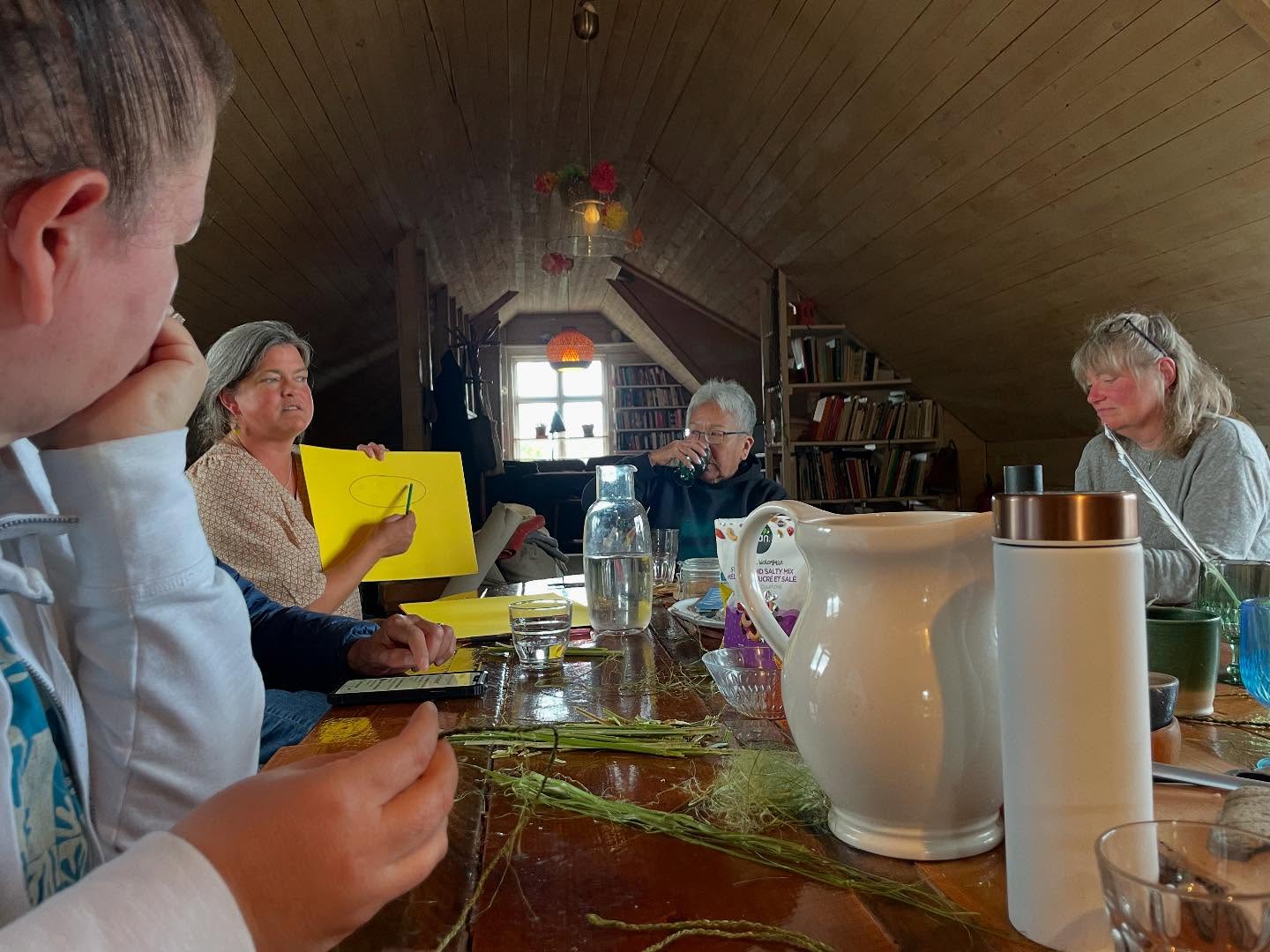
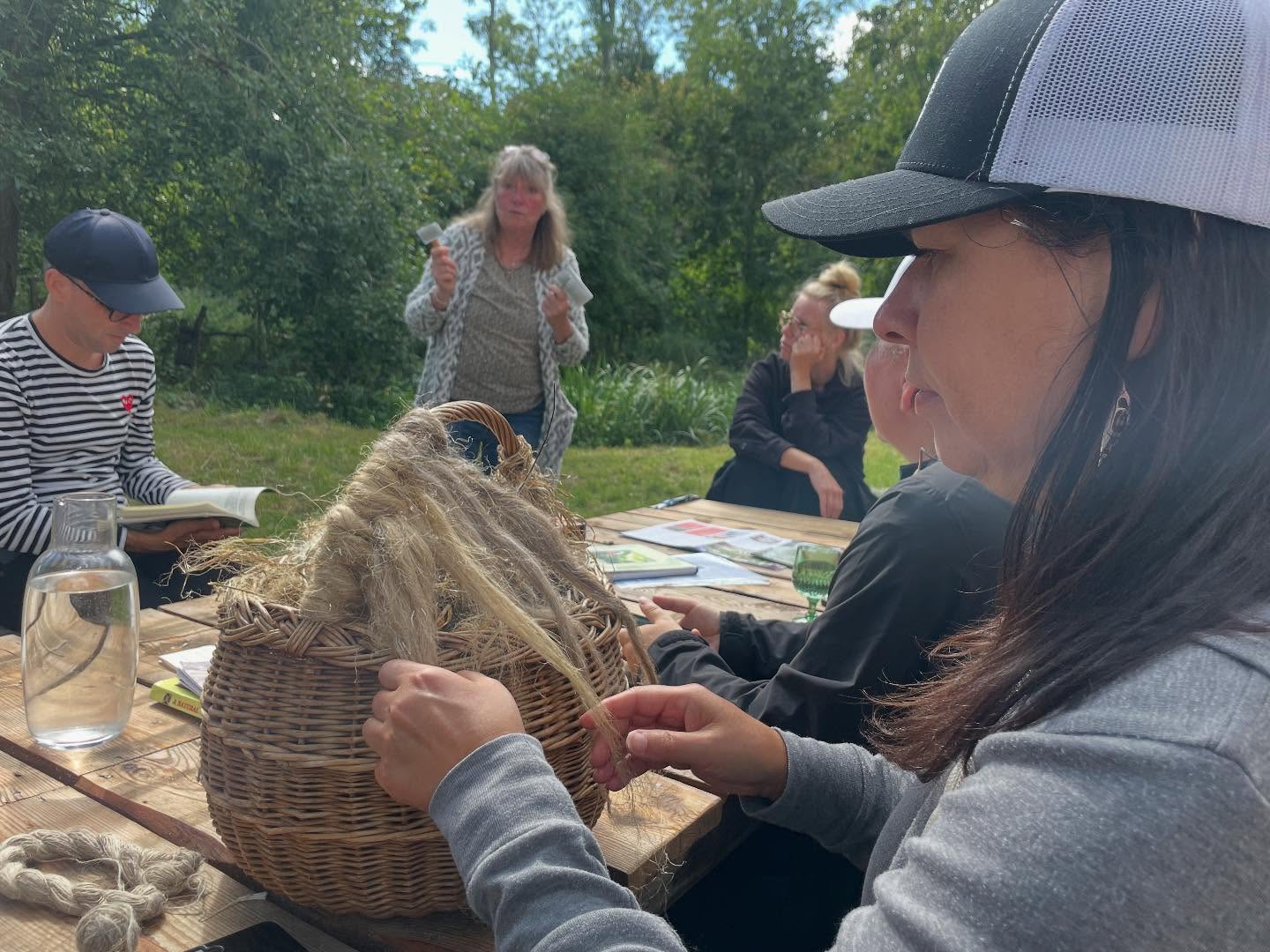
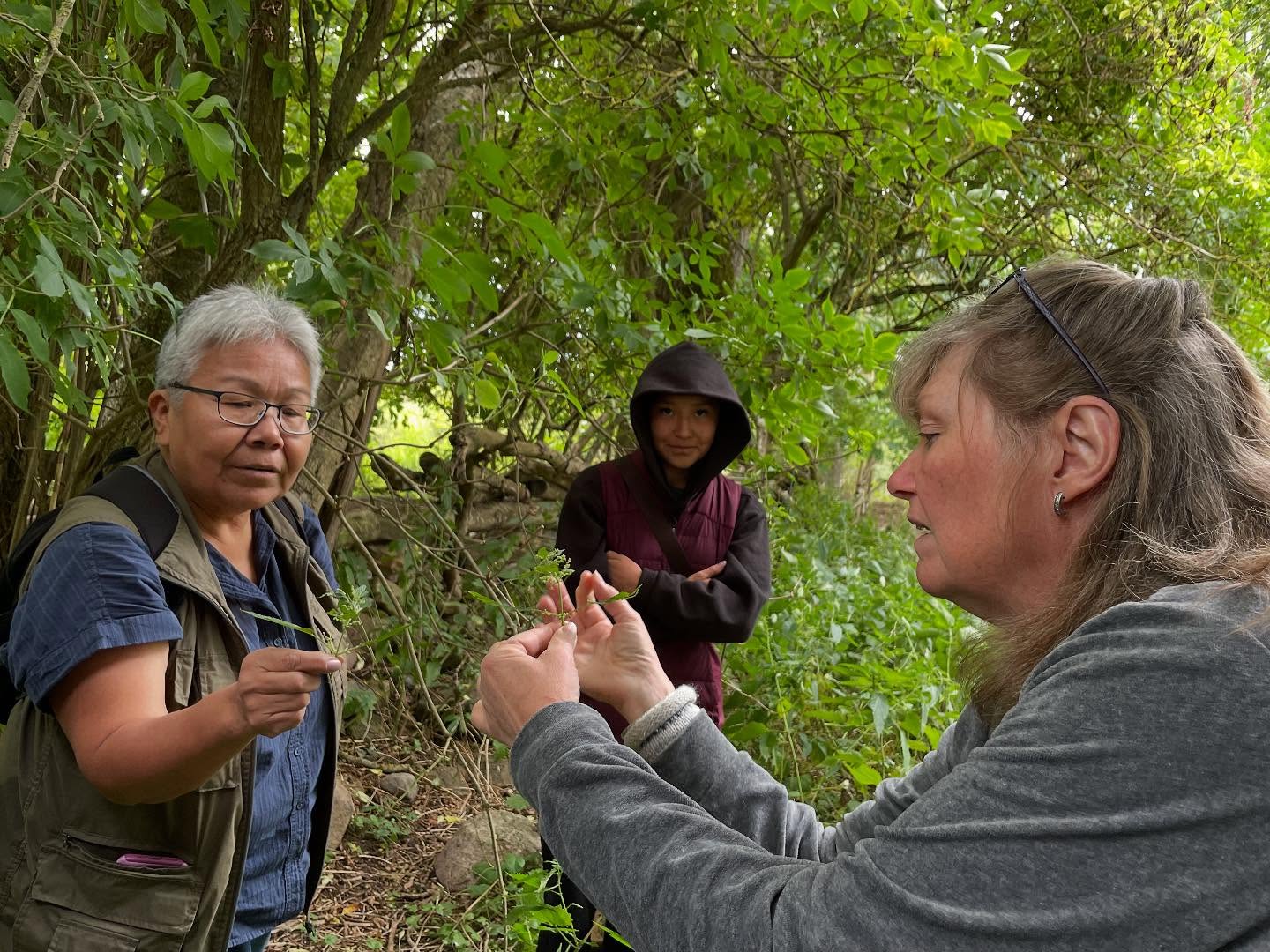
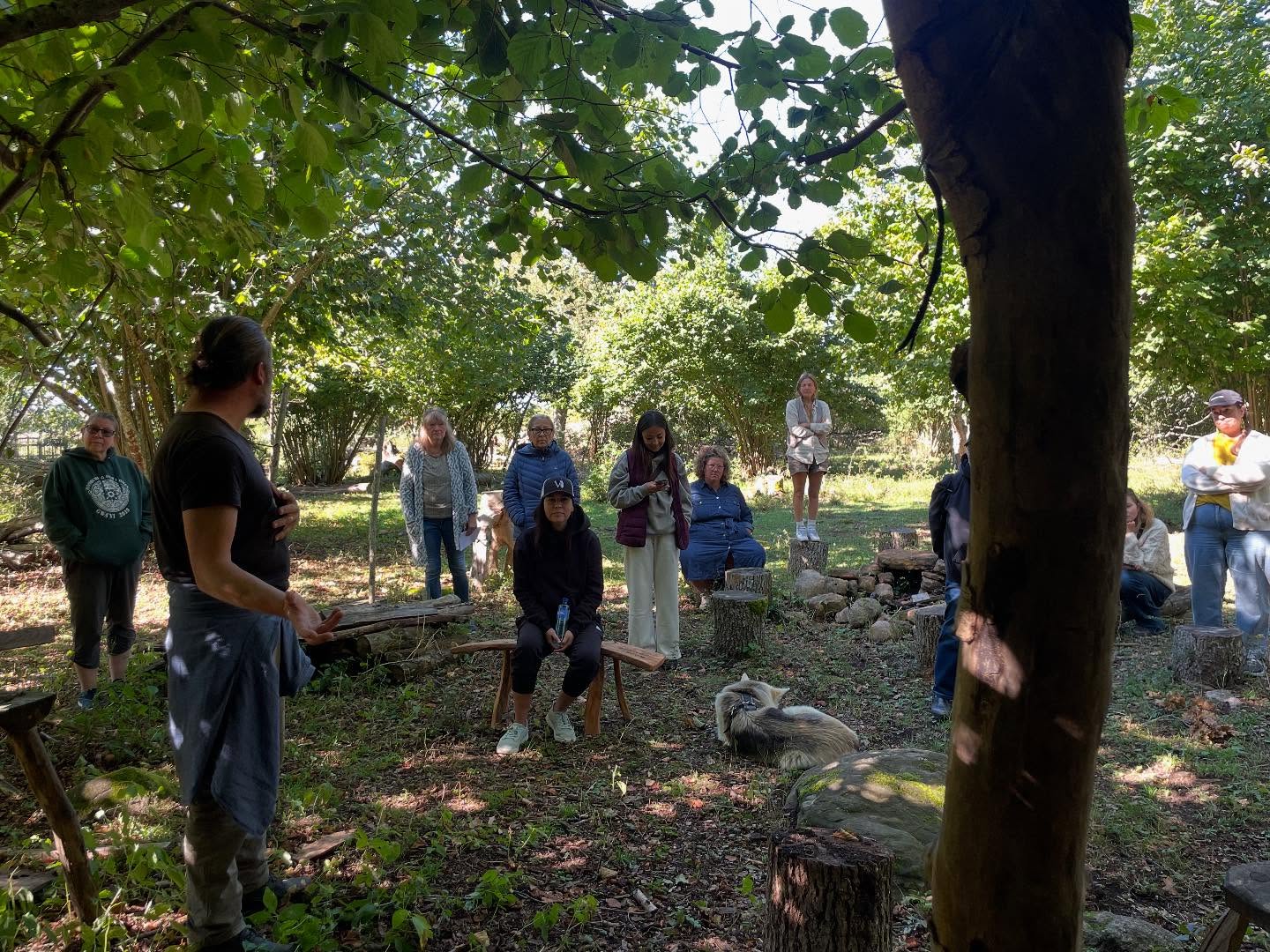
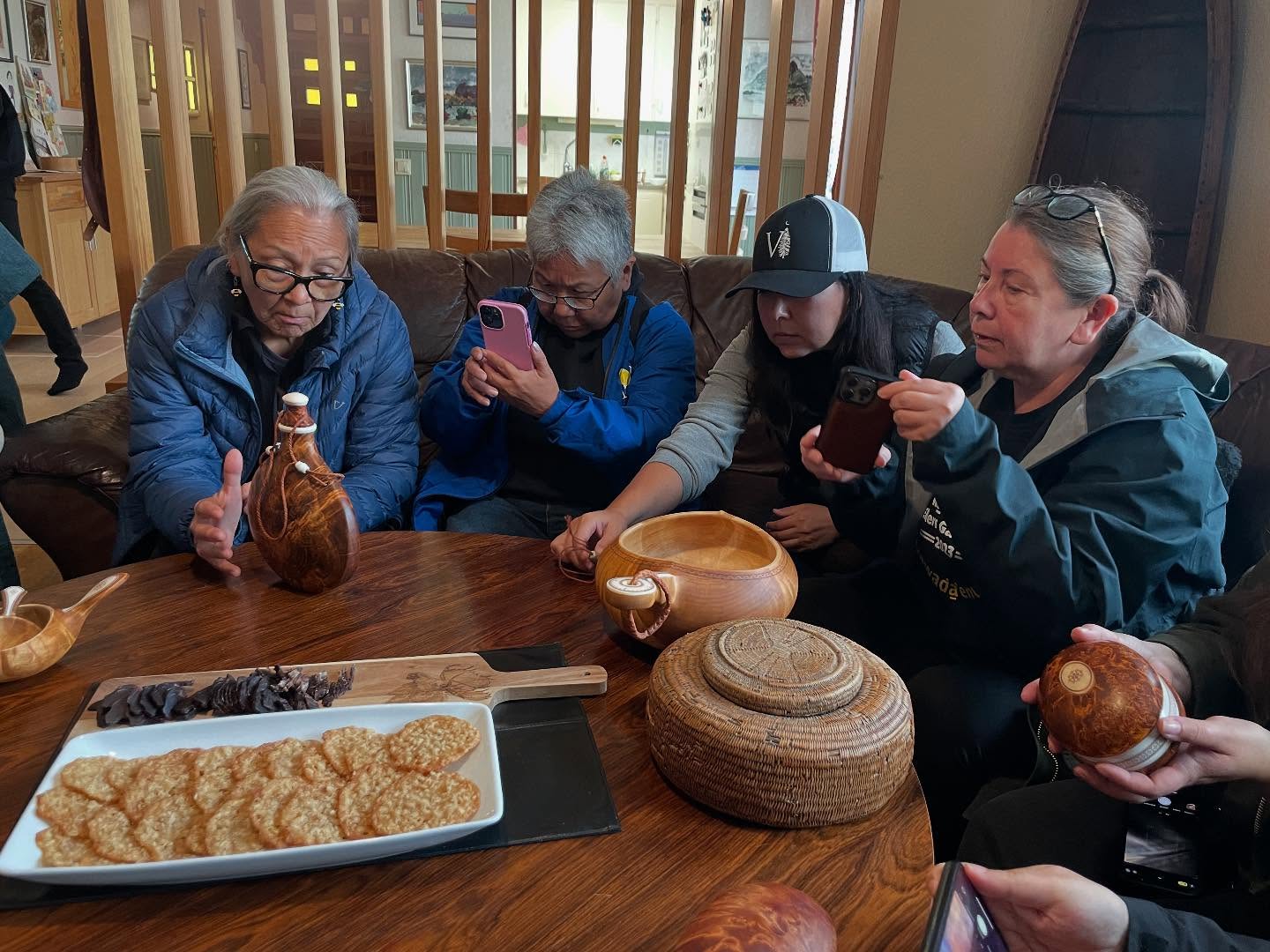
As one of the collaborations, artist Marianne Nicholson and five more members of Dzawada’enuxw First Nation came to Sweden and Kultivator in August this year to look into forest cultivation systems, and together with us re- learn techniques of processing stinging nettle fiber, showed to us by Anette Johansson from the association ”Nellorna”.
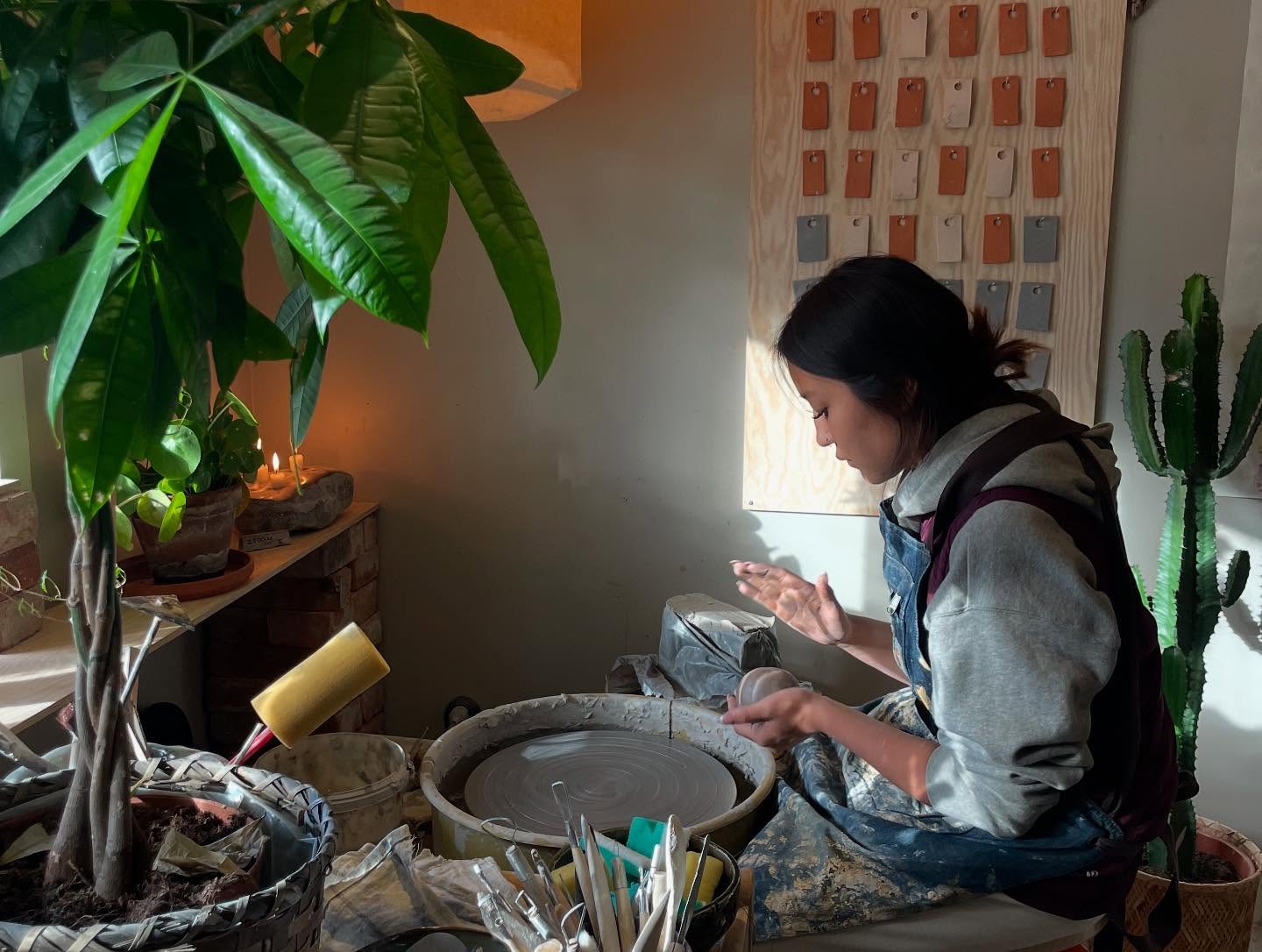
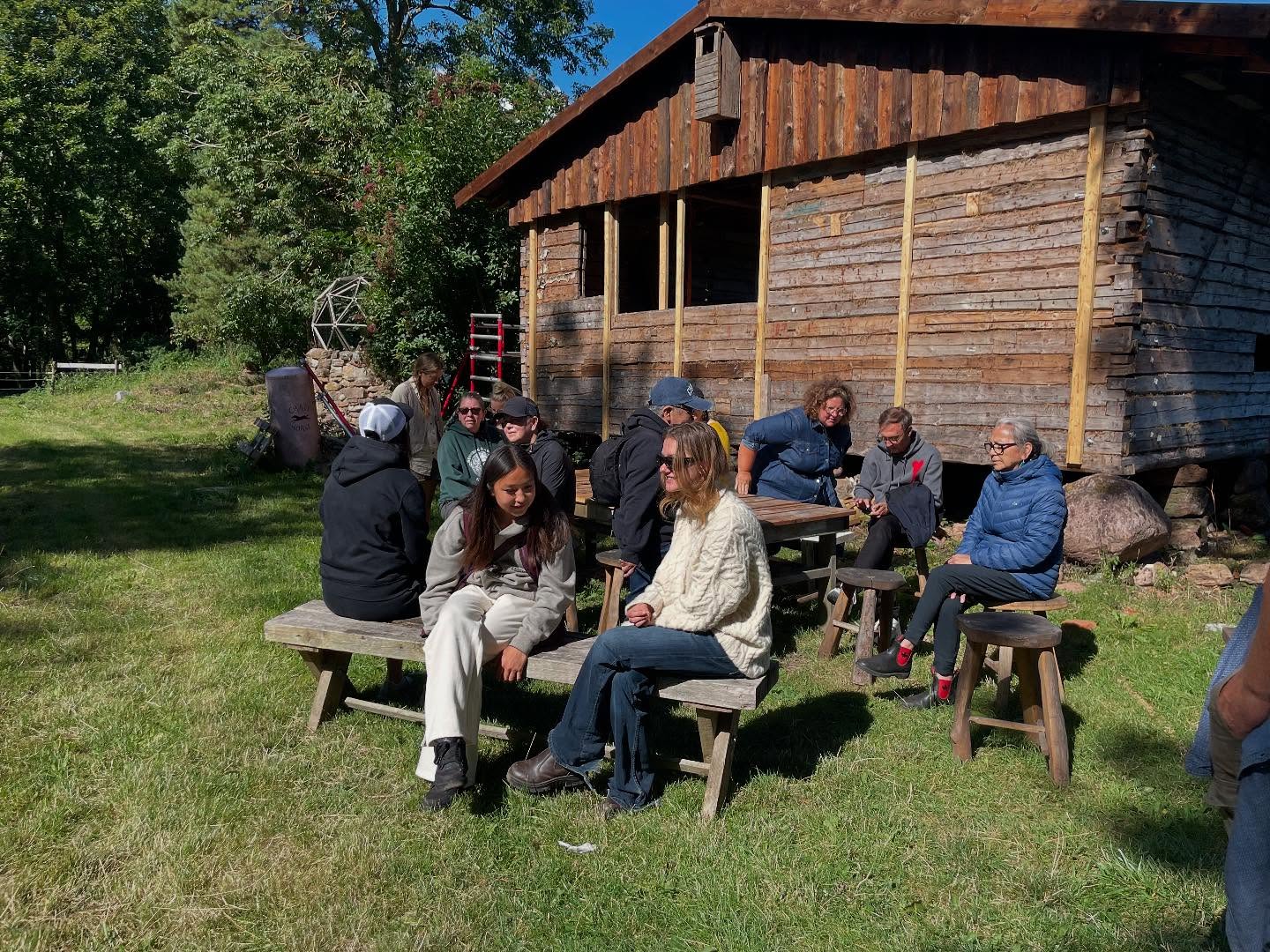
We also visited important and inspiring local cultural sites as Folkessons lada and Lina Studio Lera, as well as had an evening when dr Maria Tengö came to talk to us about her research on land stewardship policies on UN level, developed with indigenous communities.
In 2018, the Dzawada̱’enux̱w First Nation launched the first-ever BC Supreme Court case to extend Aboriginal title to the ocean in their fight against the presence of fish farms in their territory. The land around the mouth of the Gwayi’i River is held by a non-profit land conservation called Nature’s Trust. Nicolson views the conservation’s presence on Dzawada̱’enux̱w territory as “neo-colonial land laundering through philanthropy,” as the conservation acquires land through government grants. Given the historical and ongoing oppressive treatment of the Dzawada̱ʼenux̱w by the Canadian state, Nicolson aims to build international solidarity and opportunities for exchange and learning around issues of land stewardship.
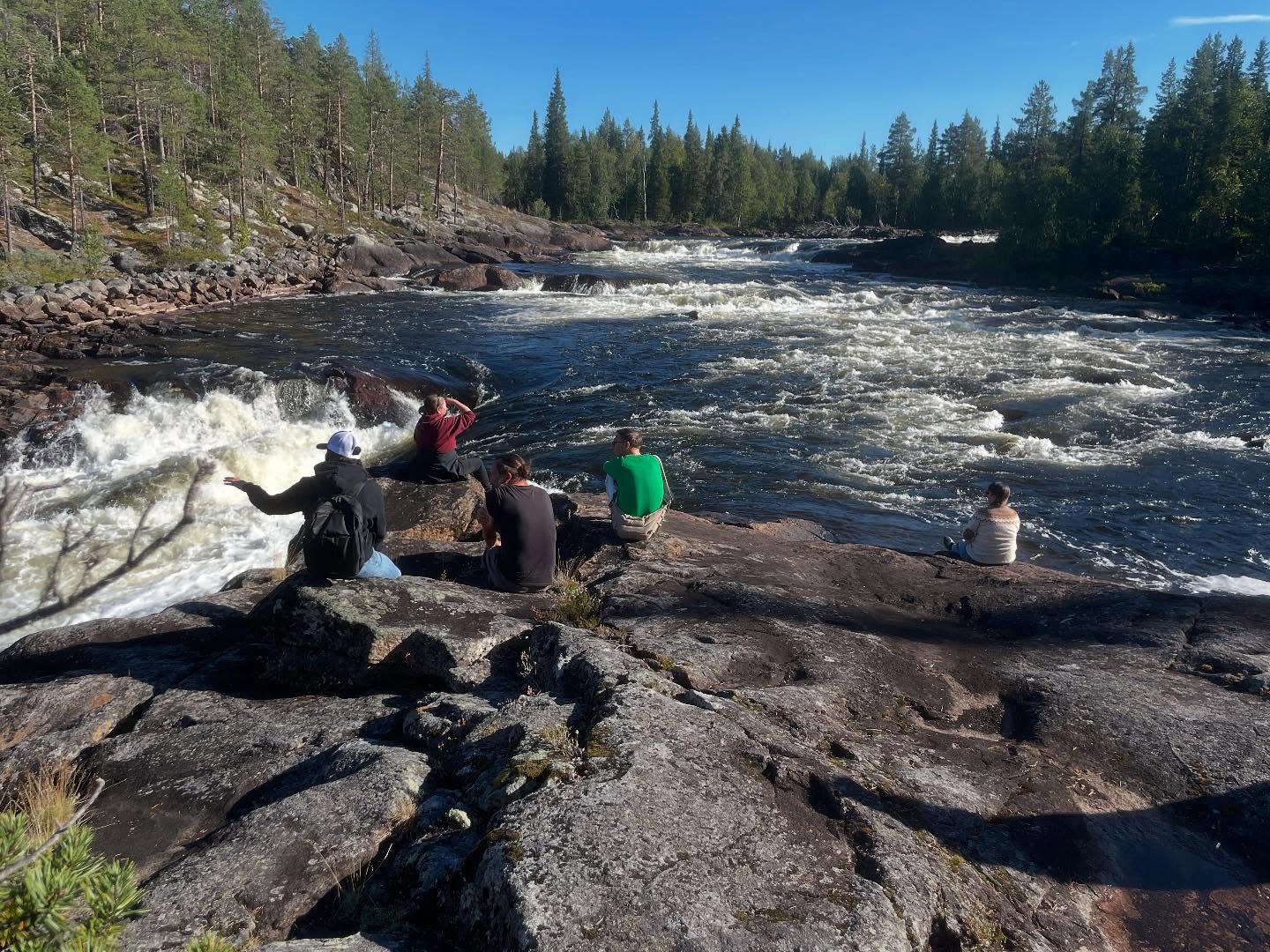
After the stay in Öland, the journey continued to Sapmi and Jokkmokk, where artist Katarina Pirak Sikku introduced us to the beautiful Pearl river, and to the violent history (and present) of the Hydro power stations devastating the rivers and their ecosystems. Our group also met with artists Katarina Spik Skum, Anders Sunna and Jon Thomas Utsi, giving the most sincere and generous exchange. We can not begin to express the gratitude to everyone involved in this, and foremost to Marianne, Dawn, Midori, Char, Millie and Ellie -Thank you for leaving your precious place to make this long travel and letting us see our place and the colonial north of Sweden also through your eyes. We are looking forward to see you again in Gwayi’i already in May for more nettle fiber and resistance art!
Collective work session in the Tell it to the field research

Collective work session in the
Tell it to the field research.

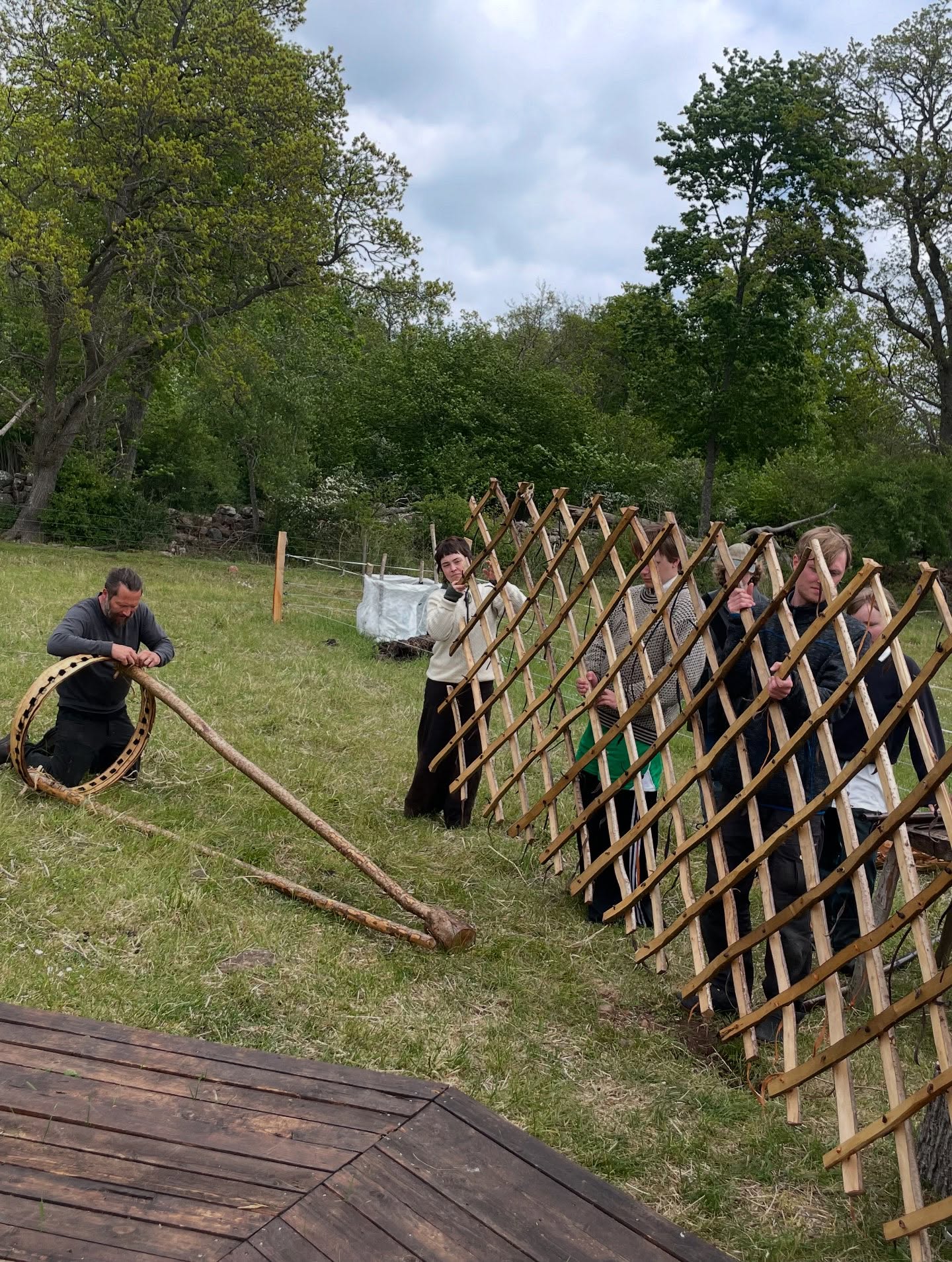
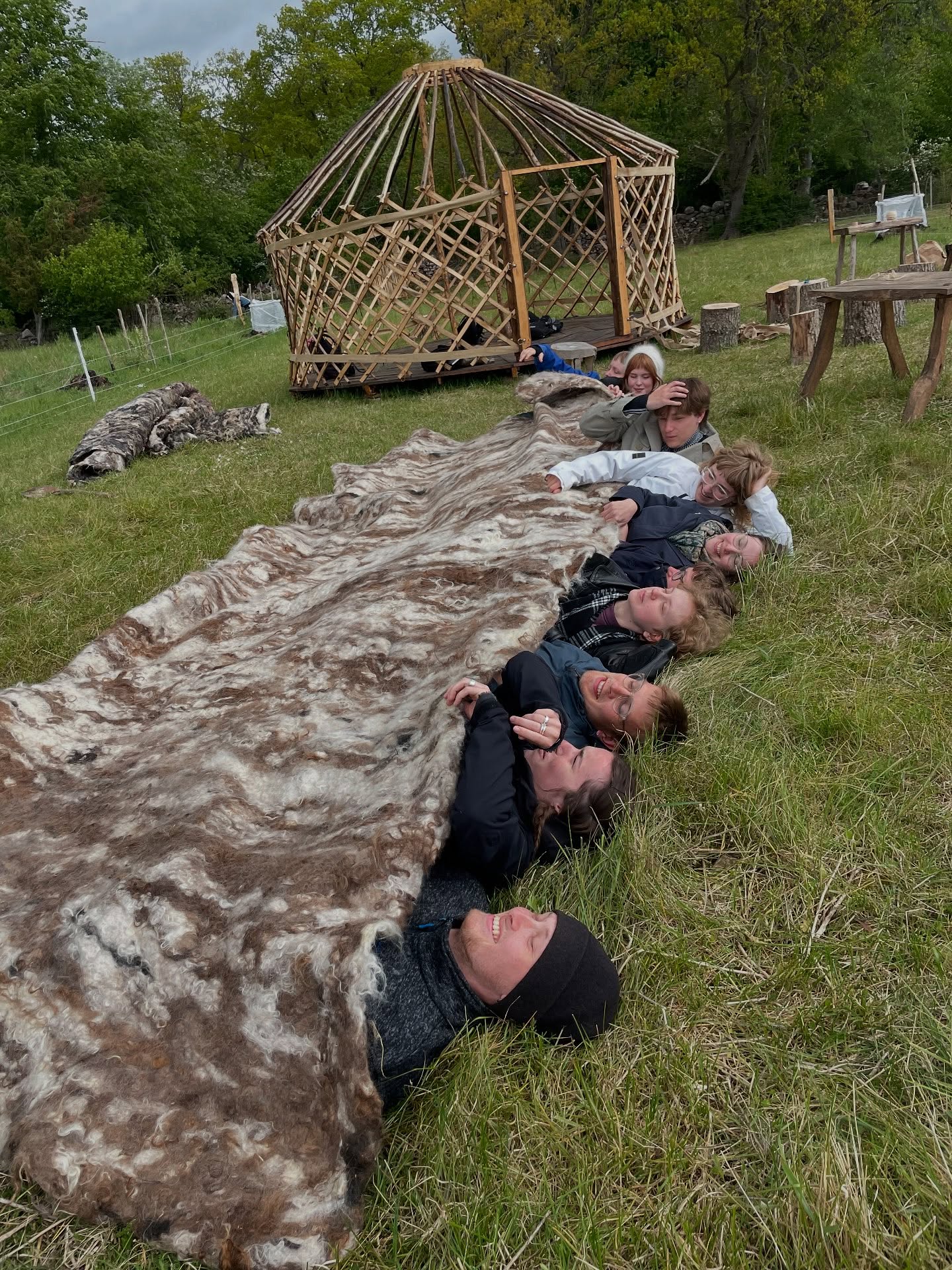
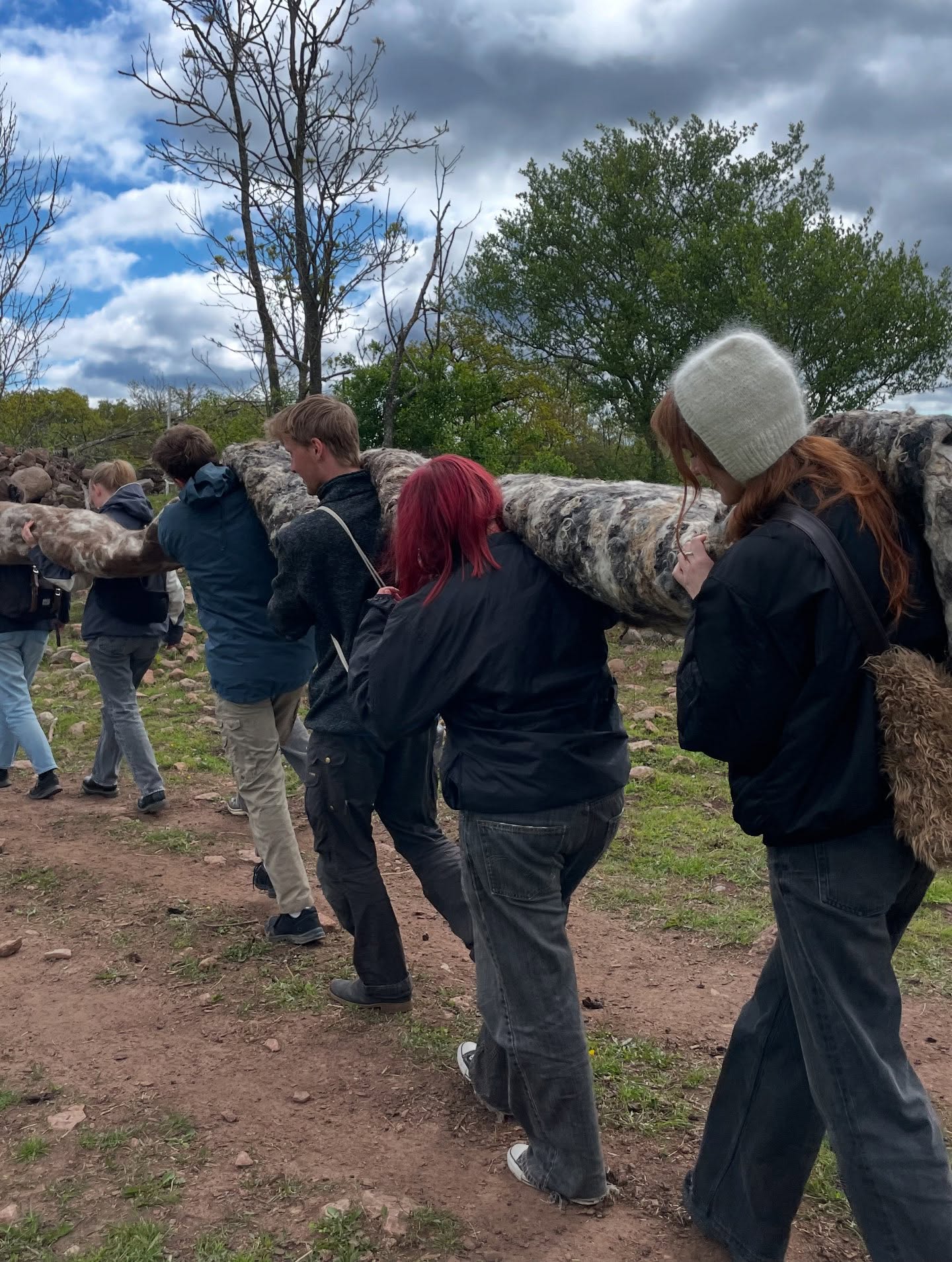
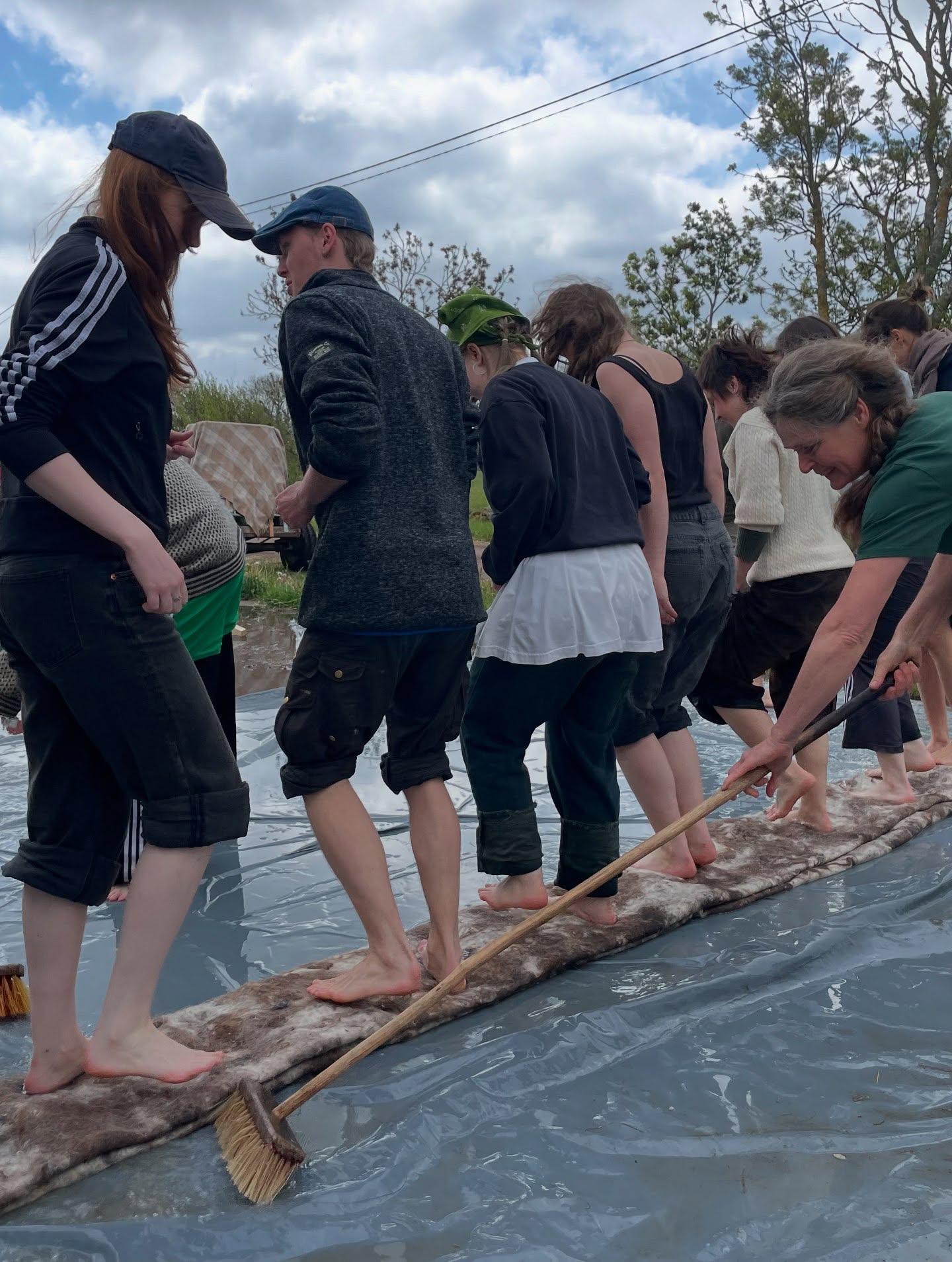
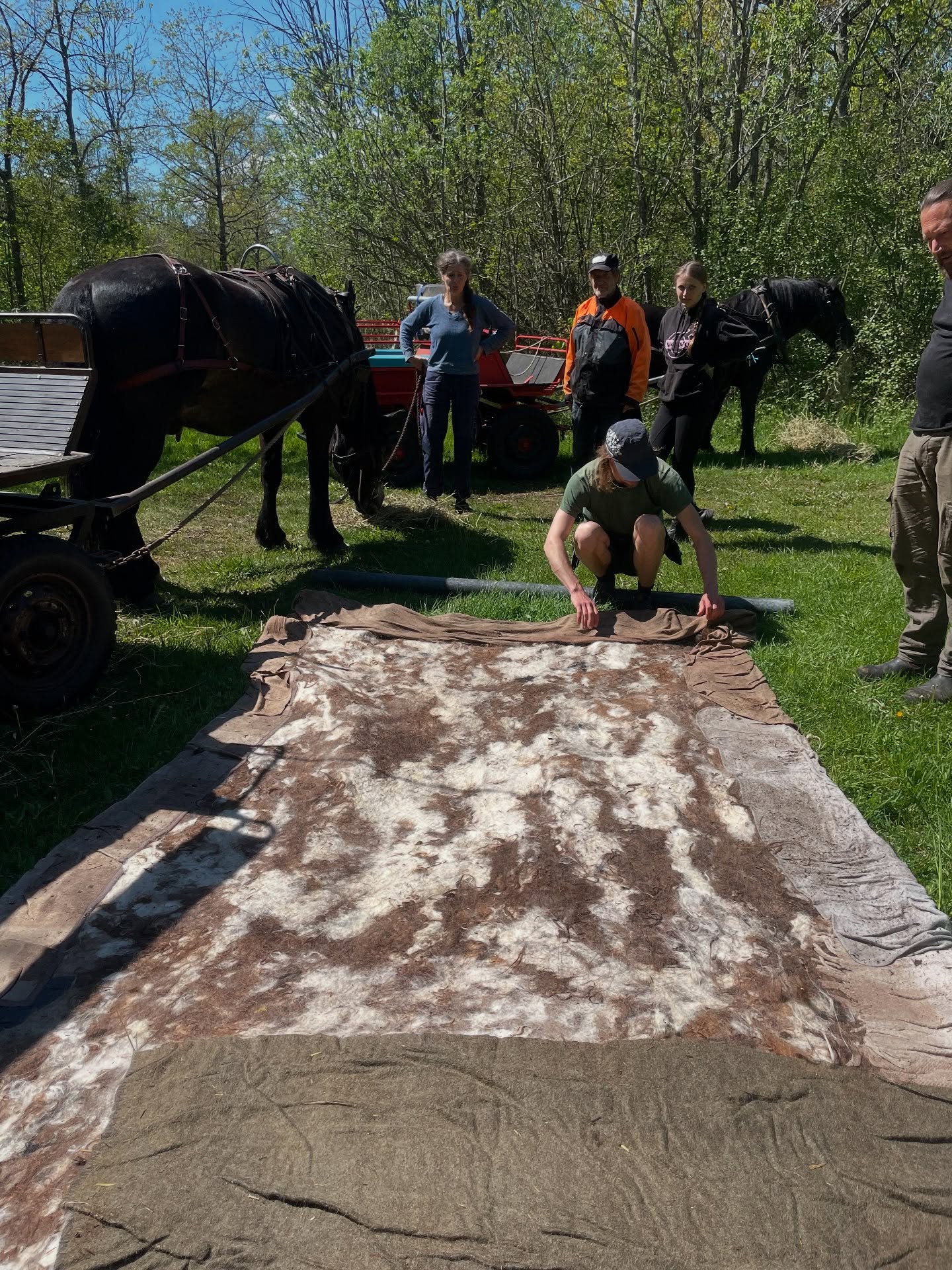
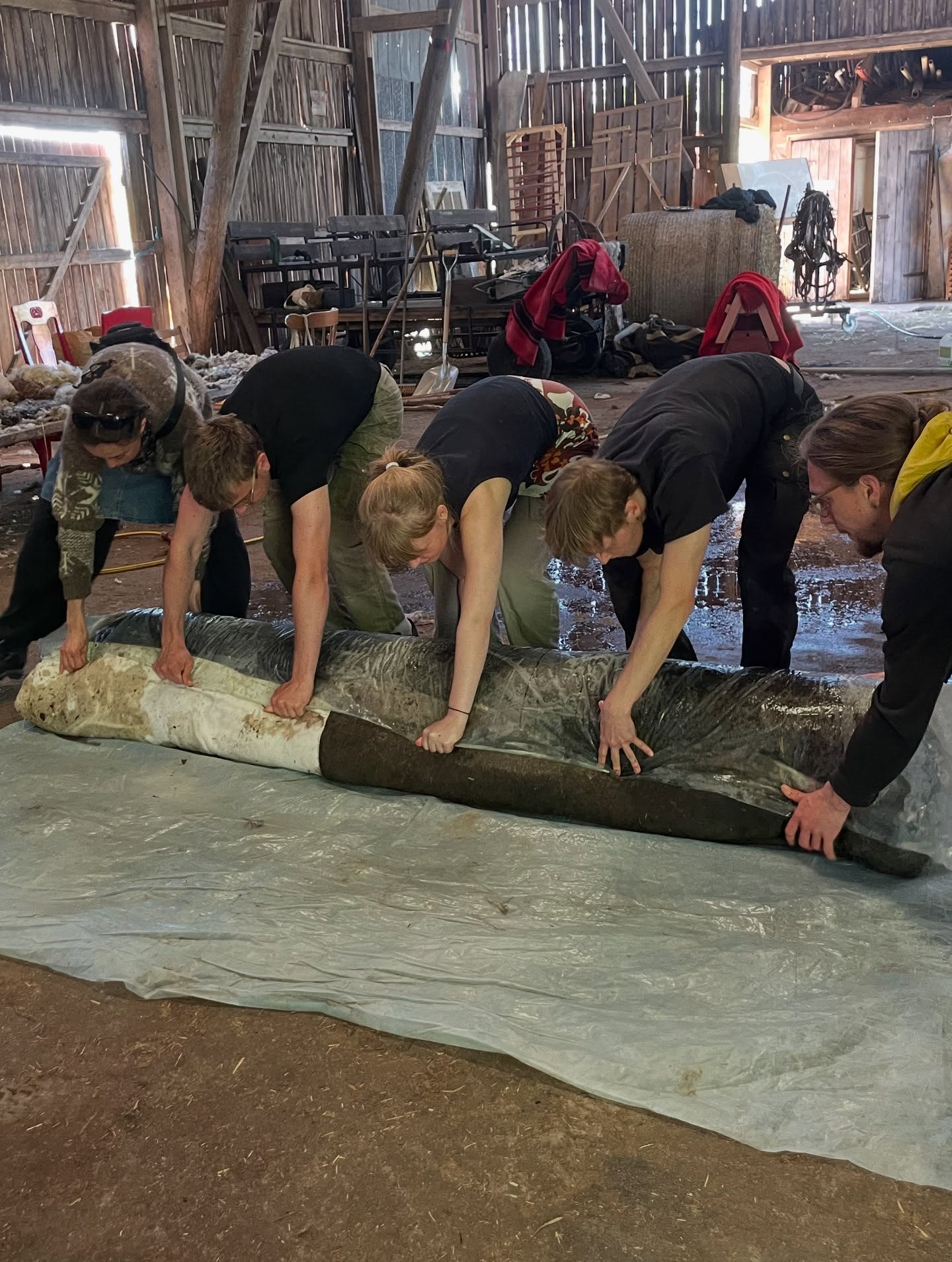
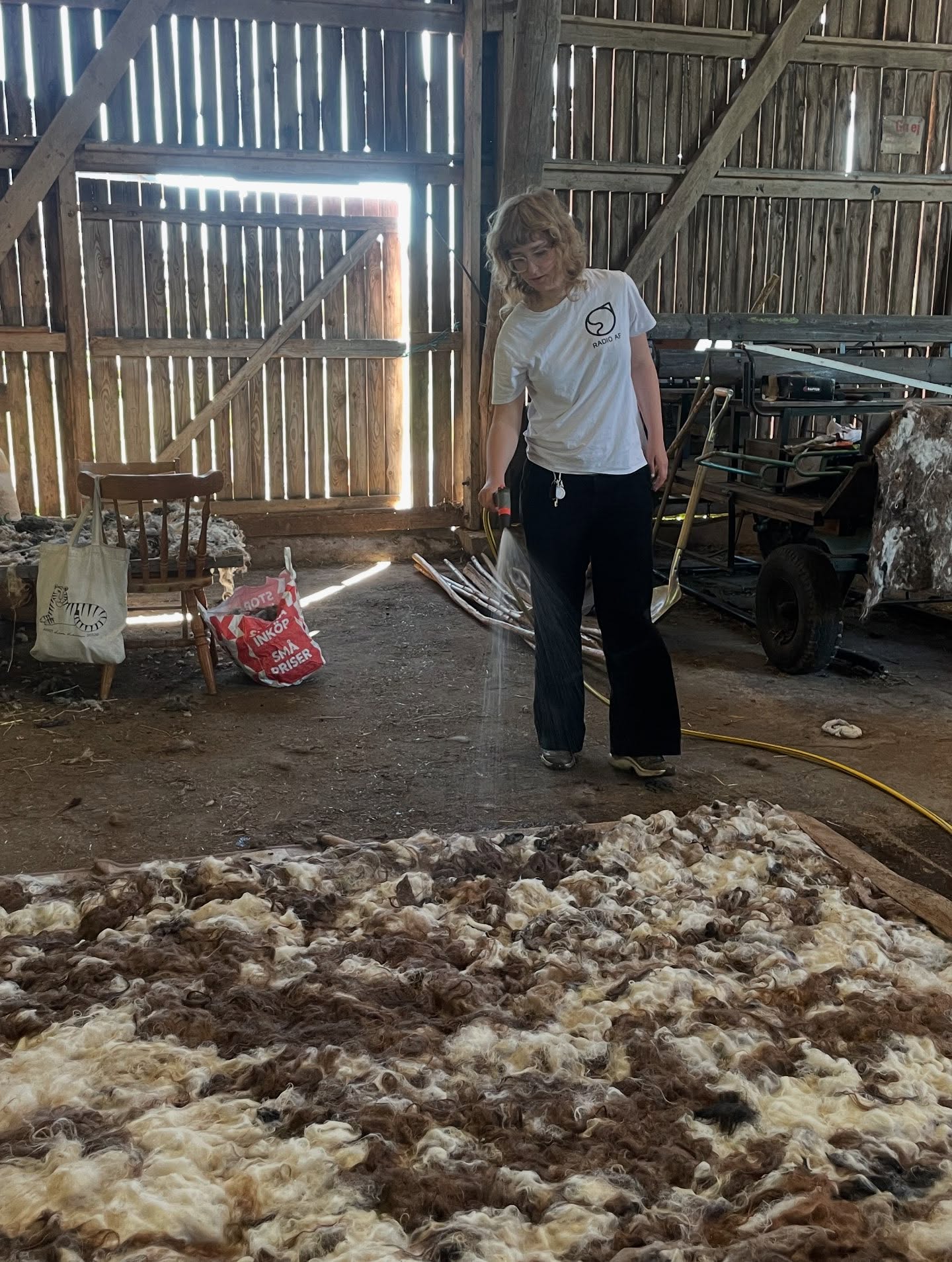
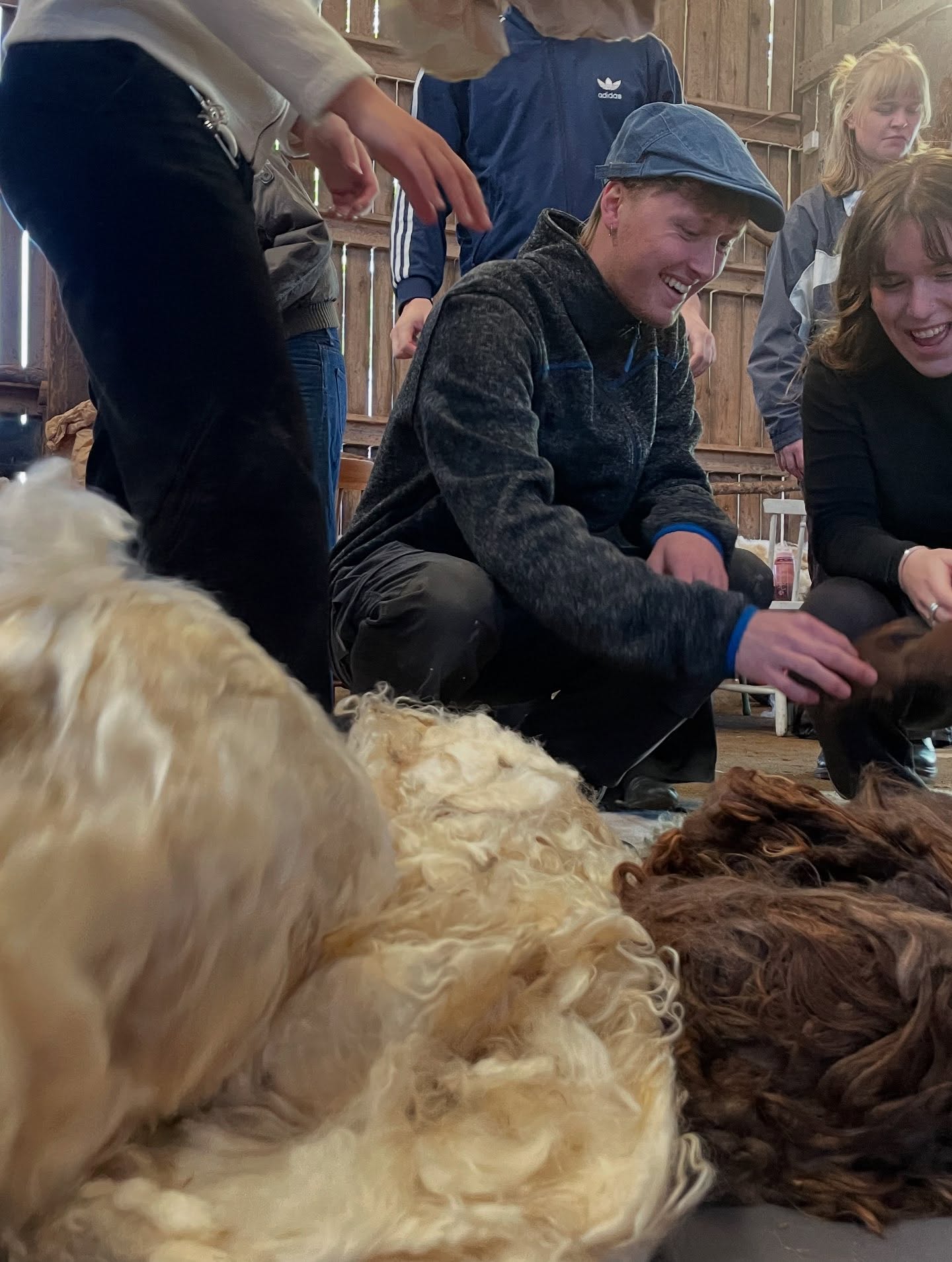
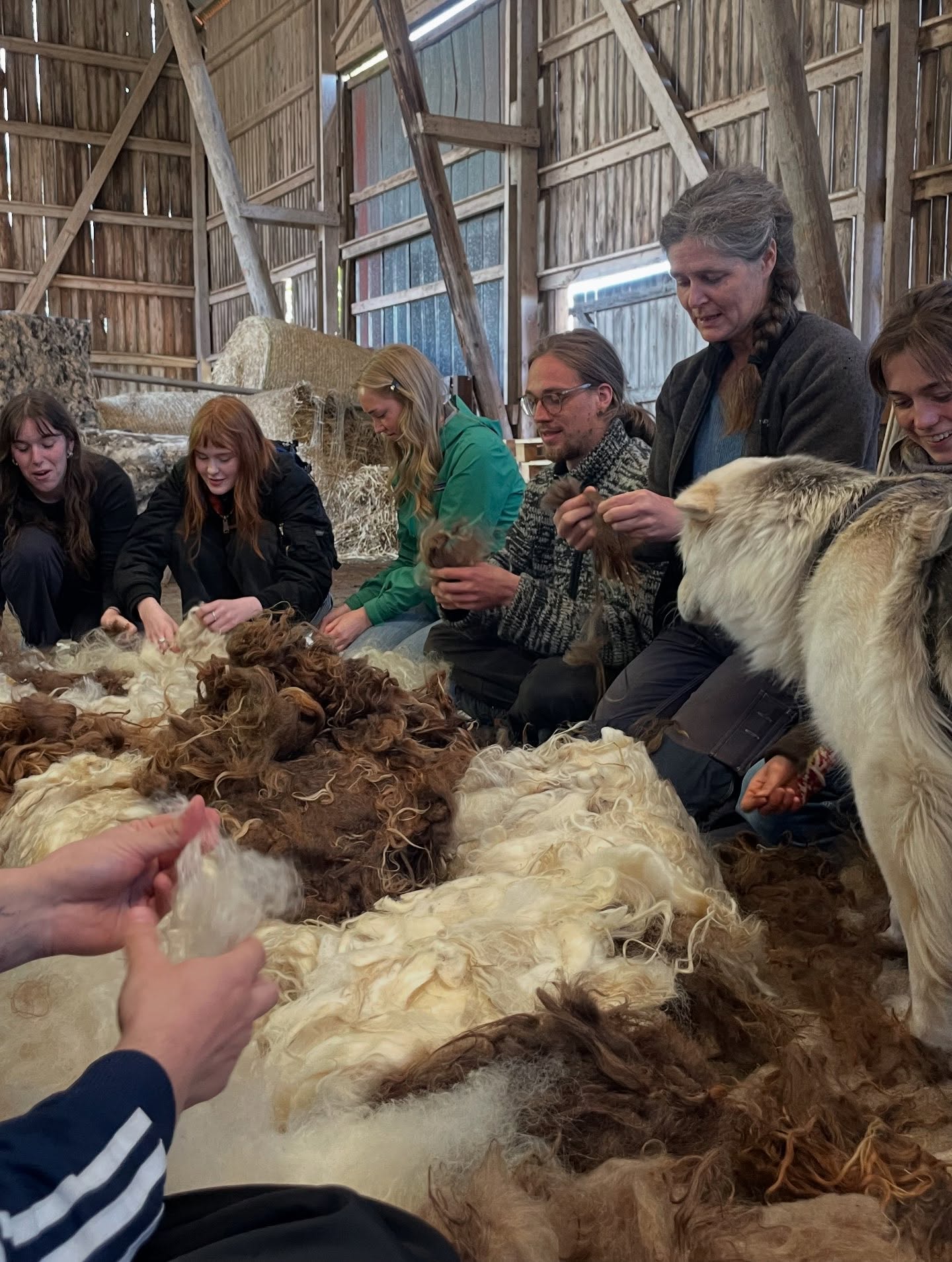
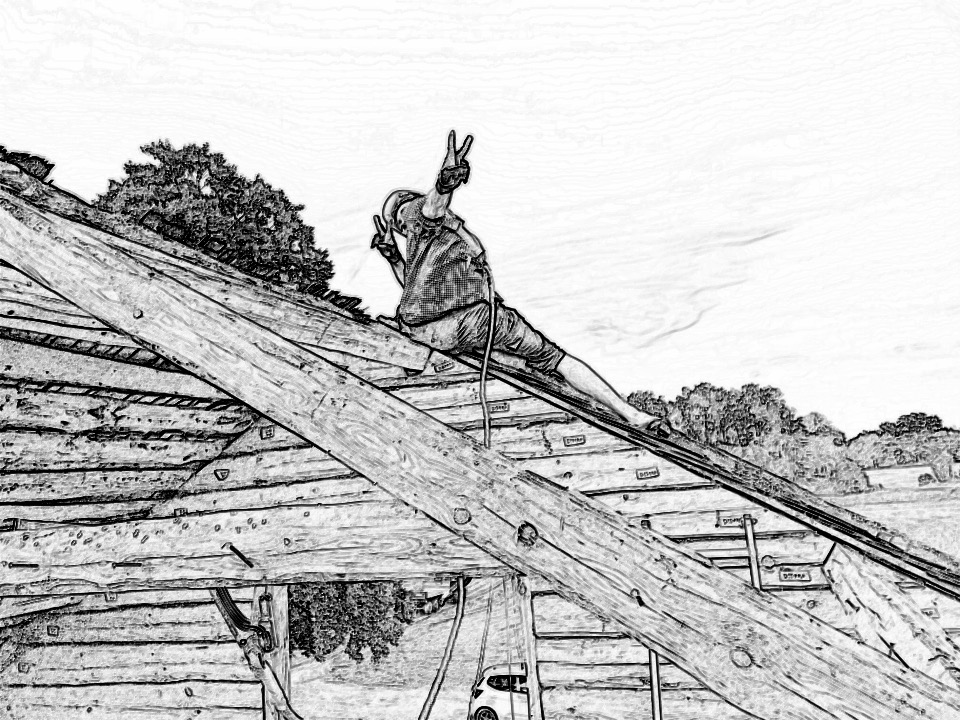
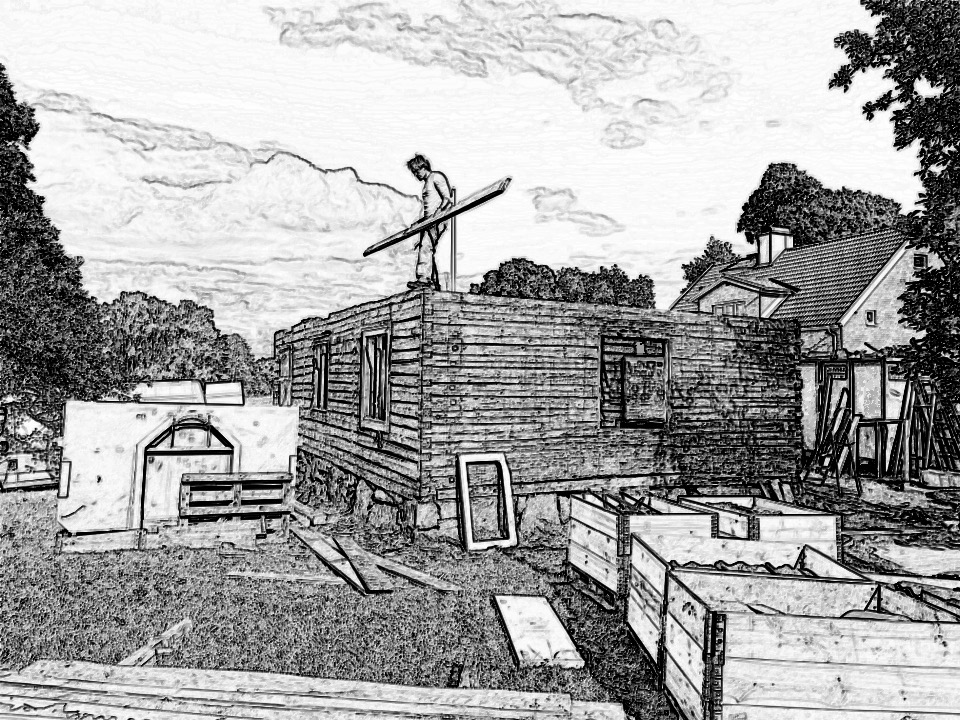
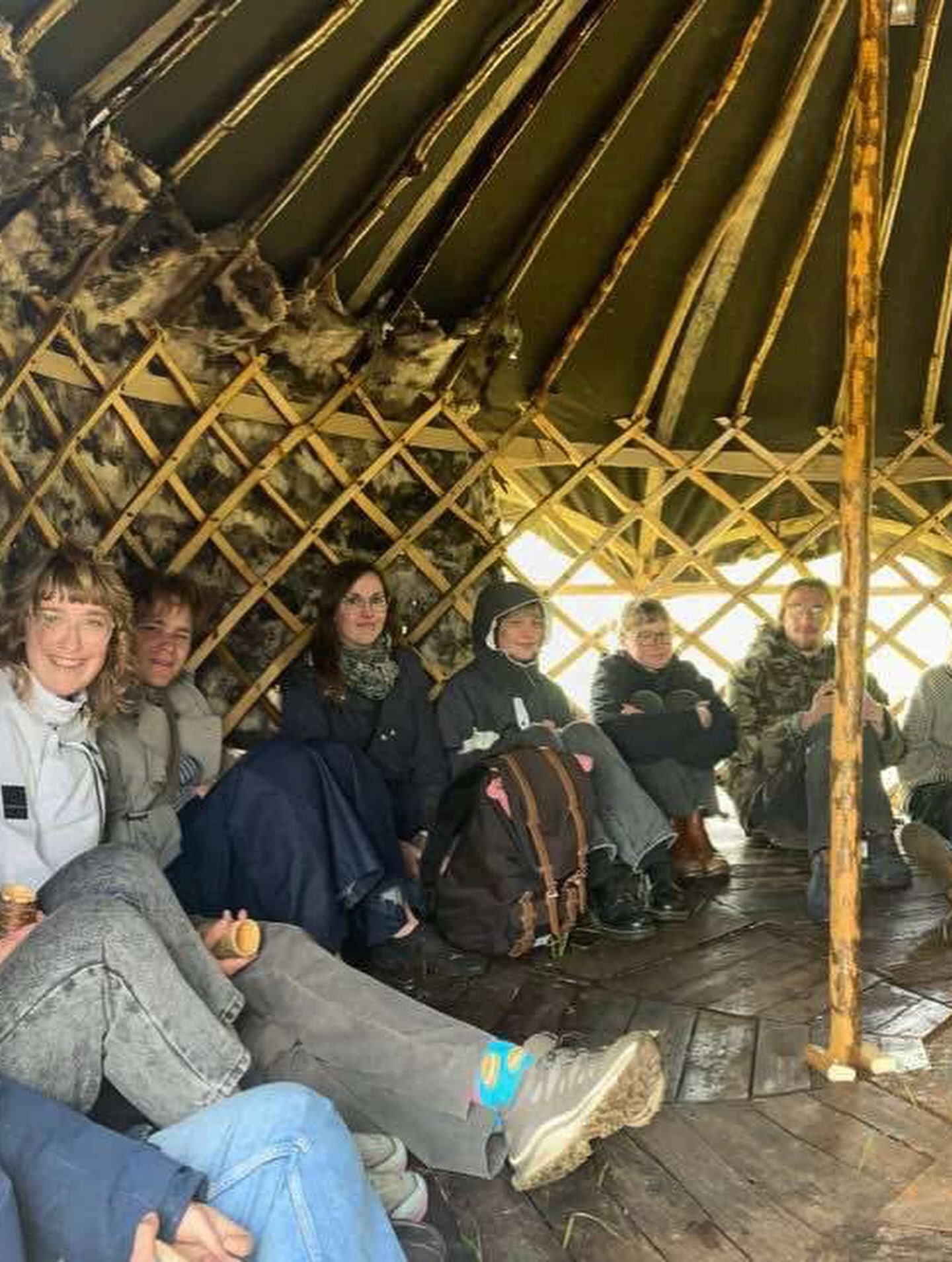
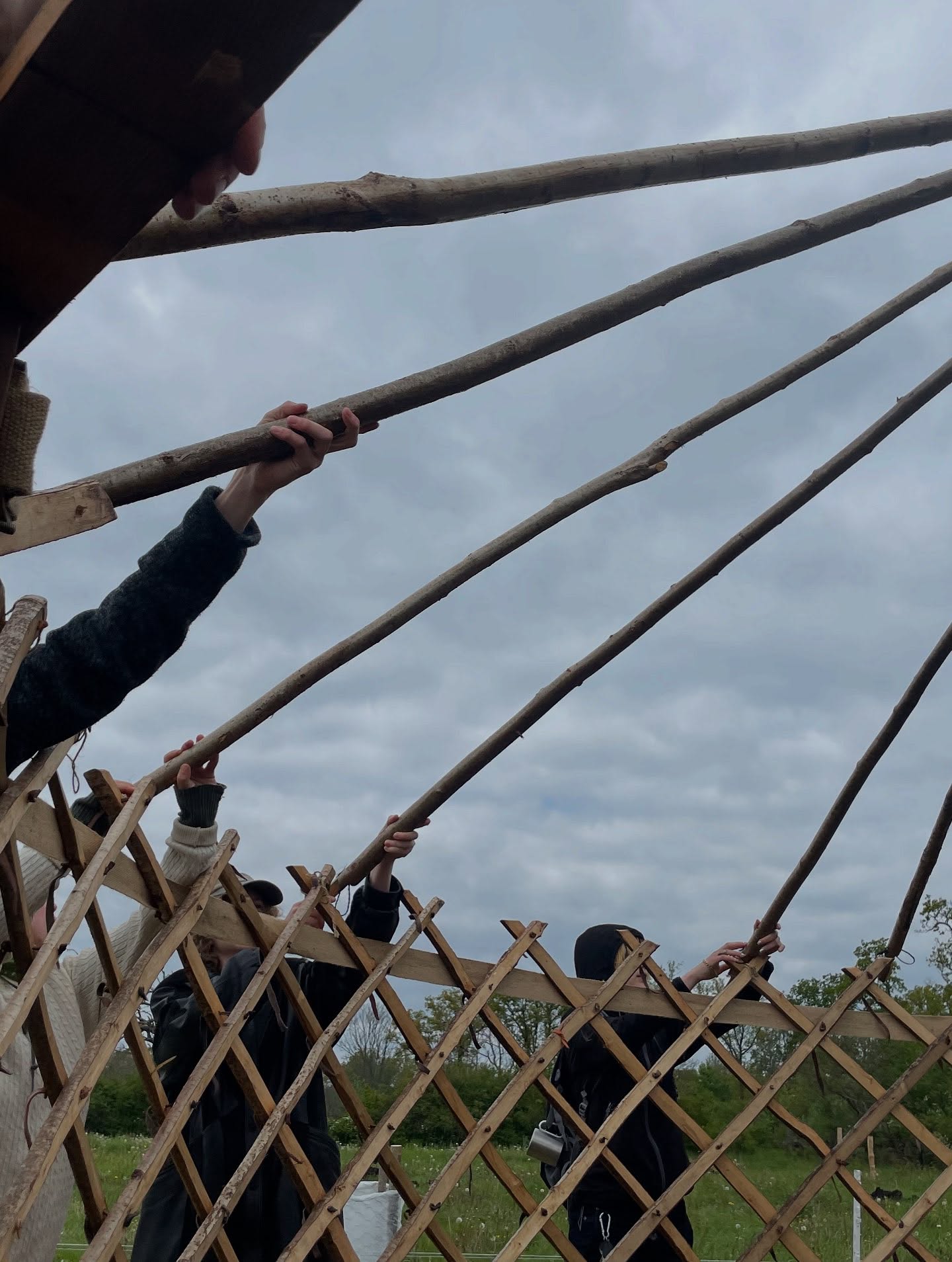
From the first collective work session in the Tell it to the field research. In collaboration with Jelmer Verhagen and with amazing guest researchers @konstettan! In one week (with plenty of preparation,) we managed to felt 2/3 of the walls, and raise the whole wood structure of the Shelter and Brain in the field – the Ger. All gratitude to the hazel, sheep, horses, dandy lions and folk songs for making this beginning of more telling and listening fieldwork…

Other hydro powers Lekgruset Ammeran

Other hydro powers
Lekgruset, Ammerån

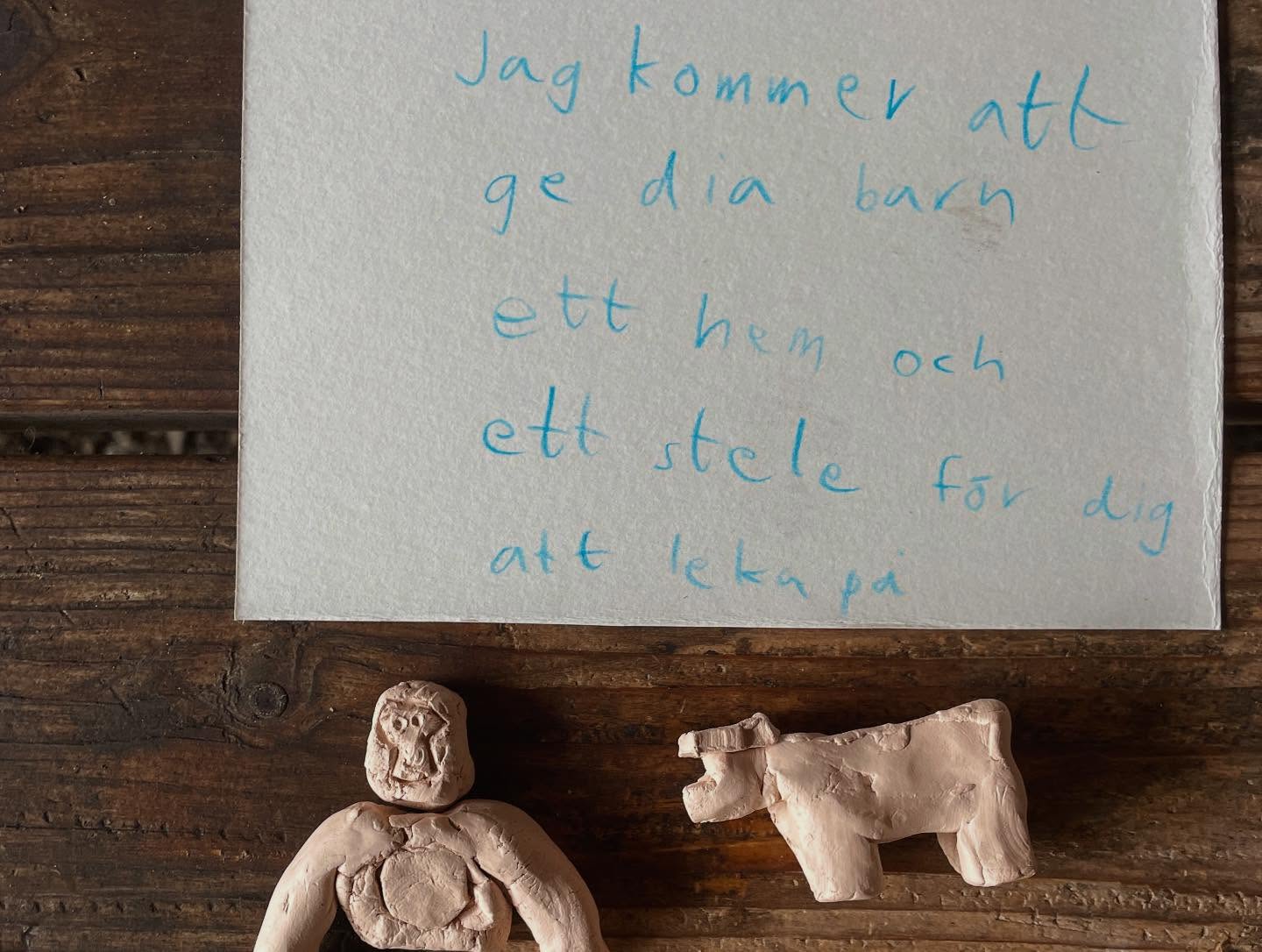
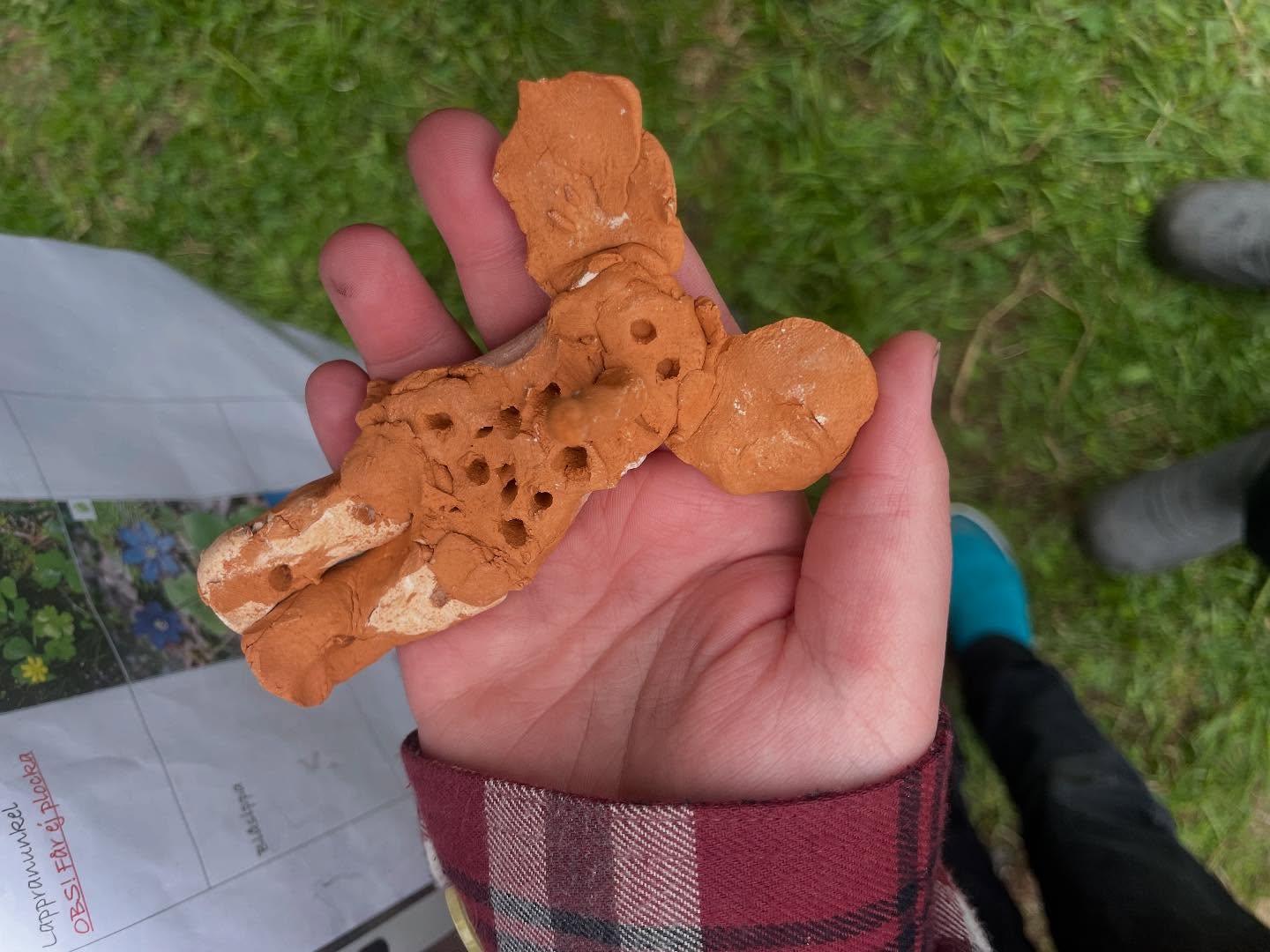
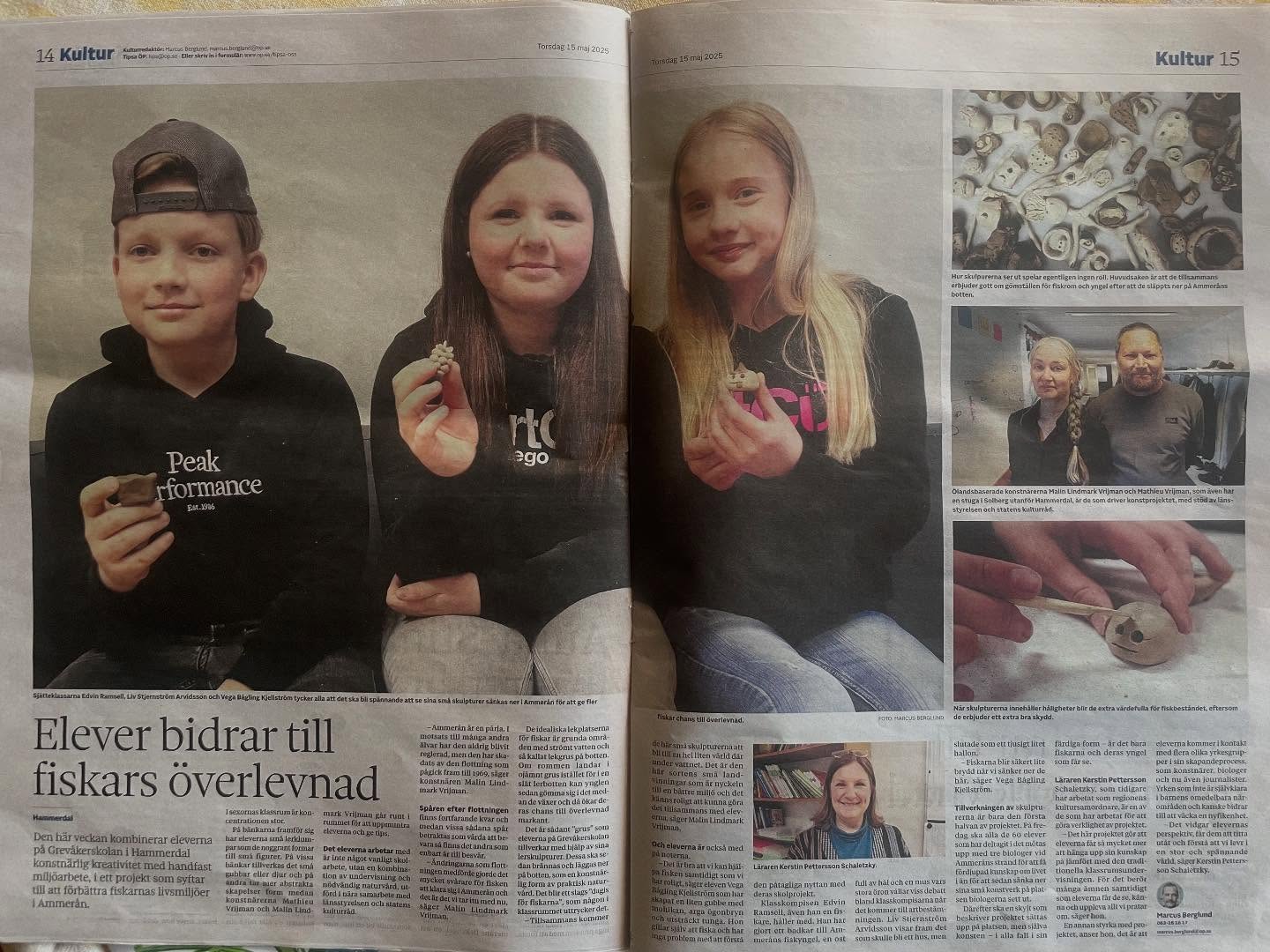
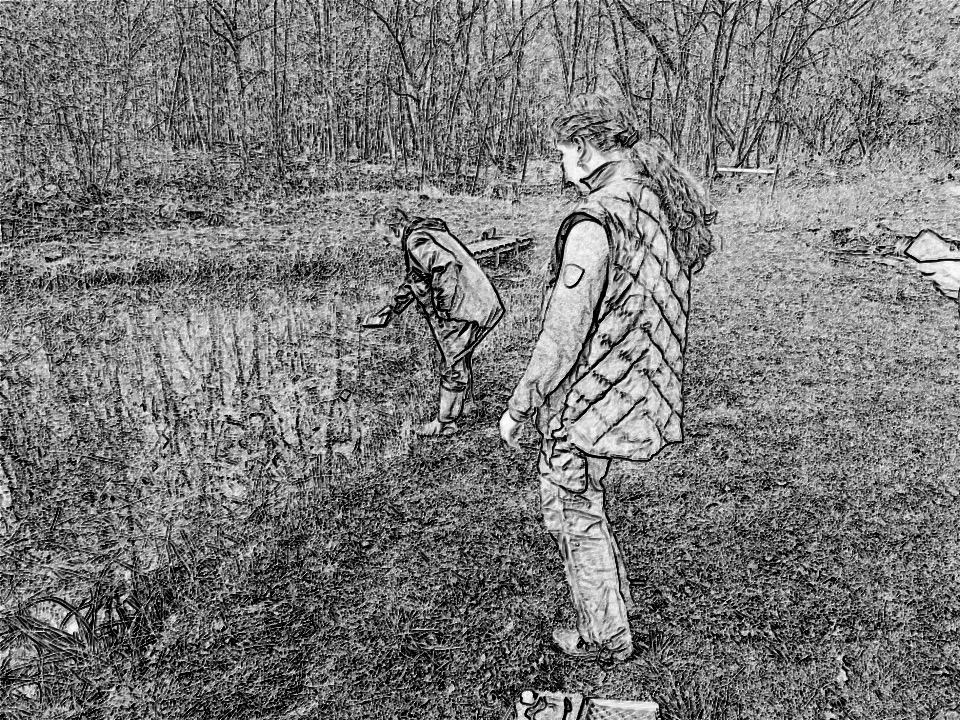
Lekgrus i Ammerån, a part of the project Other hydro powers, supported by Swedish arts grants committee. The project connect several rivers and their nearby peoples in Sweden and Canada.
In collaboration with Eco streams for life, Jämtland and Grevåkerskolan Hammerdal.
Lekgrus = spawn gravel, where in Swedish the word for spawn is the same as for play..
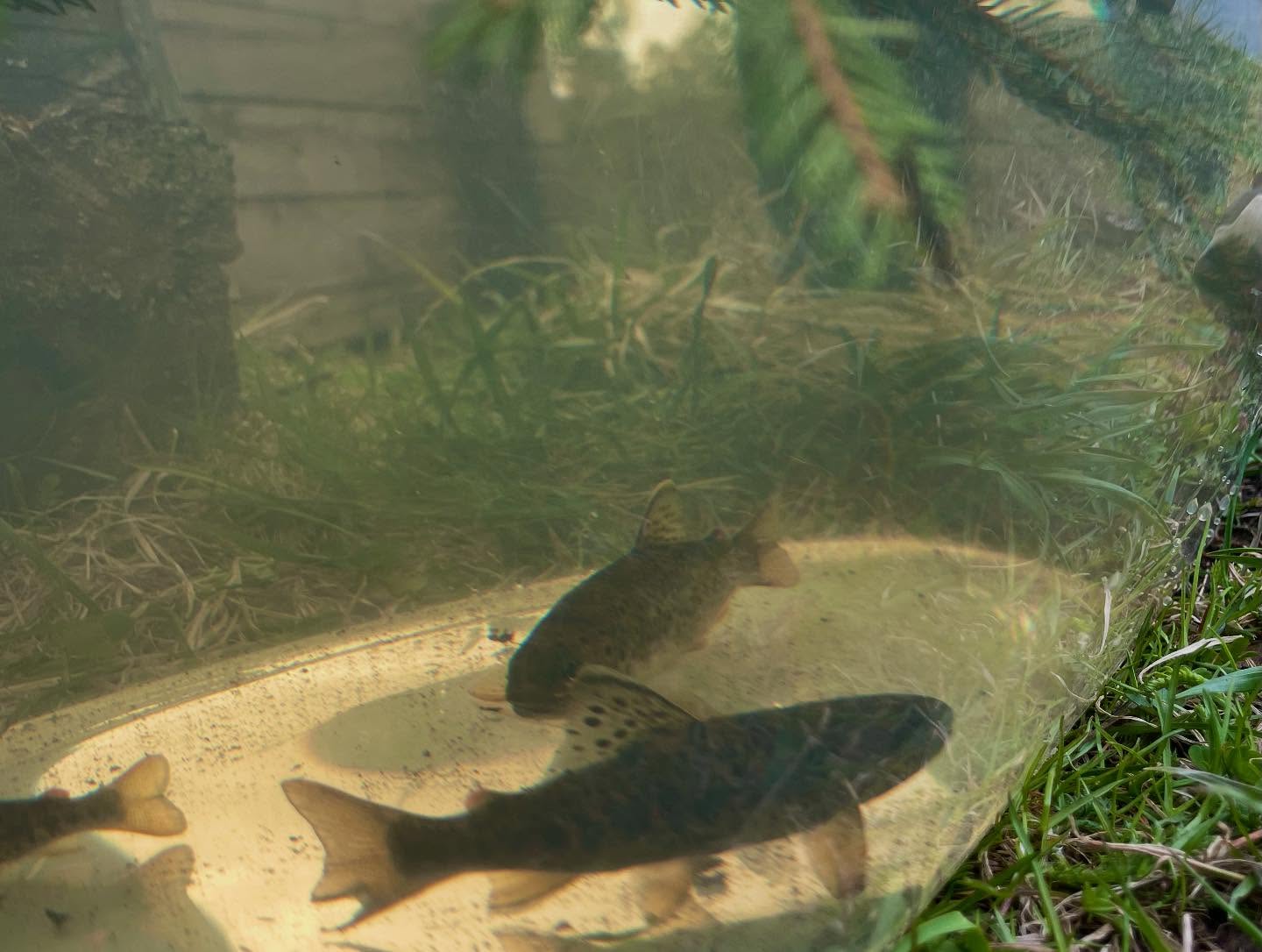
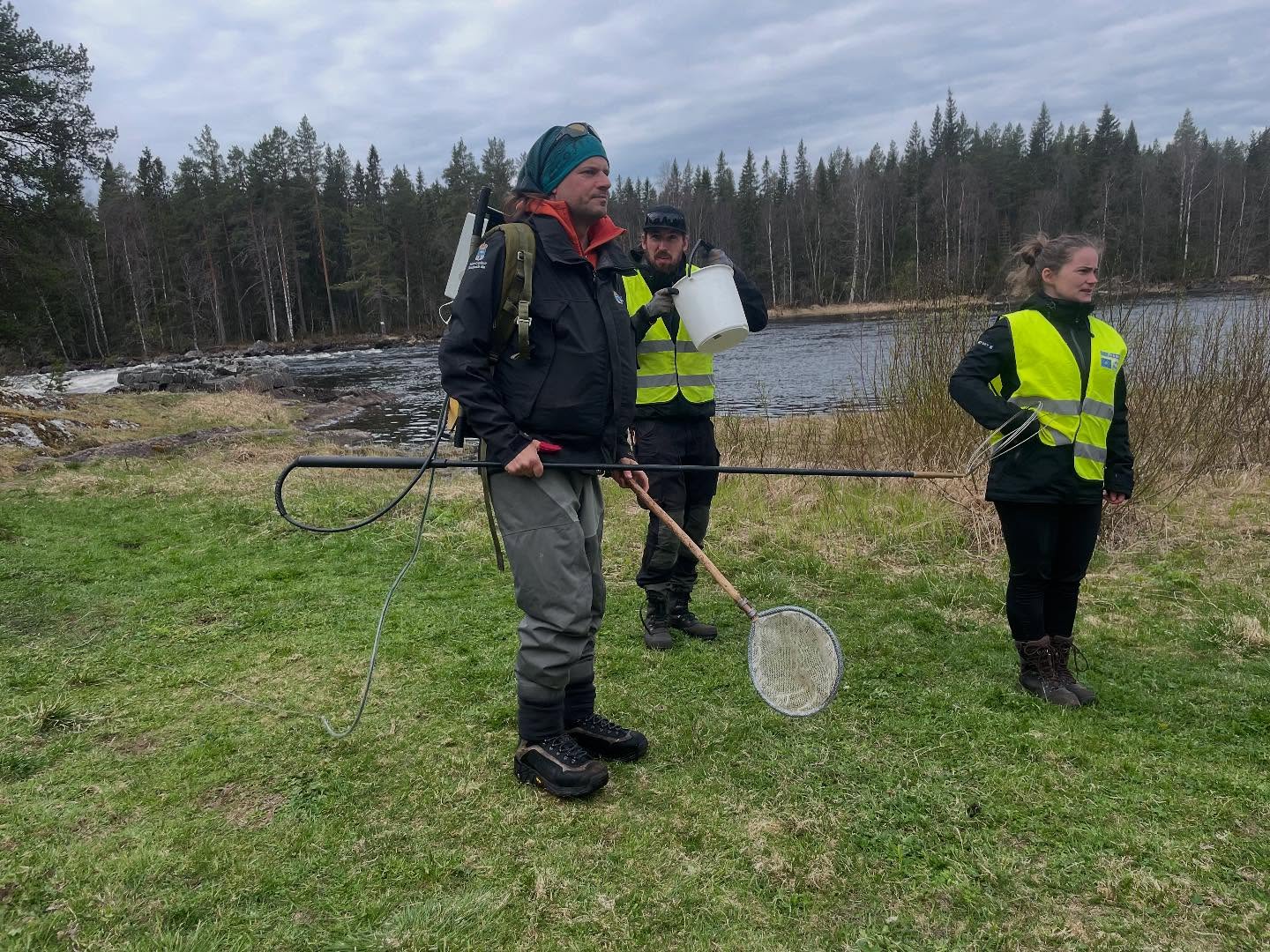
From an initial field trip meeting with biologists of the eco streams for life project that restores (amongst others) the river Ammerån, and their explanations to us what they are working on, we especially took with us the word Lekgrus (spawn gravel). The word inspired us to reach out to children living near the river, and together with Grevåkerskolan in Hammerdal, we could set up a collaboration around the river ecosystems, and particularly the way fish use gravel as a nursery for their young.
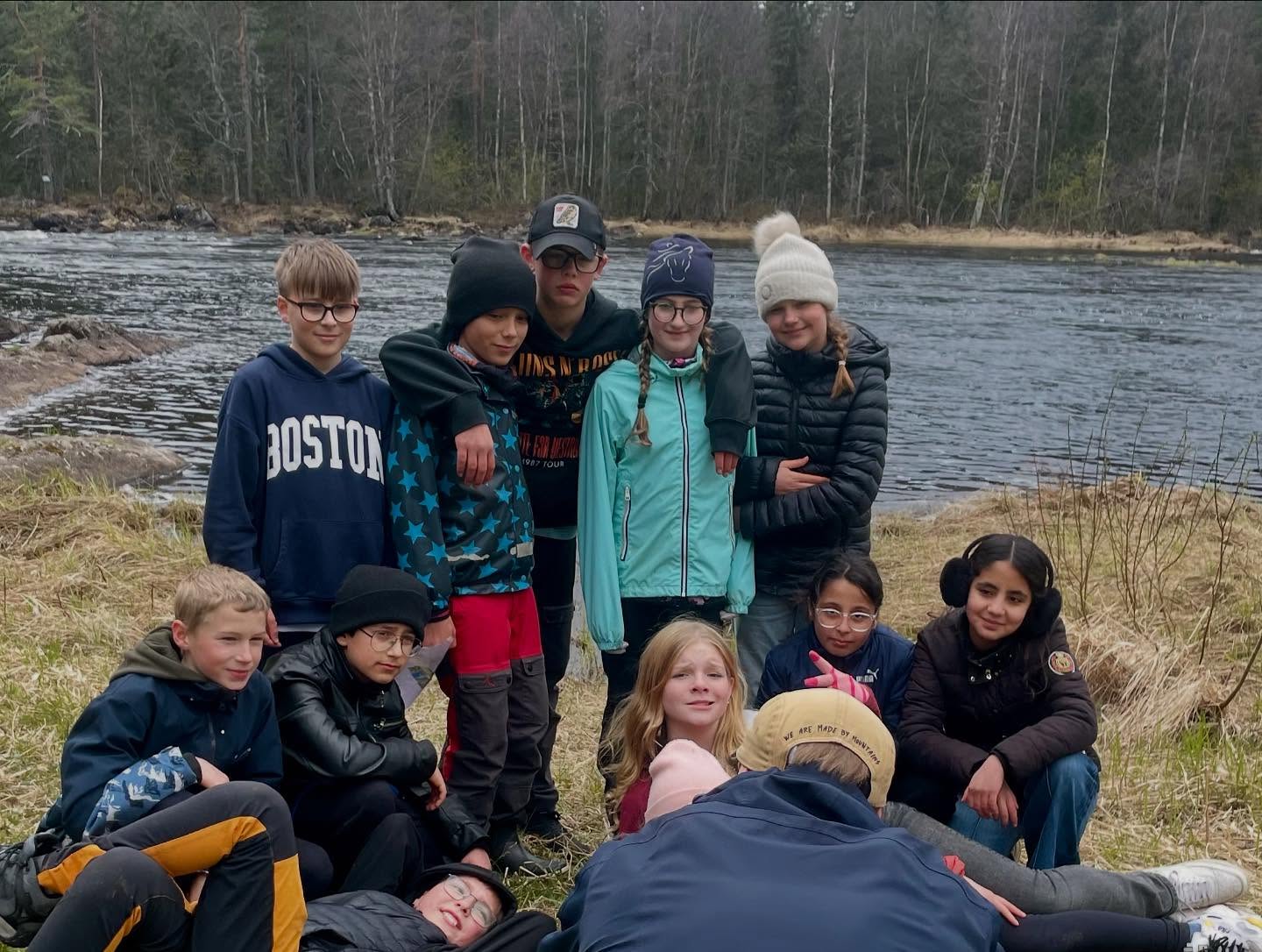
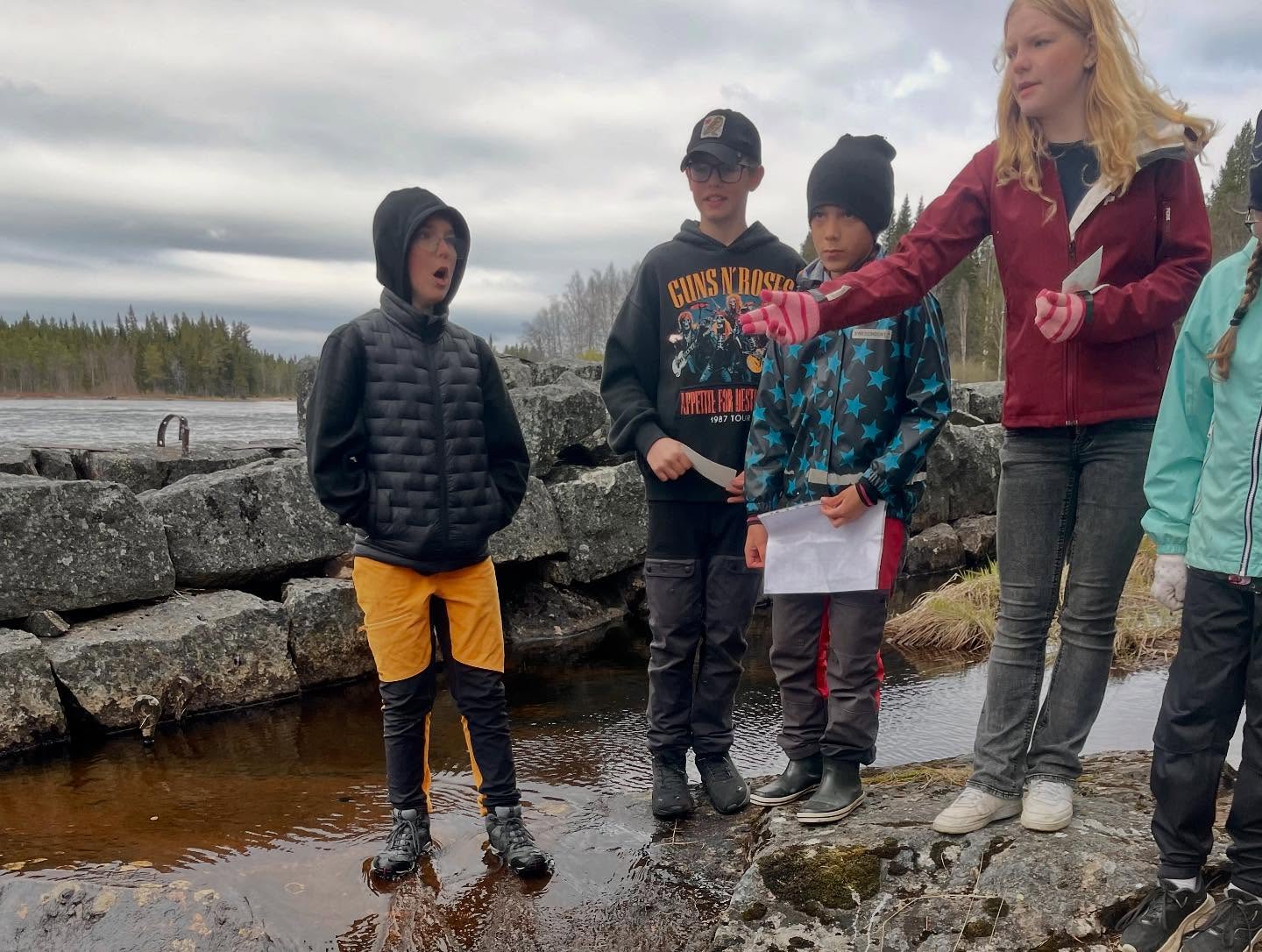
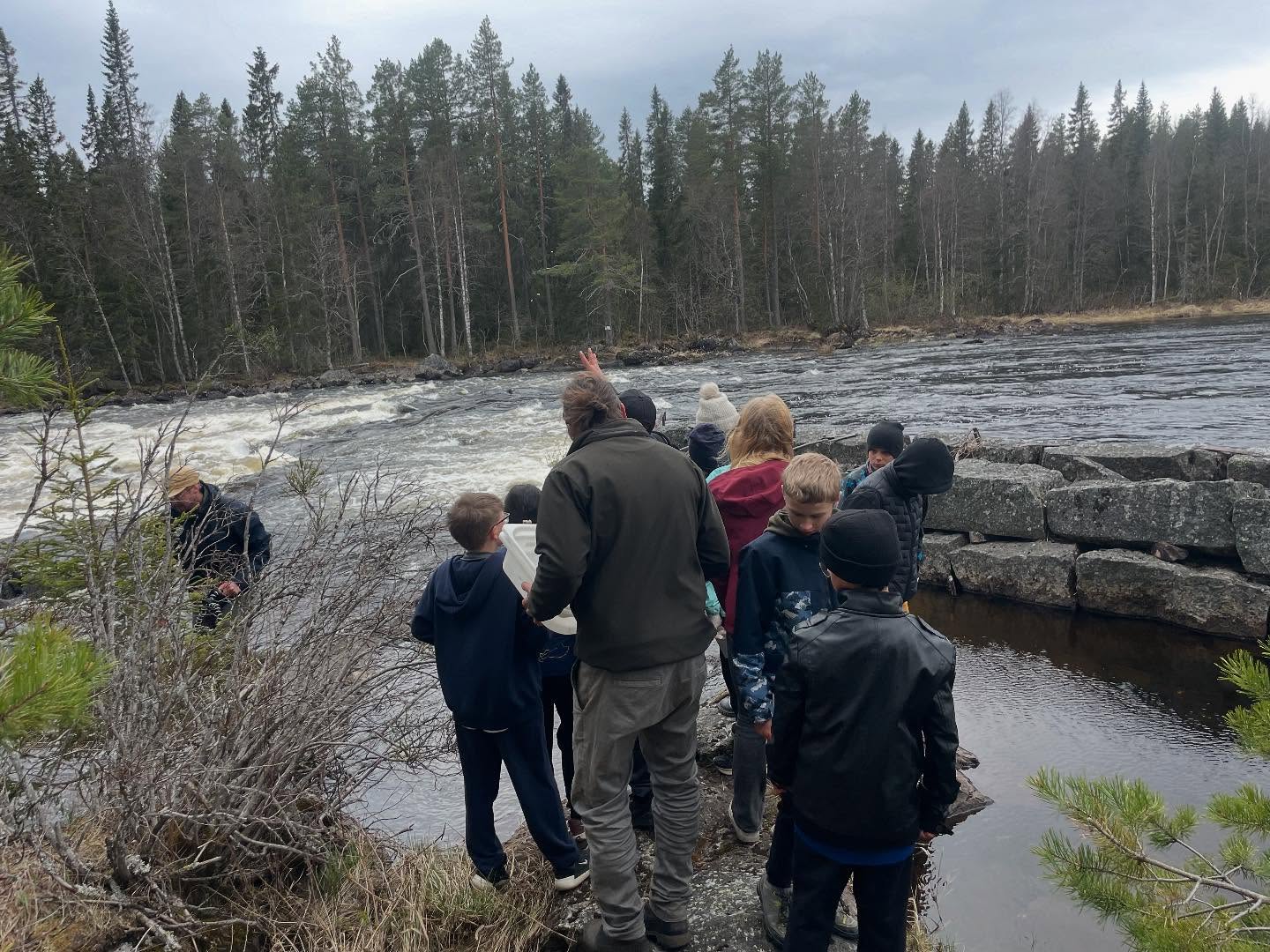
The school and teachers of 4 classes (60 kids) planned together with us and the biologists a week dedicated to the river in May 2025. In this week we held workshops making tiny sculptures of river clay for the spawning fish together, the children studied river eco systems, the history of rafting in the river, and the life and family making of the trout and other fish. On the last day we went out to Ammerån, and placed the Lekgrus in the river bed.  The biologists from eco streams for life showed us a suitable place, and presented their work with restauration of the river.  For every tiny sculpture that was lowered into the water, a greeting from the young artist to the young fish was written and drawn with watercolor. Many of them was wishing the young fish good luck, and many wished to catch and eat the fish once it was grown up. Which would be about the same time as the human kids would be young adults. Given, of course, that Ammerån still runs healthy and alive between Solbergsvattnet and Indalsälven then.

New commons Guest habitat

New commons, Guest habitat

New Commons (Skogen, Kultivator, Ställbergs Gruva/Folkets Hus)

In the New Commons project, concrete examples and suggestions are implemented, built and organized on how cultural actors can develop new commons, organize resource sharing and drive processes for increased local resilience. Ställbergs Gruva is involved in developing a cultural center organized jointly with the associations and the municipality of Kopparberg. In Gothenburg and Mariestad, Skogen is practically and theoretically experimenting with sharing systems and new models and methods. Kultivator on Öland is creating a residence and village-wide meeting place that enables hosting based on local organization and local resources.

more info here.

Letters to the Future Grasslands

Letters to the Future Grasslands

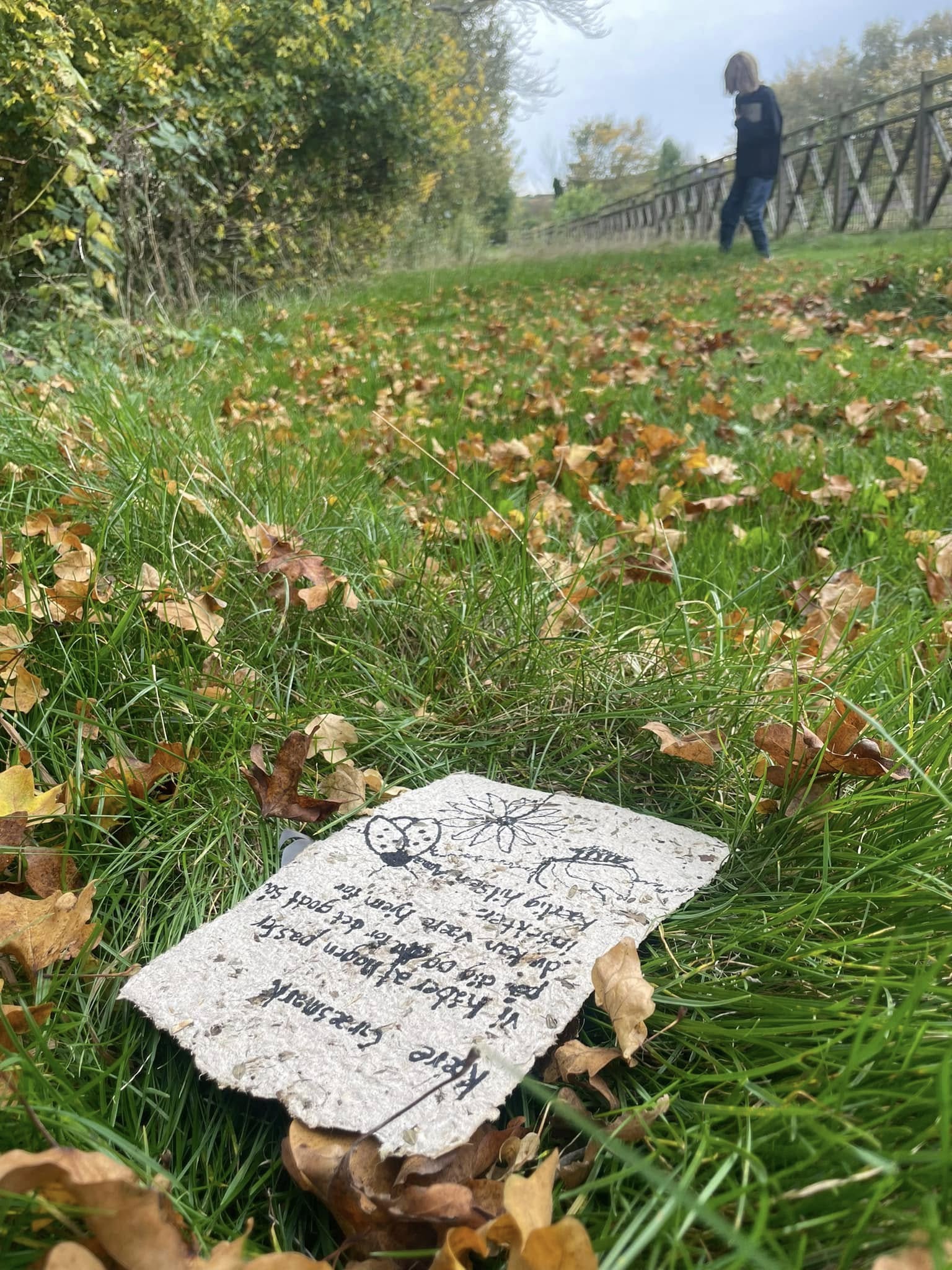
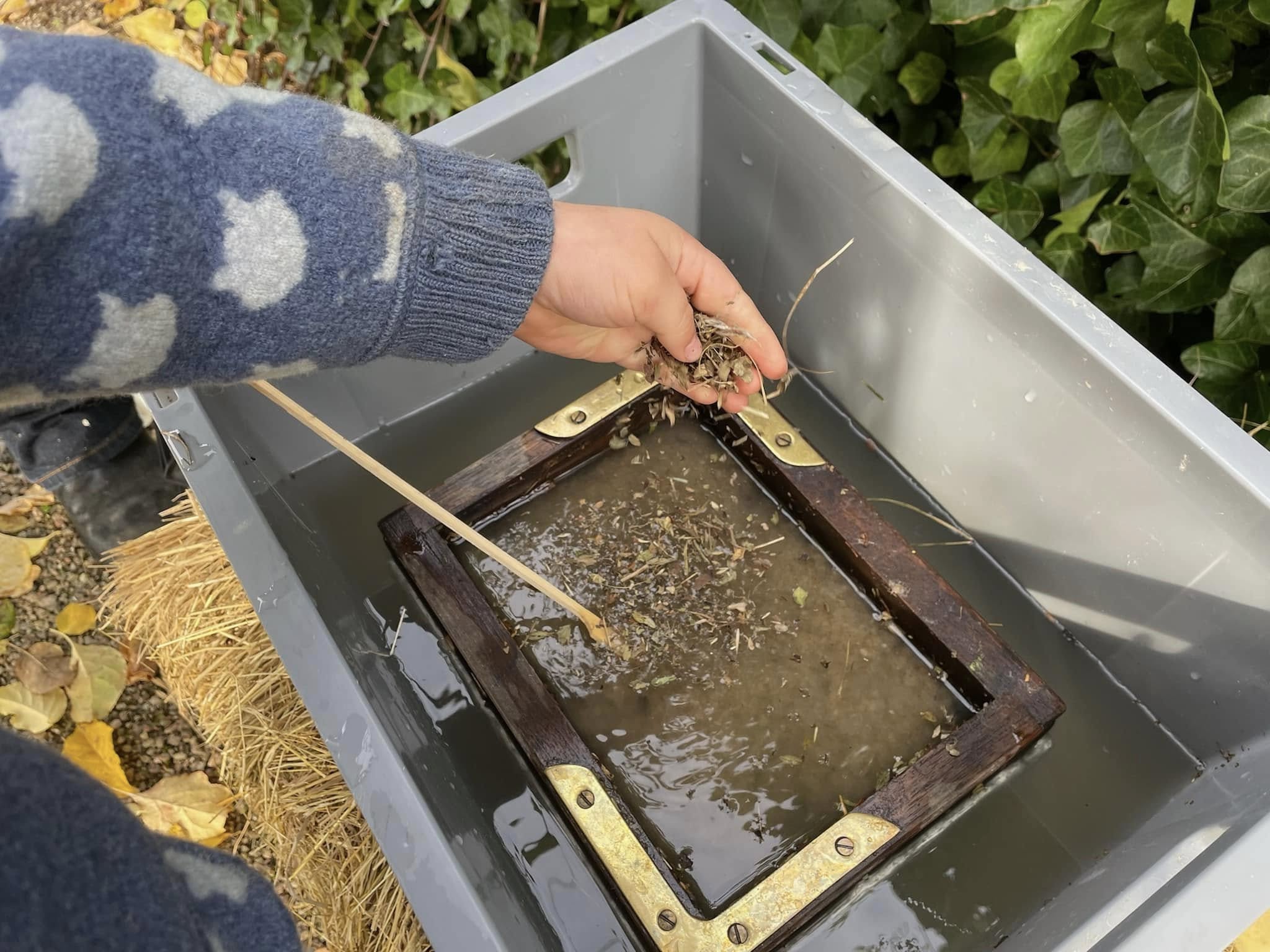
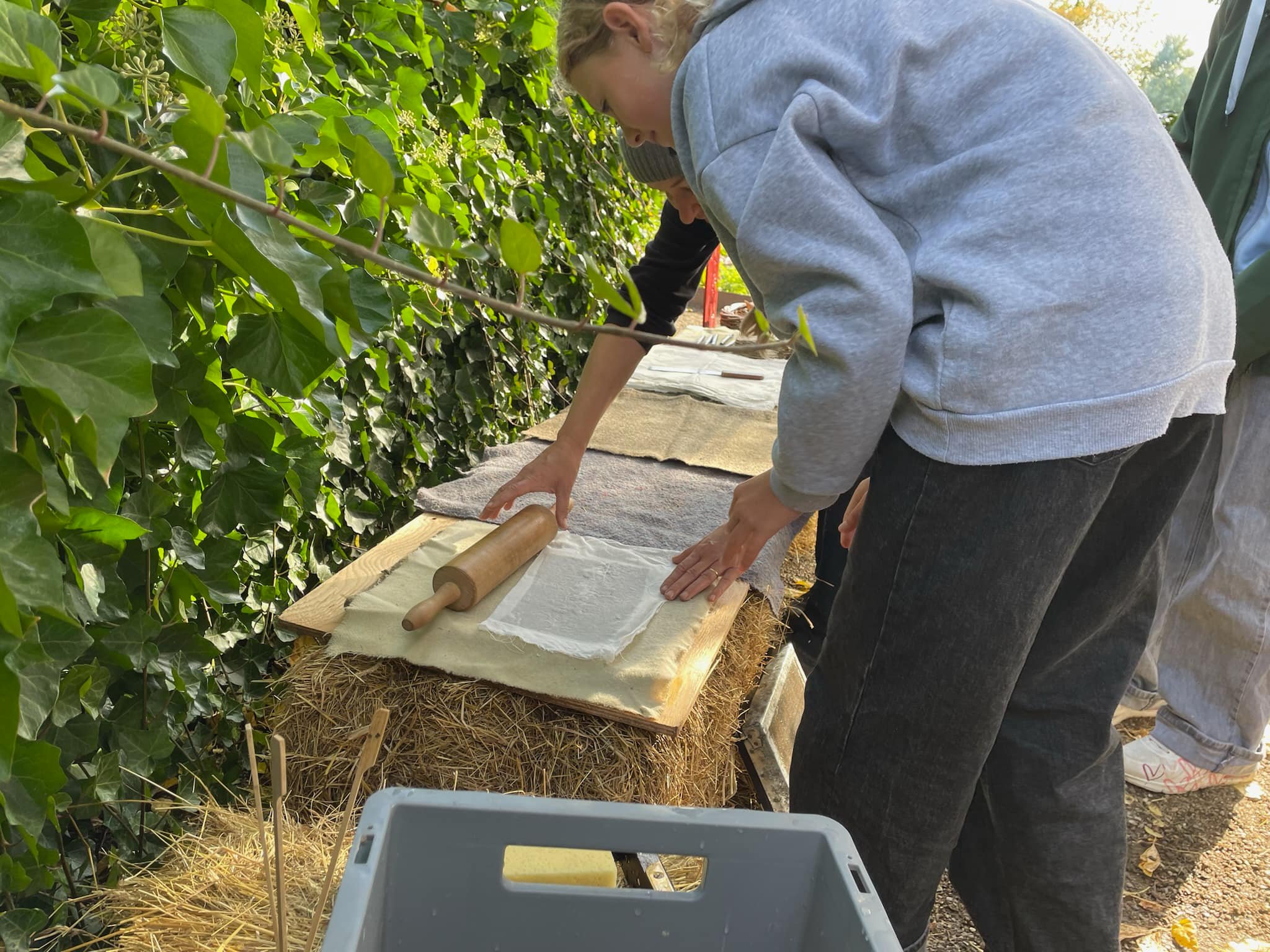
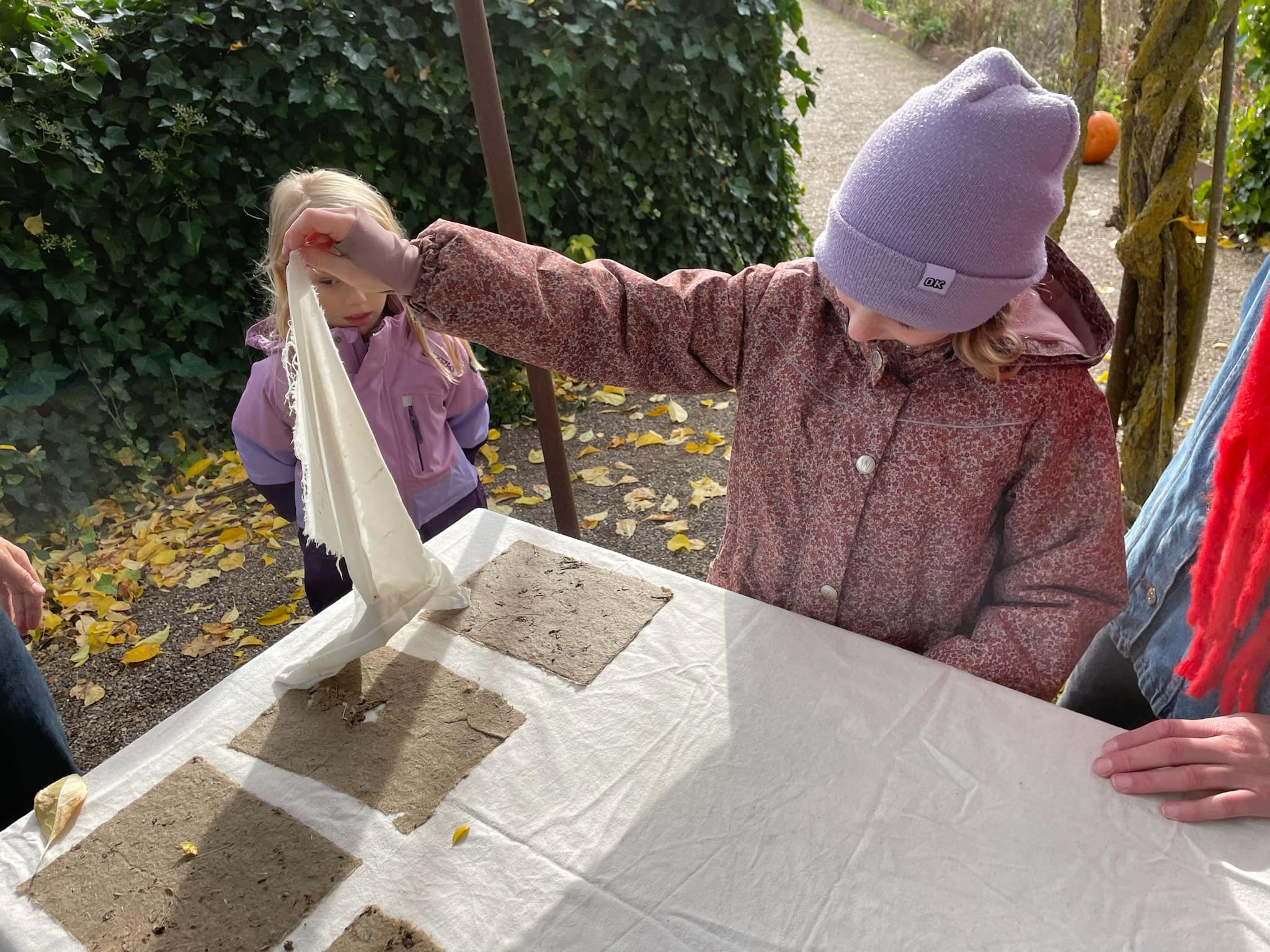
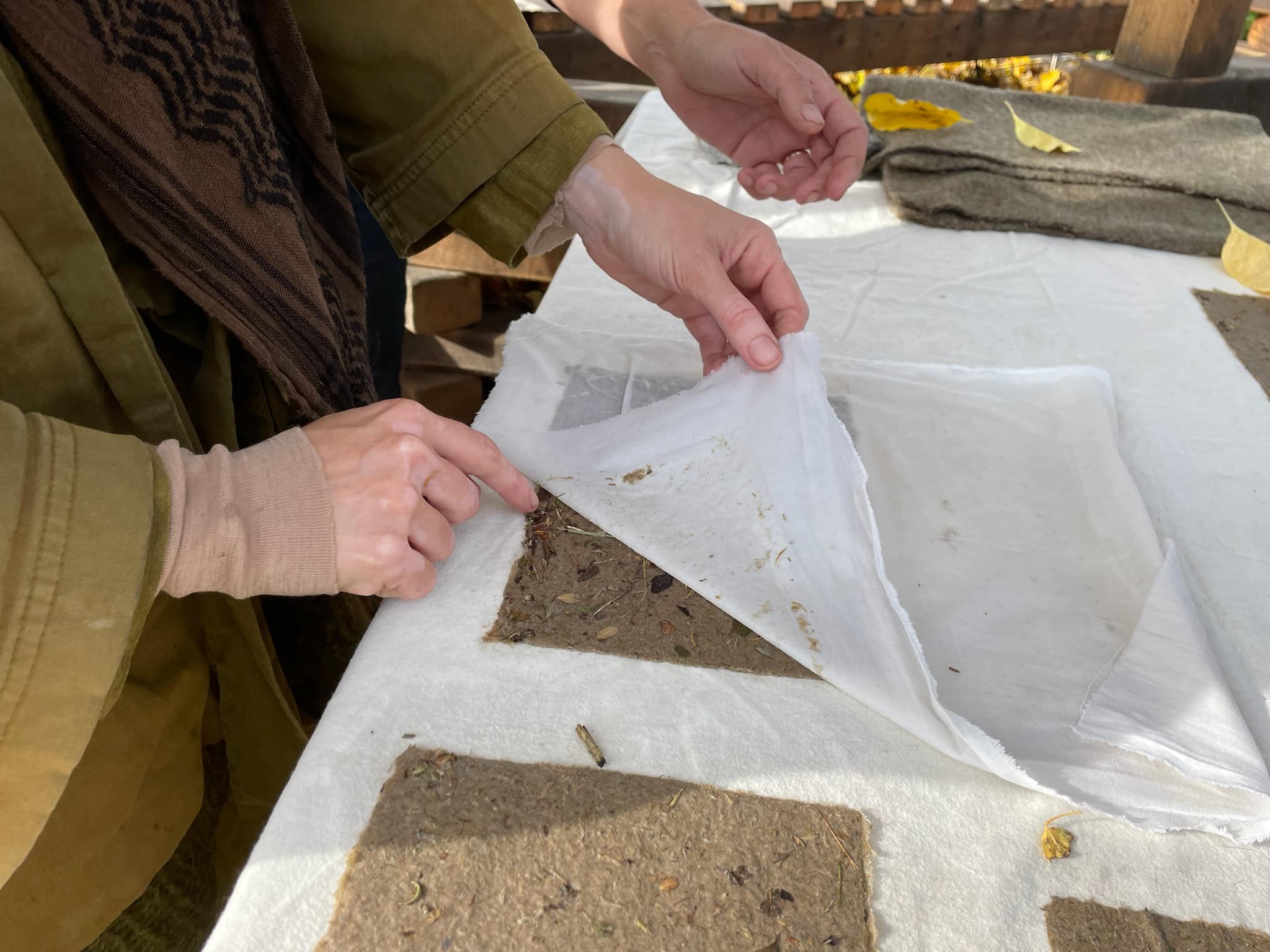
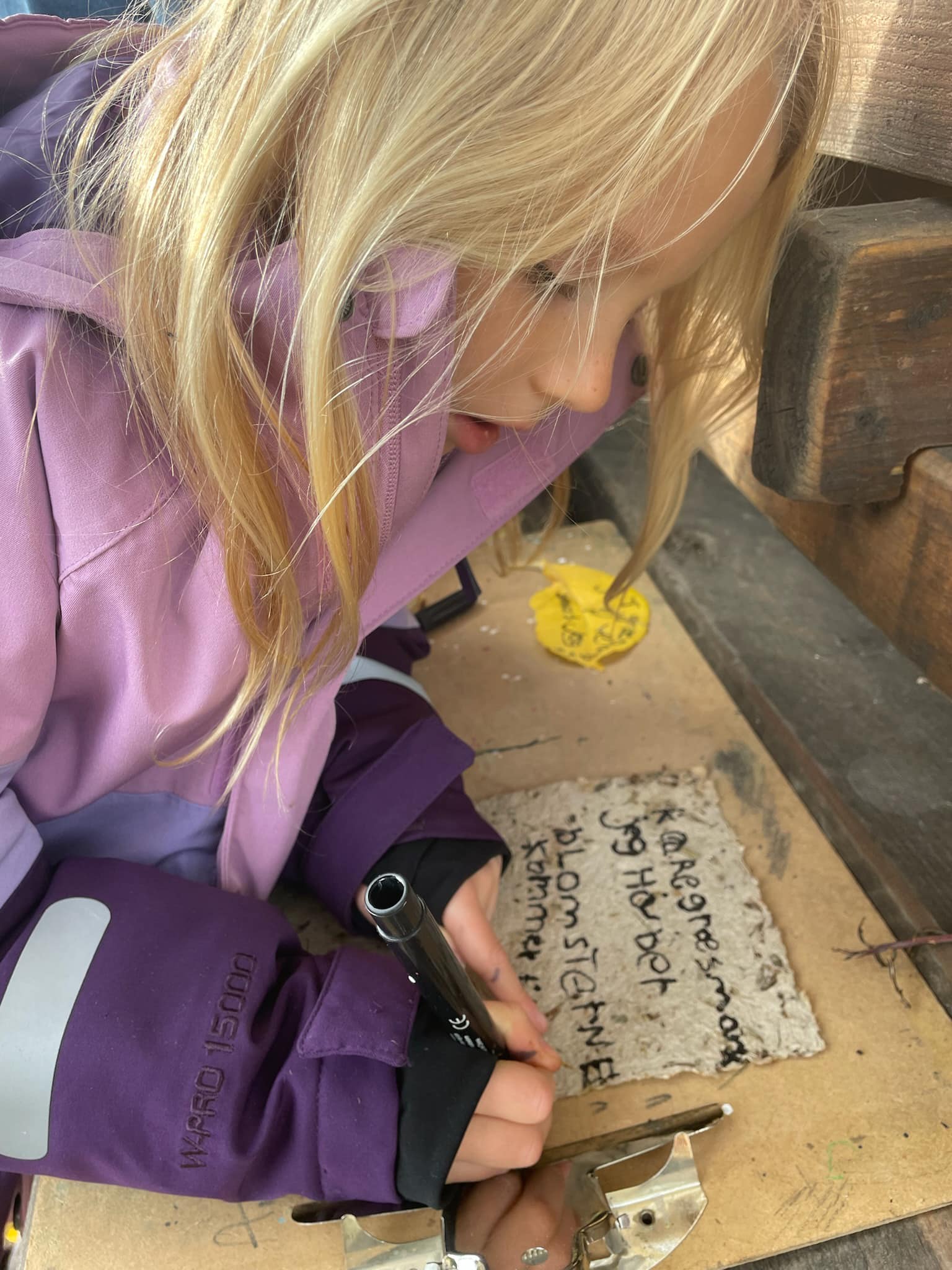
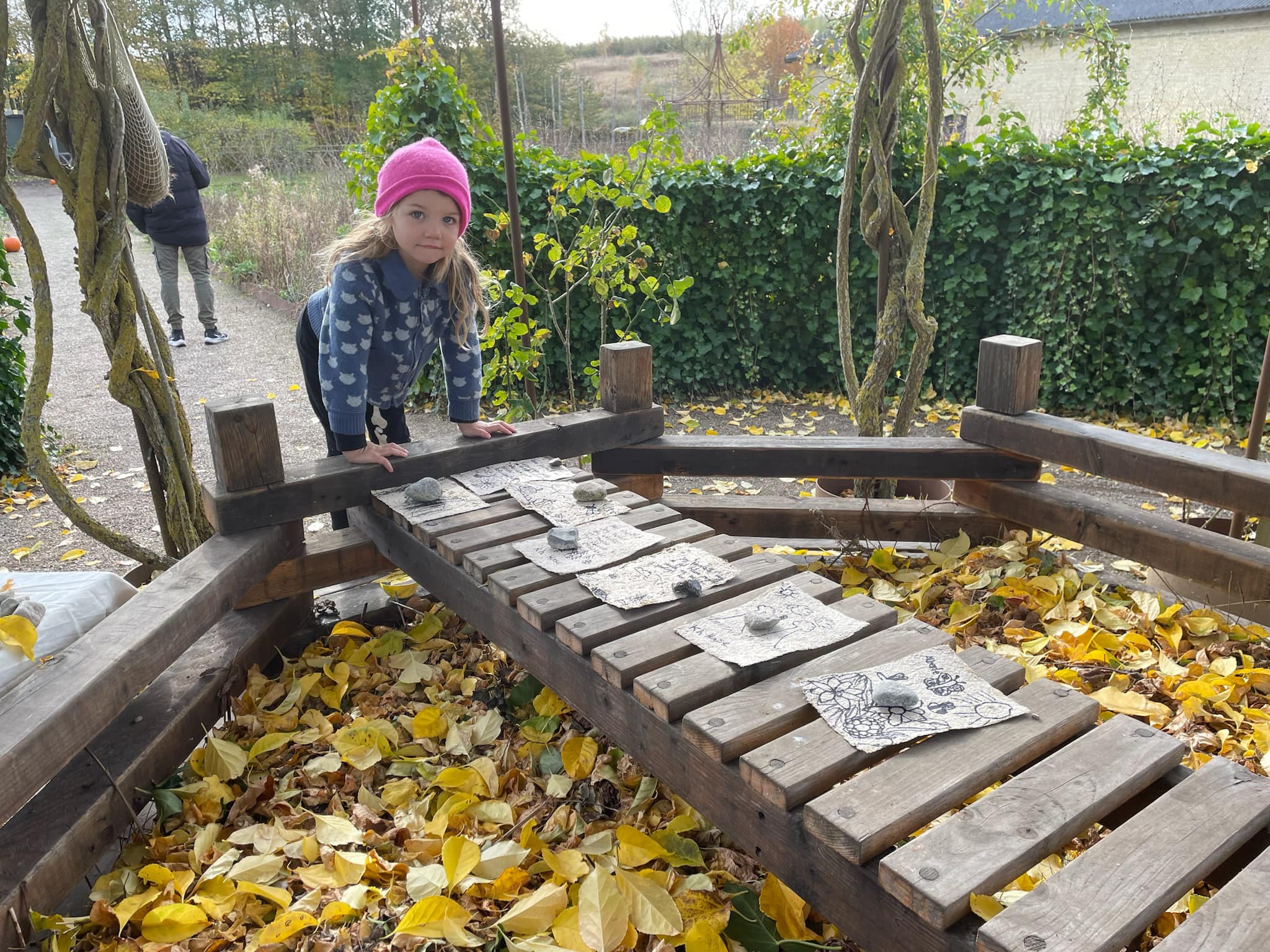
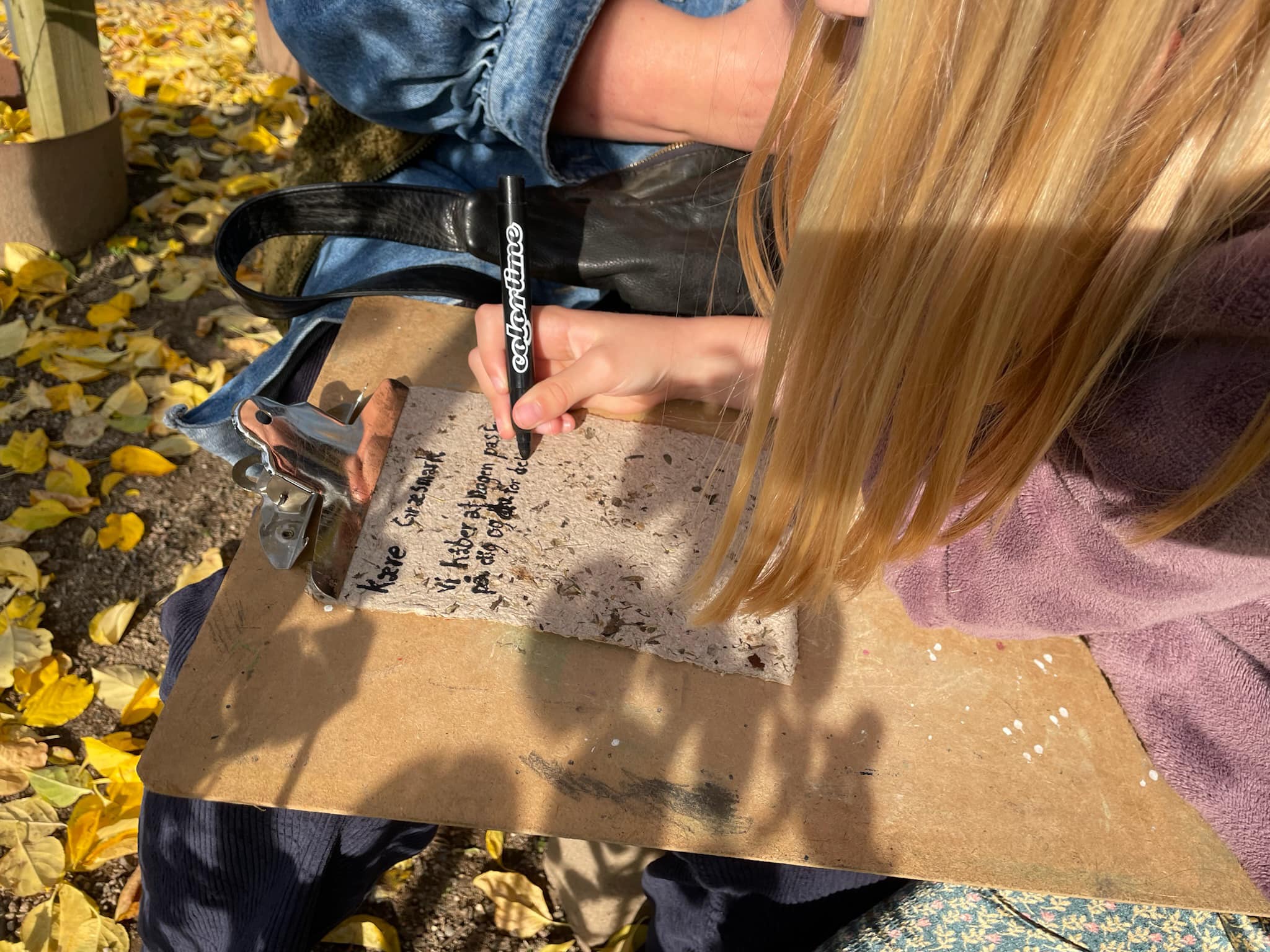
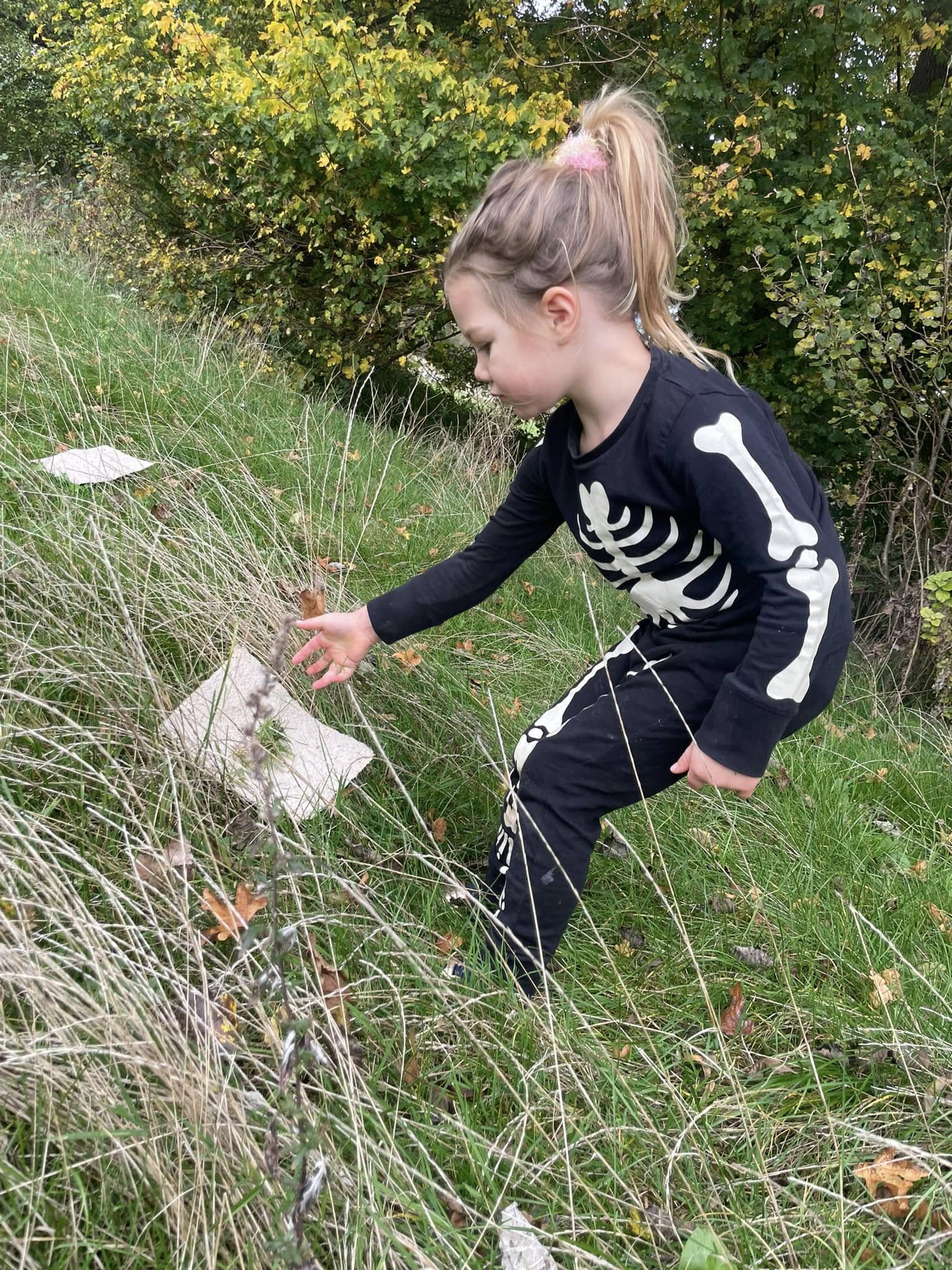
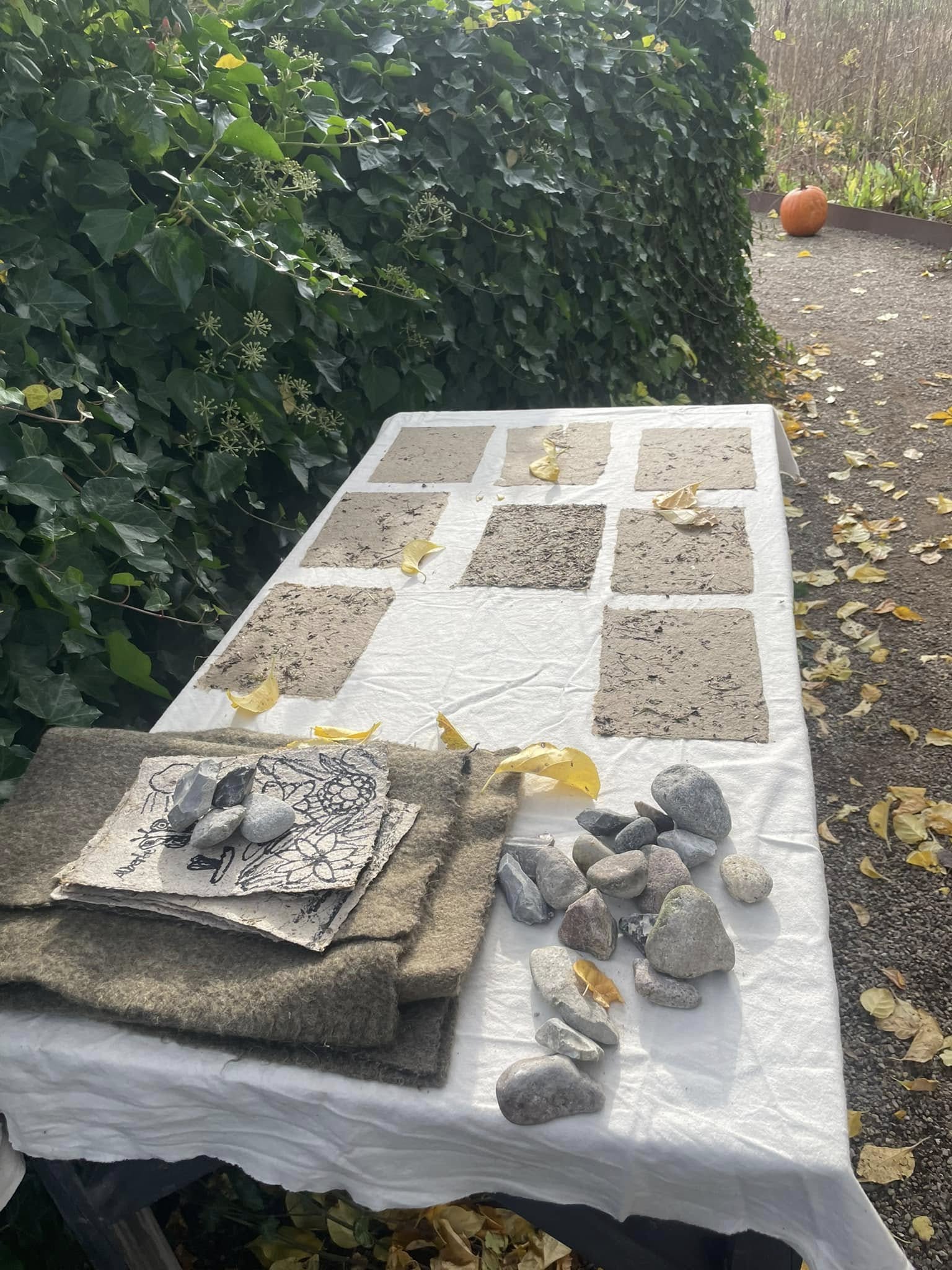
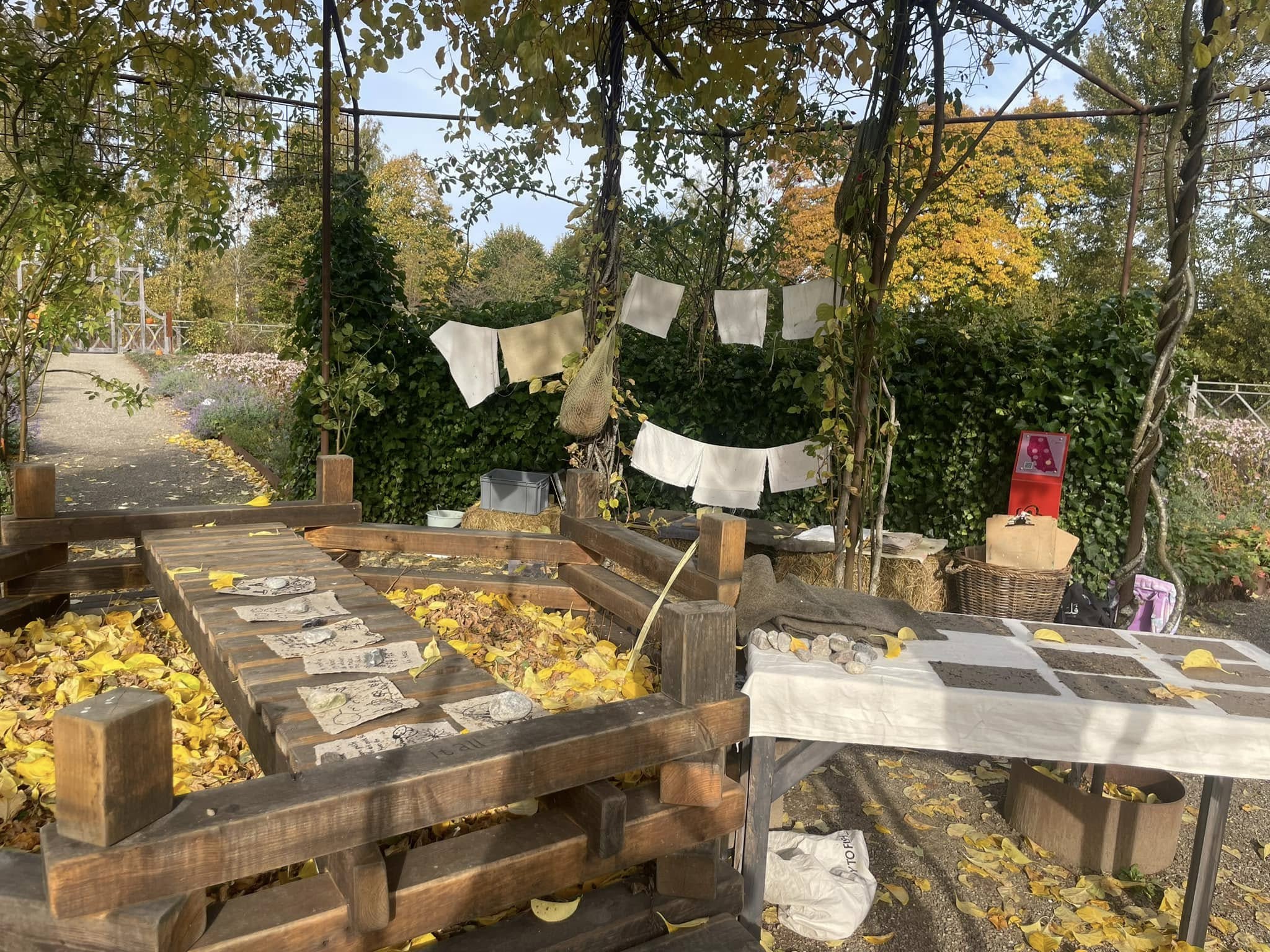
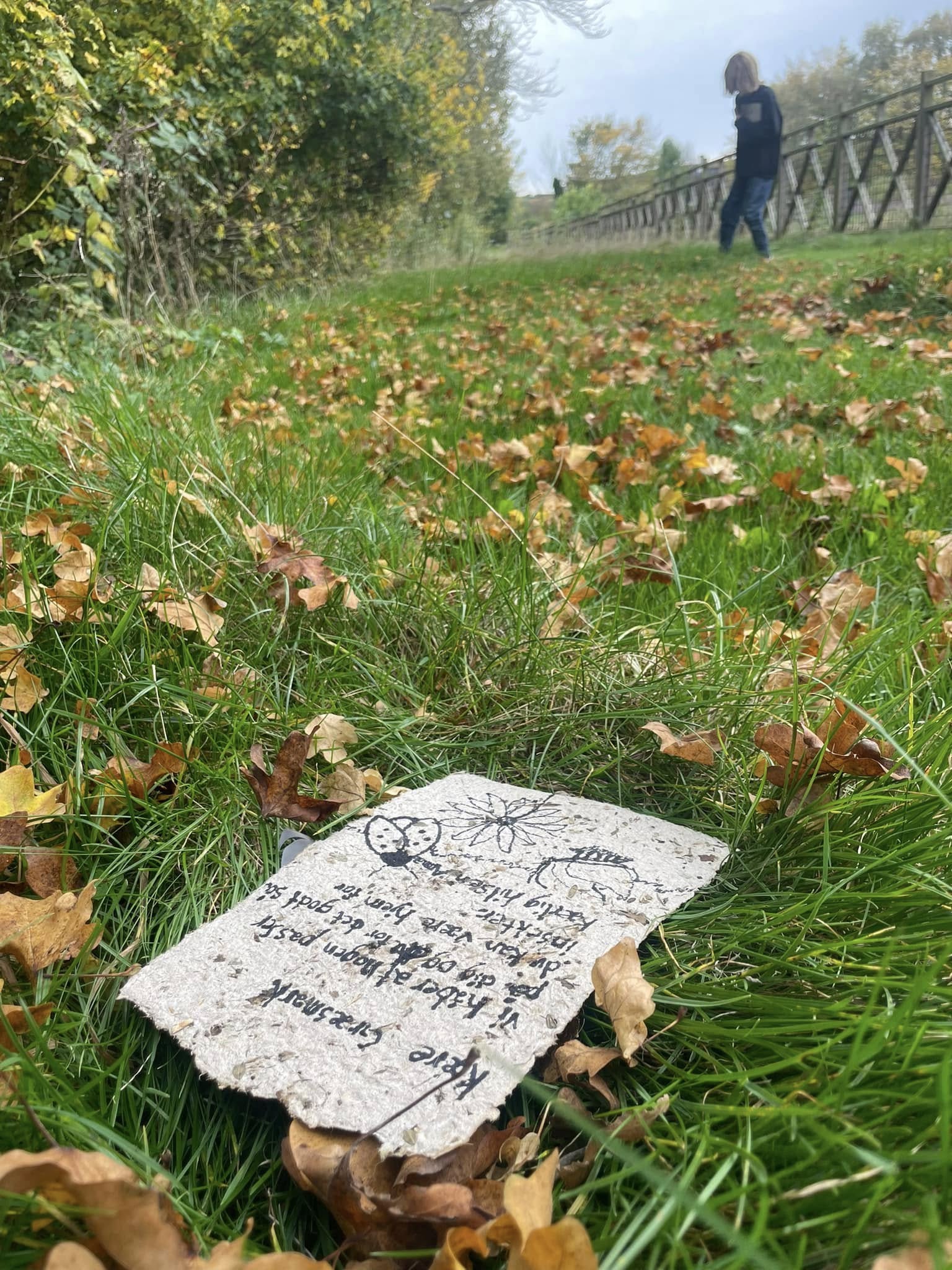
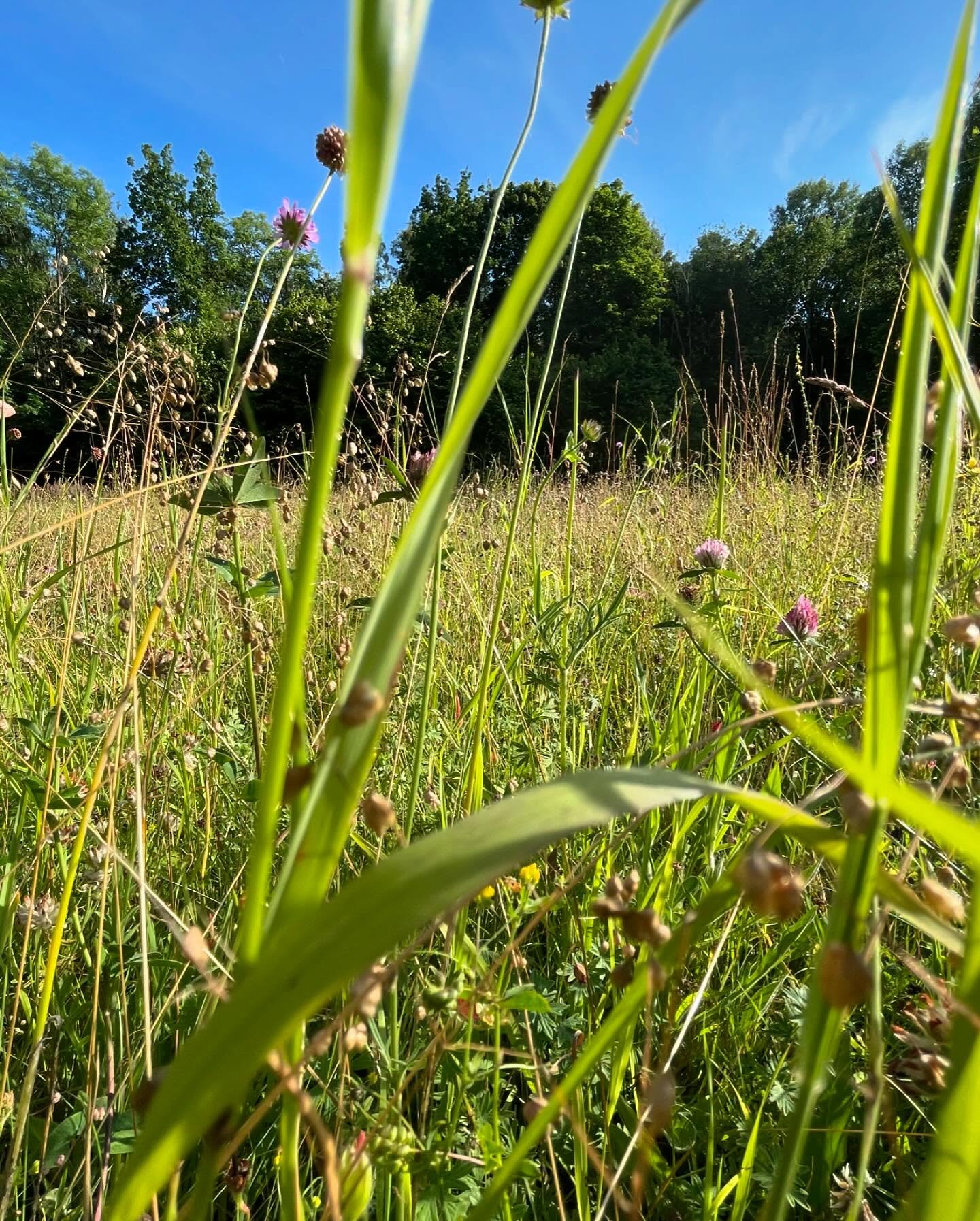
With some of the collected droppings from the horses taking part in the interventions with the artwork during the summer, the artists will prepare a paper pulp. In this, the collected seeds for the future grasslands will be mixed. In the workshop, school children will use it to make letters to the future Grasslands, together with Kultivator, with drawings and writings from the children.  The letters will be brought to the Future Grasslands and buried/installed in the ground.