
Future grasslands
Kultivator – proposal for HEST!
For the exhibition HEST! at Ronnebaeksholm konsthall, Kultivator proposes an intervention experimenting with interspecies collaboration and exchange of knowledge. The artwork in three parts encompasses and invites horse-human-soil-plant entanglements adding to the overall ecosystem of the place (and of our ways of being together..) In the research of herbs – grass – horse interactions, Kultivator found a study made in the post-nuclear disaster zones of Chernobyl, where herds of the Pzerwalski horse (the last wild horse species) are roaming free. The study is listing the plant preferences of horses that are choosing their diet, (literally in no-mans-land) instead of being served by humans. The artwork is inspired by this scientific observation of a pre-historic horse in a post-apocalyptic landscape, and positions the self-governed taste of the Chernobyl horses as an autonomous nutritional practice and culture, informing three interconnected works: 1. Horse Self-medicating Garden, 2. Future Grasslands, and 3. Regeneration centerpiece.
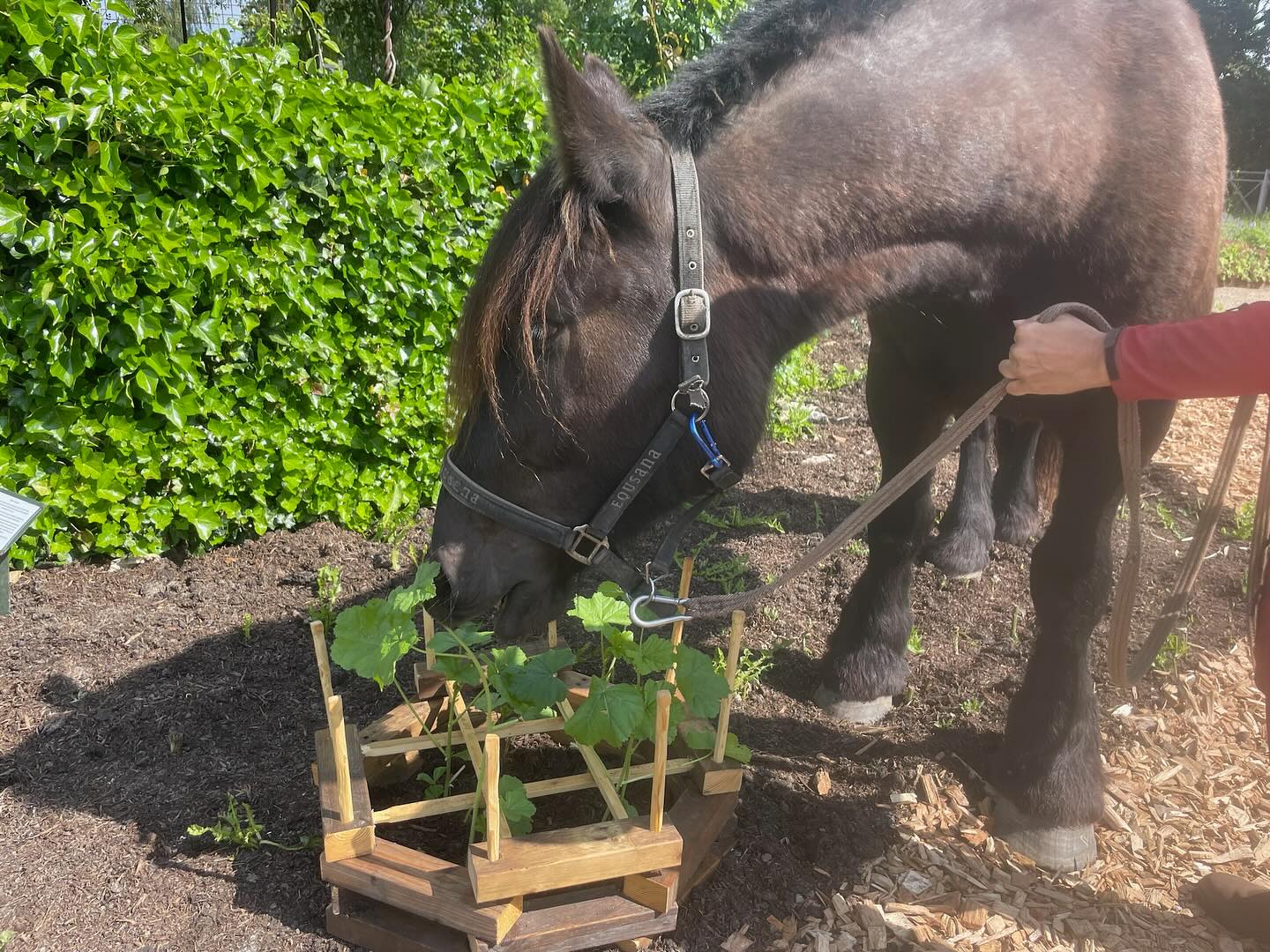
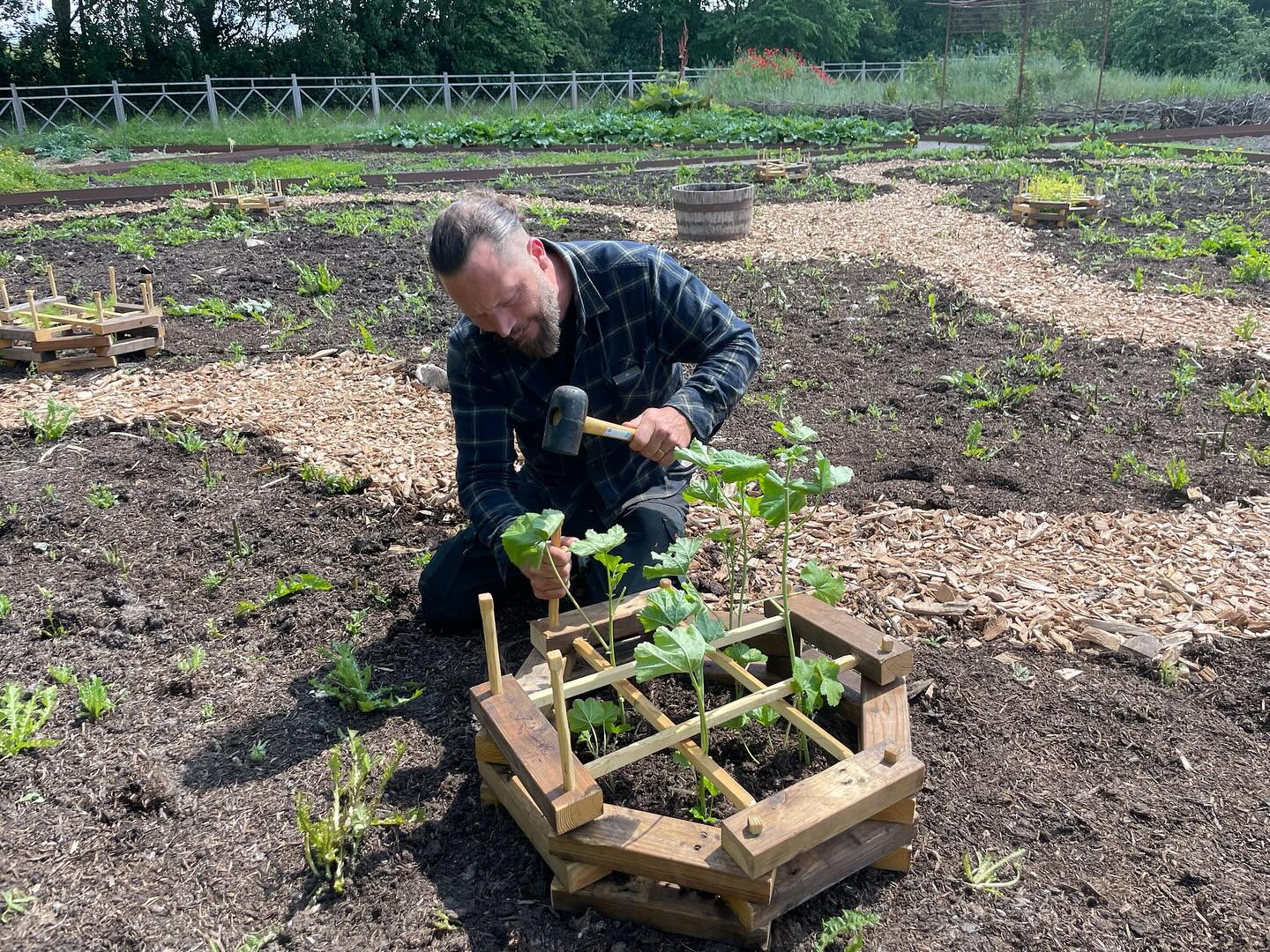
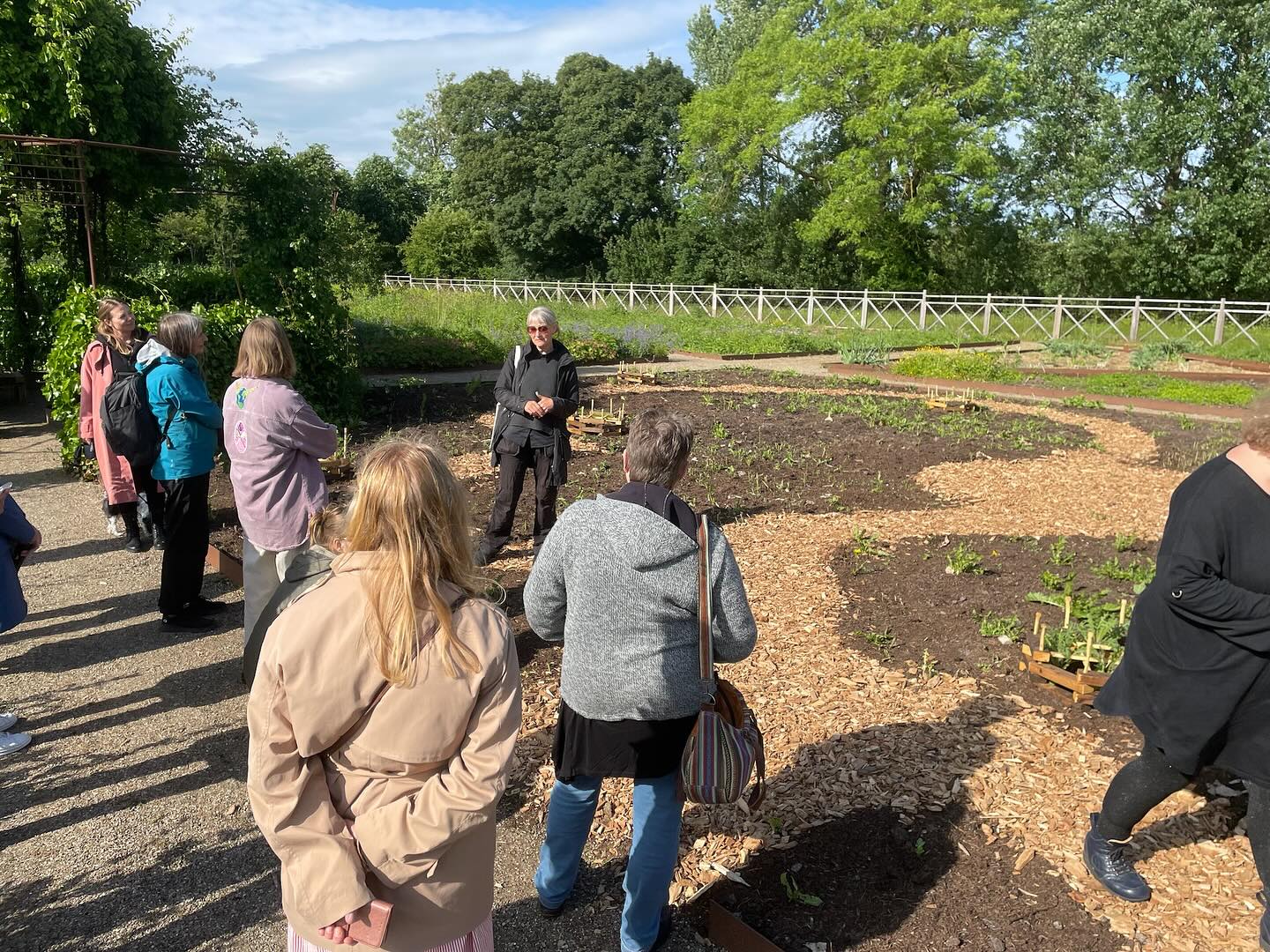
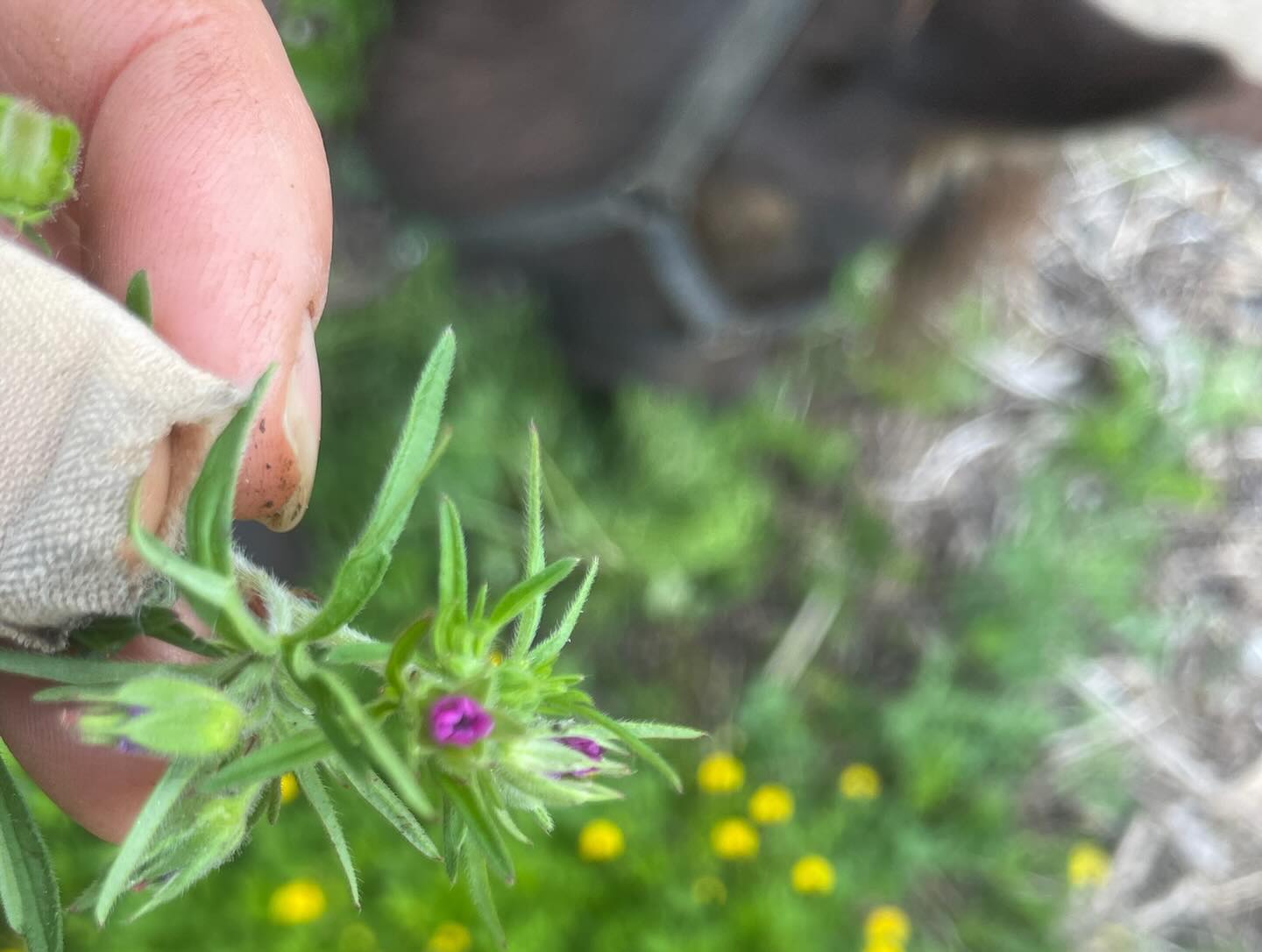
- The Horse Self – medicating Garden is an invitation for horses and their human companions to smell, taste and observe together, taking a walk along a path framed by plants with medicinal properties (for both species). The medicinal properties are identified in human scientific or/and other belief-systems, with short summaries written on the wooden plant shelters. For the visiting horses, the information of the remedies are presented by the plants themselves: by smell, taste, shape and colors, probably and possibly corresponding with both evolutionary memory and personal experience for each individual. The joint walk passing these different displays of information, with freedom for both to select which plants to consume, offers a way for the walking companions to learn more about the desires and needs of each other. The Horse self-medicating garden acknowledge Horse experience and ability to make choices, and was inaugurated in June 2024.
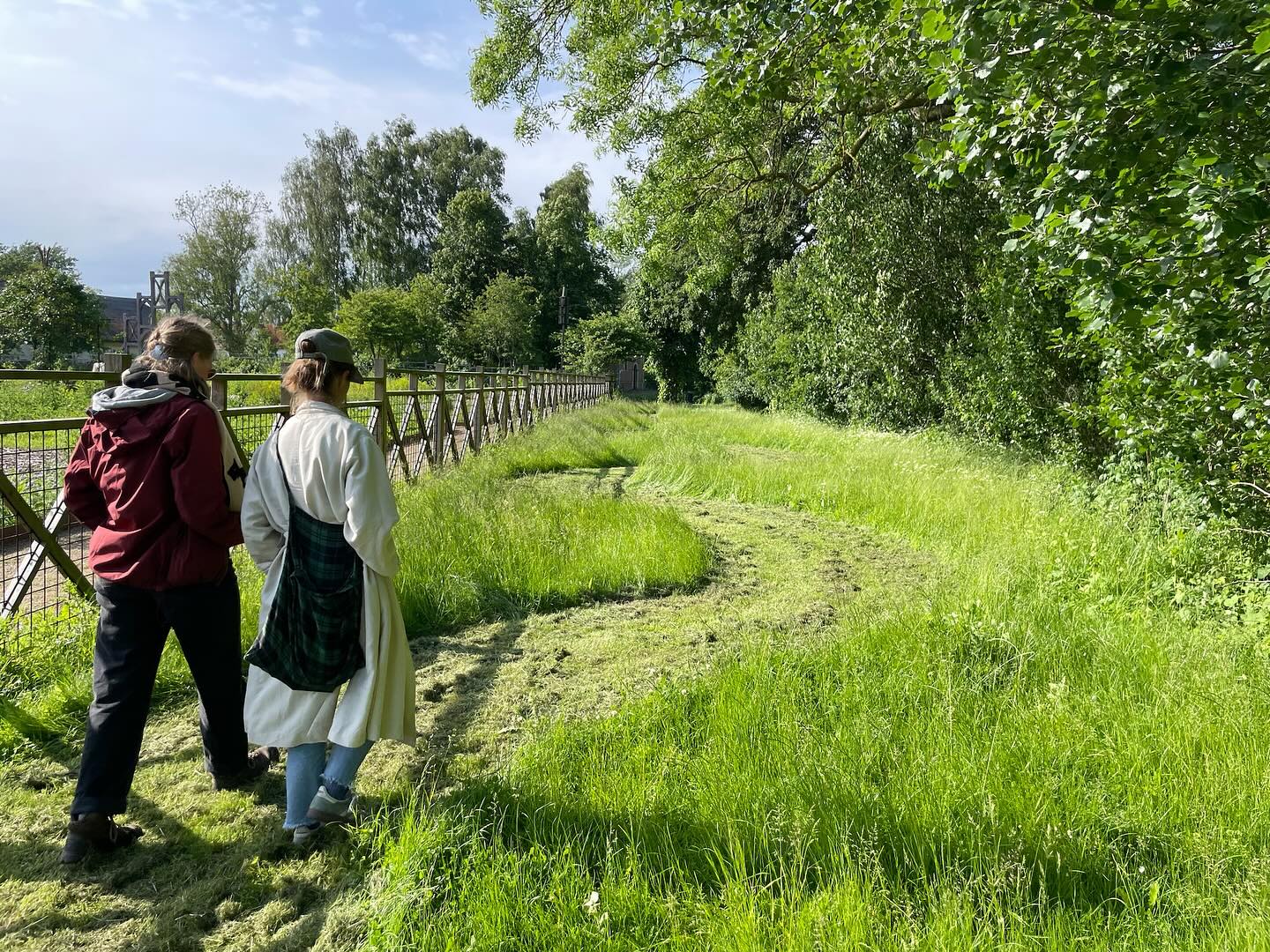
- Future Grasslands is a small patch of land near the garden. Here a slow transformation from present monoculture lawn towards future biodiverse grassland is initiated by Kultivator and gardener Sara Gade. The grass that grows there will is cut and moved to create space for the species noted in the study of Pzerwalskis horses in the Chernobyl exception zone. Through the summer of 2024, seeds have been collected in meadows on Öland that correspond with the study. The seeds were then used in a workshop in October making seed-paper sheets as letters to the future grasslands, and placed in the patch. The letters will be “read” by the piece of land during the winter, and in the spring to come the herbs and grasses listed by the wild horses will sprout, slowly composing the Future Grasslands.
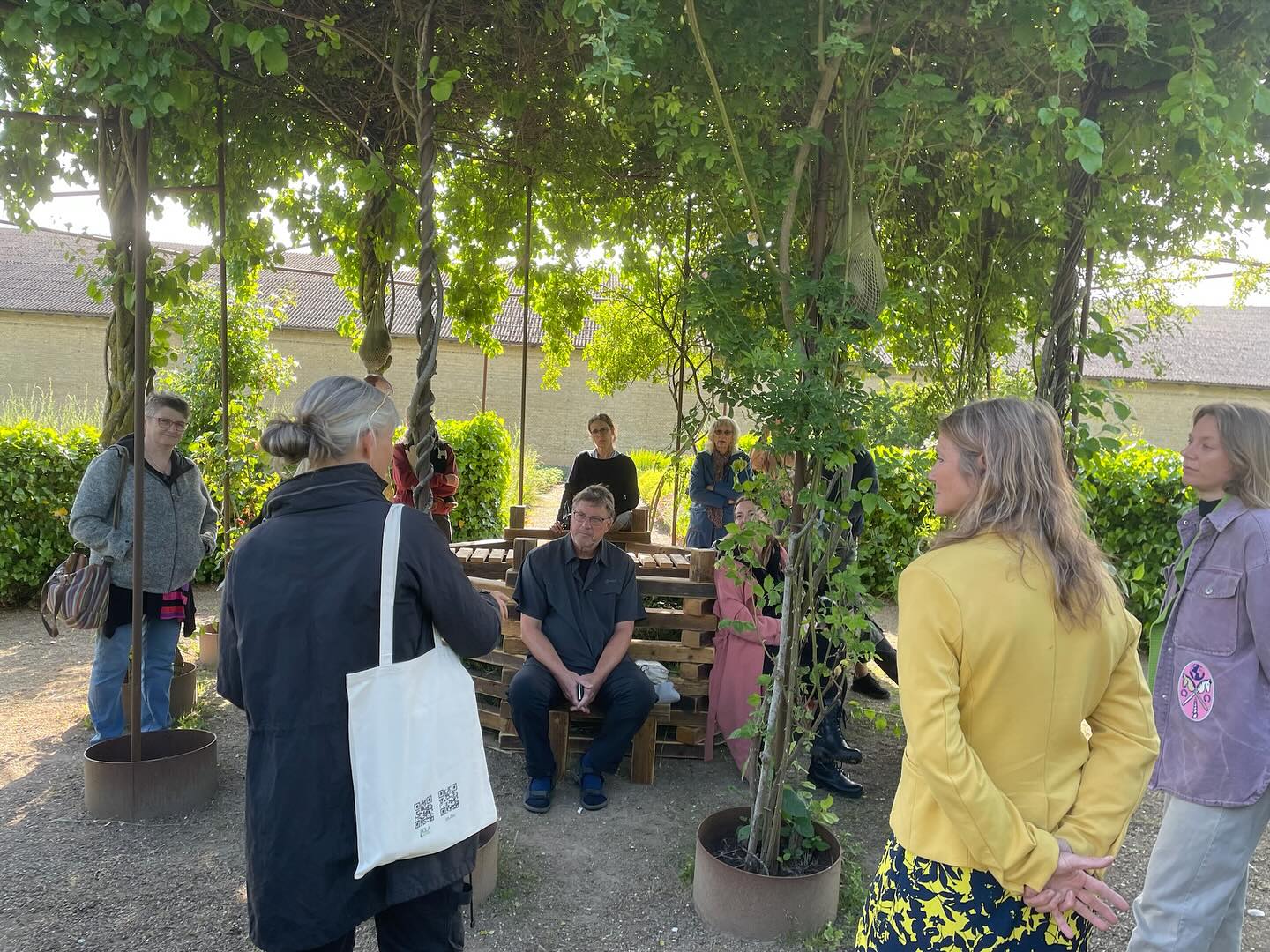
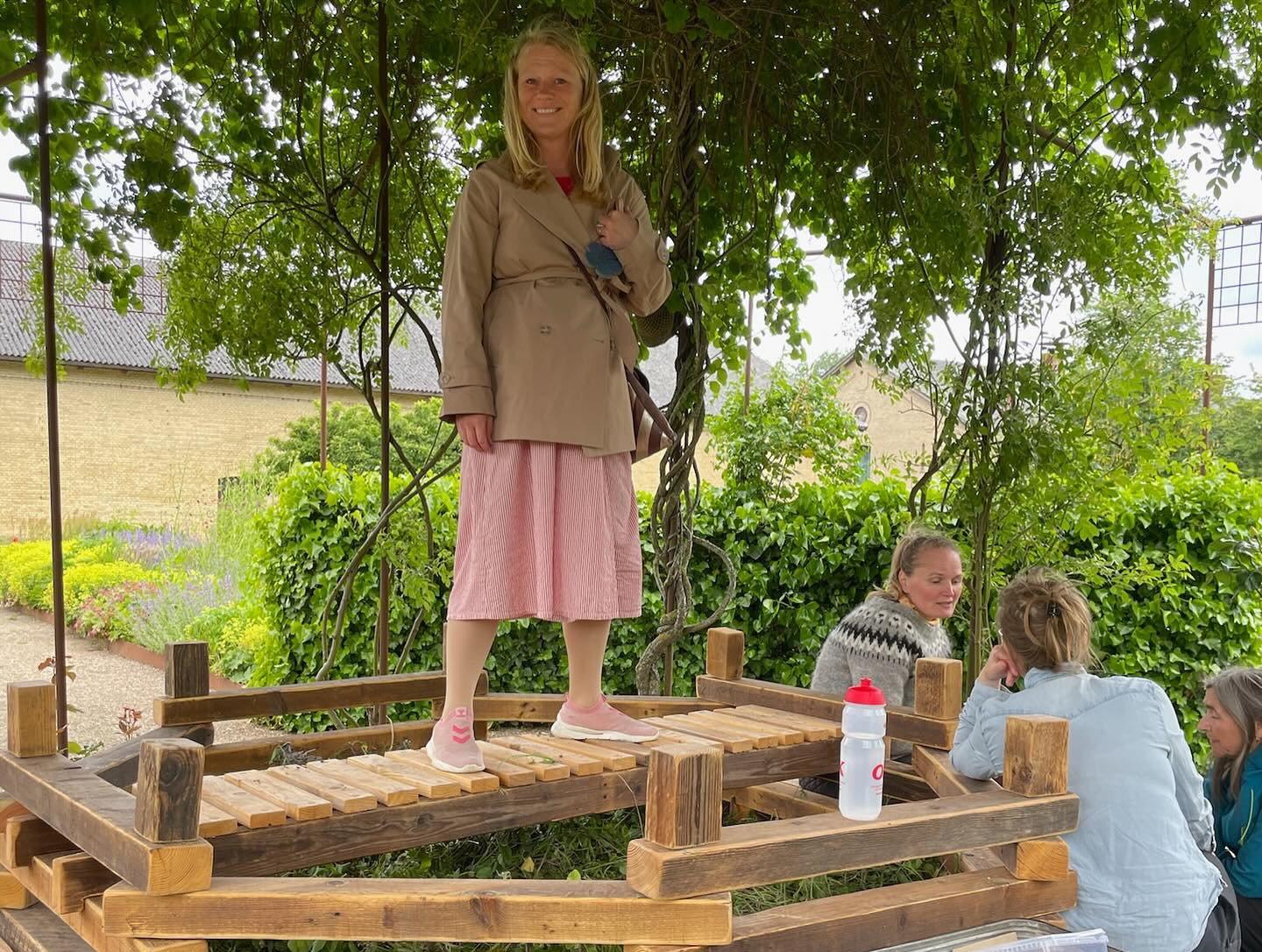
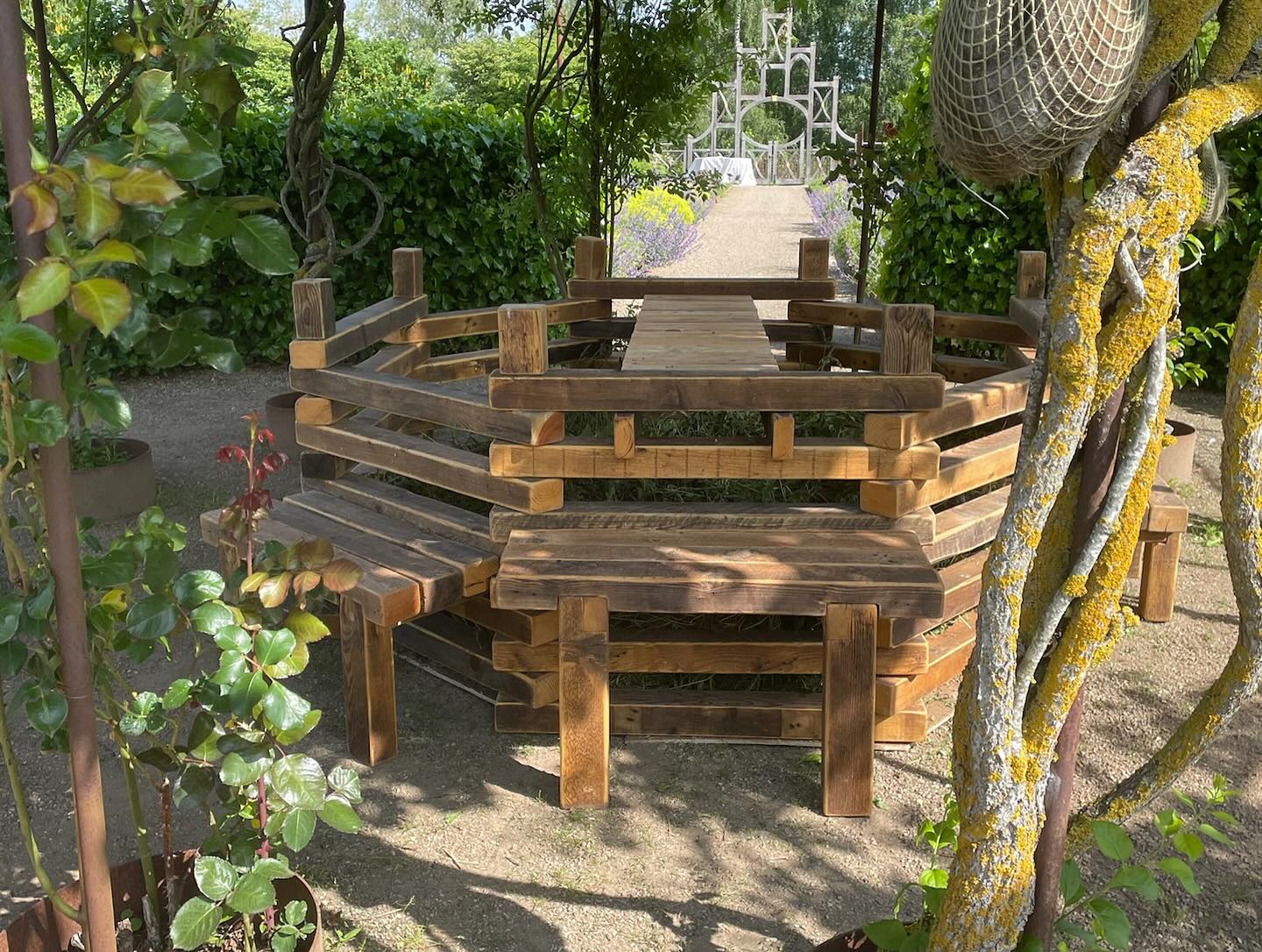
- Regenerative Centerpiece. Is the beginning and the end of all activities in the garden, and therefore stands in the center of it. It invites visitors of the garden to take a rest in the shadow and watch, smell and feel the de-composing and re- generating works of millions of sub visible companions, connecting the different activities of the garden. They are processing manure from the visiting horses, decomposing grass from the Future Grasslands patch and arranging other garden left overs into new life supporting matter, which will return to and nurture the cultivations in Horse Self-medicating garden. The structure that supports the work began as trunks of trees, cut down to be pallets, and then re purposed by Kultivator as building elements for the walls and benches of the Regenerative Centerpiece.