Carried by rivers held by lands

Carried by rivers, held by lands
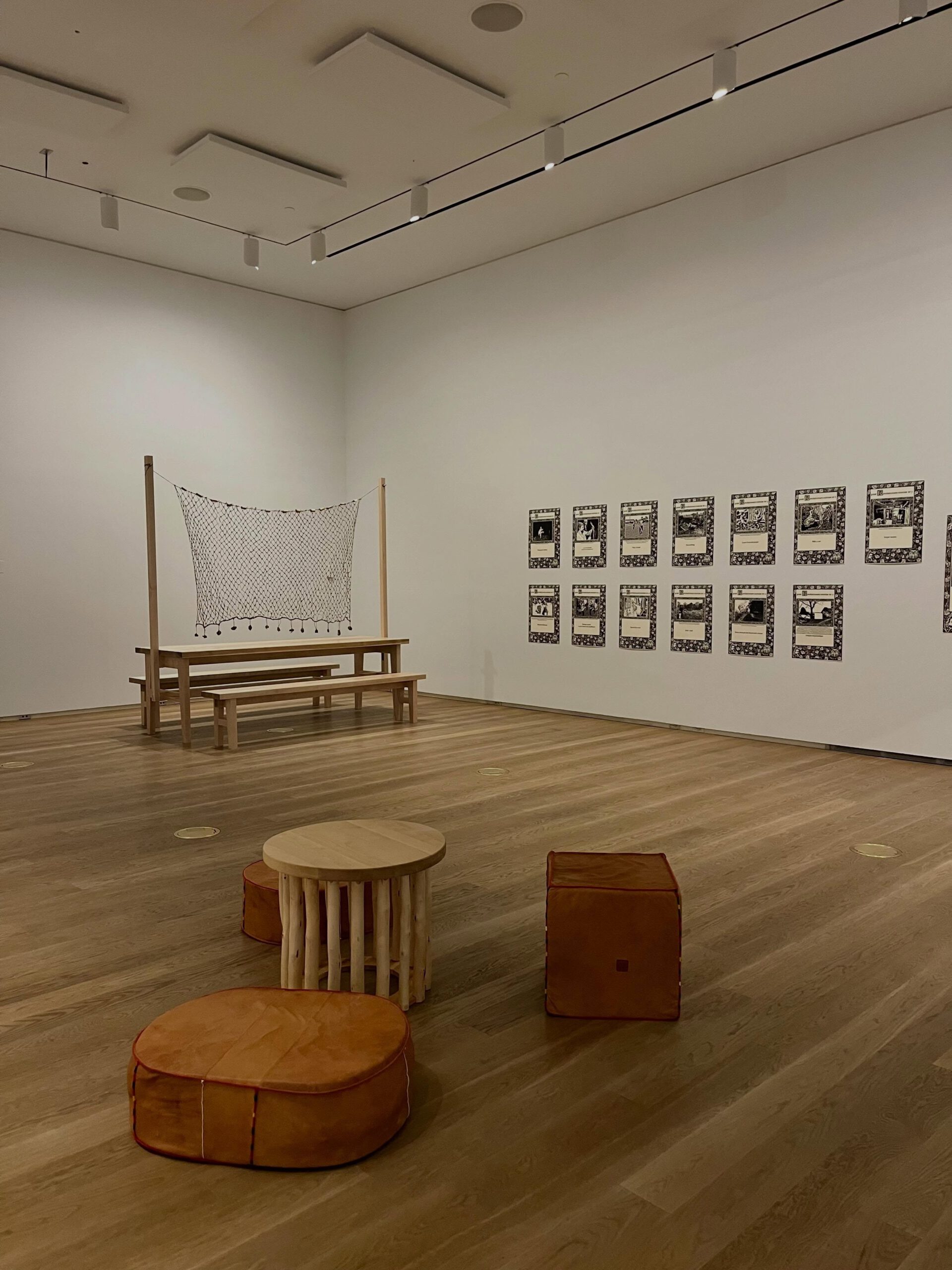
a group exhibition at Remai modern that gathers a set of artist projects developed through exchanges, gatherings, and site-responsive processes that continue beyond the gallery. Moving between river and oceanic contexts, the works attend to the flows that sustain and unsettle life—ecological, cultural, and economic.
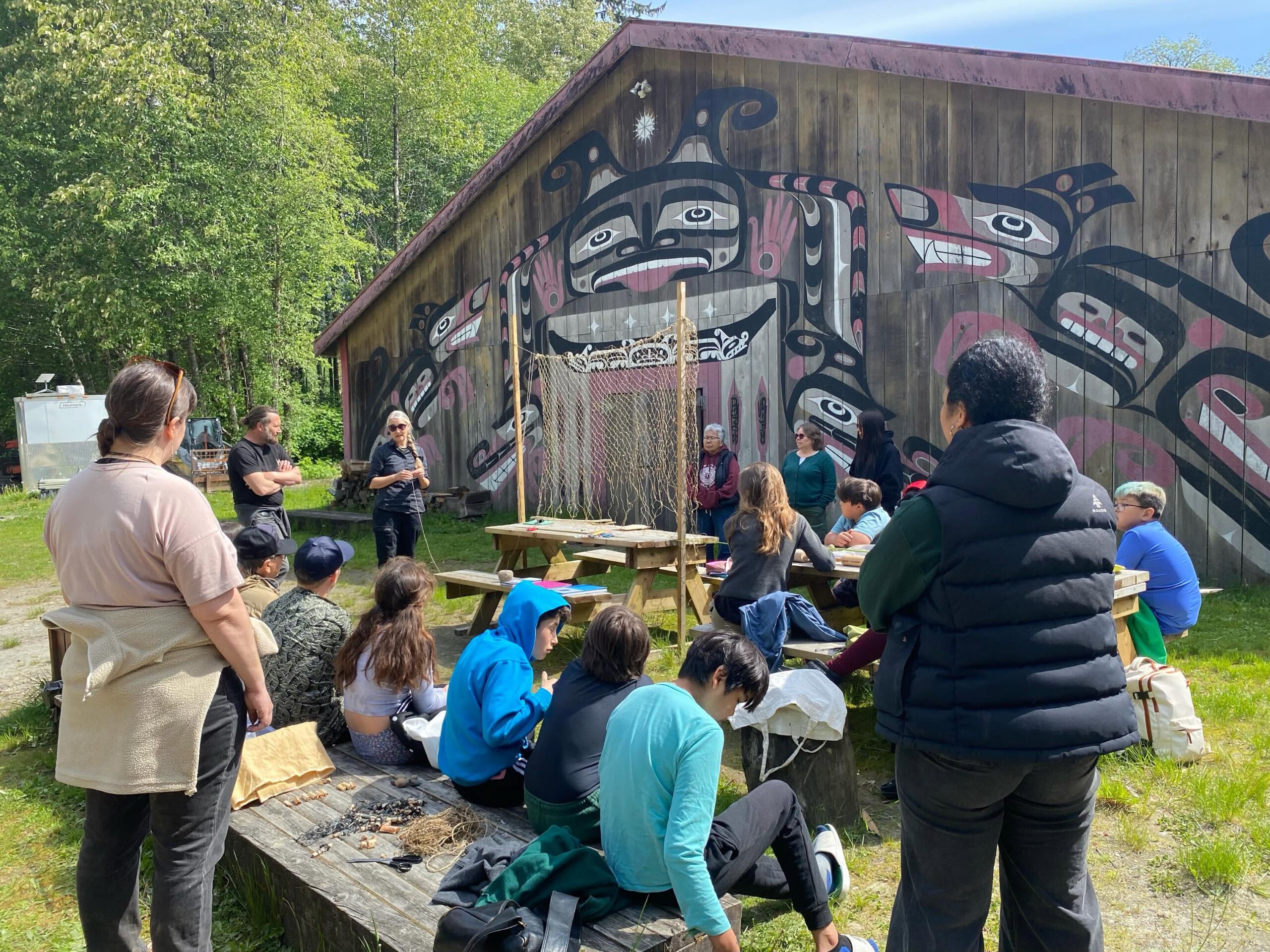
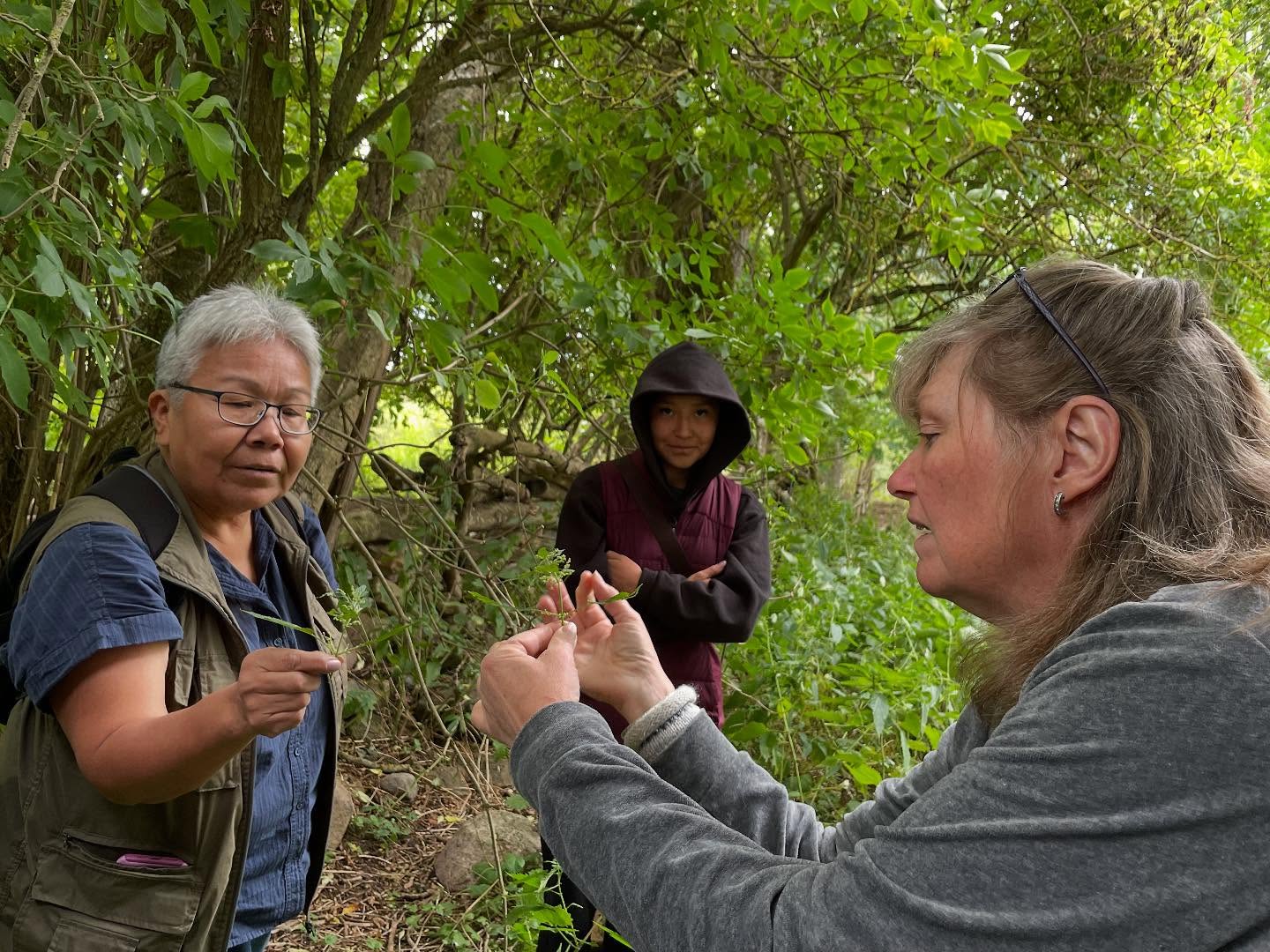
Exchanges between Kultivator and Marianne Nicolson with the Musga̱maḵw Dzawada̱ʼenux̱w First Nation centre the rematriation of knowledge connected to stinging nettle and oolichan fishing.
 

Felt notes

Felt notes

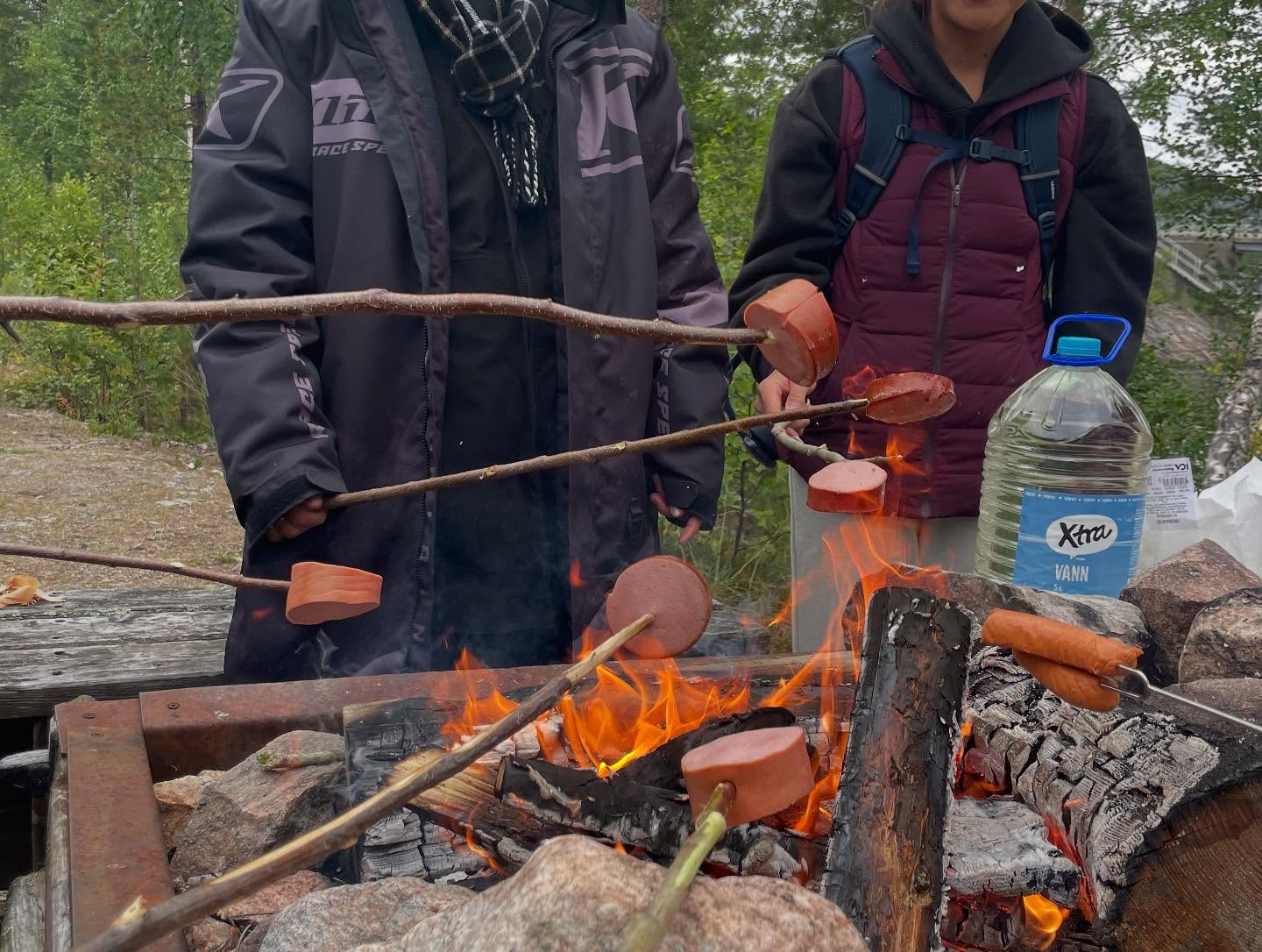
Opening of Fire, We Gather Round by Hosting Lands.

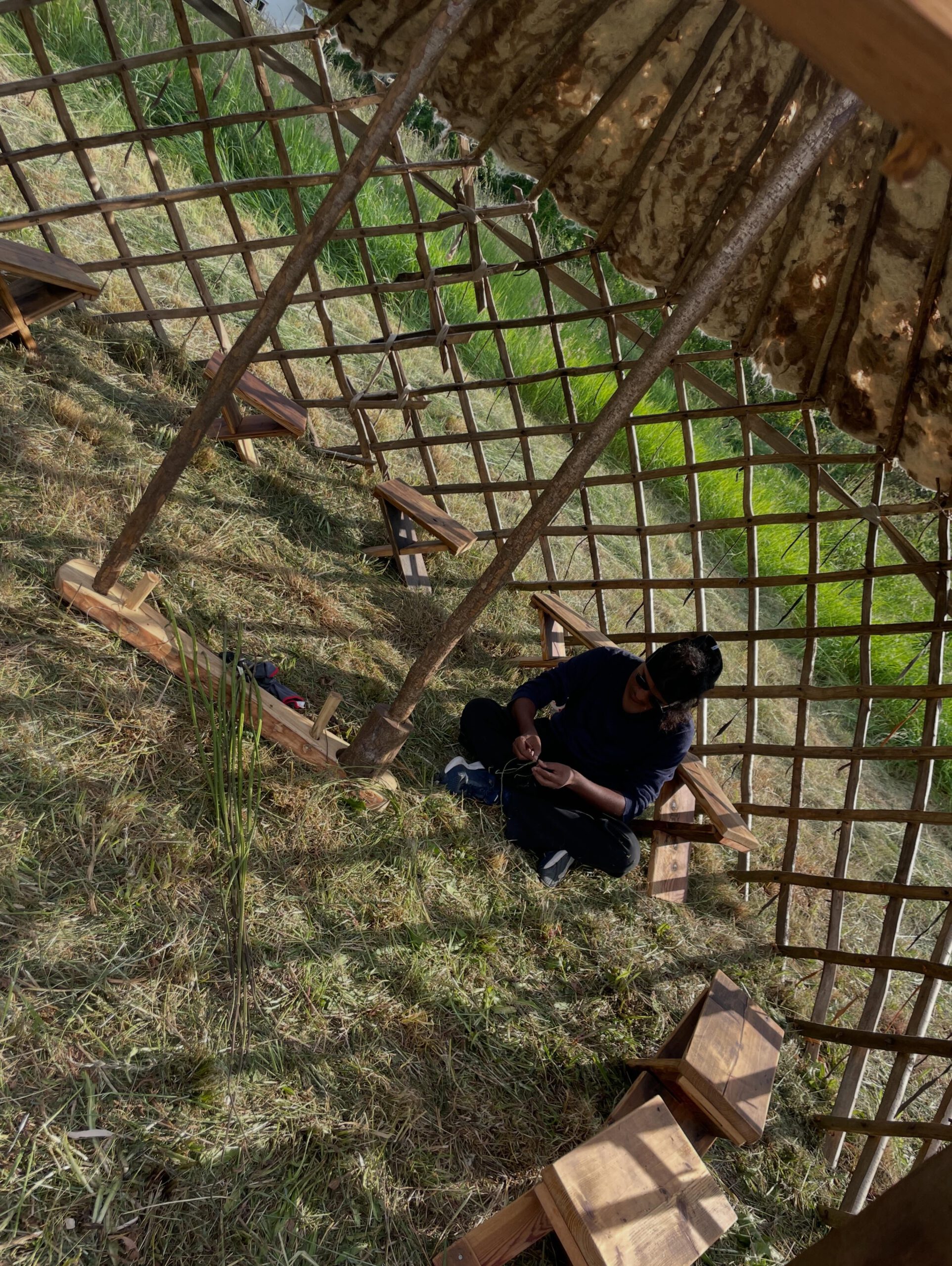
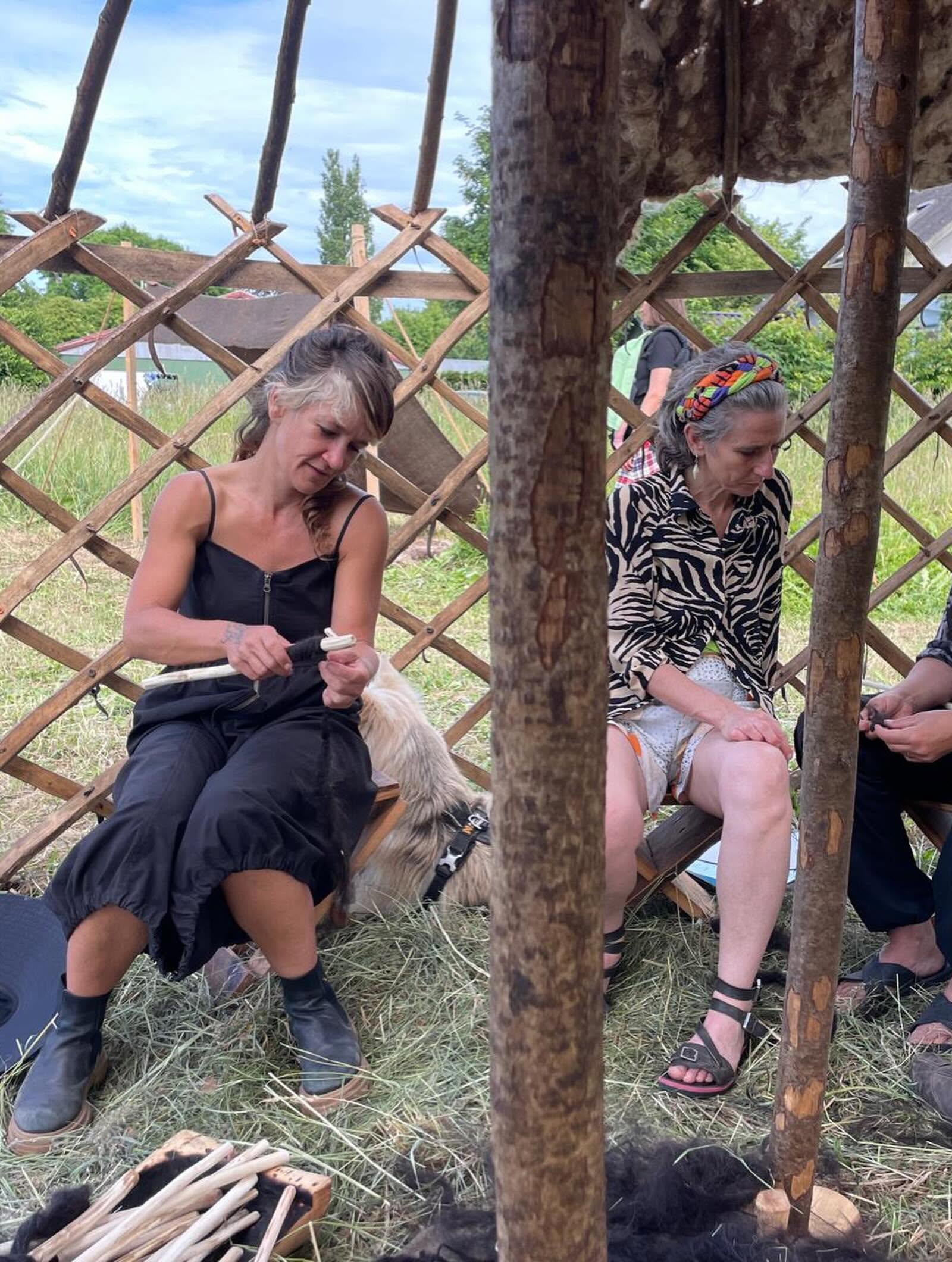
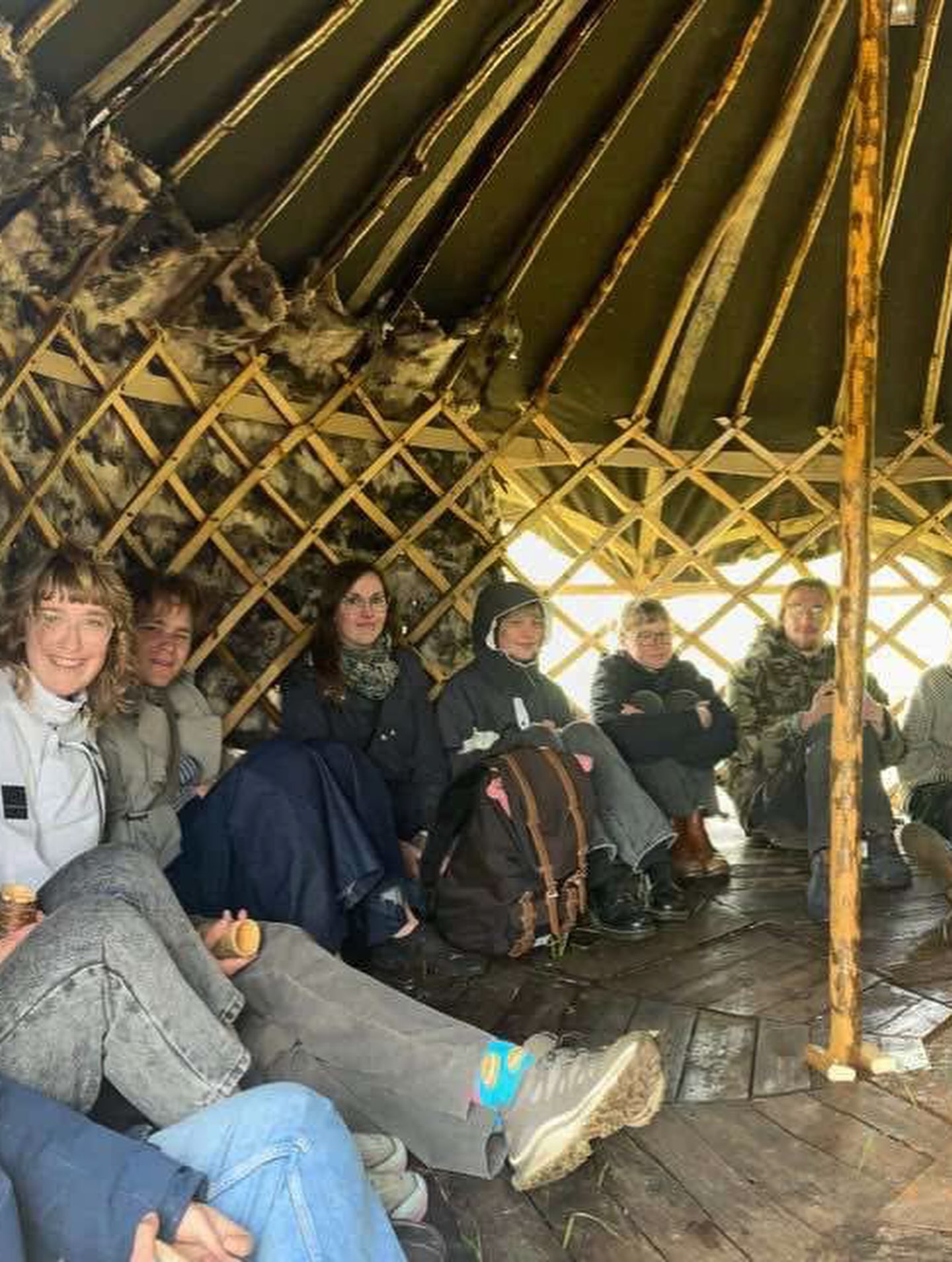
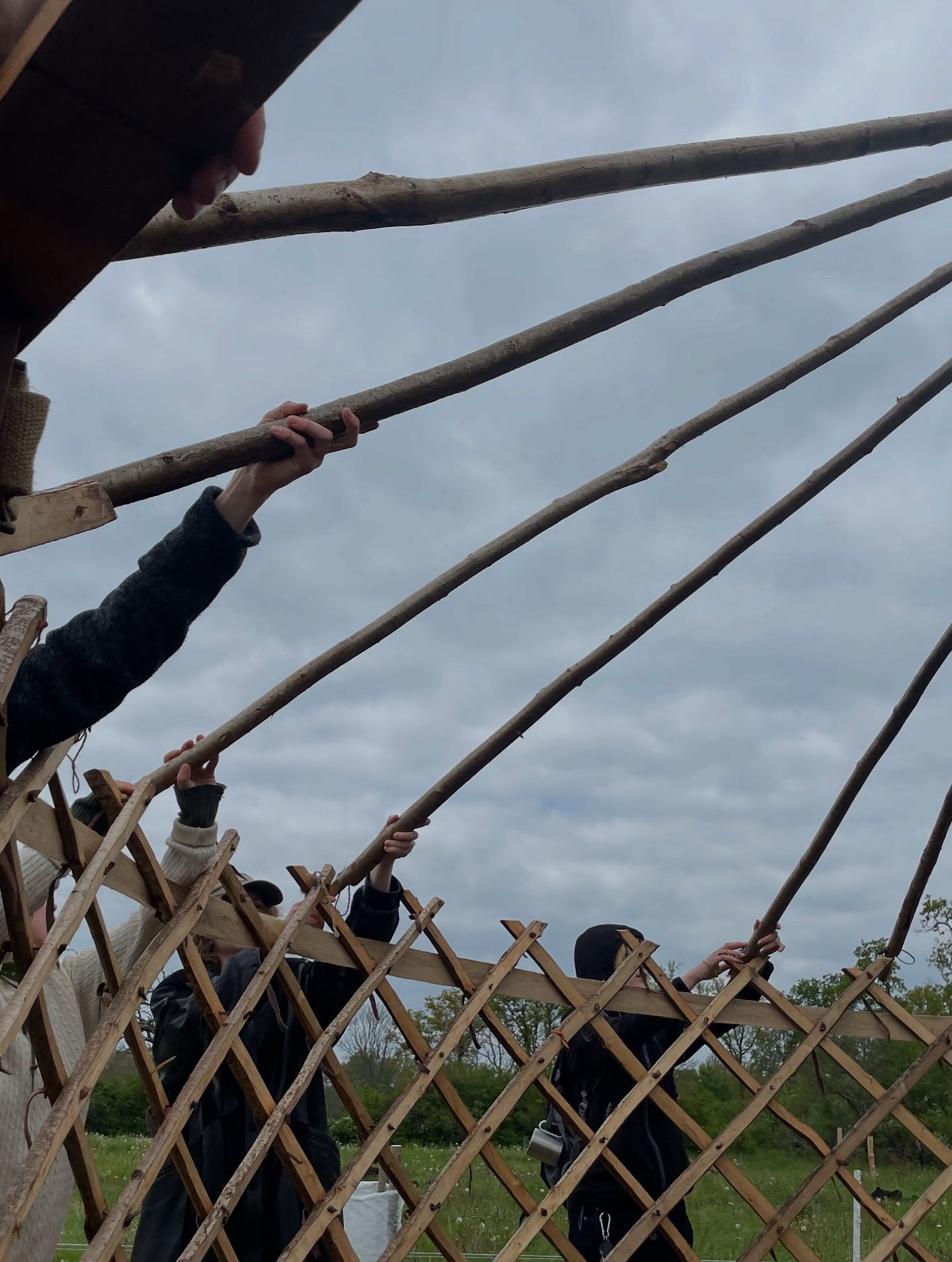
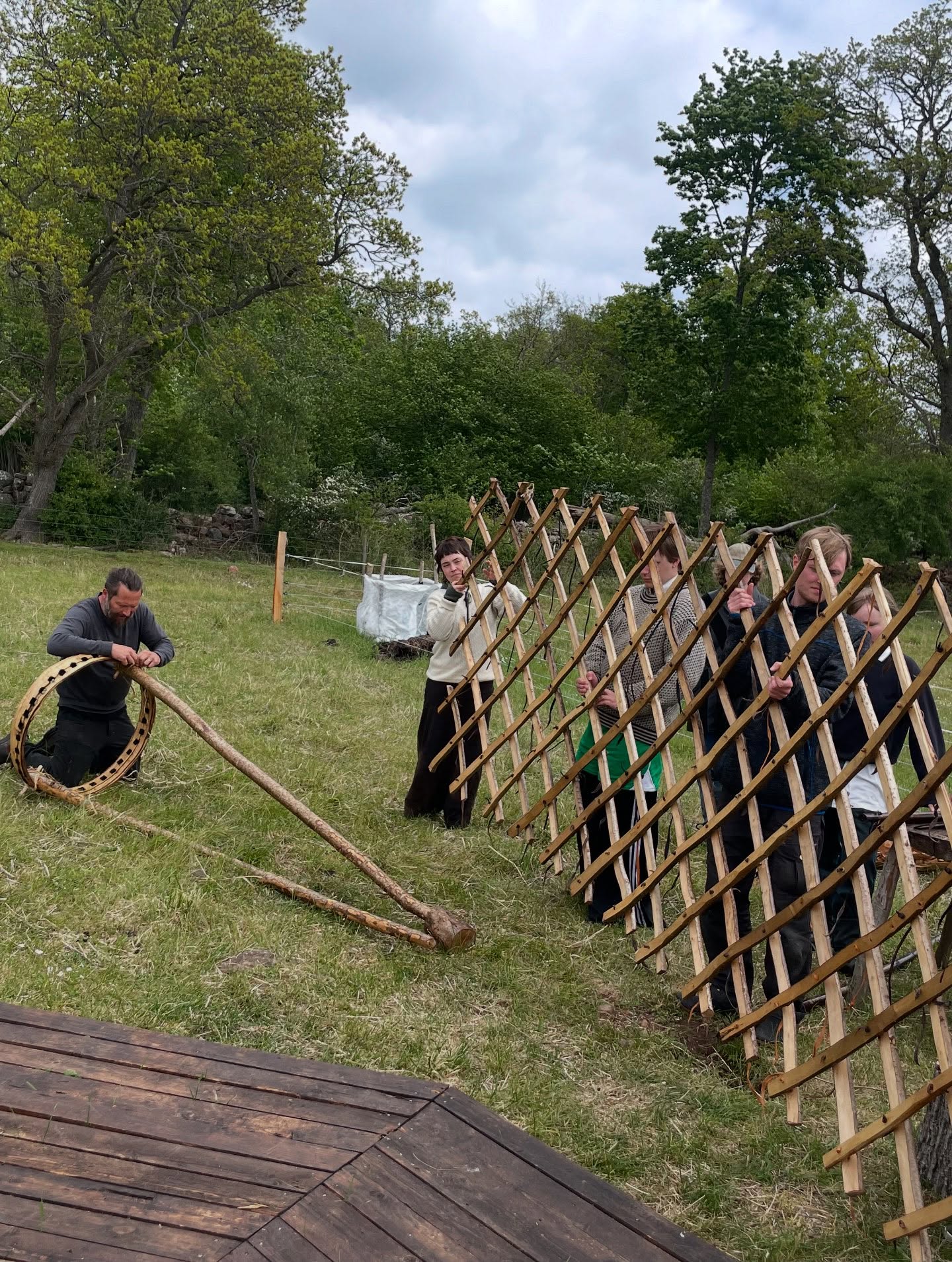
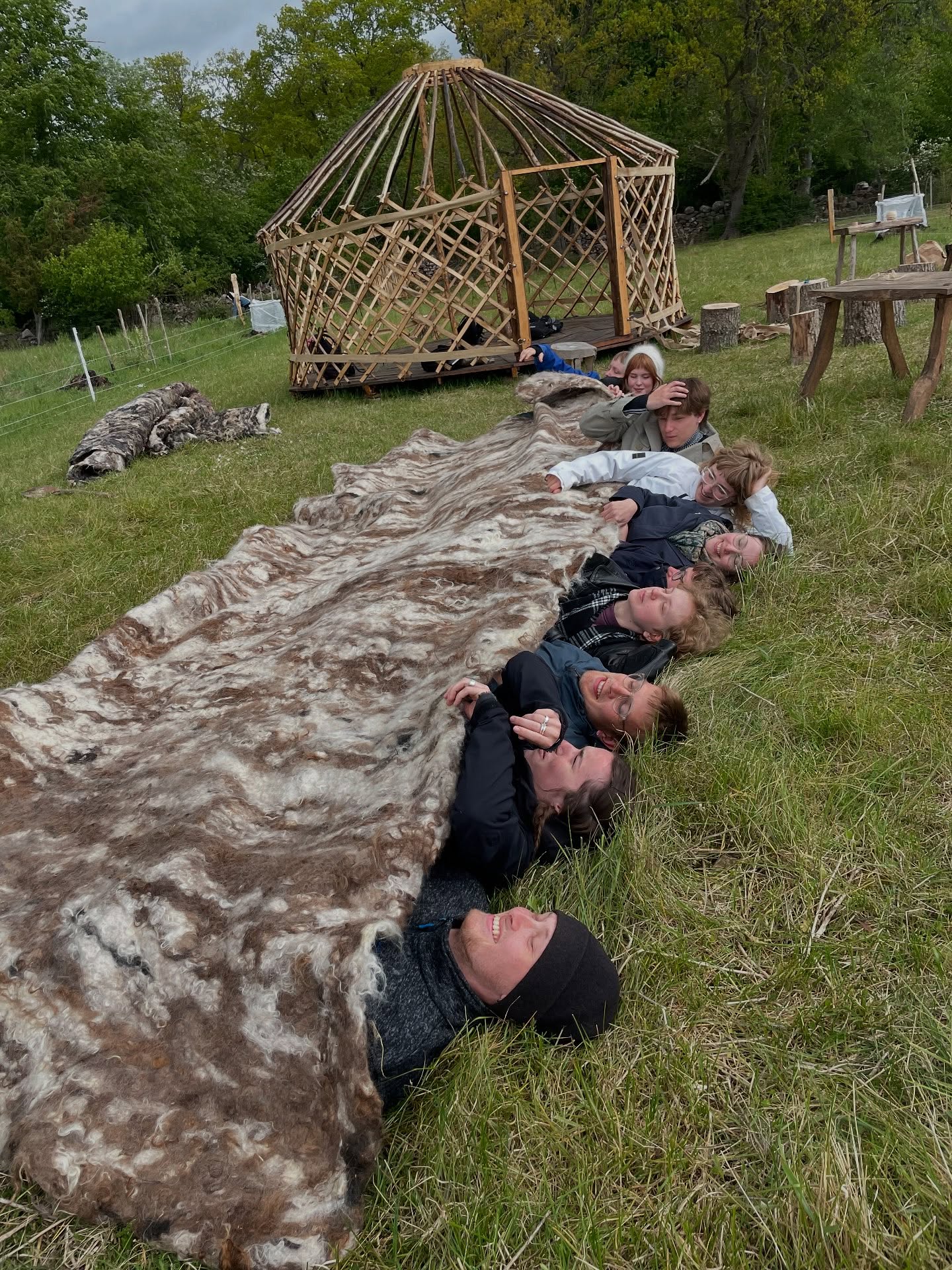
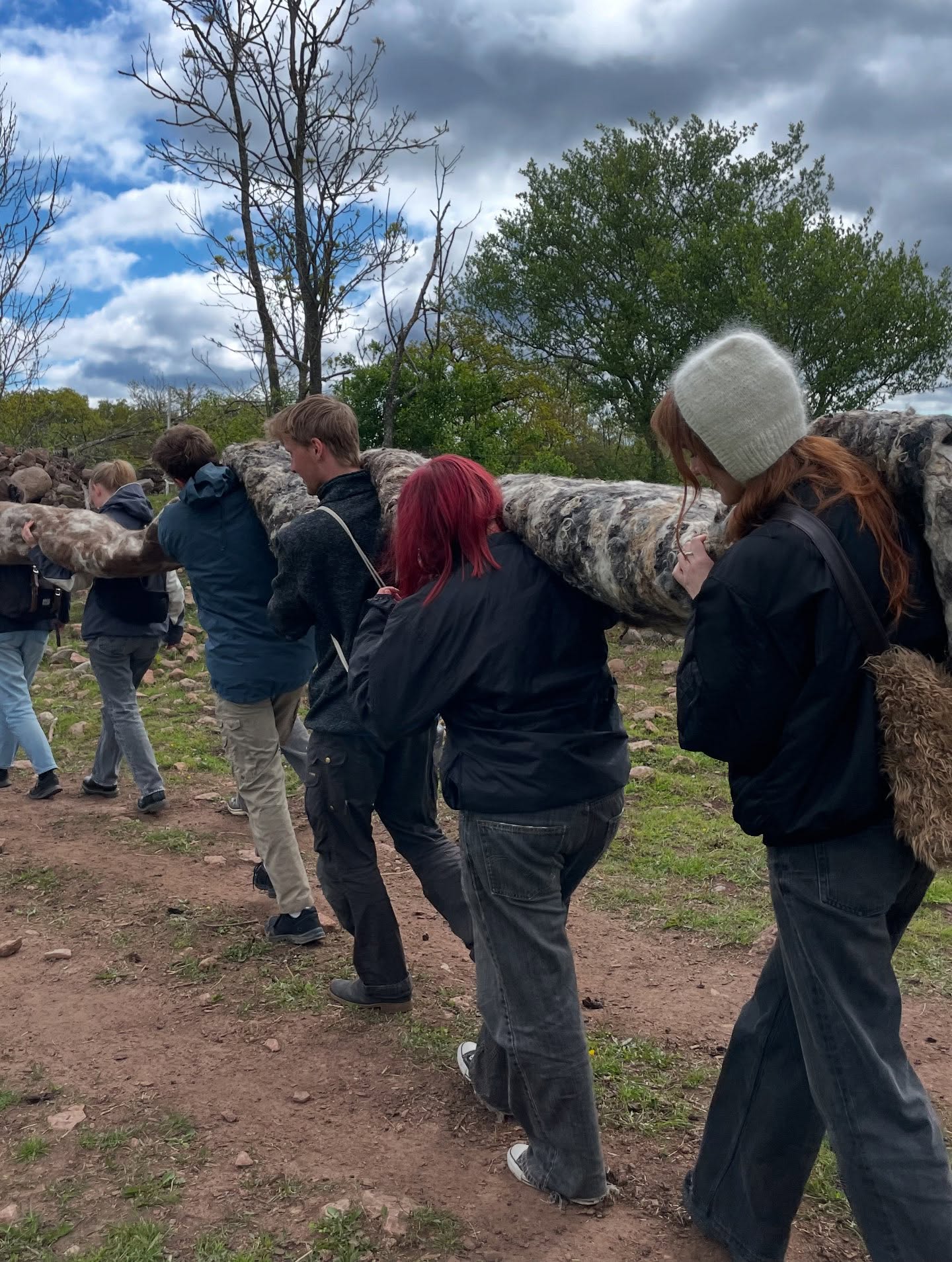
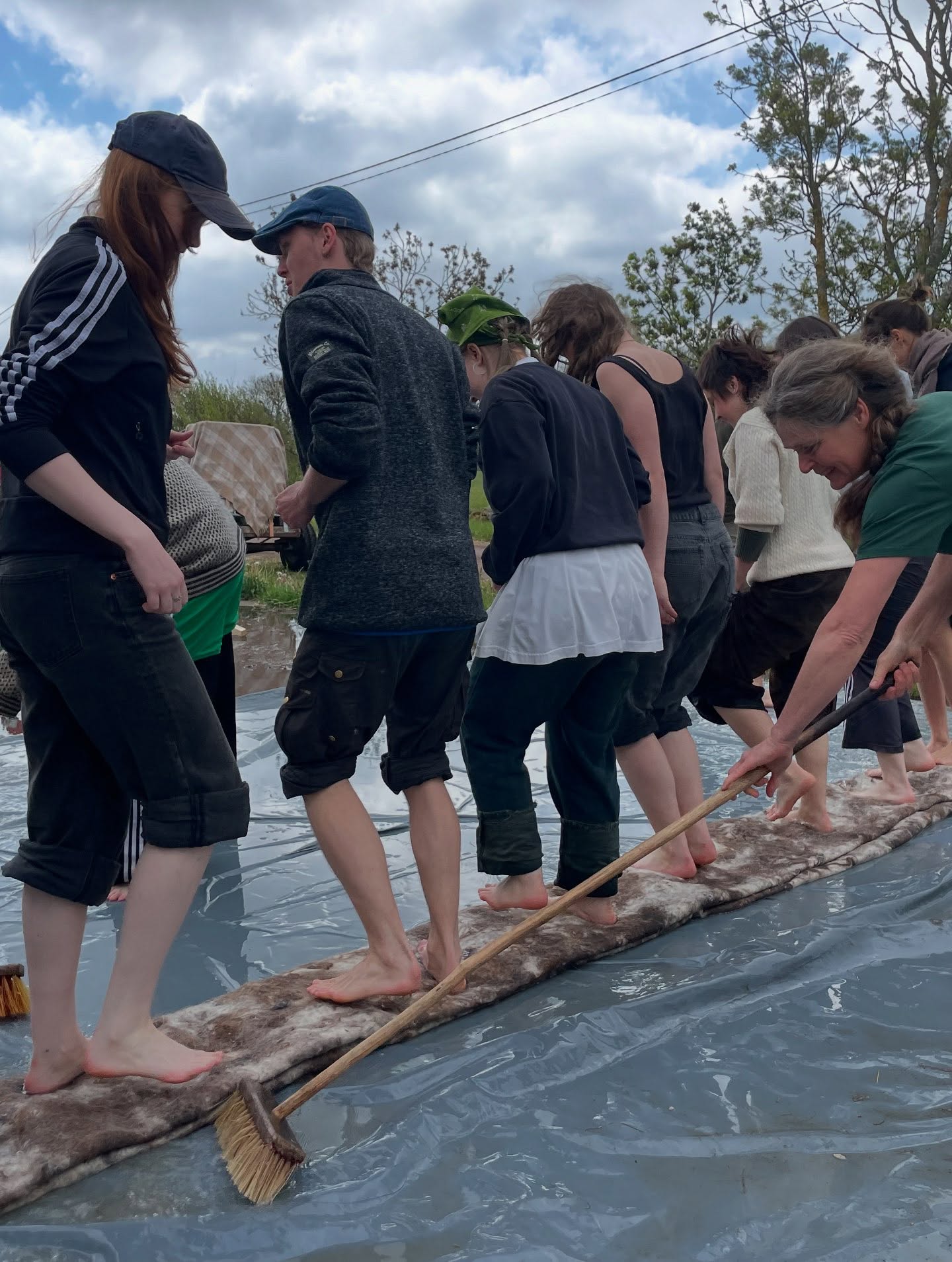
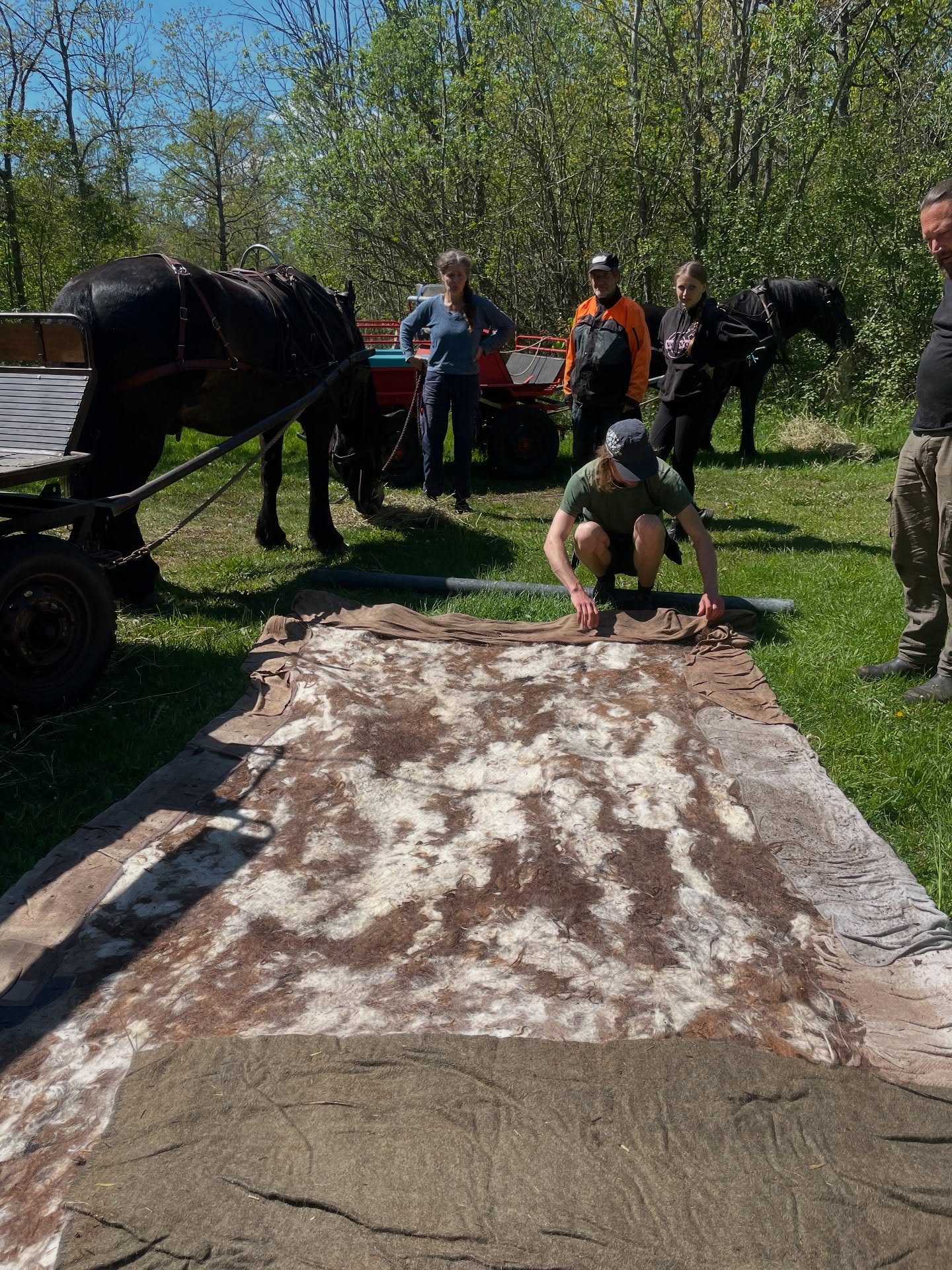
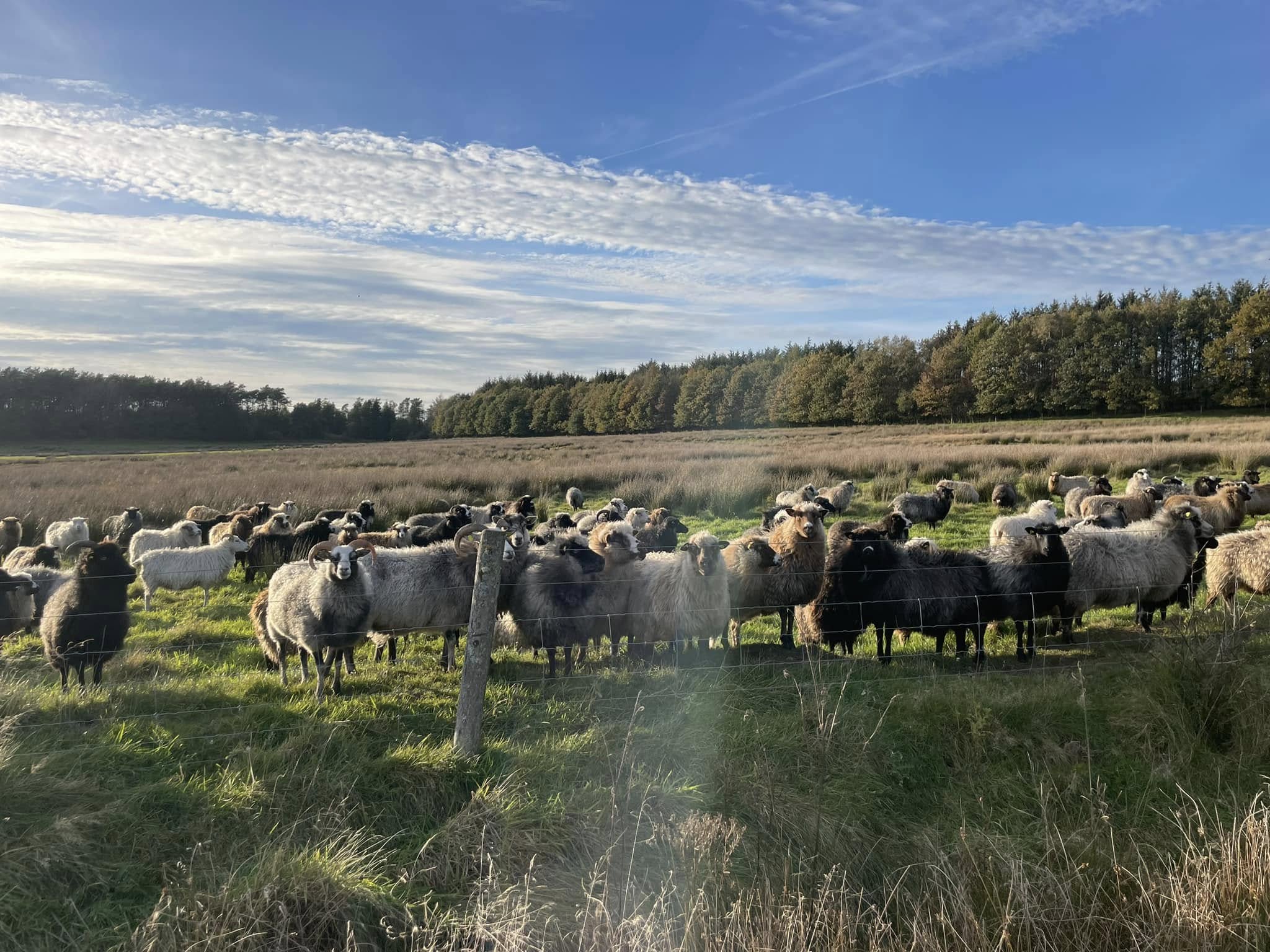
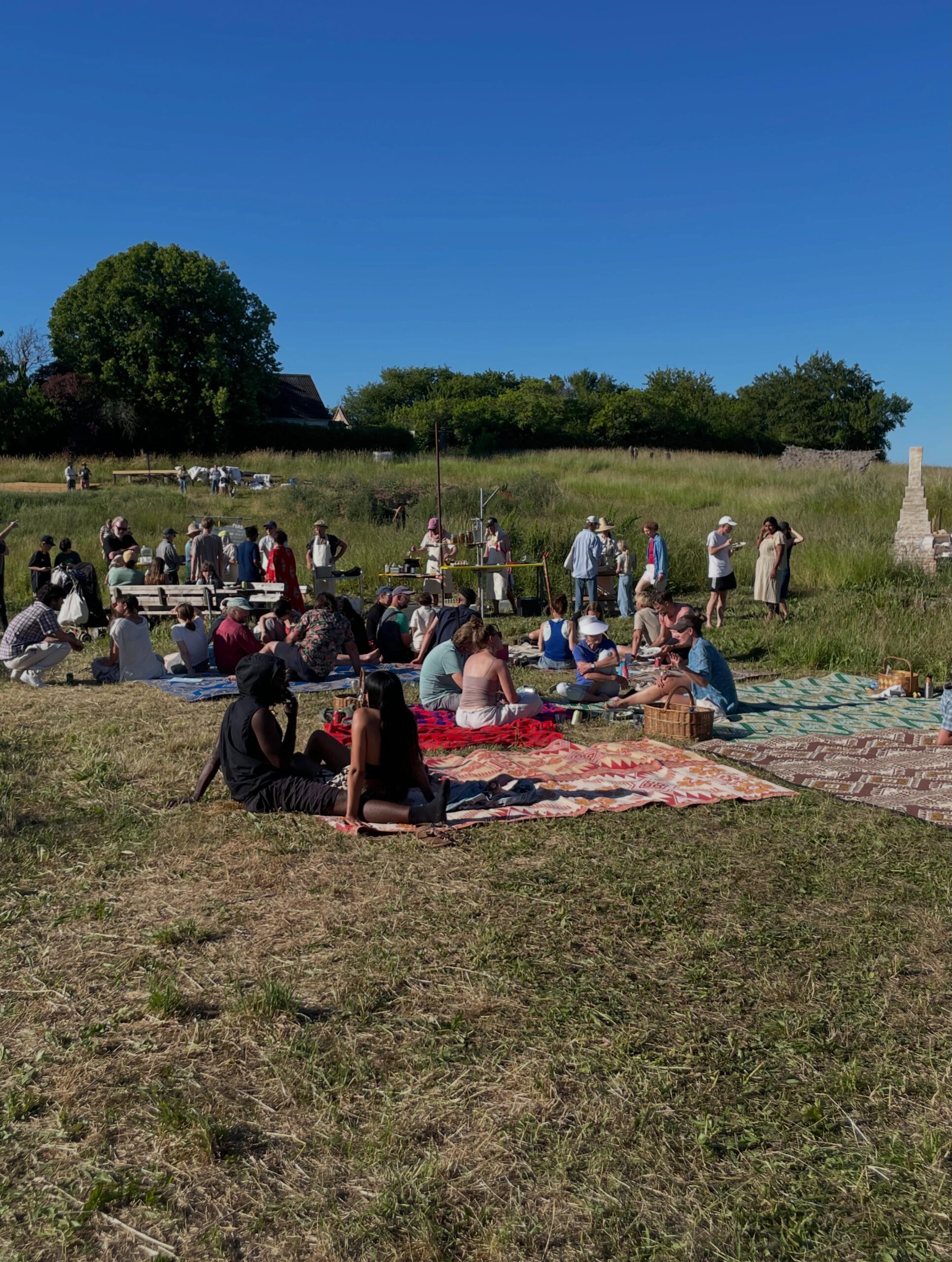
Felt Notes is a mobile meeting space developed by the artist duo Kultivator together with their more-than-human collaborators: hazel trees, sheep, and horses living and working on their farm. Based on the structure of a traditional Mongolian ger (yurt), the work was constructed through a series of workshops involving students, visiting artists, and members of the local community as part of the long-term artistic research project Tell it to the Field that She Wants to Be a Meadow.
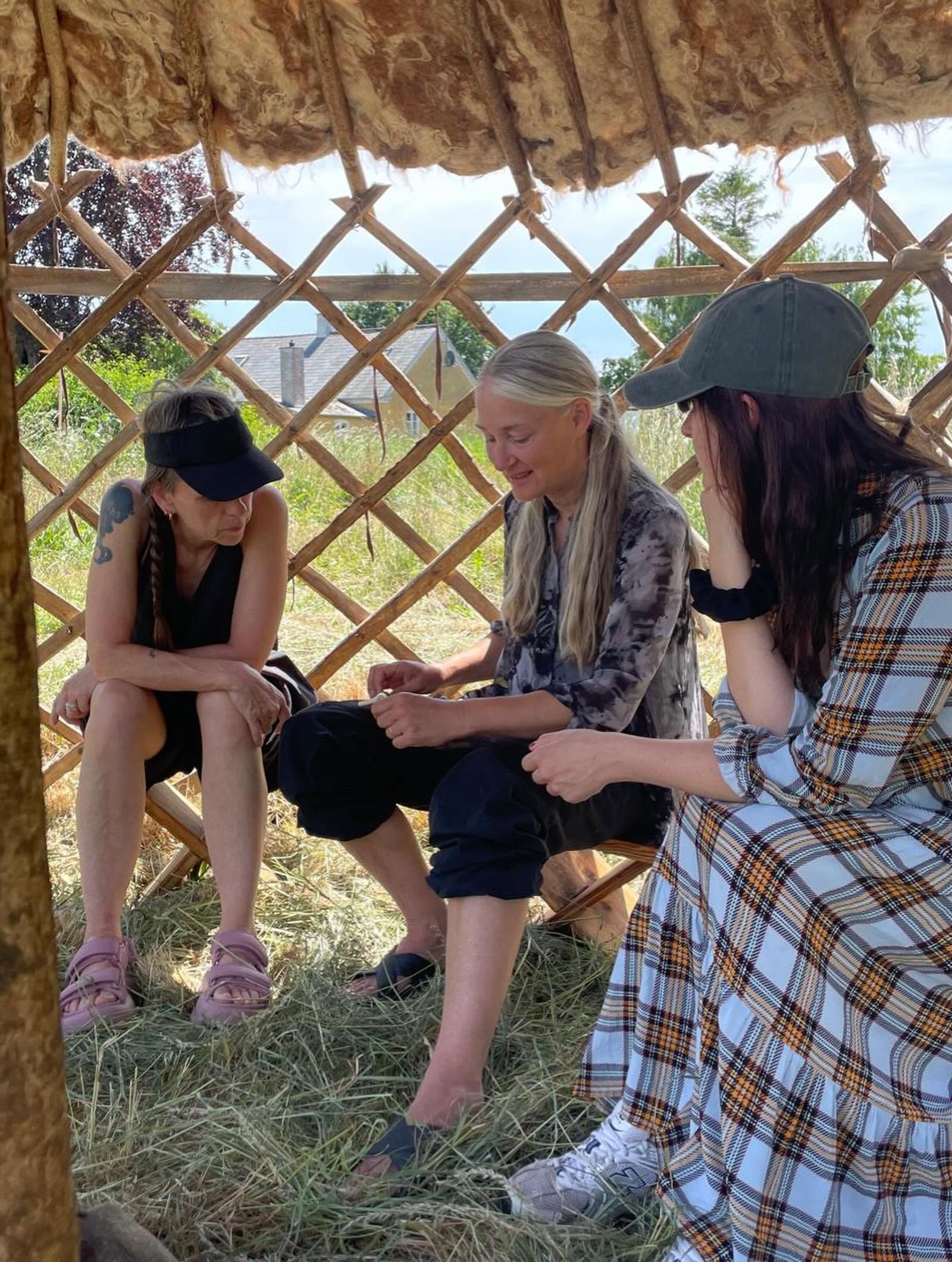
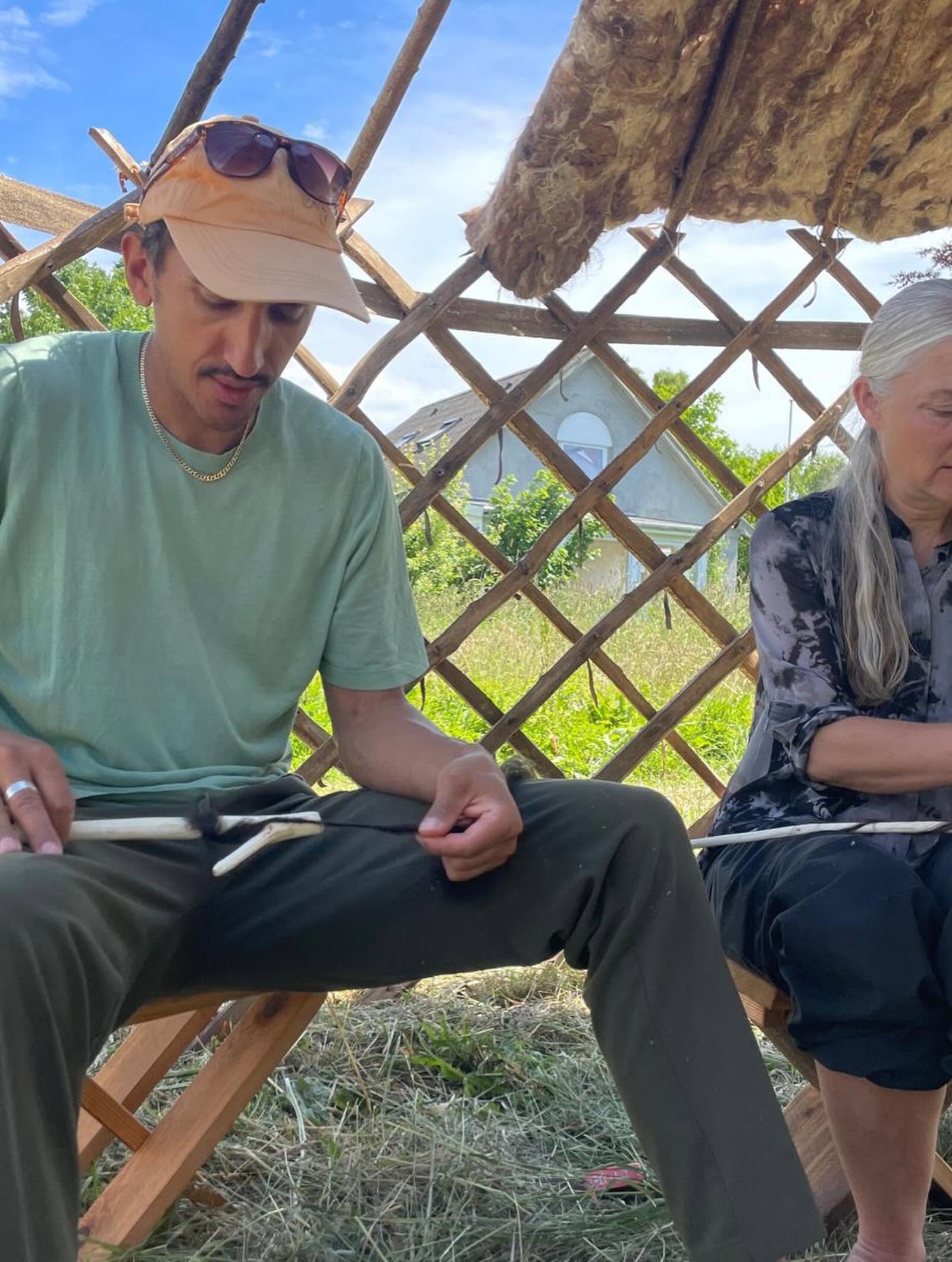
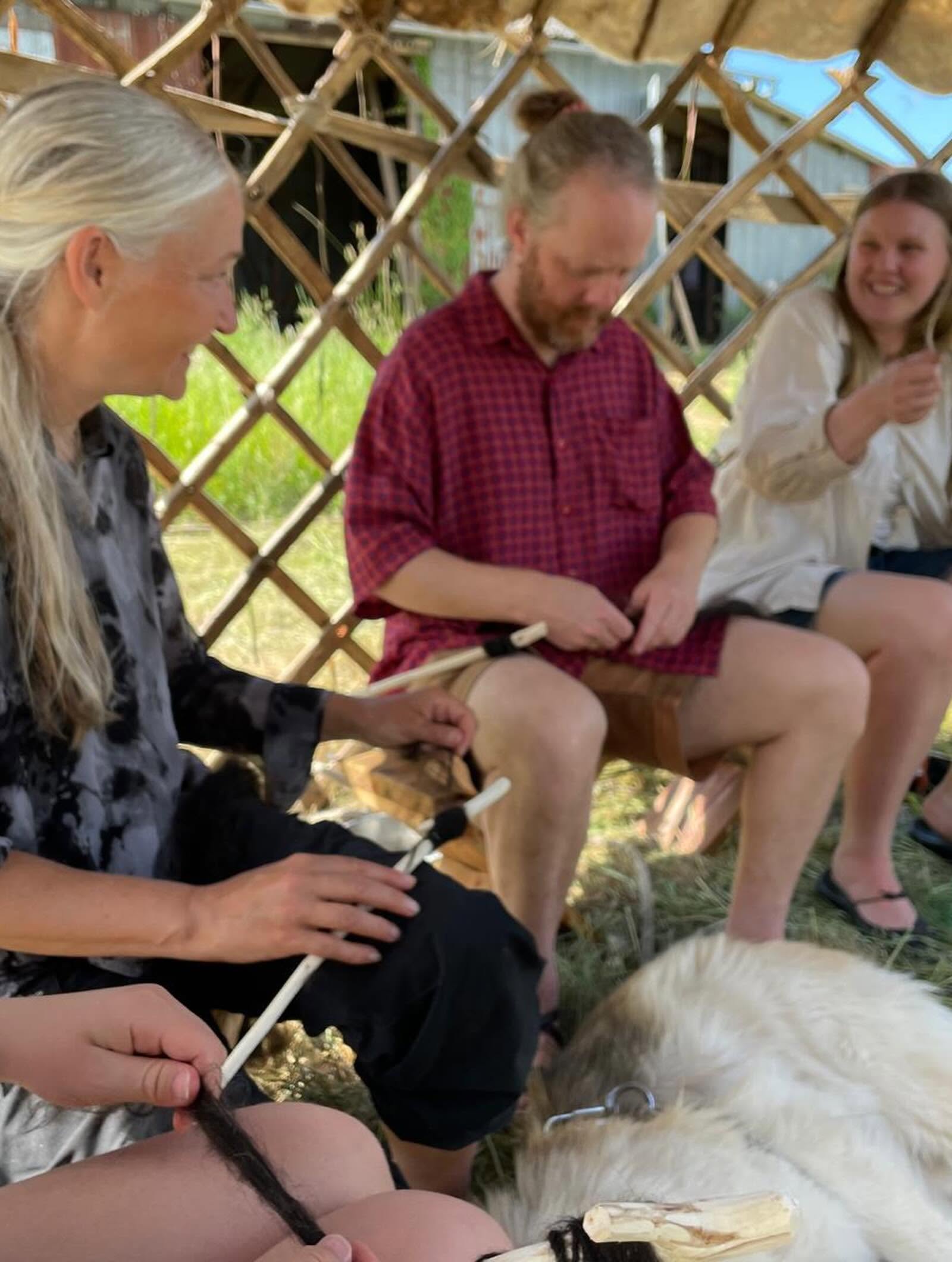
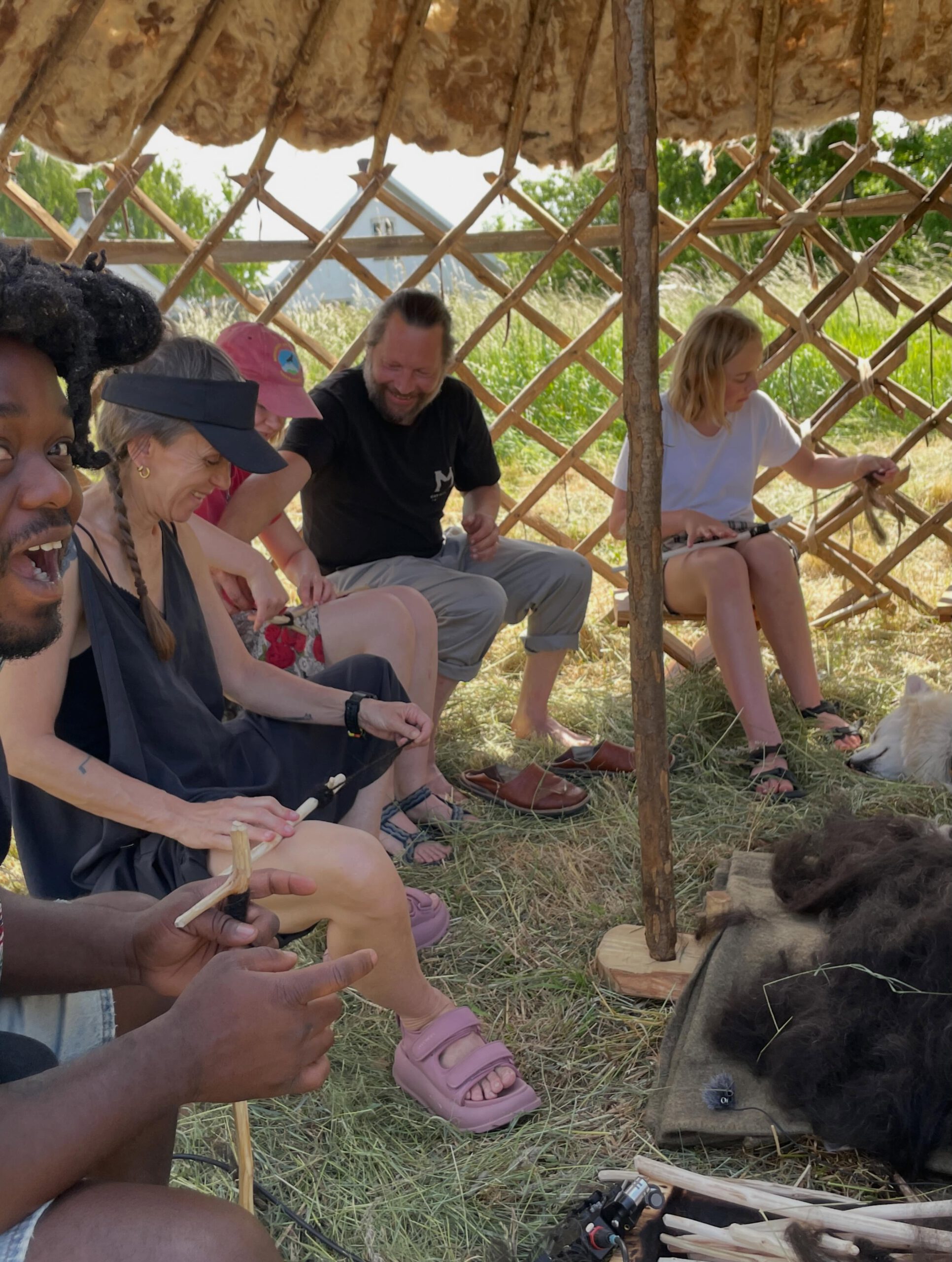
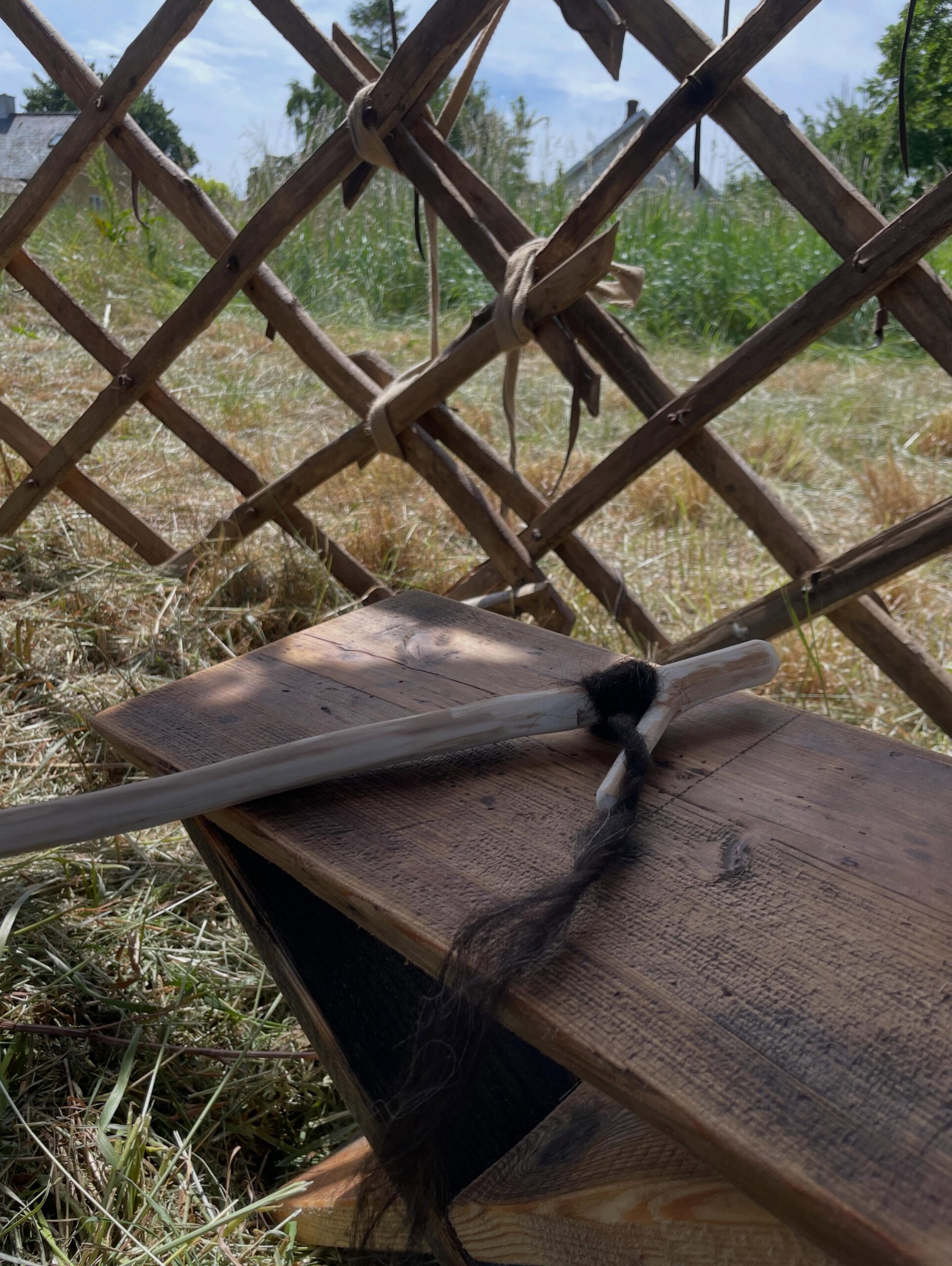
On the opening day, visitors are invited to enter the structure and participate in the slow process of spinning black wool into yarn. The wool, gathered from the flock at Kultivator, becomes the material basis for an ongoing embroidery that serves as a living record of the project’s research, relationships, and encounters.
The act of spinning provides both a practical activity and a framework for exchange. As hands work with wool, conversations unfold around questions of land, stewardship, community, and the possibilities of hope in times of ecological and social uncertainty. Kultivator approaches hope not as optimism or certainty, but as a collective practice, something that is cultivated through relationships, care, and sustained engagement with the places we inhabit.
Bringing together human and more-than-human forms of labour, Felt Notes proposes the field as a site of learning and reciprocity. The work invites participants to imagine how shared lands might foster new forms of belonging and collective responsibility, while connecting local experiences to wider struggles and aspirations unfolding across the world.
Text by Aziza Hamrel, hosting lands

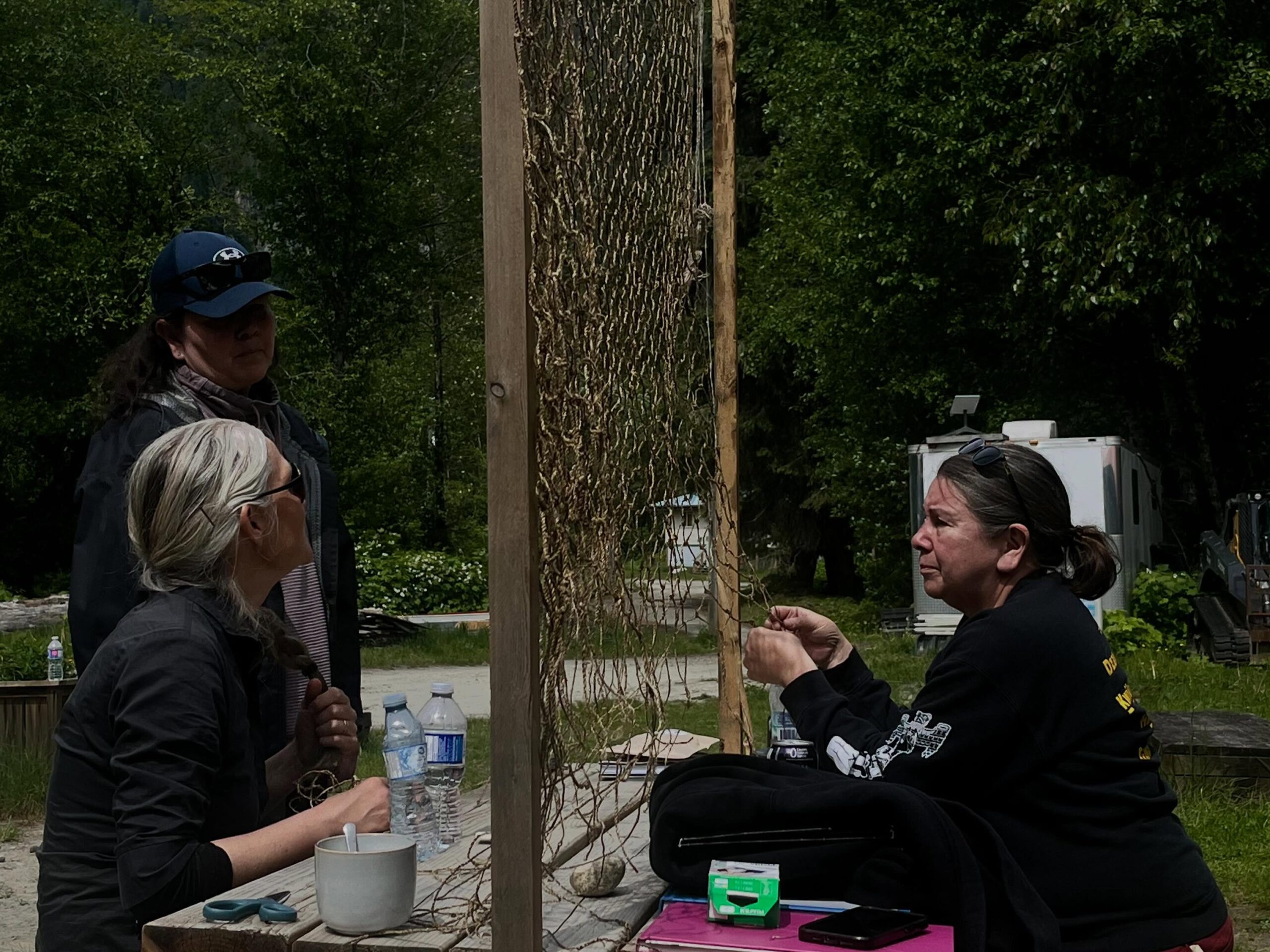
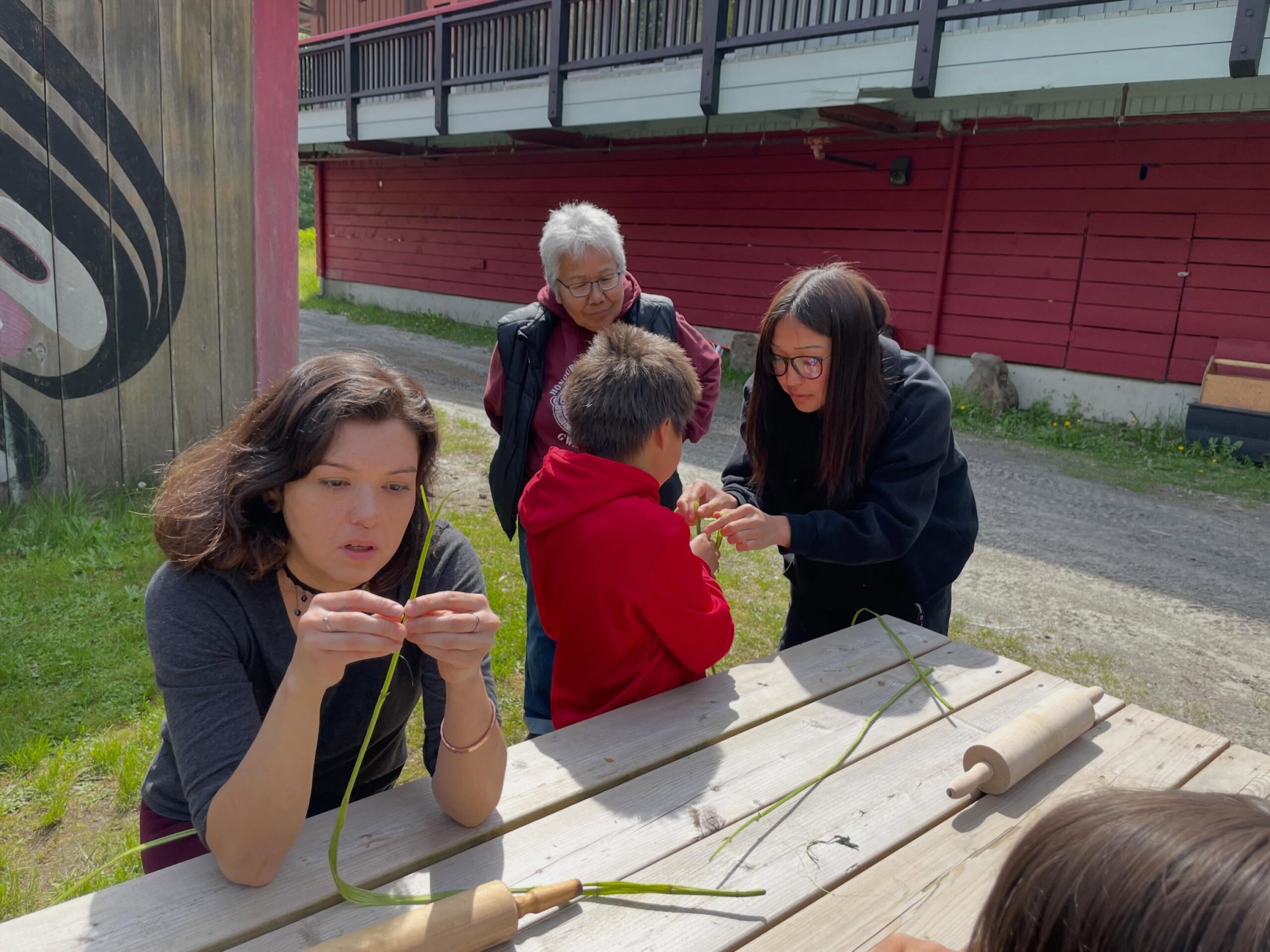
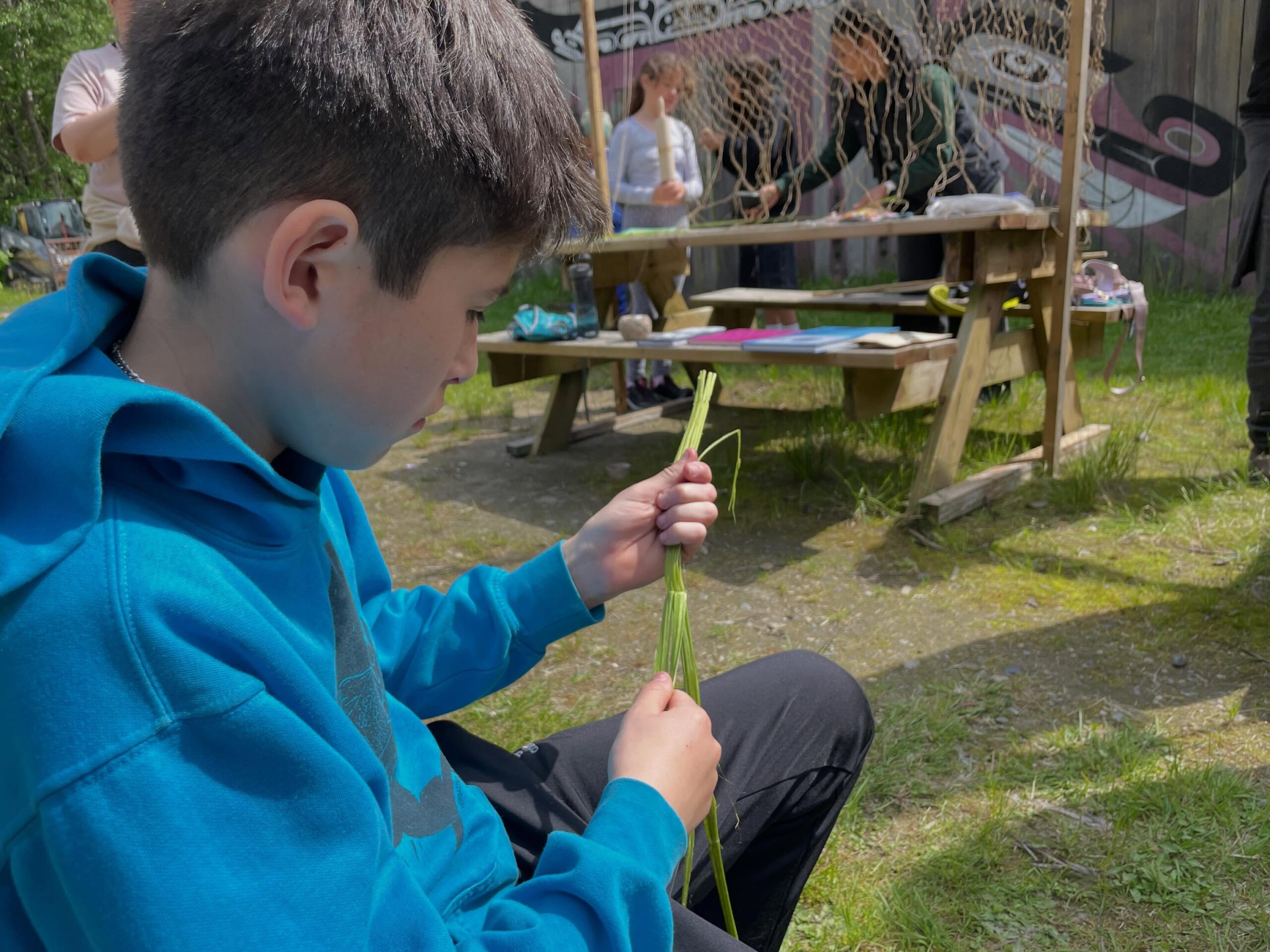
Nettle technology in Ukwanalis Kingcome inlet

Nettle technology in U’kwanalis/ Kingcome inlet.

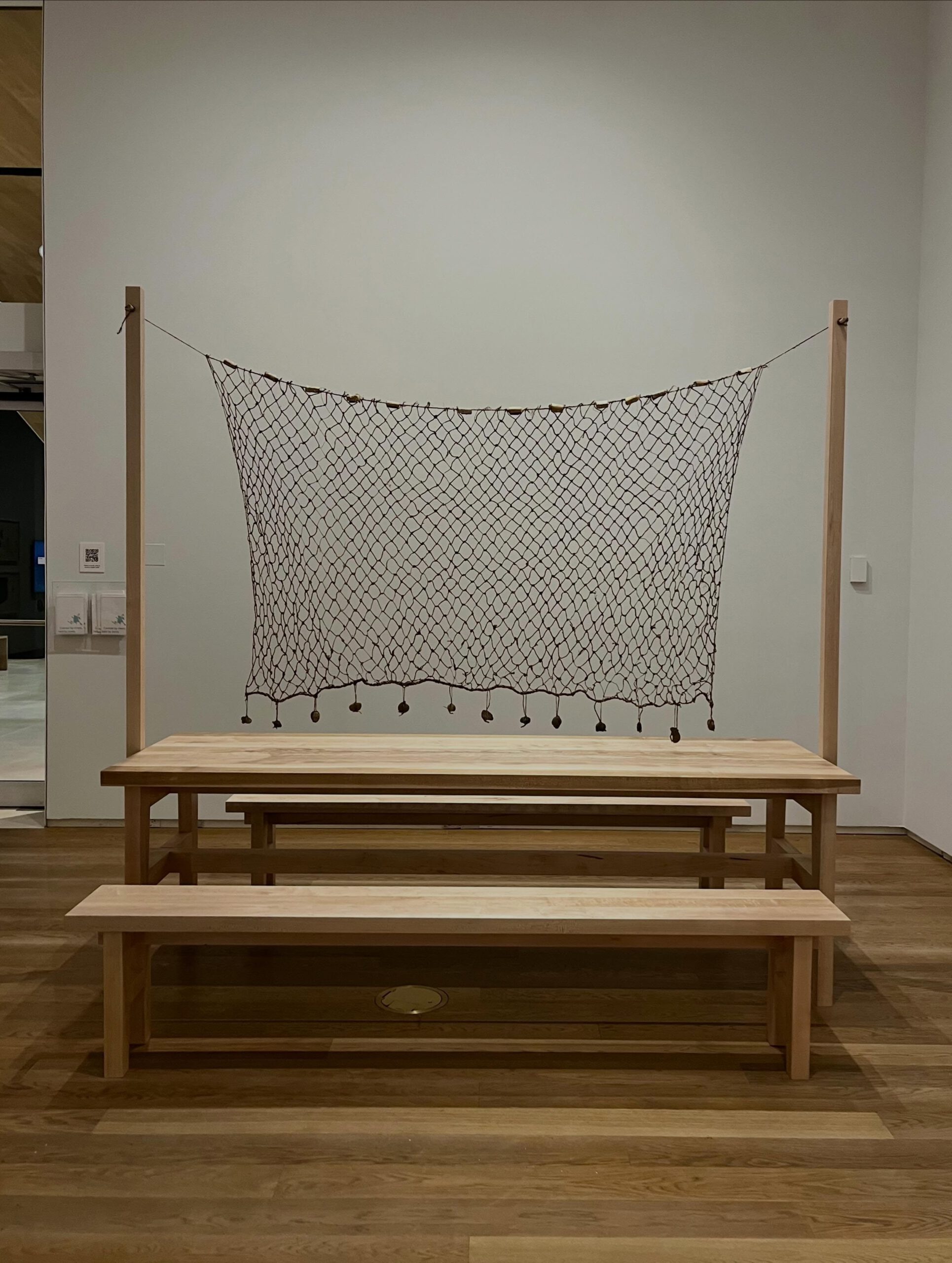
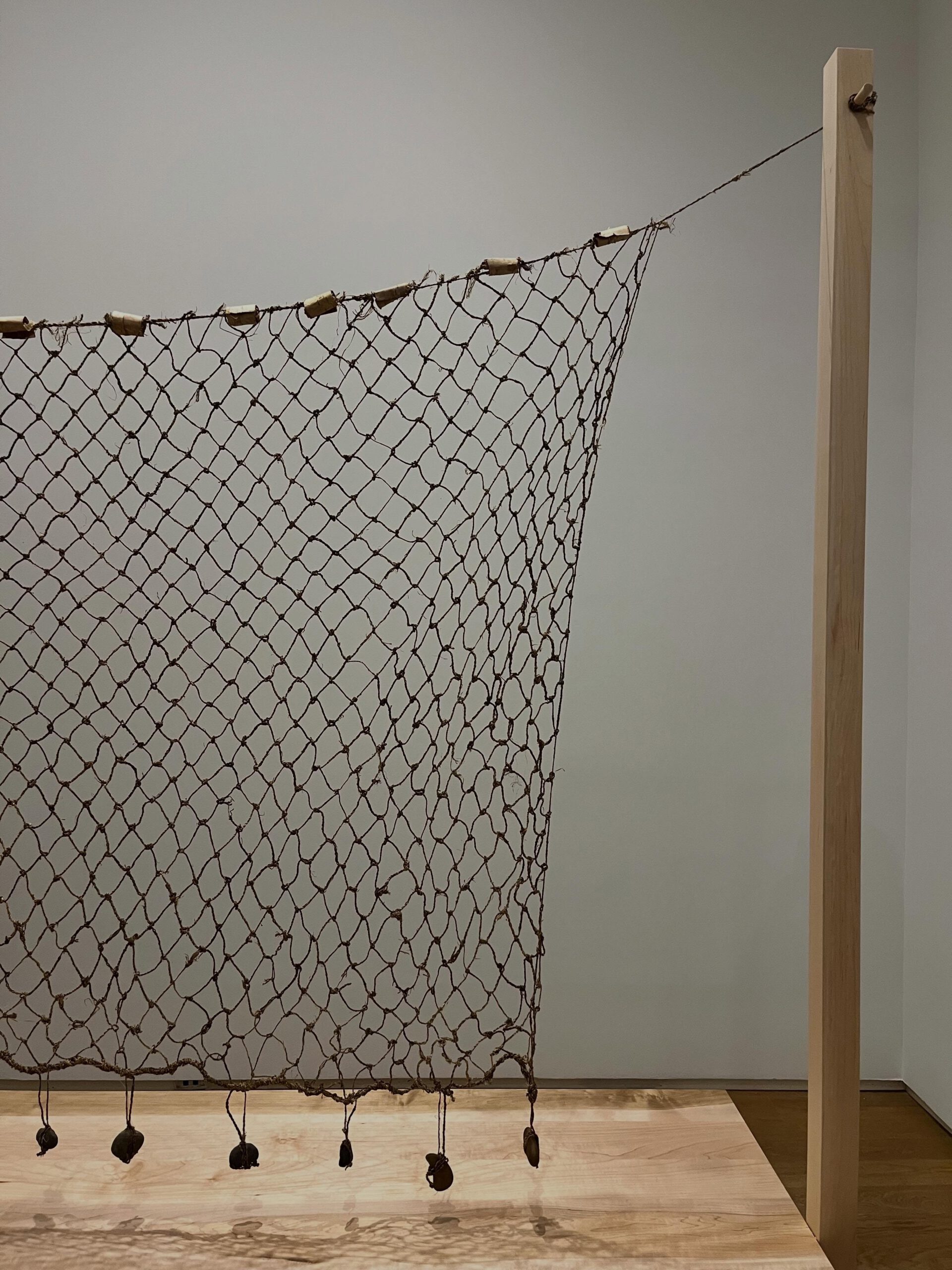
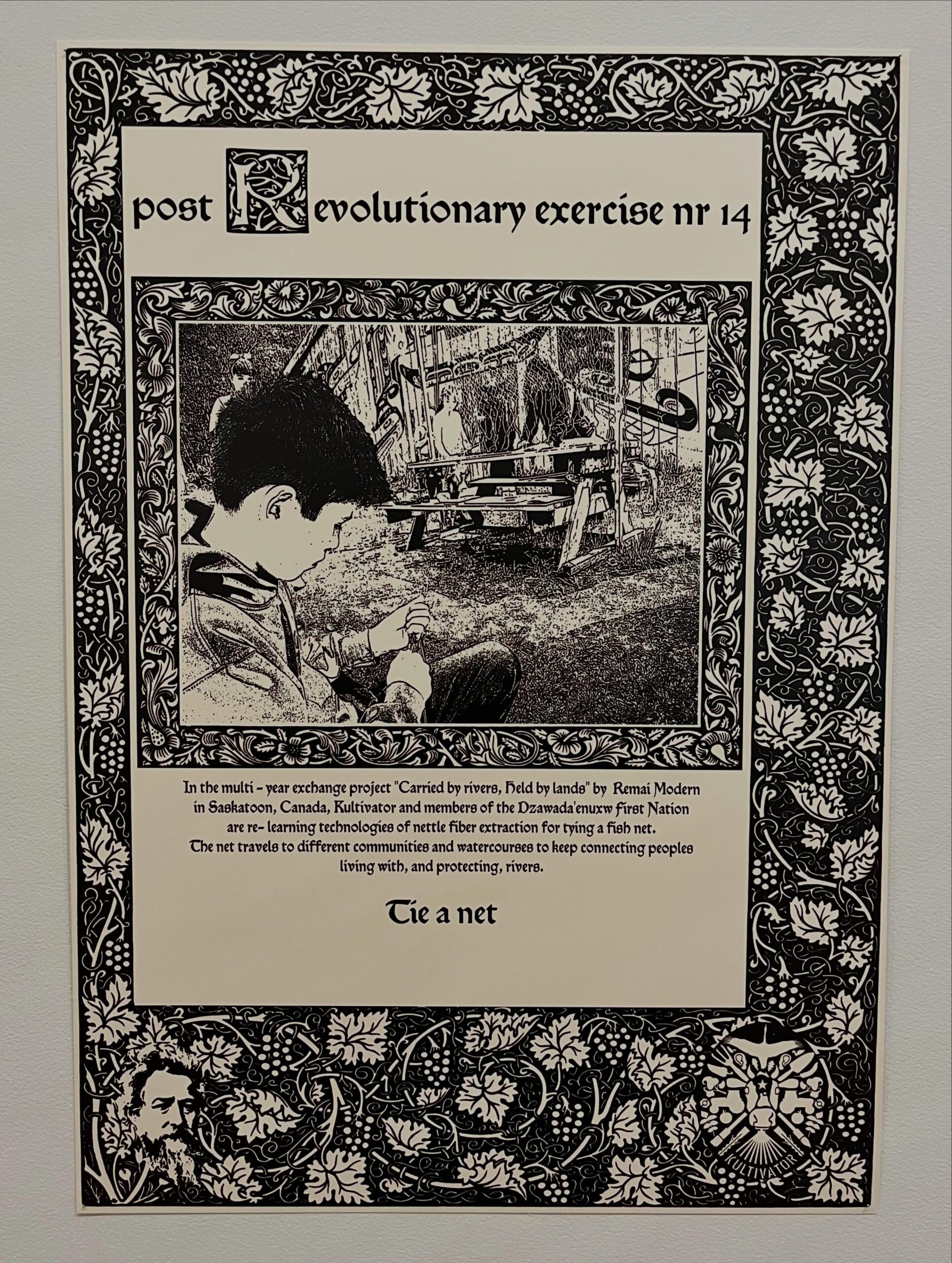
Together with our friends of Dzawada’enuxw we are continuing the conversation on community, memory, and living with the land, now and for future generations. The net is slowly growing, fiber by fiber, knot by knot..

Hope studio

Hope studio

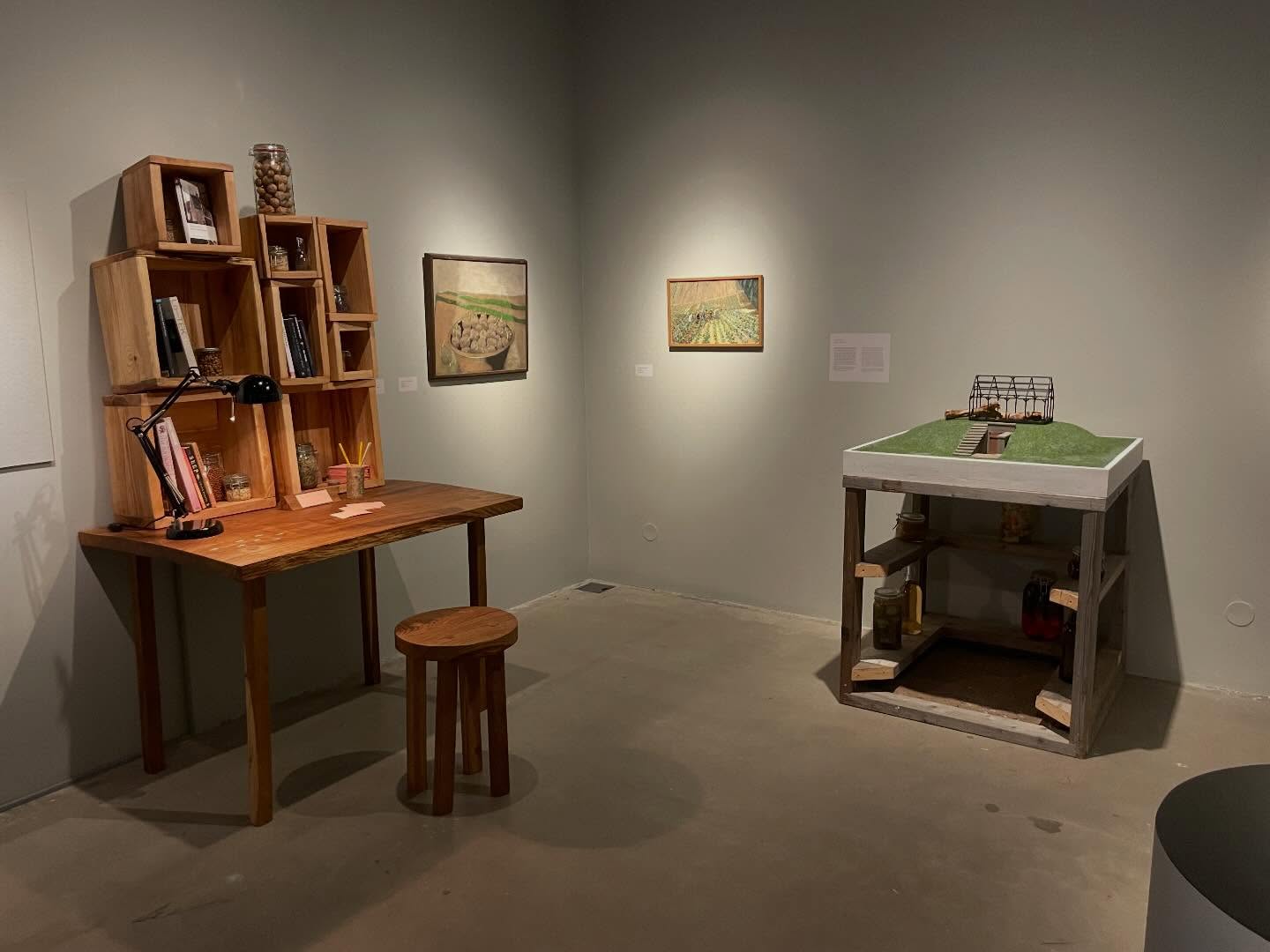
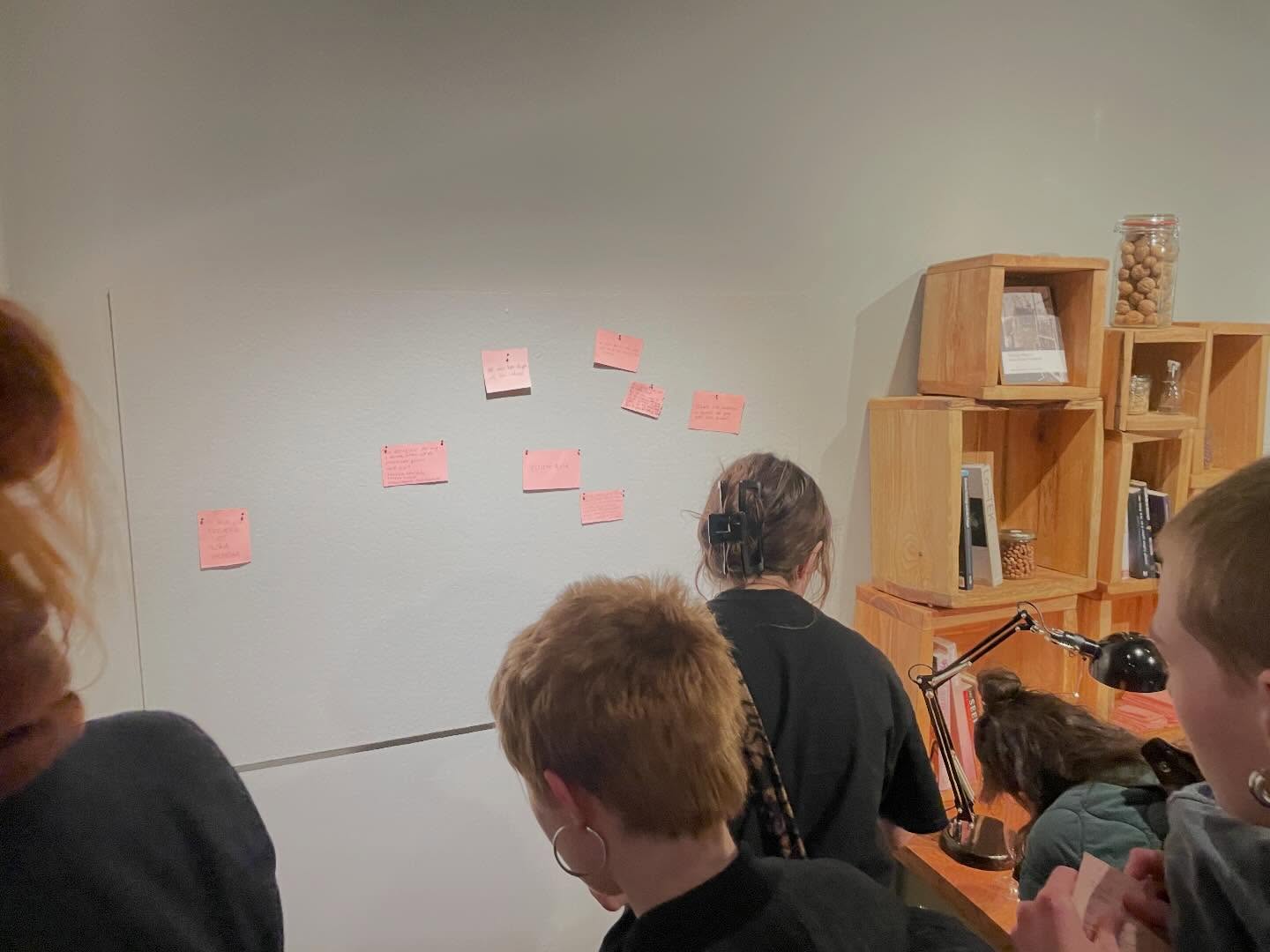
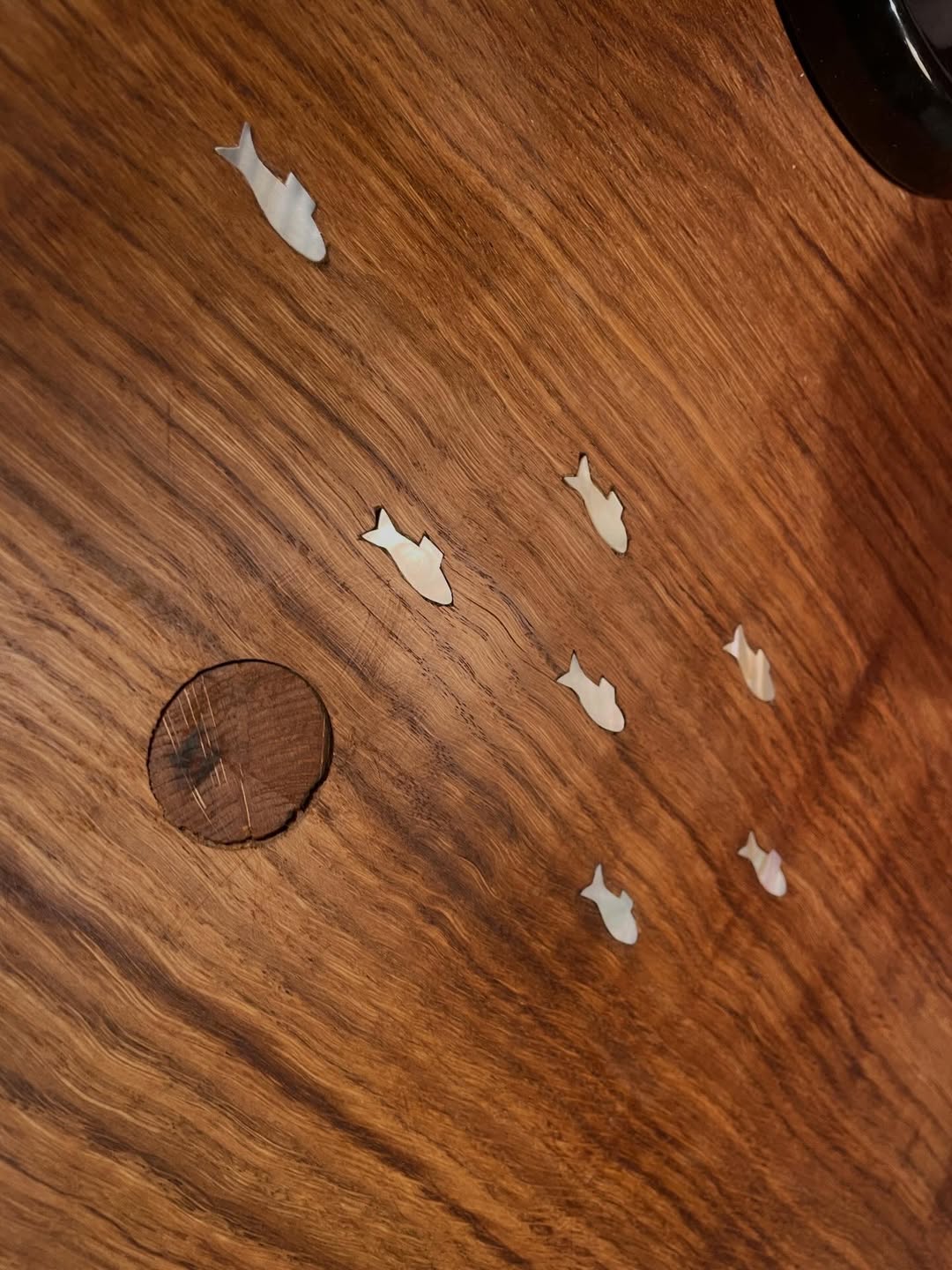
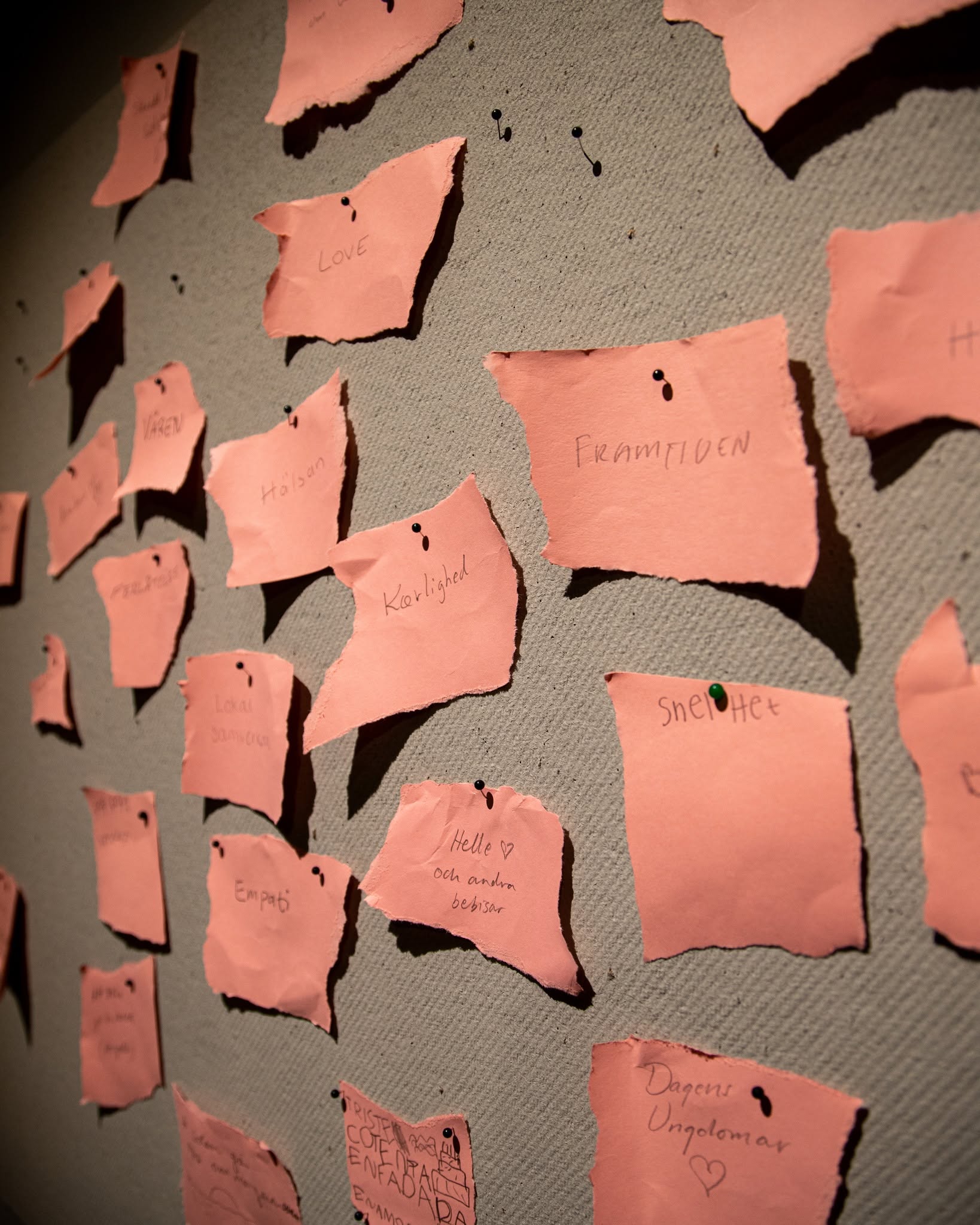
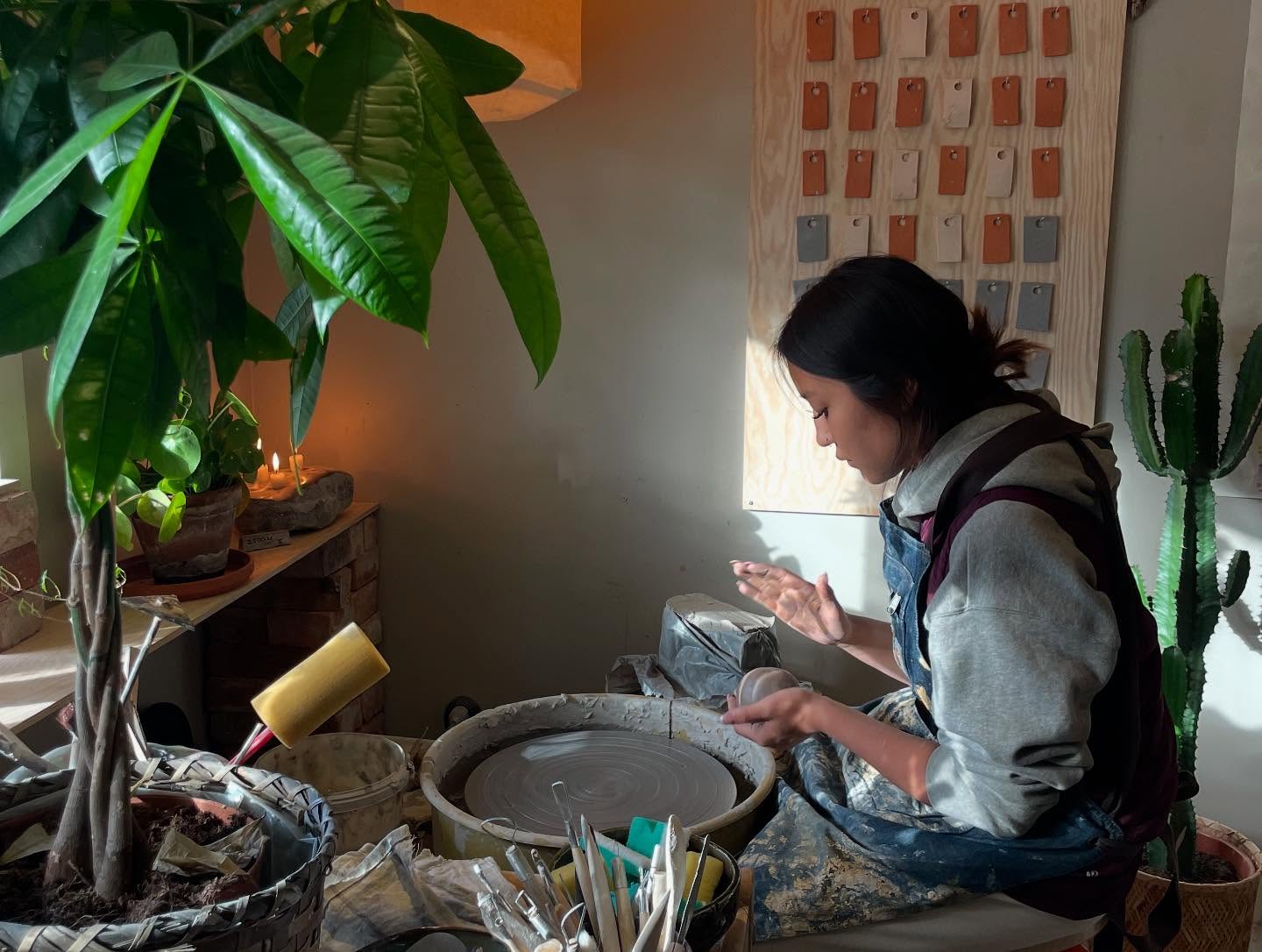
An artwork created for the “Hope Making” research project at Linnaeus University. A piece of furniture made of split ash and oak, featuring inlaid mother-of-pearl fish filled with various seeds and books, and inviting the public to write down what gives them hope.

Carried by rivers held by land

Carried by rivers, held by land.

The project Carried by rivers, held by land, which began in 2023 and is slated to conclude in late 2026 or early 2027, is a collaborative effort curated by Aileen Burns, Johan Lundh and Tarah Hogue at the Remai Modern museum in Saskatoon, Canada, and Maria Lind, Director of the Konstmuseet i Norr in Kiruna, Sweden.
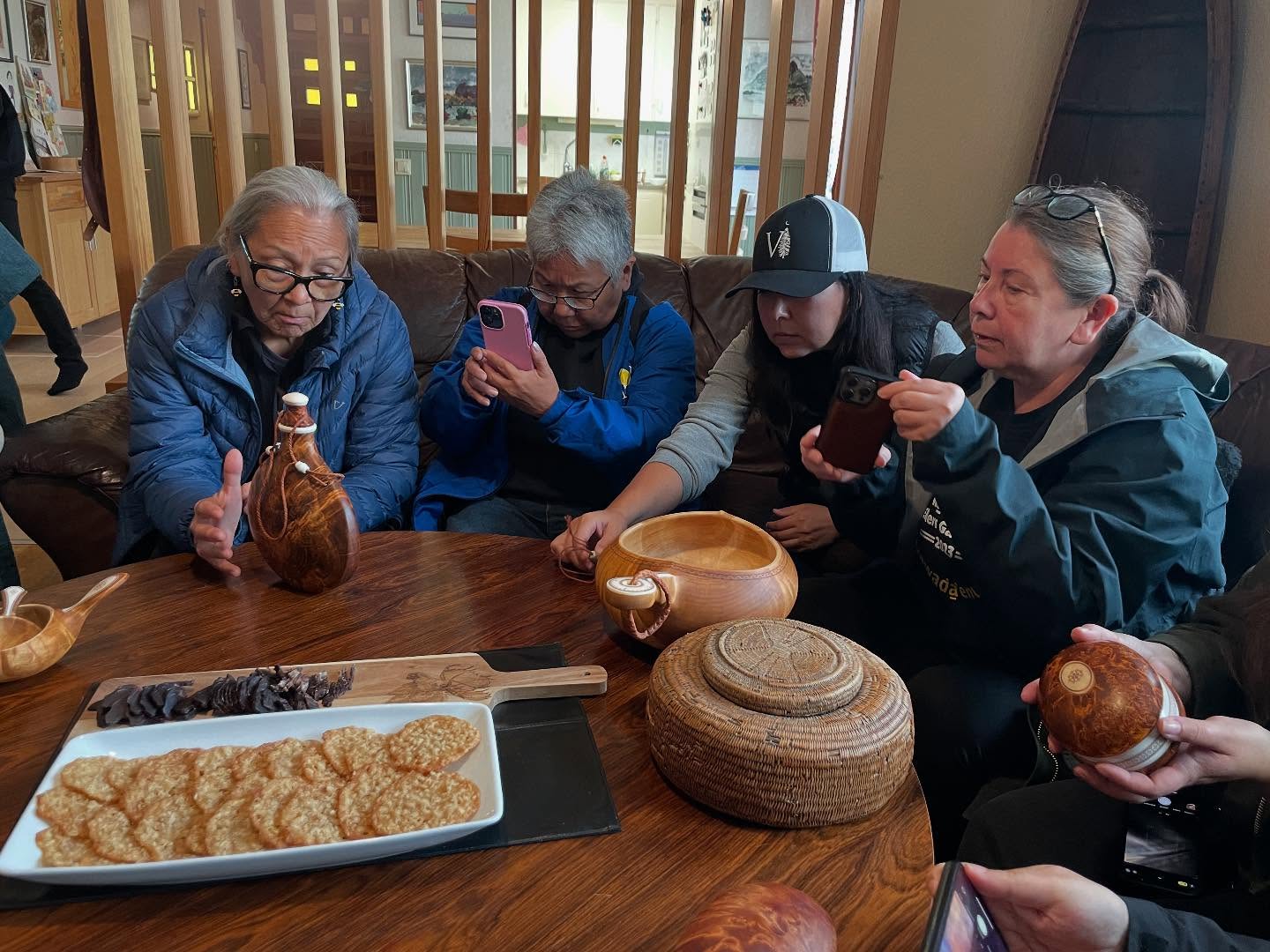
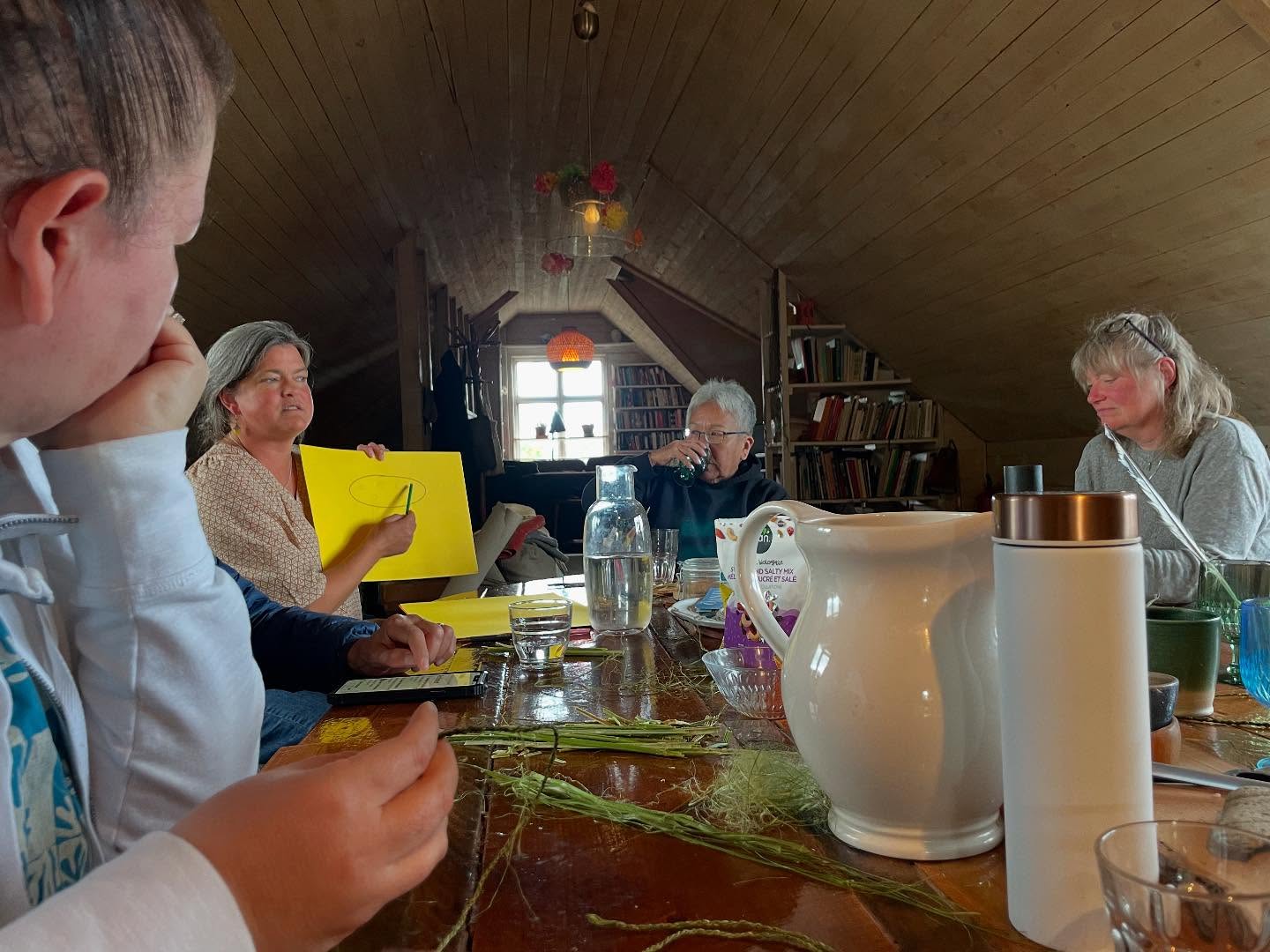
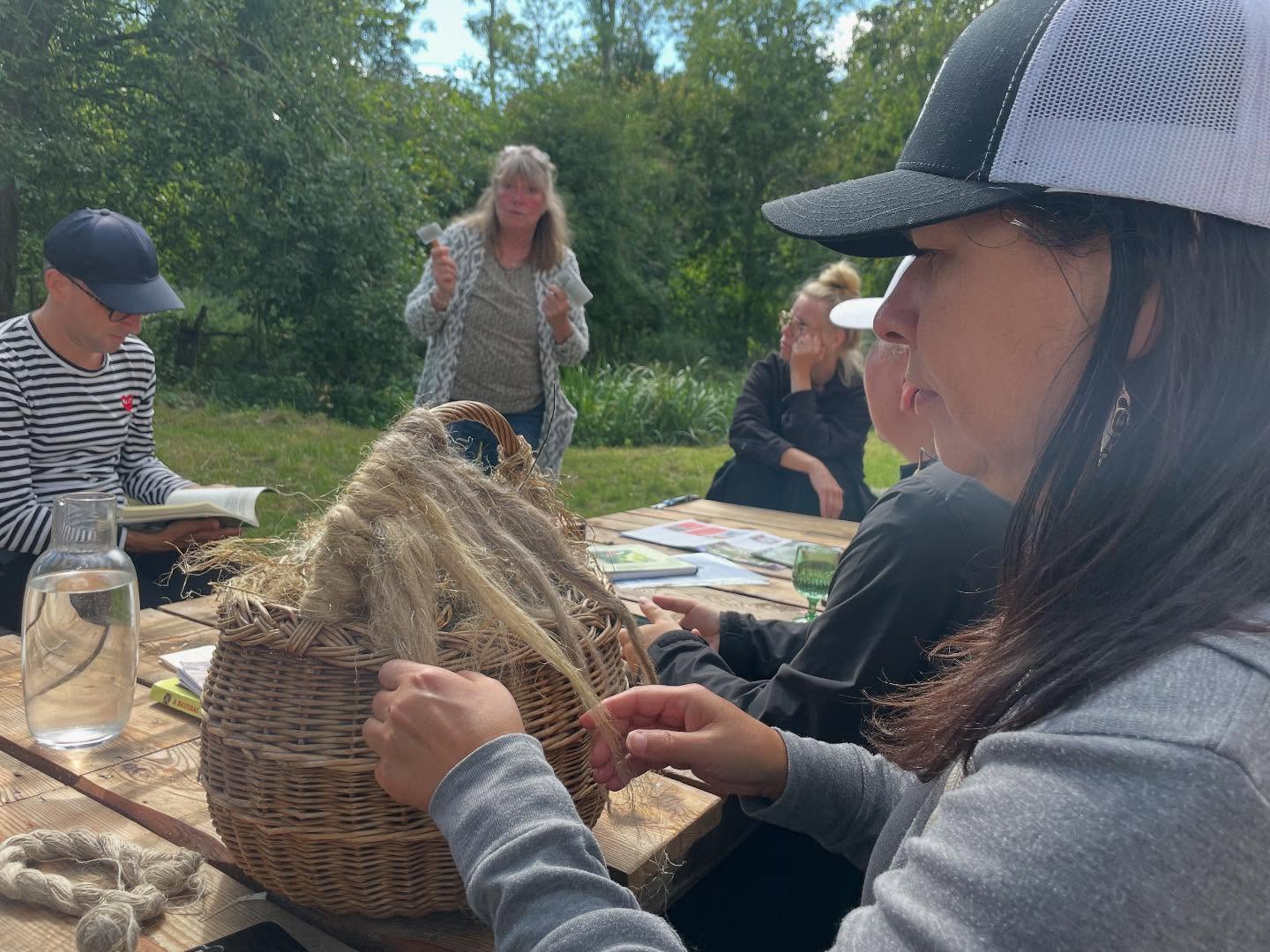
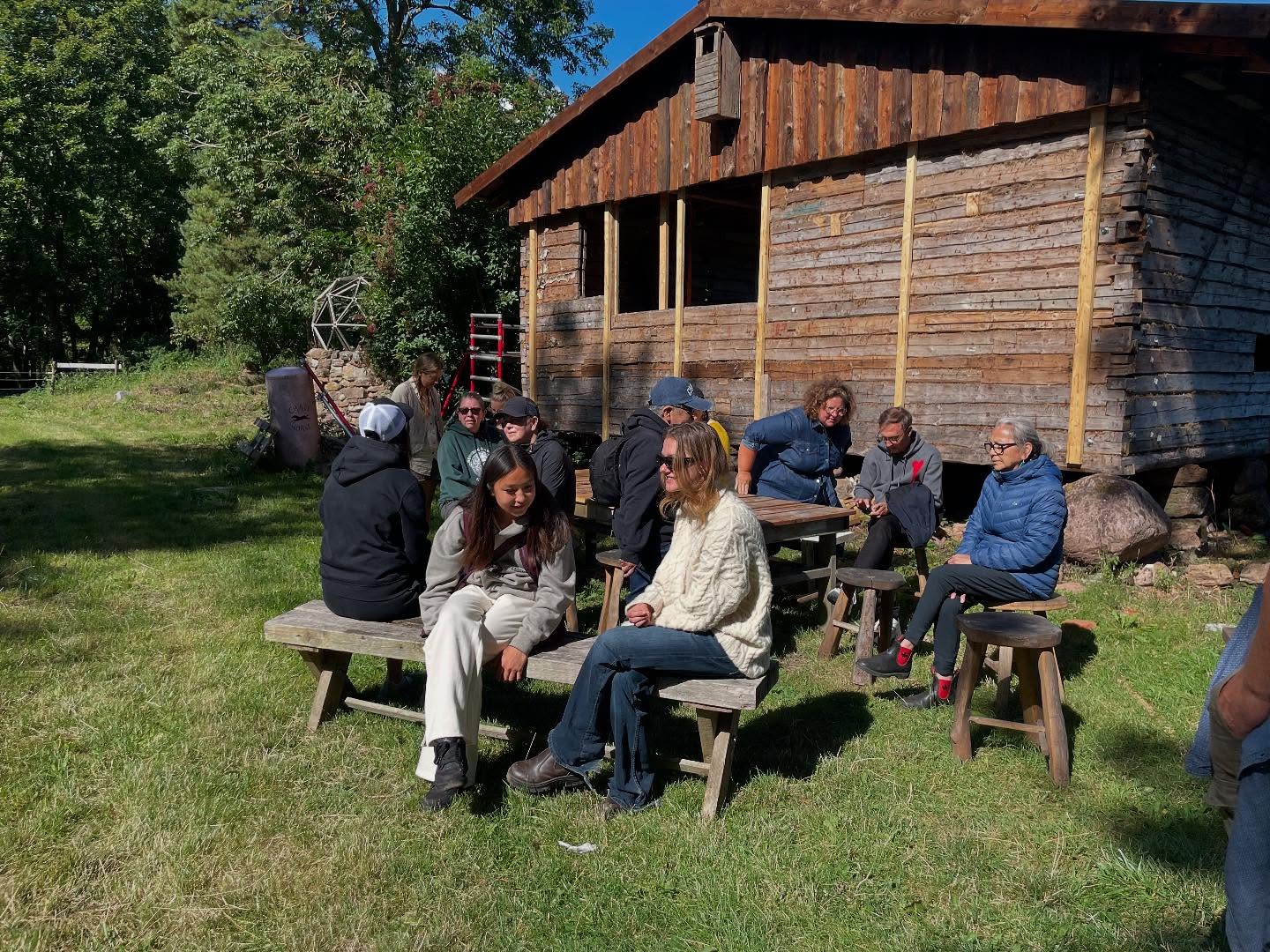
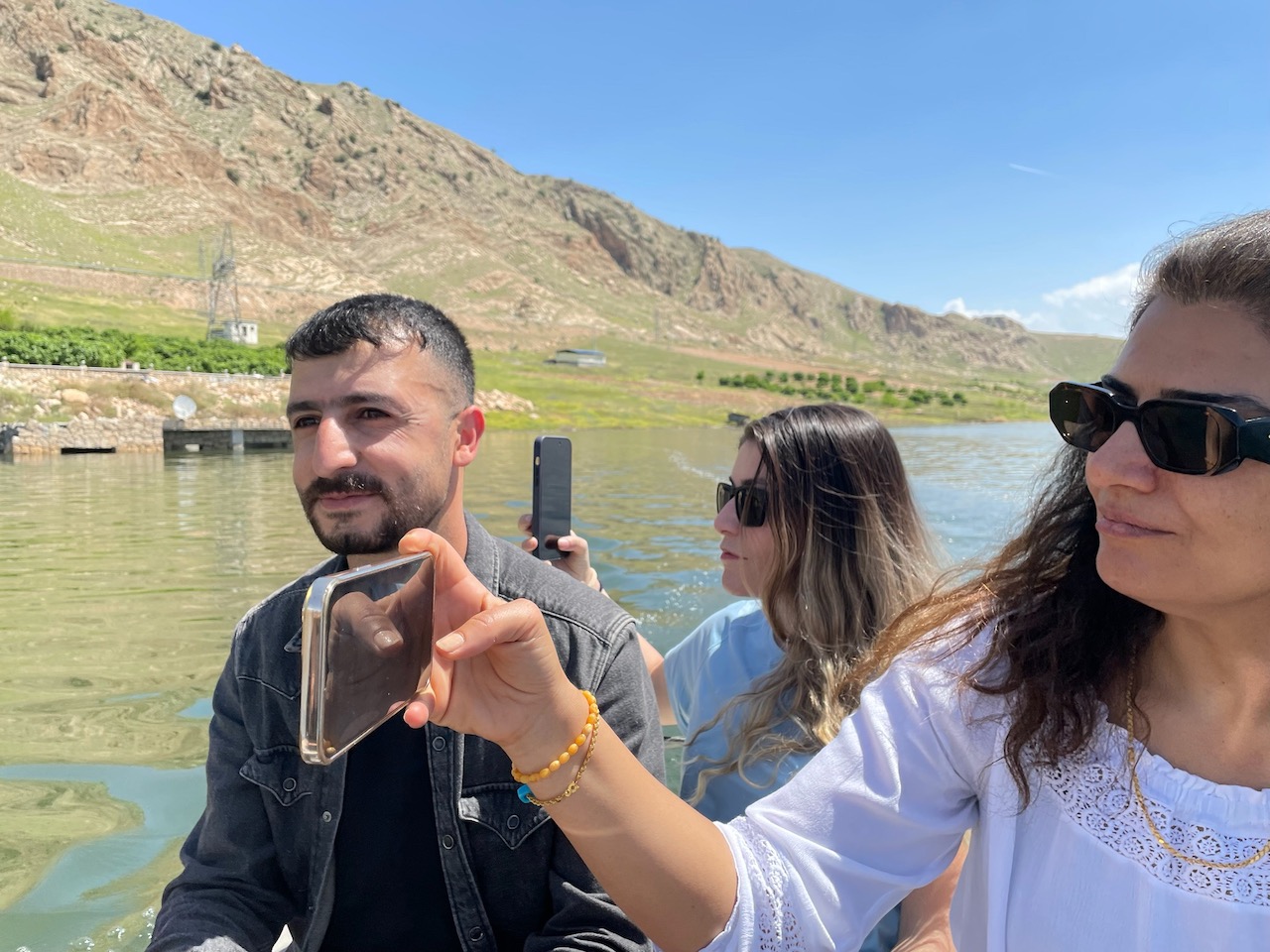
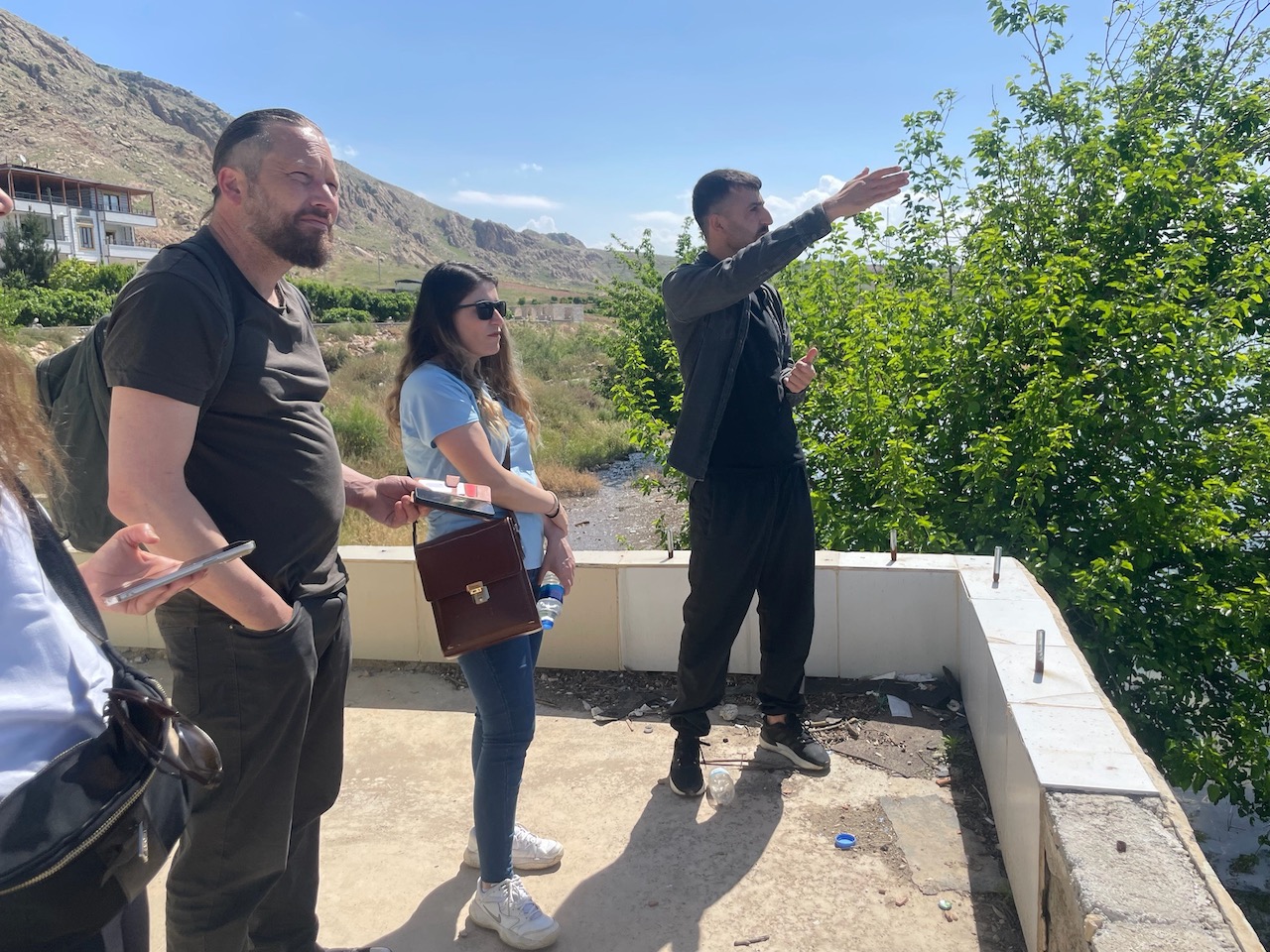
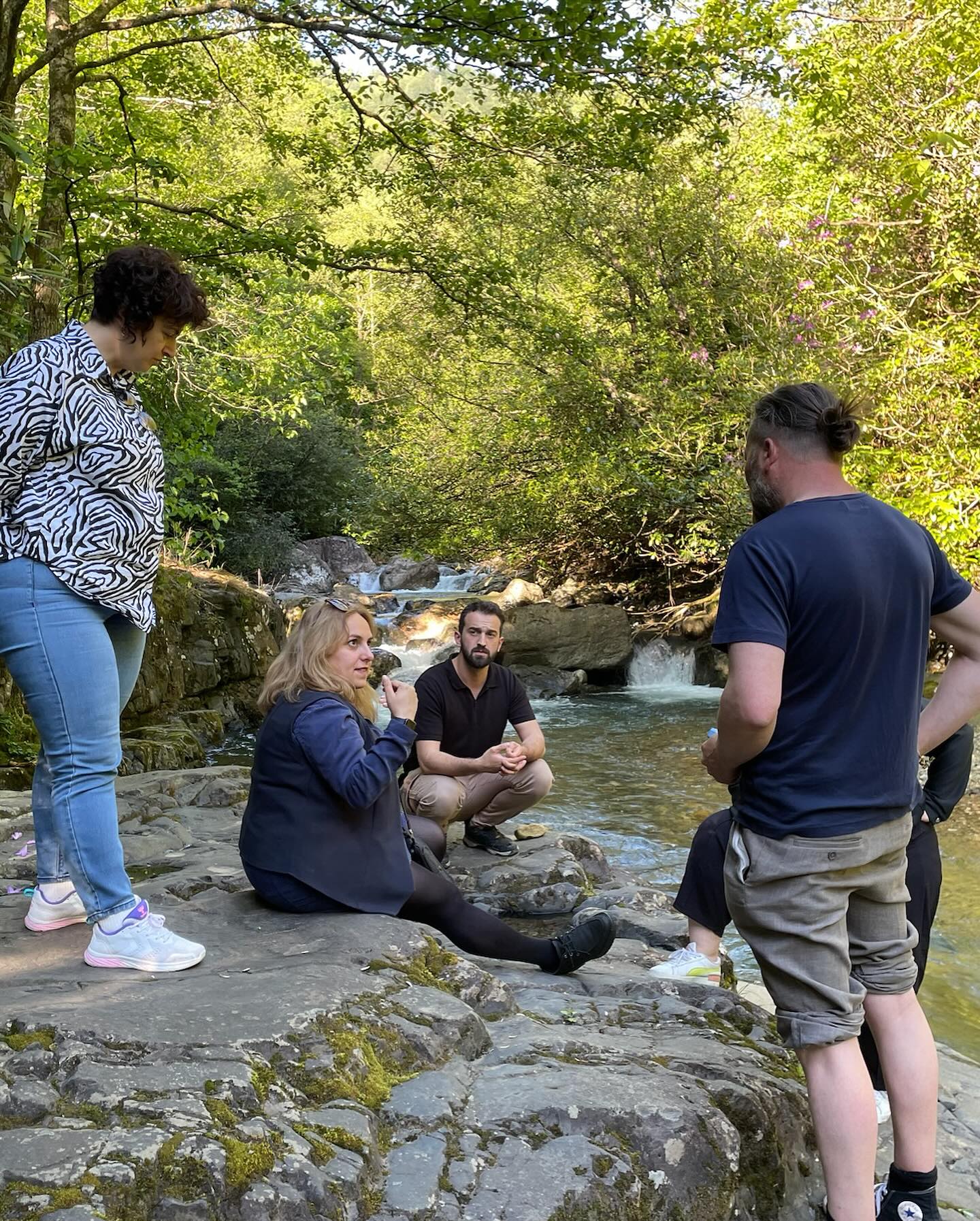
As one of the collaborations, artist Marianne Nicholson and five more members of Dzawada’enuxw First Nation came to Sweden and Kultivator in August this year to look into forest cultivation systems, and together with us re- learn techniques of processing stinging nettle fiber, showed to us by Anette Johansson from the association ”Nellorna”.
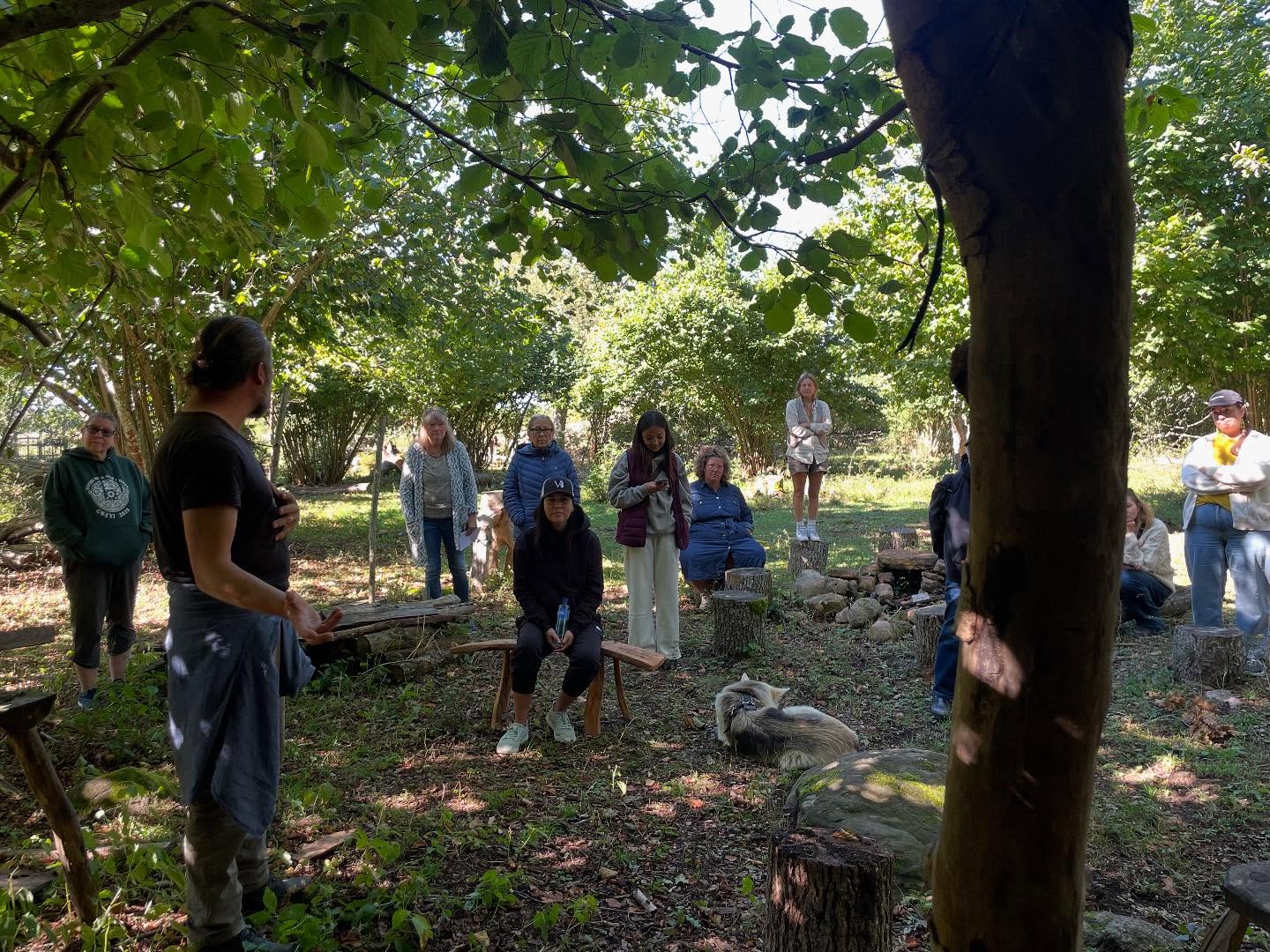
We also visited important and inspiring local cultural sites as Folkessons lada and Lina Studio Lera, as well as had an evening when dr Maria Tengö came to talk to us about her research on land stewardship policies on UN level, developed with indigenous communities.
In 2018, the Dzawada̱’enux̱w First Nation launched the first-ever BC Supreme Court case to extend Aboriginal title to the ocean in their fight against the presence of fish farms in their territory. The land around the mouth of the Gwayi’i River is held by a non-profit land conservation called Nature’s Trust. Nicolson views the conservation’s presence on Dzawada̱’enux̱w territory as “neo-colonial land laundering through philanthropy,” as the conservation acquires land through government grants. Given the historical and ongoing oppressive treatment of the Dzawada̱ʼenux̱w by the Canadian state, Nicolson aims to build international solidarity and opportunities for exchange and learning around issues of land stewardship.
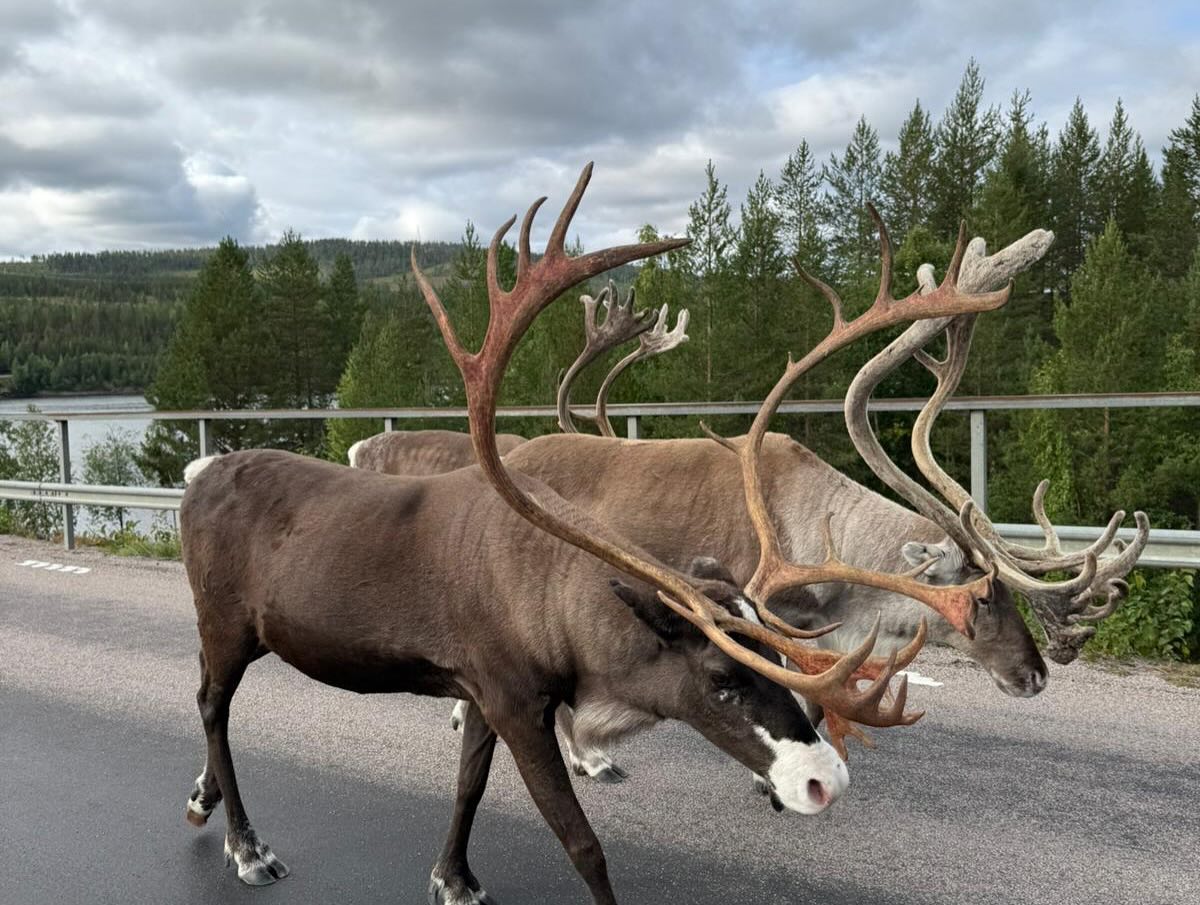
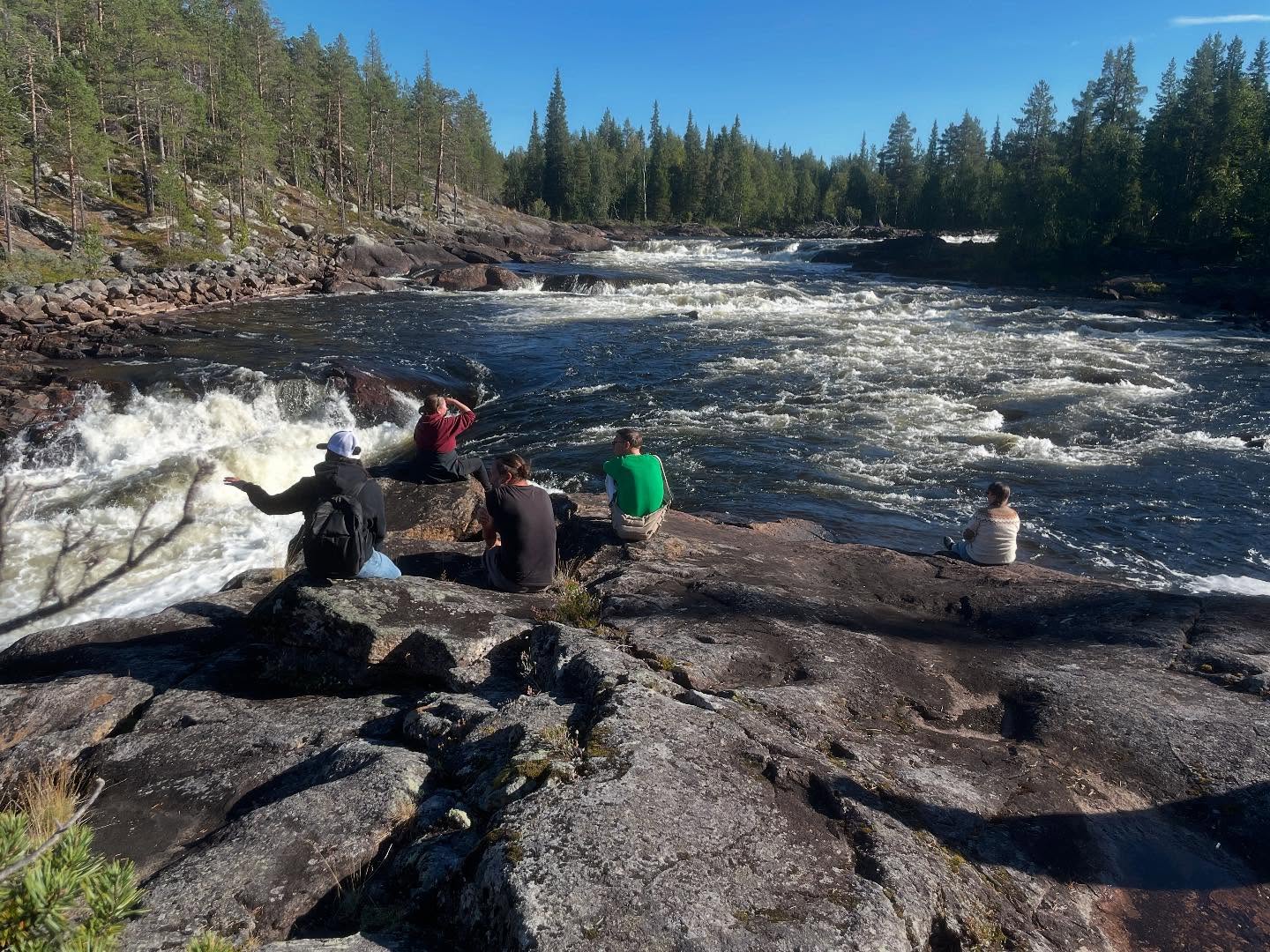
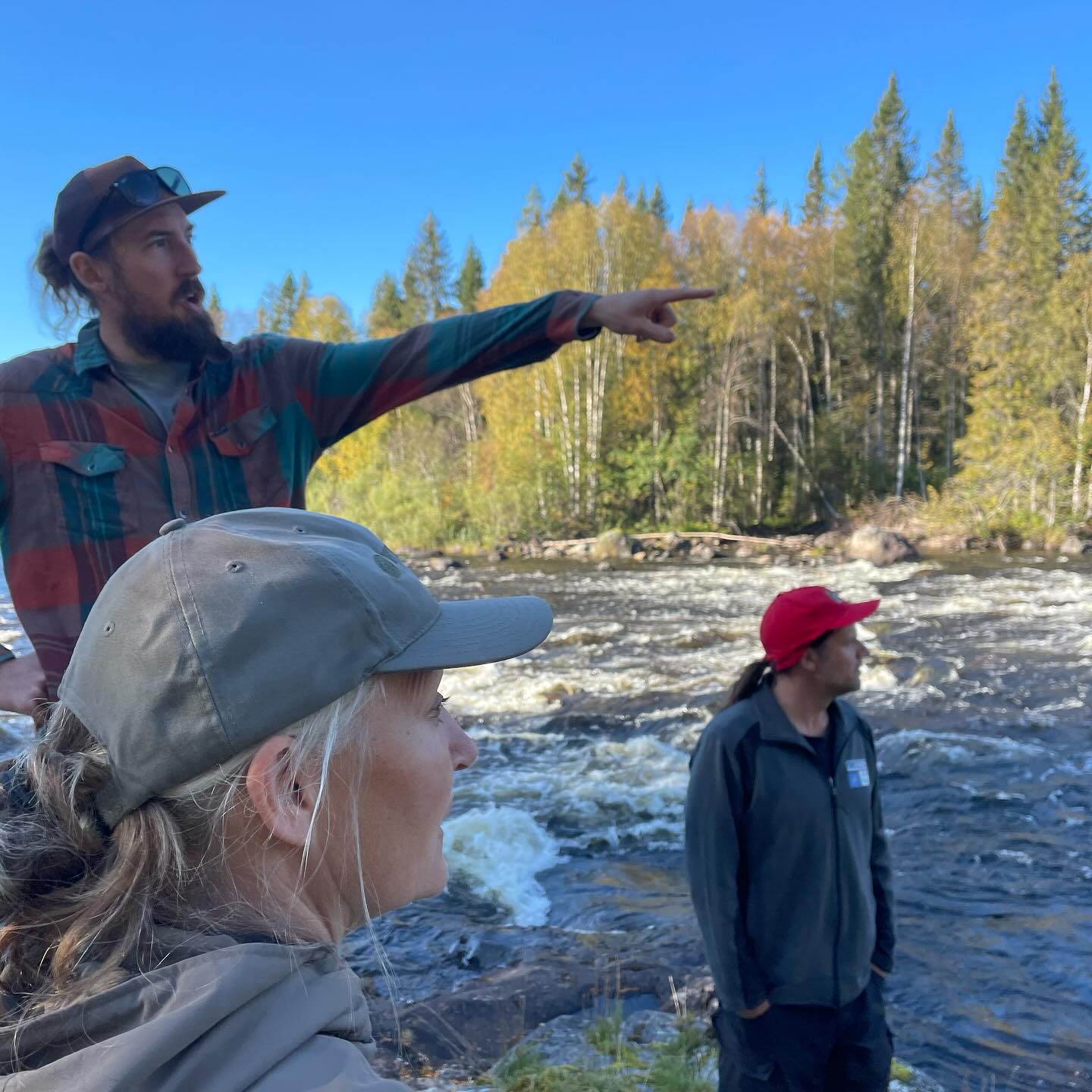
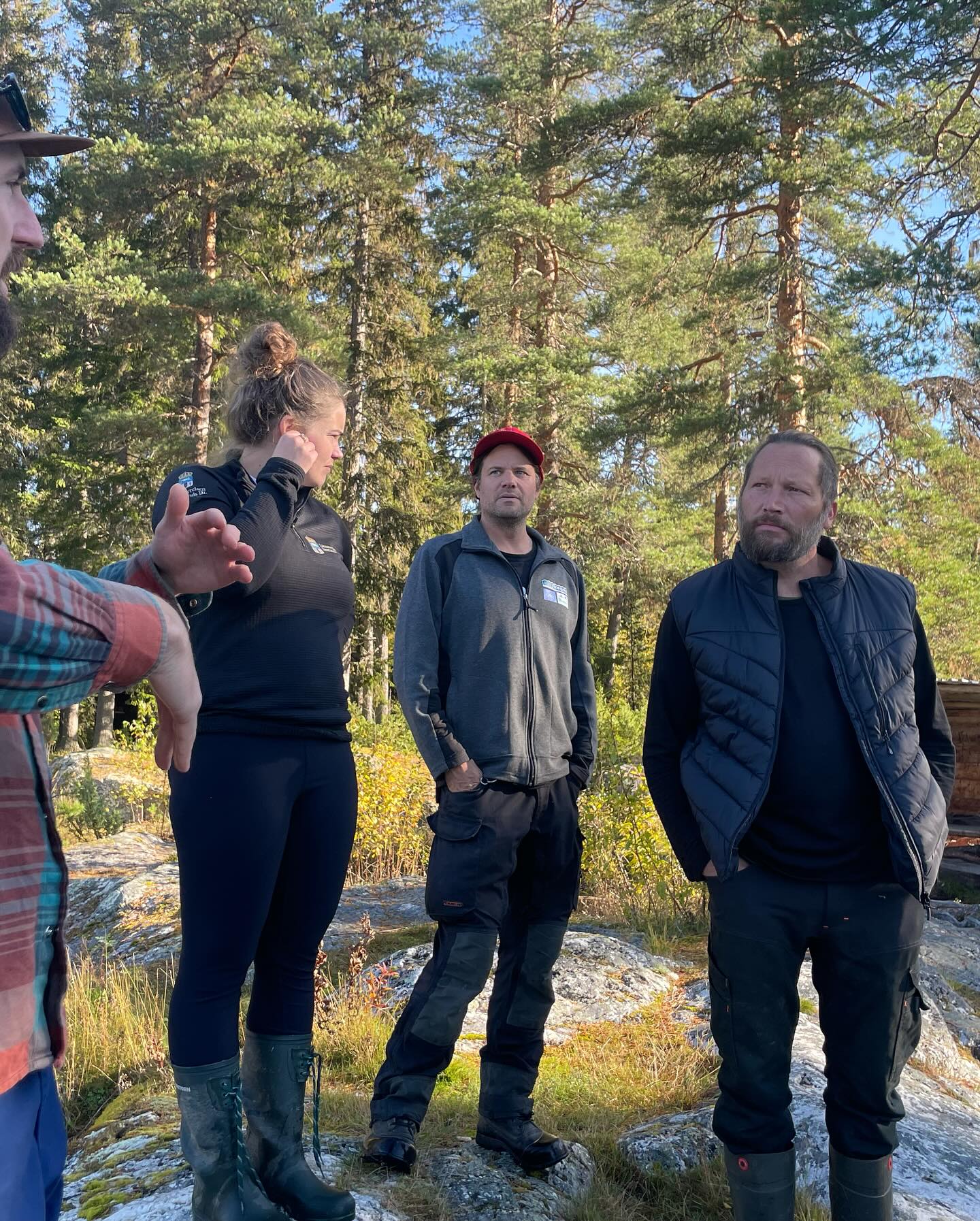
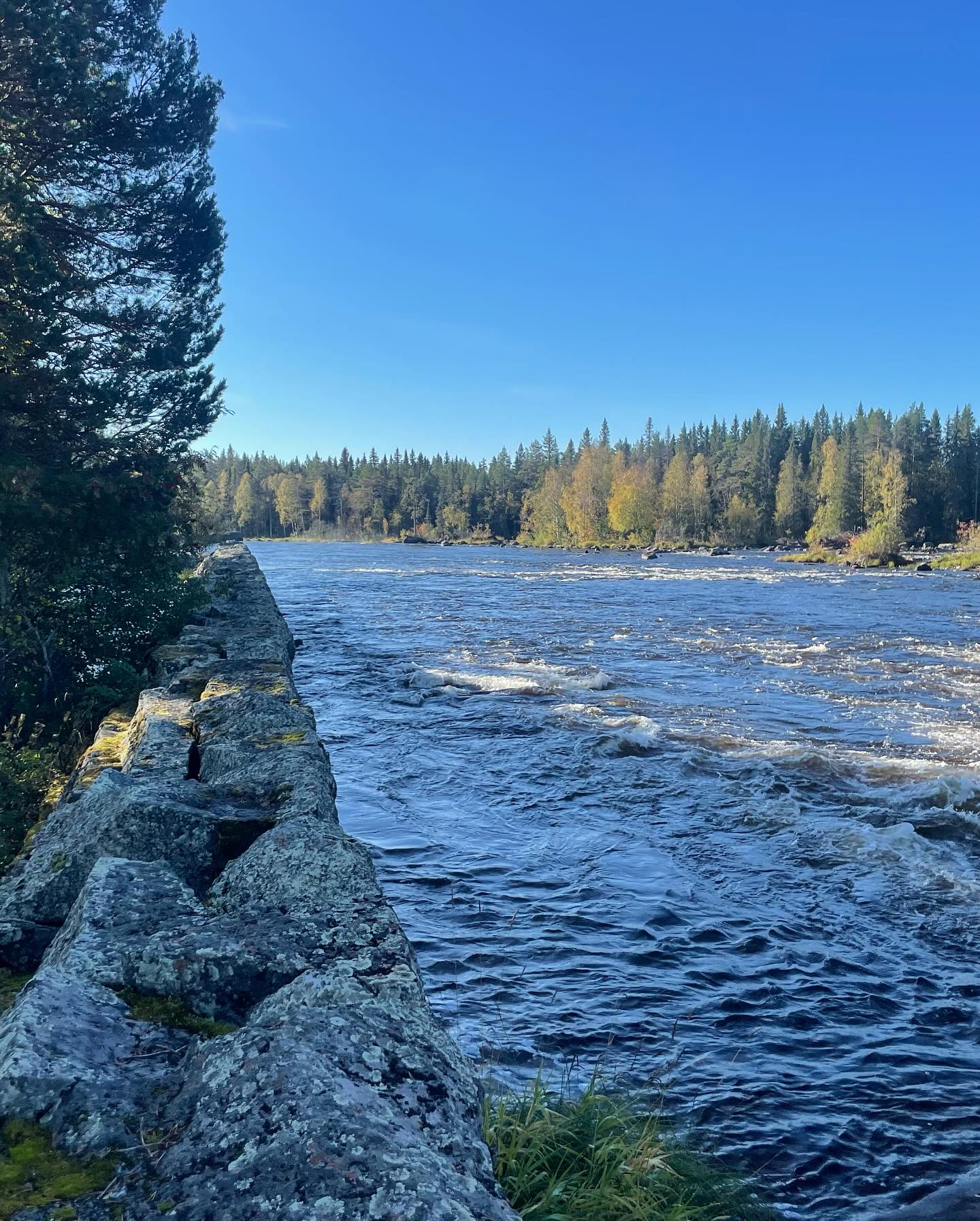
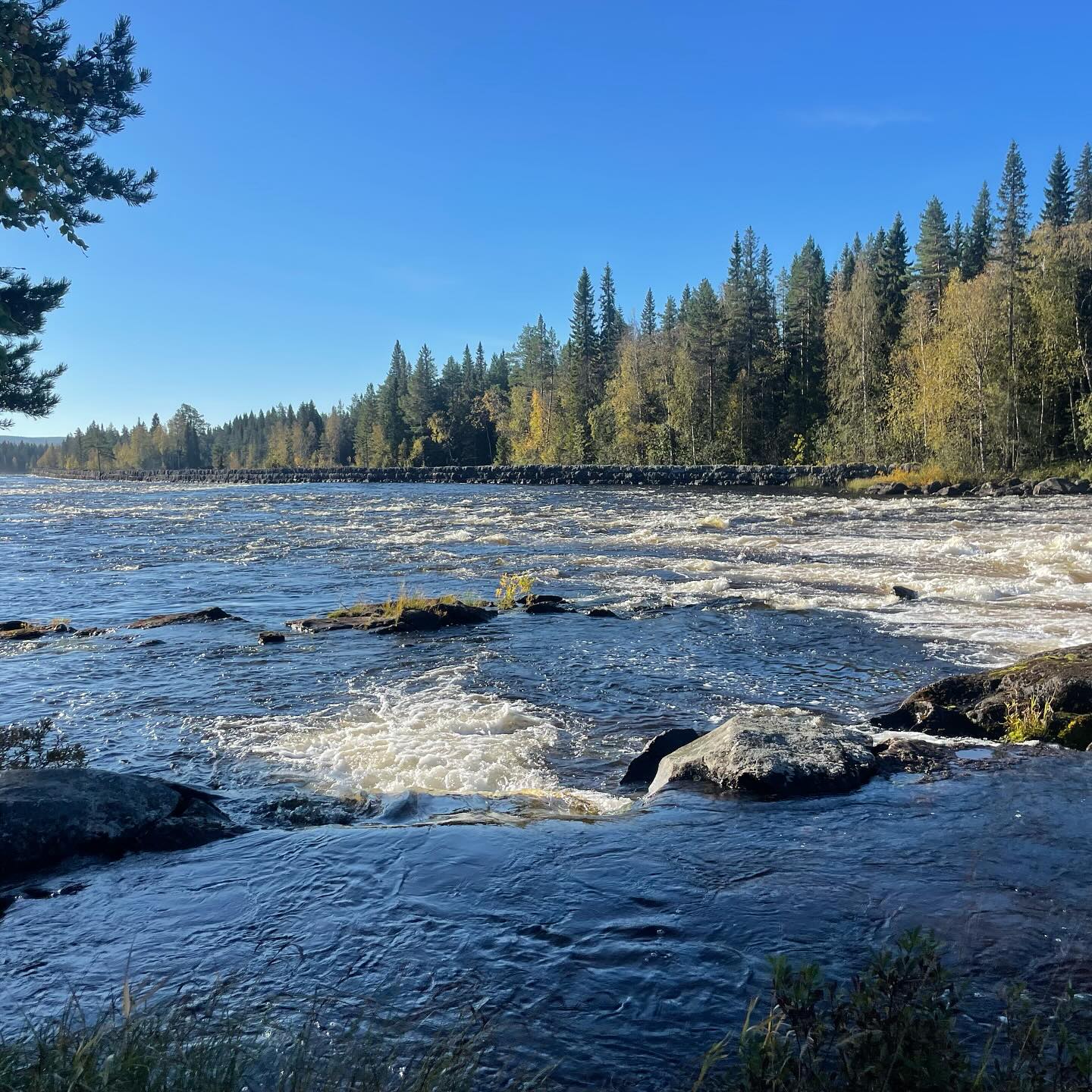
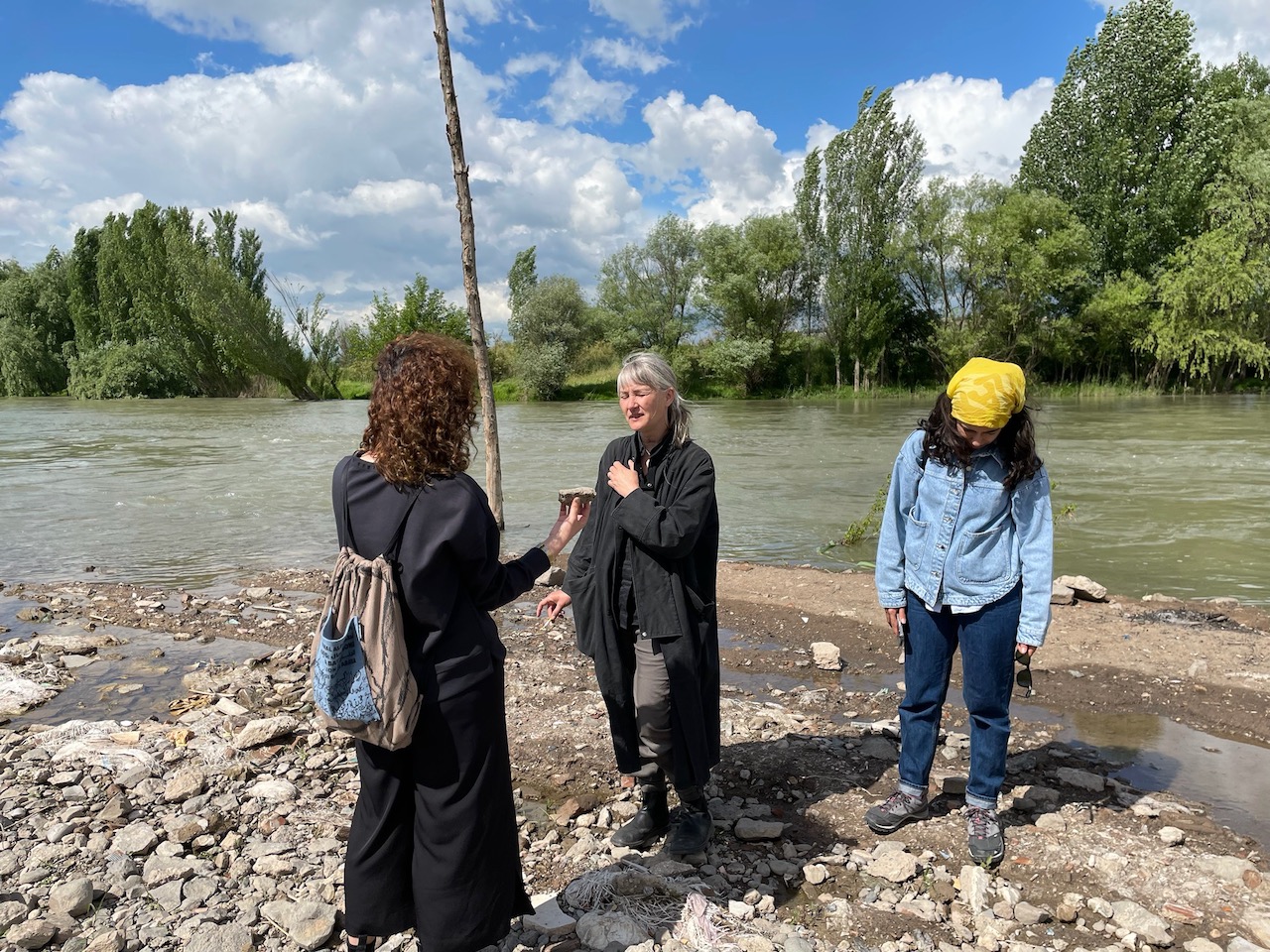
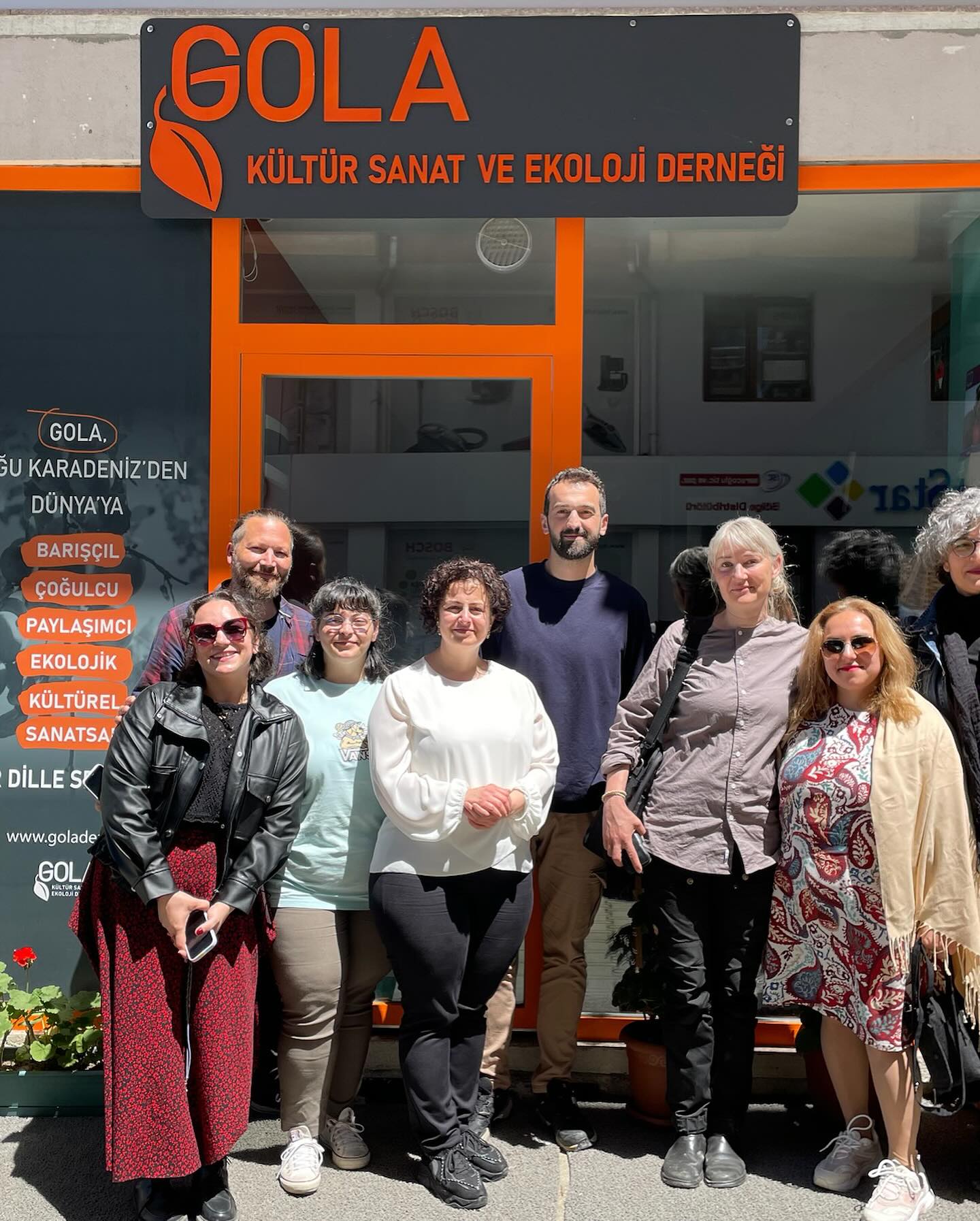
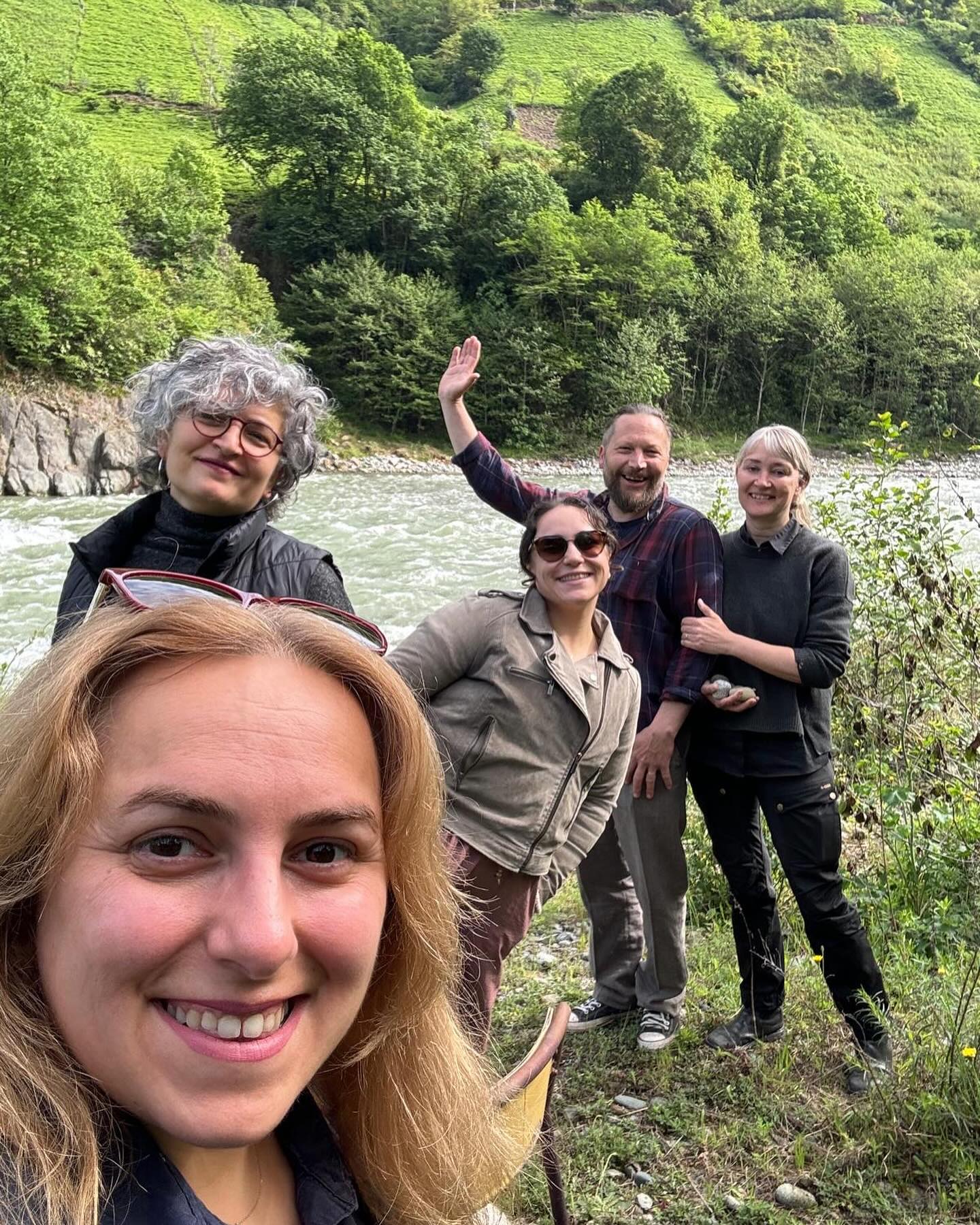
After the stay in Öland, the journey continued to Sapmi and Jokkmokk, where artist Katarina Pirak Sikku introduced us to the beautiful Pearl river, and to the violent history (and present) of the Hydro power stations devastating the rivers and their ecosystems. Our group also met with artists Katarina Spik Skum, Anders Sunna and Jon Thomas Utsi, giving the most sincere and generous exchange. We can not begin to express the gratitude to everyone involved in this, and foremost to Marianne, Dawn, Midori, Char, Millie and Ellie -Thank you for leaving your precious place to make this long travel and letting us see our place and the colonial north of Sweden also through your eyes. We are looking forward to see you again in Gwayi’i already in May for more nettle fiber and resistance art!

Collective work session in the Tell it to the field research

Collective work session in the
Tell it to the field research.

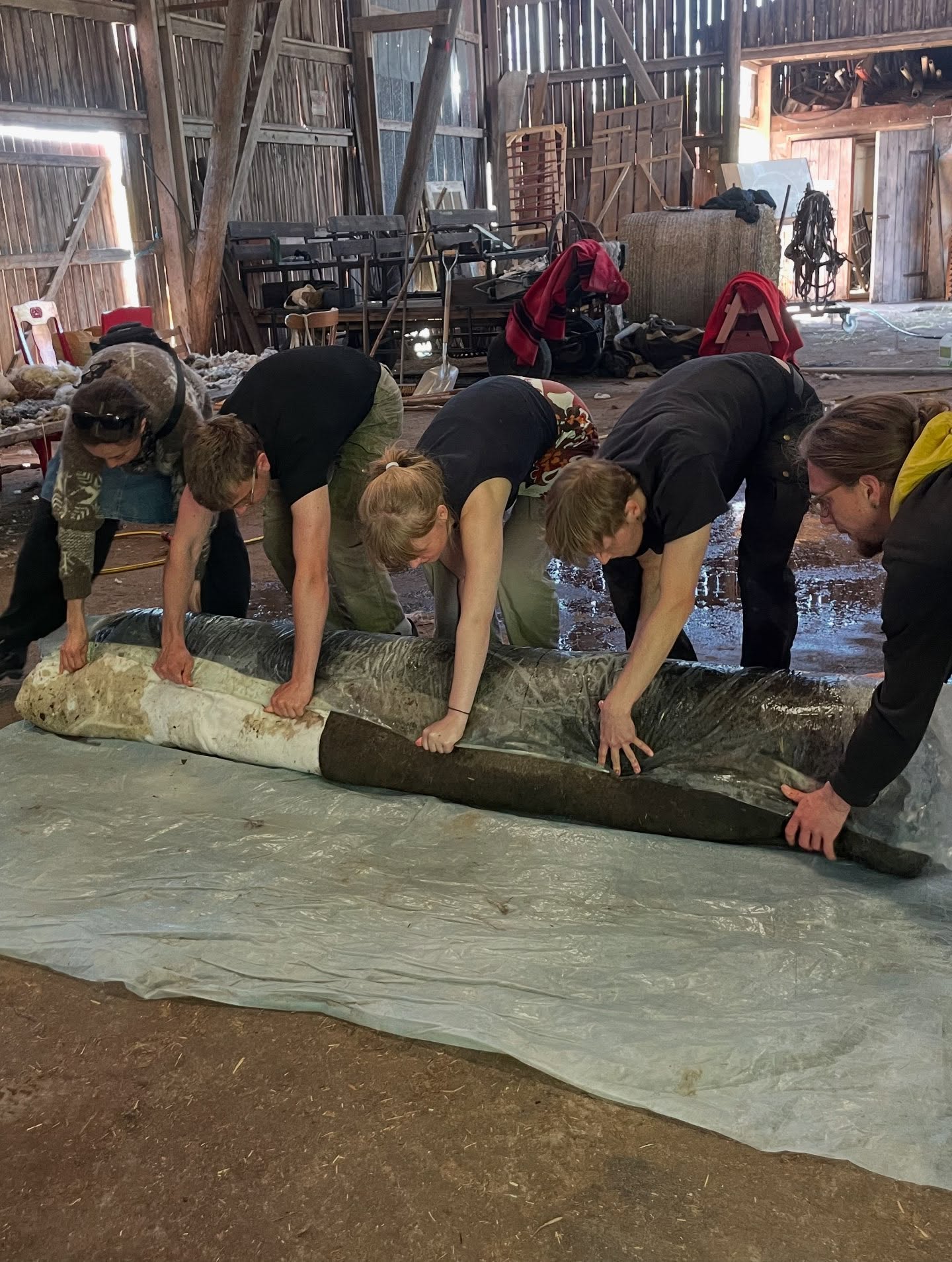
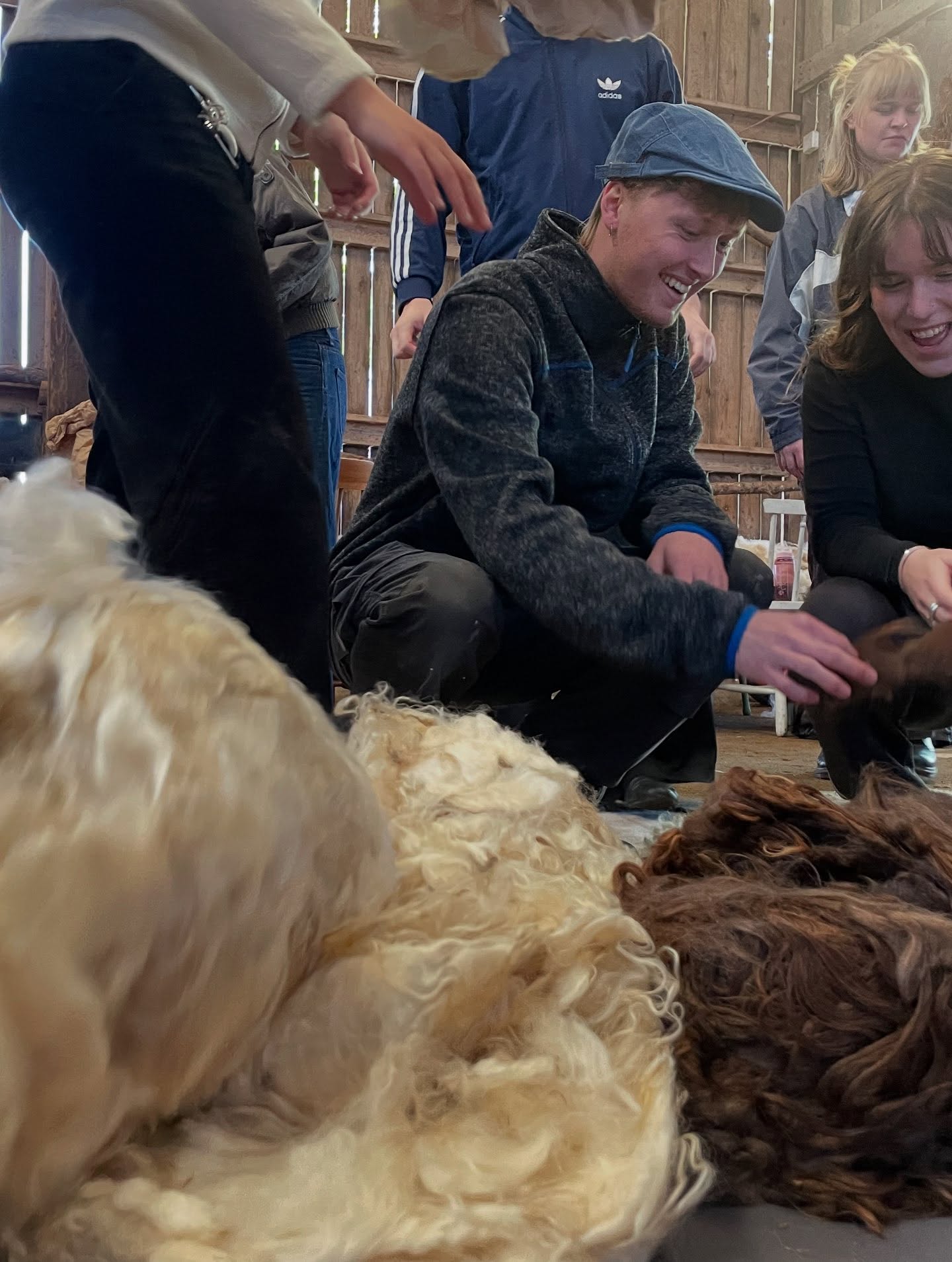
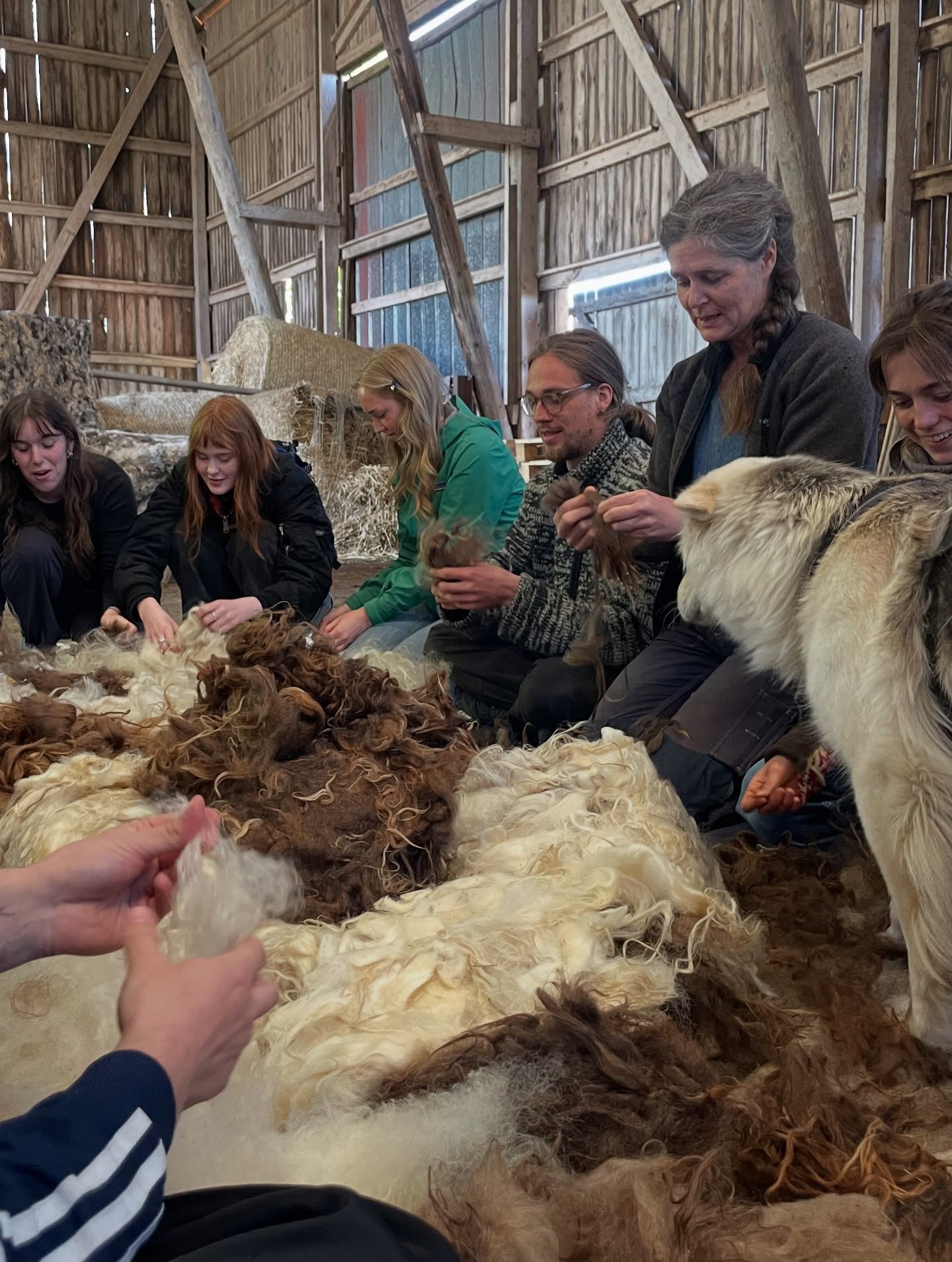
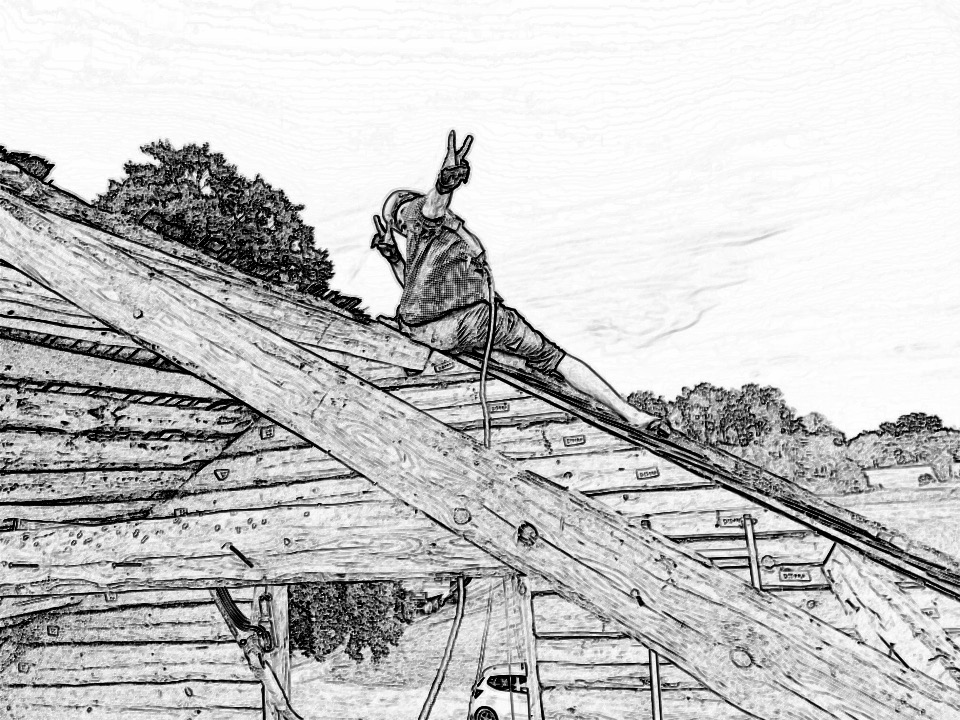
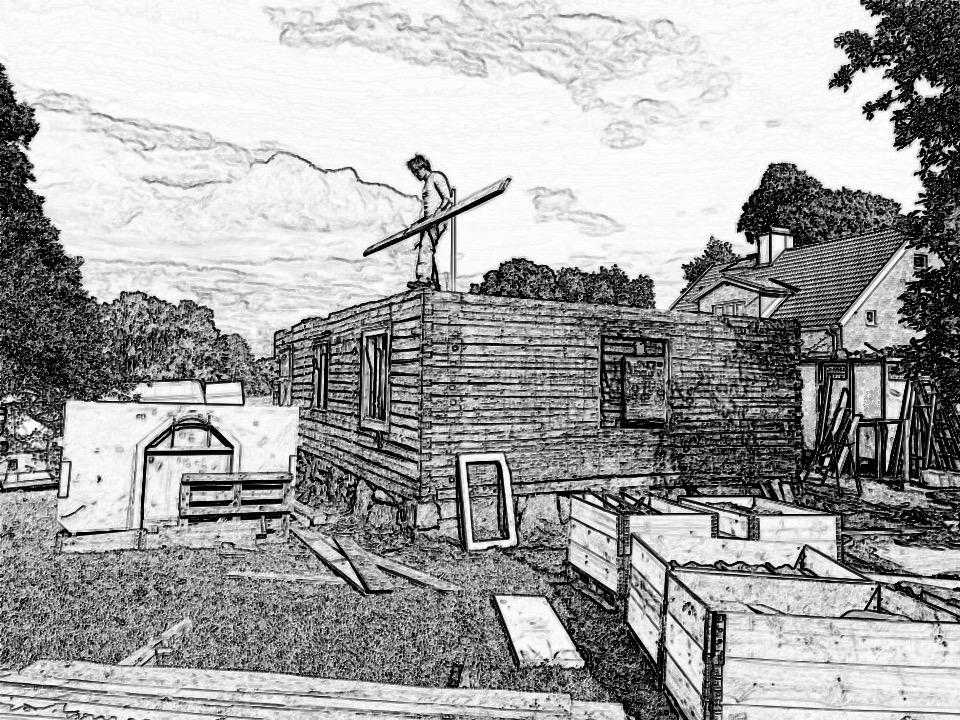
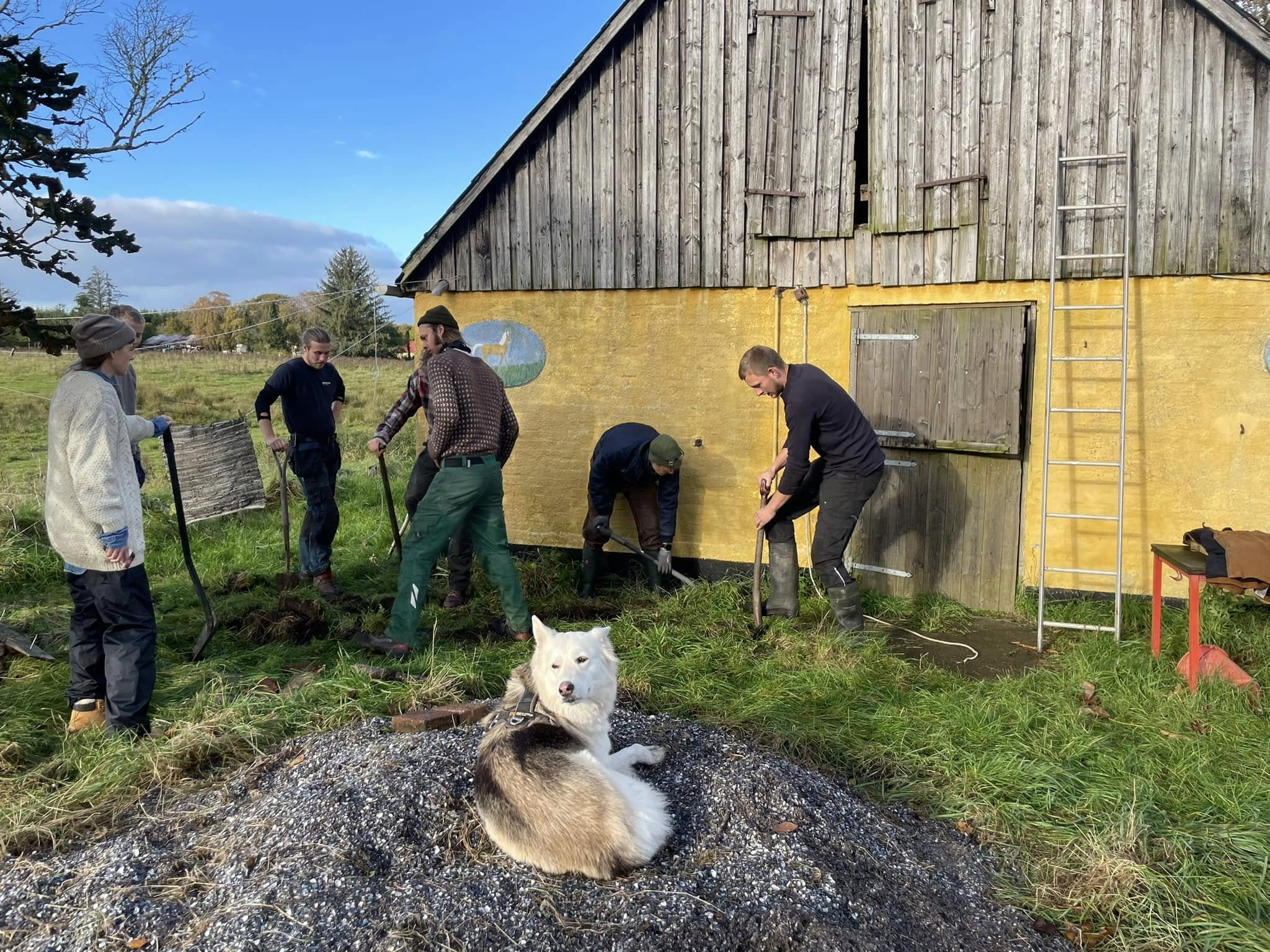
From the first collective work session in the Tell it to the field research. In collaboration with Jelmer Verhagen and with amazing guest researchers @konstettan! In one week (with plenty of preparation,) we managed to felt 2/3 of the walls, and raise the whole wood structure of the Shelter and Brain in the field – the Ger. All gratitude to the hazel, sheep, horses, dandy lions and folk songs for making this beginning of more telling and listening fieldwork…

Other hydro powers Lekgruset Ammeran

Other hydro powers
Lekgruset, Ammerån

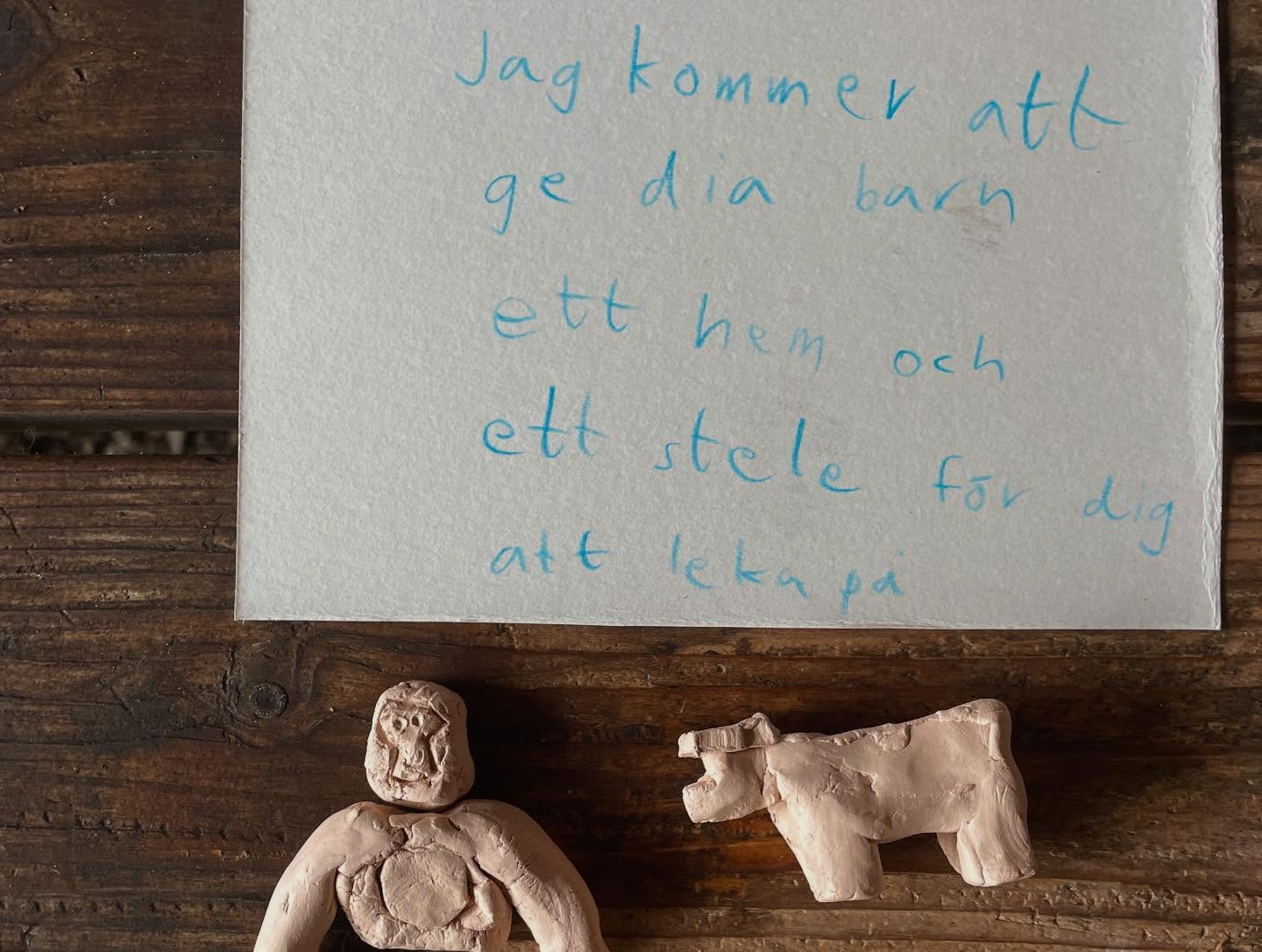
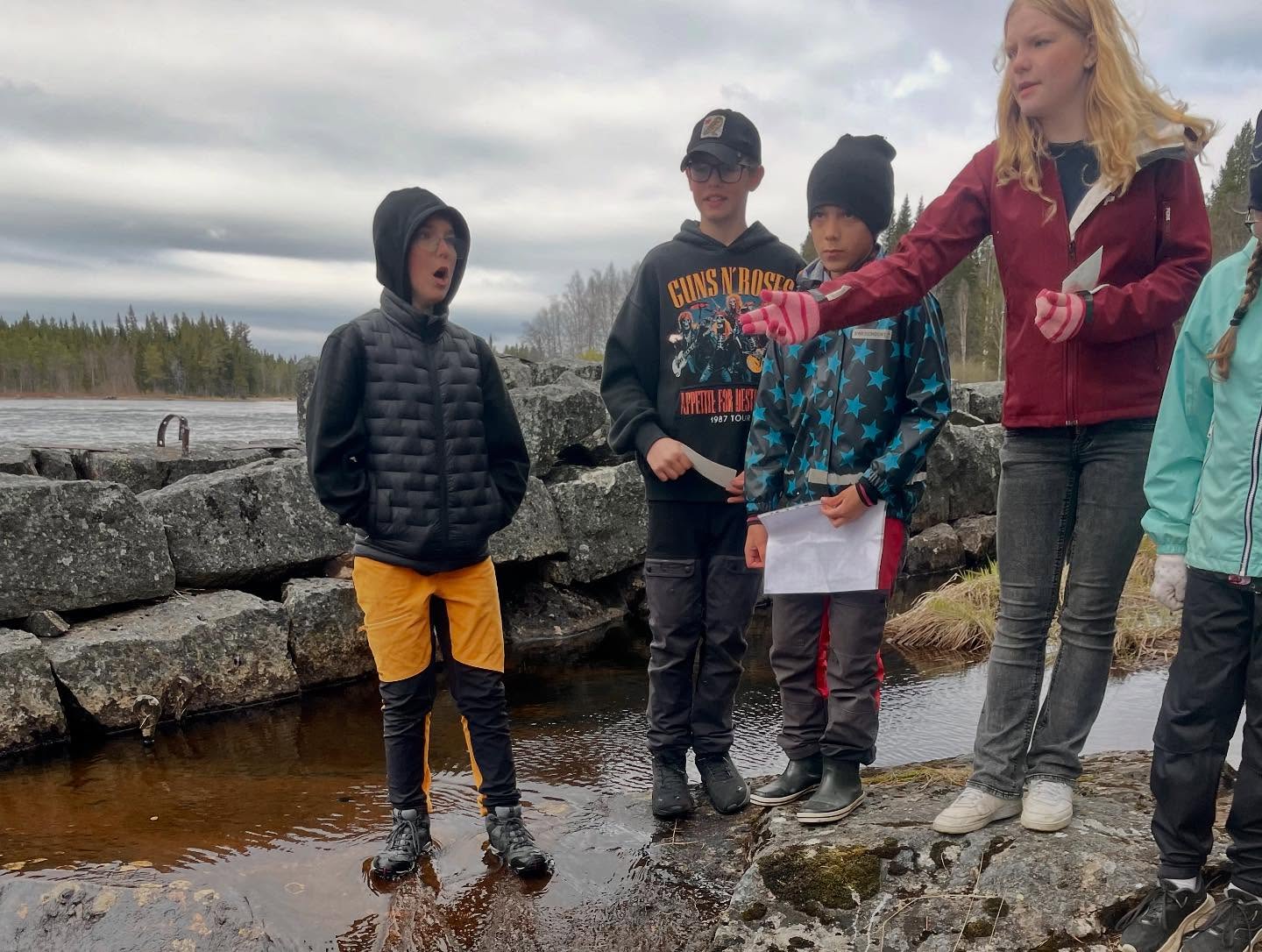
Lekgrus i Ammerån, a part of the project Other hydro powers, supported by Swedish arts grants committee. The project connect several rivers and their nearby peoples in Sweden and Canada.
In collaboration with Eco streams for life, Jämtland and Grevåkerskolan Hammerdal.
Lekgrus = spawn gravel, where in Swedish the word for spawn is the same as for play..
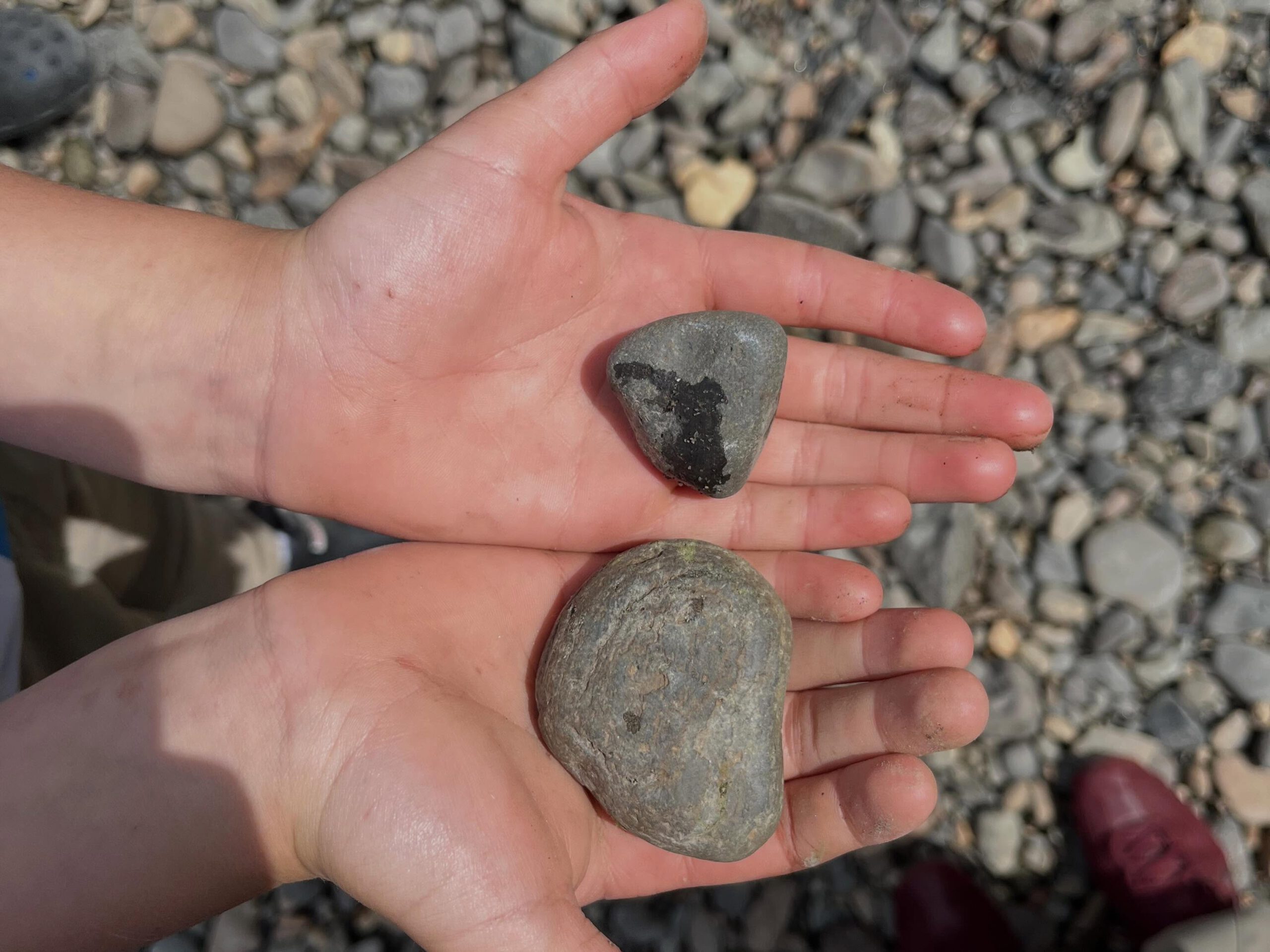
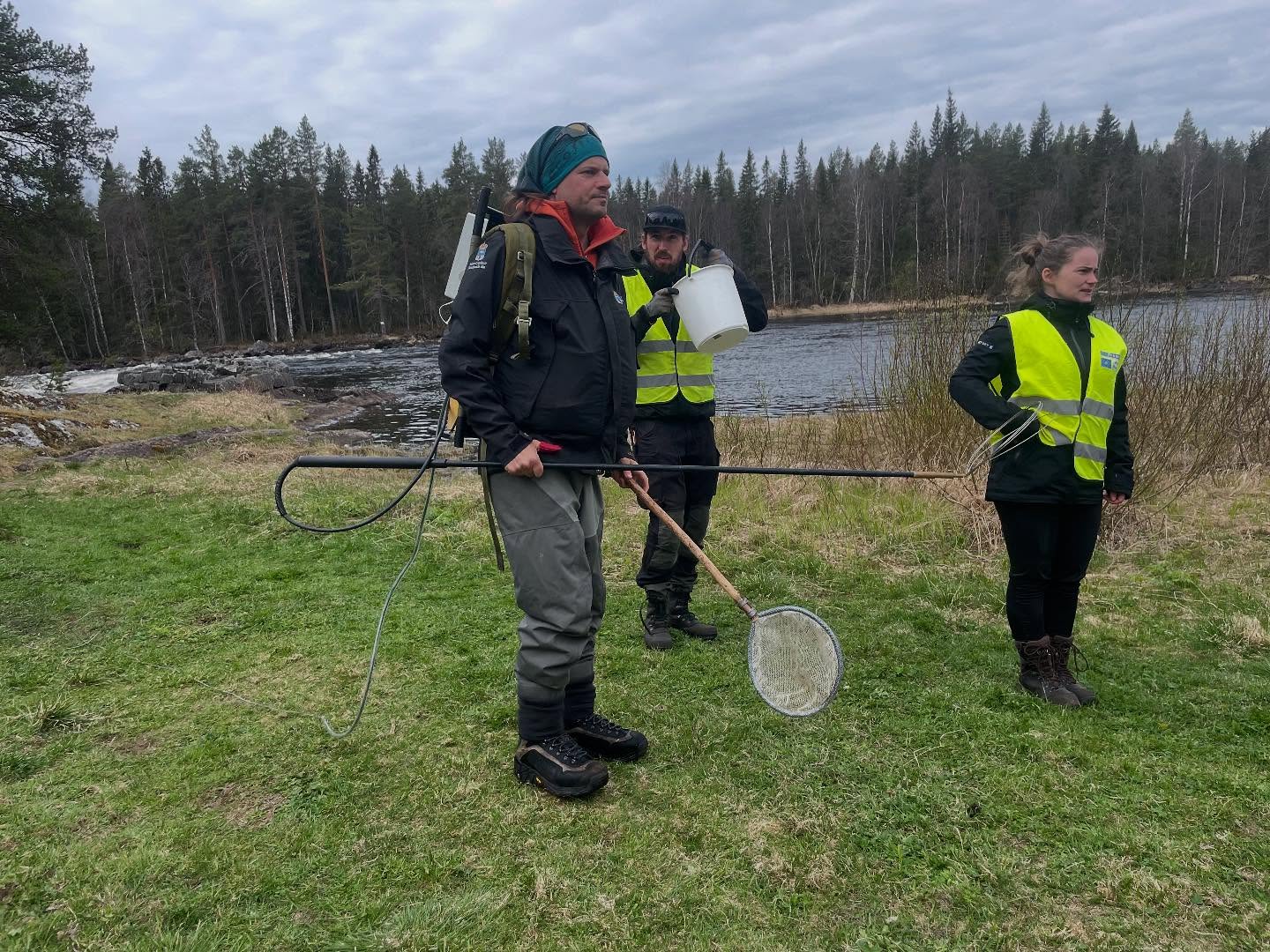
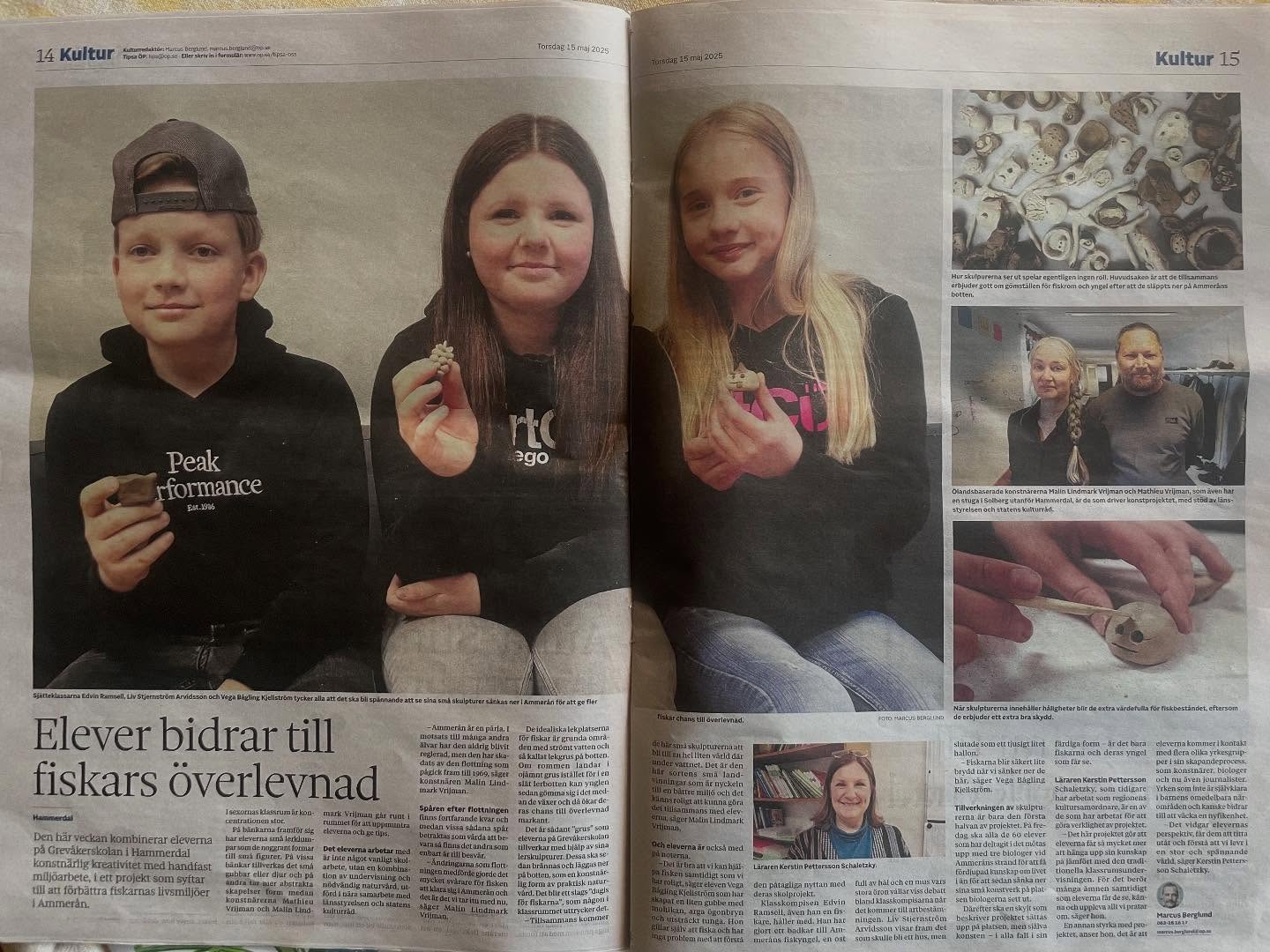
From an initial field trip meeting with biologists of the eco streams for life project that restores (amongst others) the river Ammerån, and their explanations to us what they are working on, we especially took with us the word Lekgrus (spawn gravel). The word inspired us to reach out to children living near the river, and together with Grevåkerskolan in Hammerdal, we could set up a collaboration around the river ecosystems, and particularly the way fish use gravel as a nursery for their young.
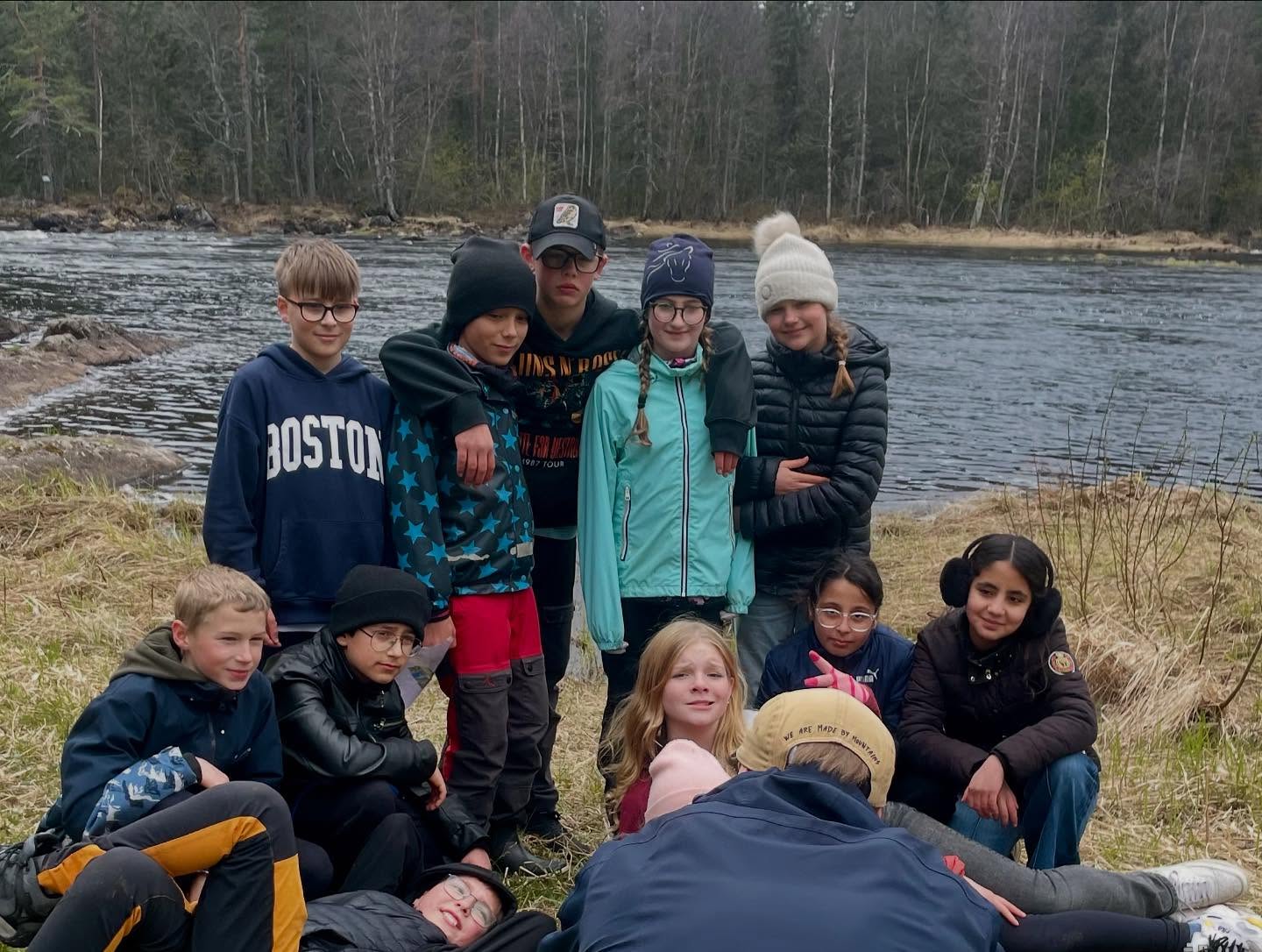
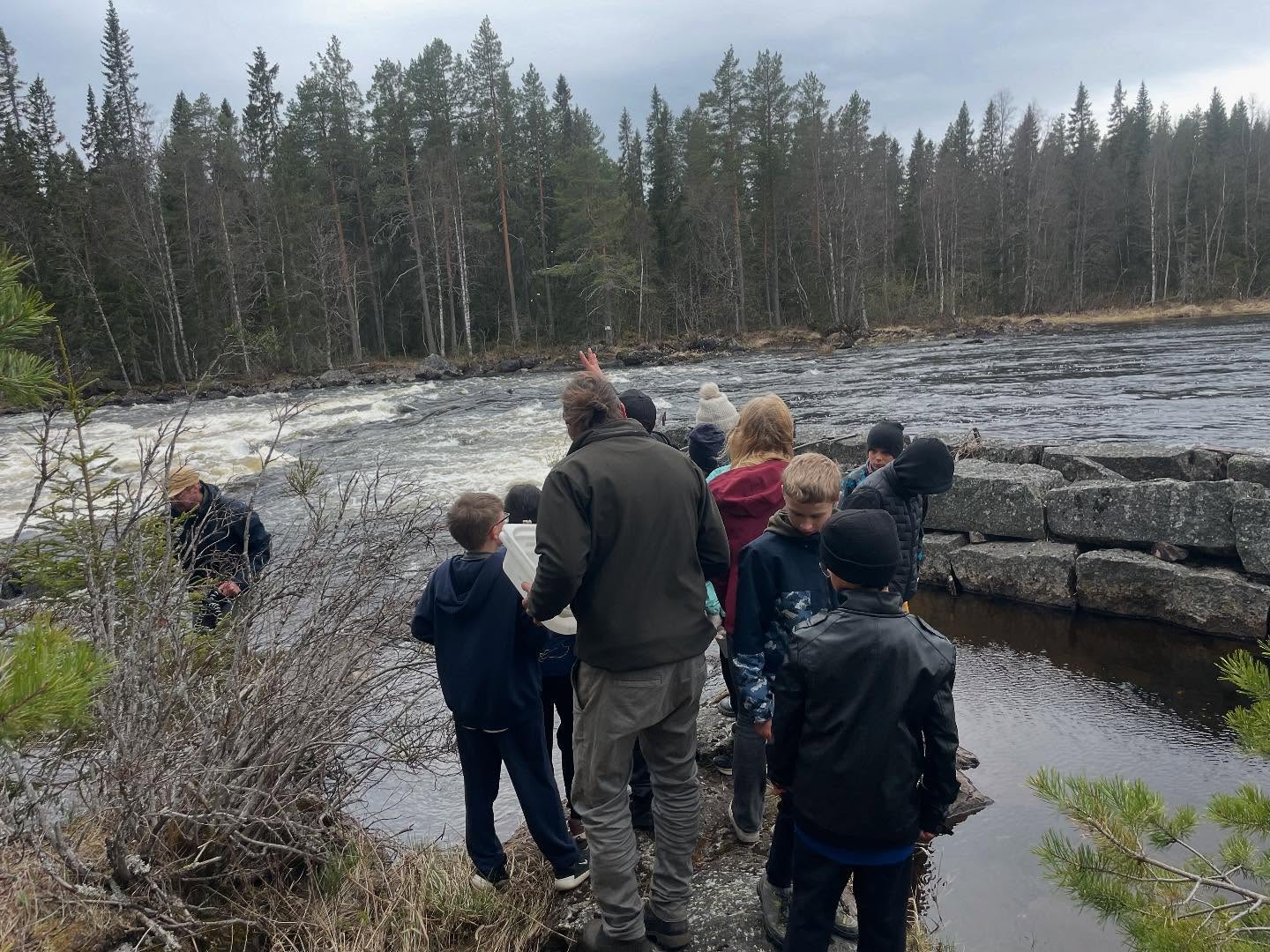
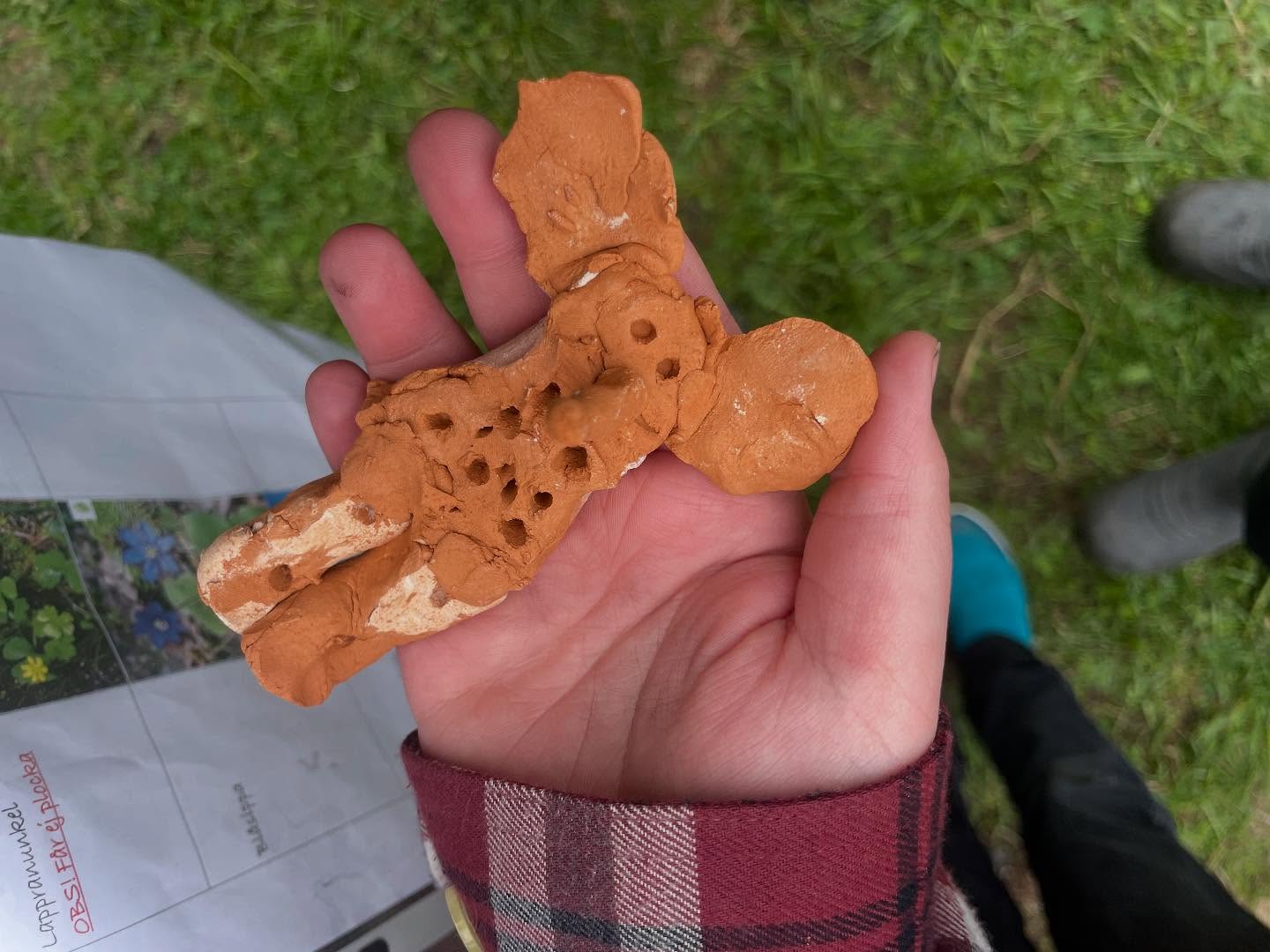
The school and teachers of 4 classes (60 kids) planned together with us and the biologists a week dedicated to the river in May 2025. In this week we held workshops making tiny sculptures of river clay for the spawning fish together, the children studied river eco systems, the history of rafting in the river, and the life and family making of the trout and other fish. On the last day we went out to Ammerån, and placed the Lekgrus in the river bed.  The biologists from eco streams for life showed us a suitable place, and presented their work with restauration of the river.  For every tiny sculpture that was lowered into the water, a greeting from the young artist to the young fish was written and drawn with watercolor. Many of them was wishing the young fish good luck, and many wished to catch and eat the fish once it was grown up. Which would be about the same time as the human kids would be young adults. Given, of course, that Ammerån still runs healthy and alive between Solbergsvattnet and Indalsälven then.

New commons Guest habitat

New commons, Guest habitat

New Commons (Skogen, Kultivator, Ställbergs Gruva/Folkets Hus)

In the New Commons project, concrete examples and suggestions are implemented, built and organized on how cultural actors can develop new commons, organize resource sharing and drive processes for increased local resilience. Ställbergs Gruva is involved in developing a cultural center organized jointly with the associations and the municipality of Kopparberg. In Gothenburg and Mariestad, Skogen is practically and theoretically experimenting with sharing systems and new models and methods. Kultivator on Öland is creating a residence and village-wide meeting place that enables hosting based on local organization and local resources.

more info here.

Letters to the Future Grasslands

Letters to the Future Grasslands

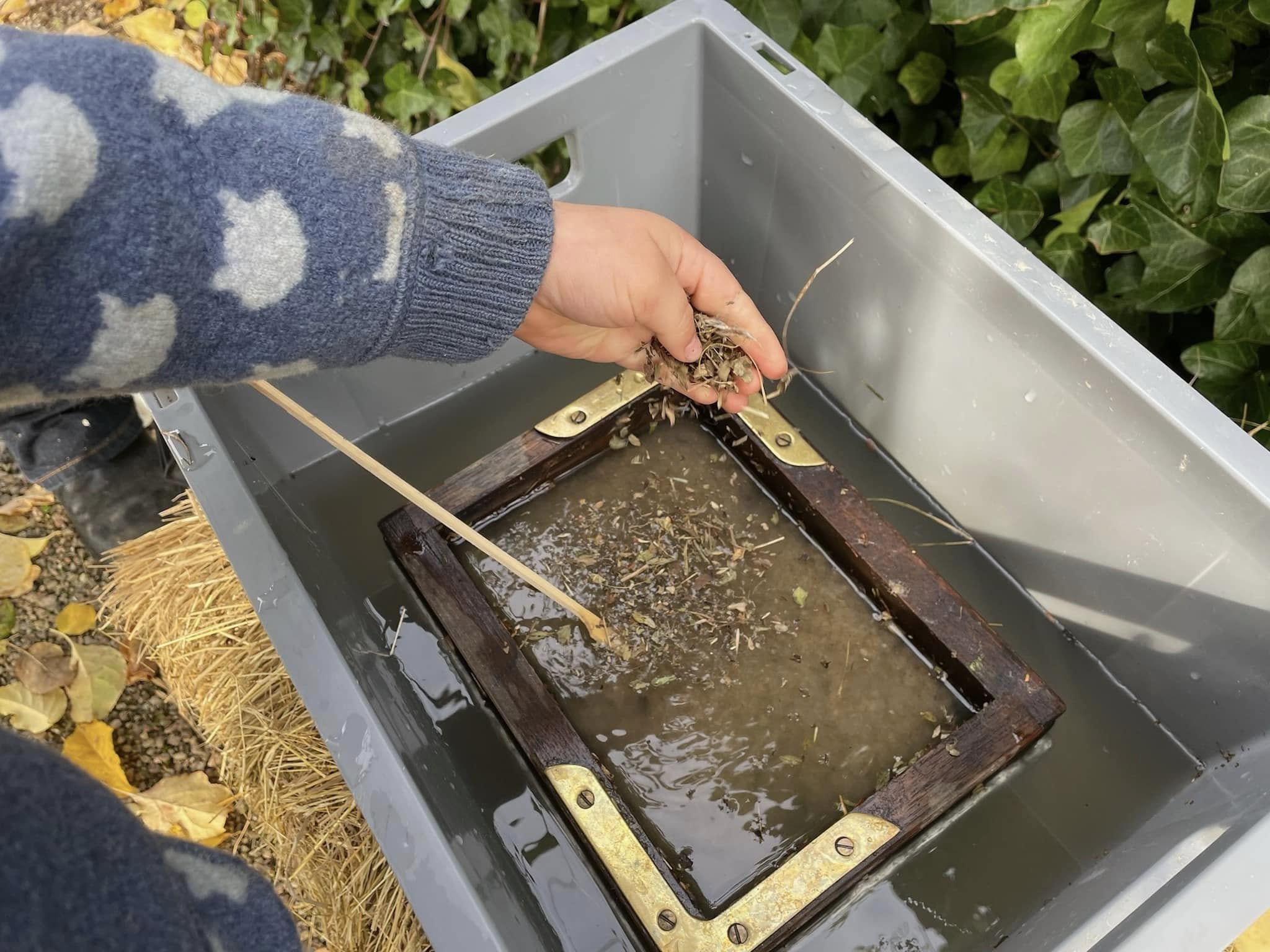
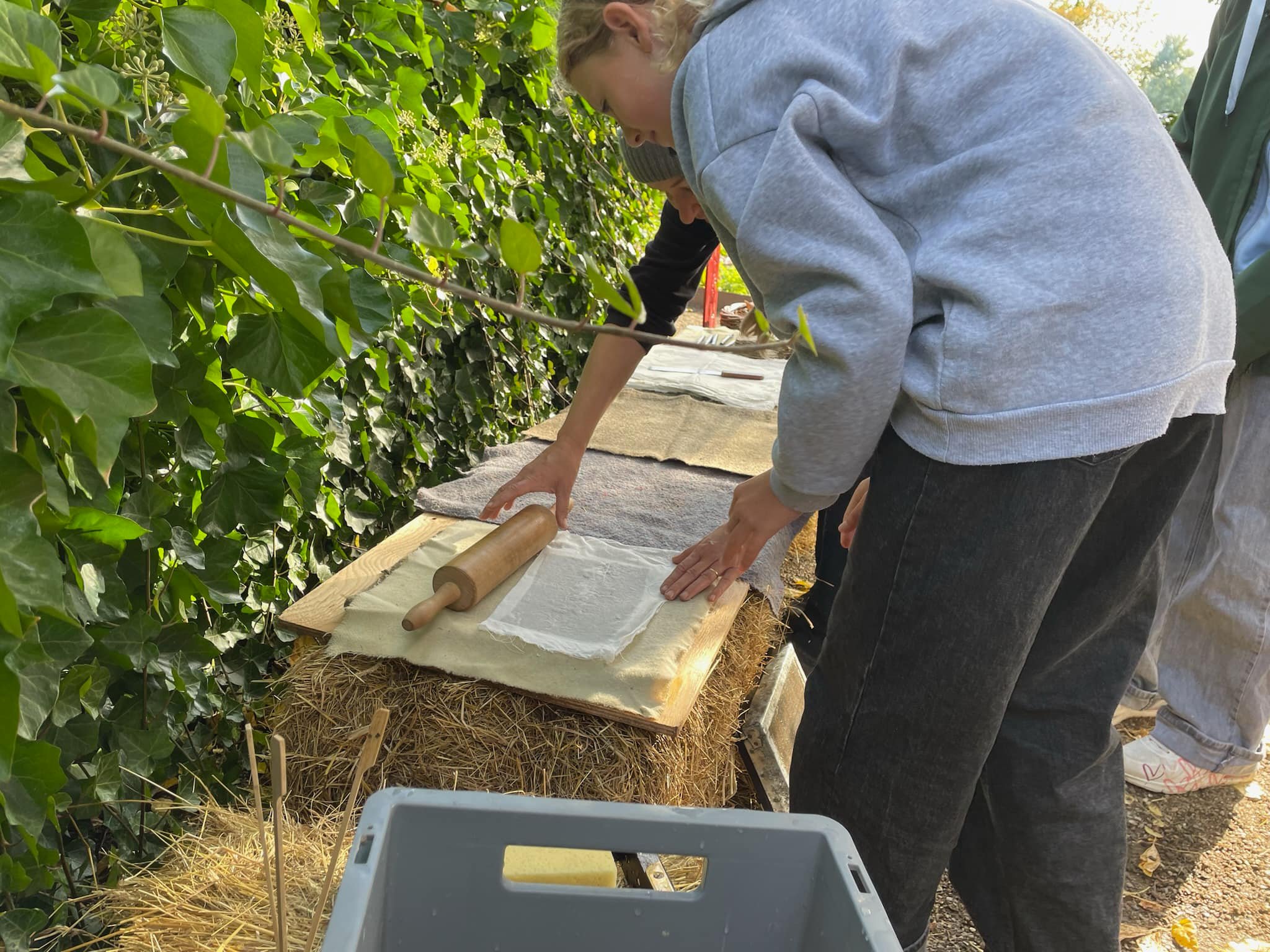
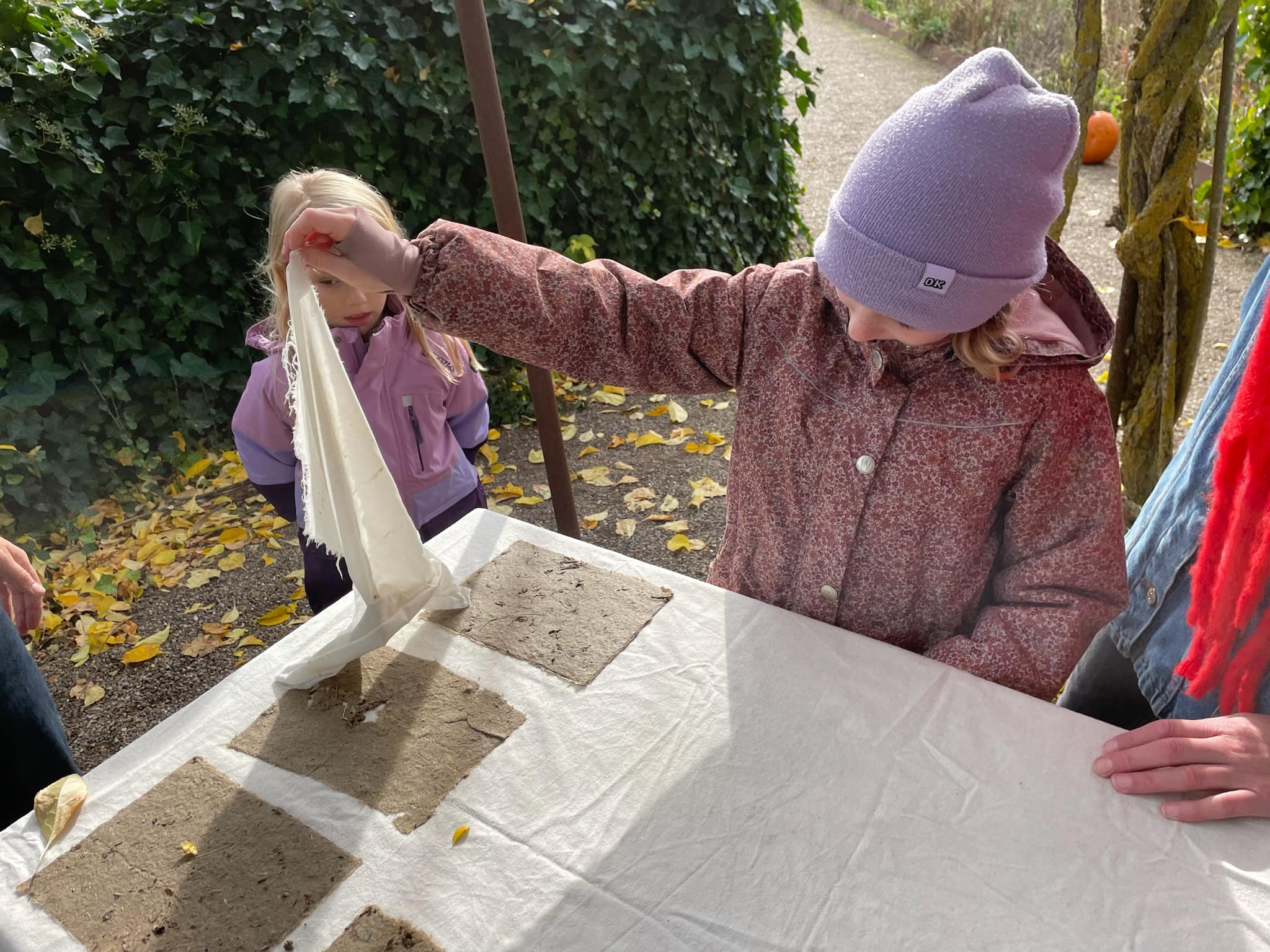
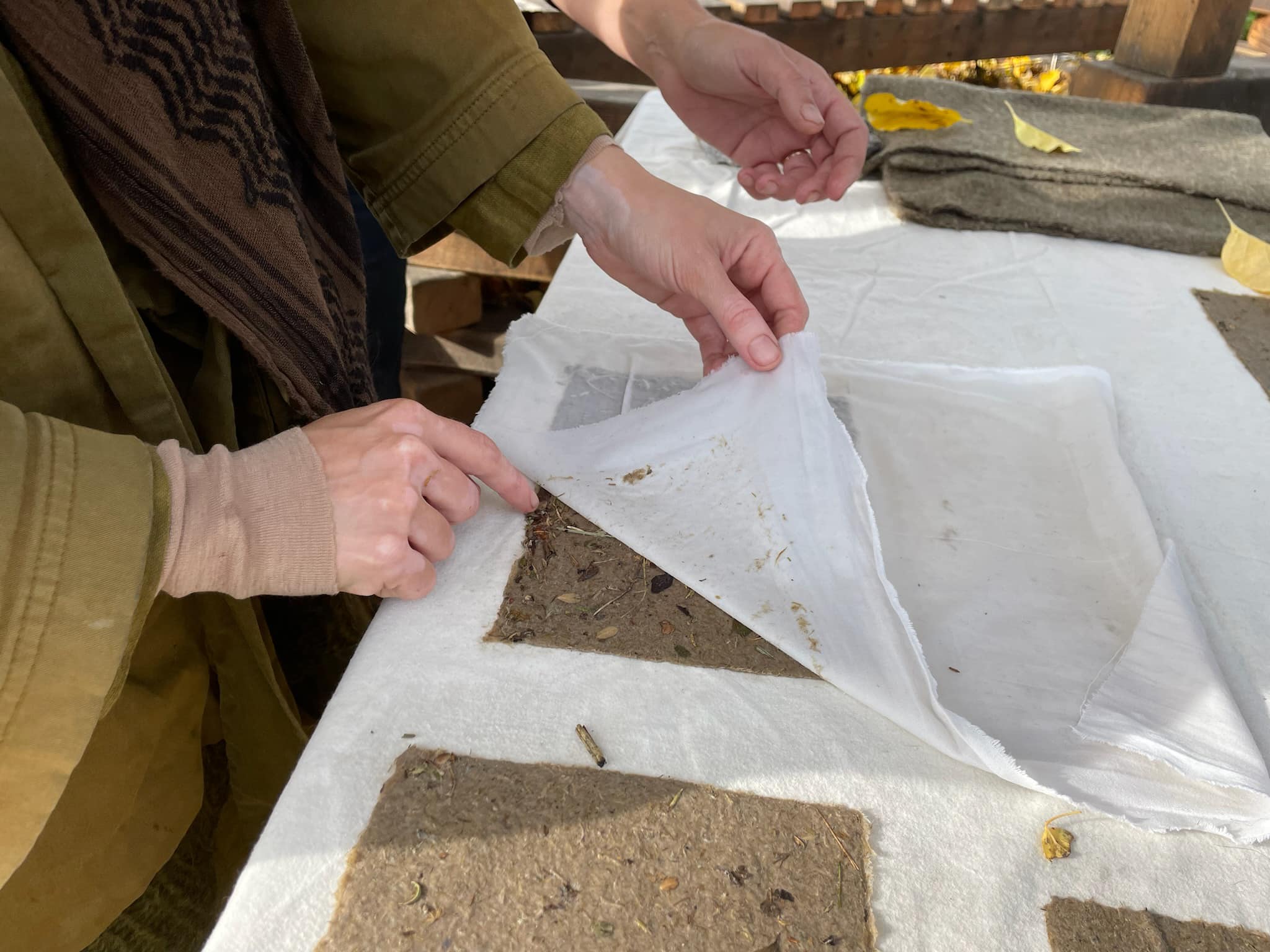
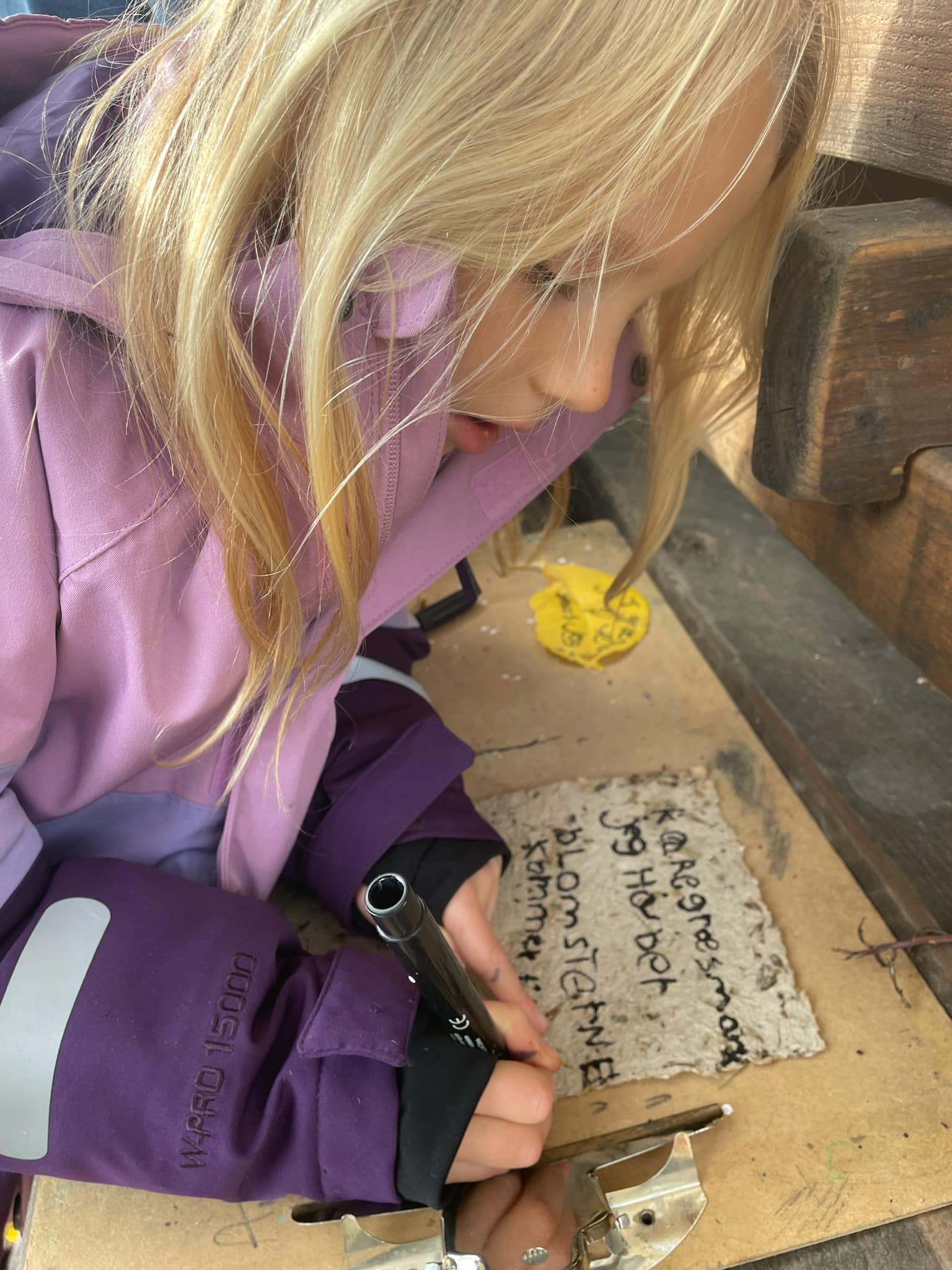
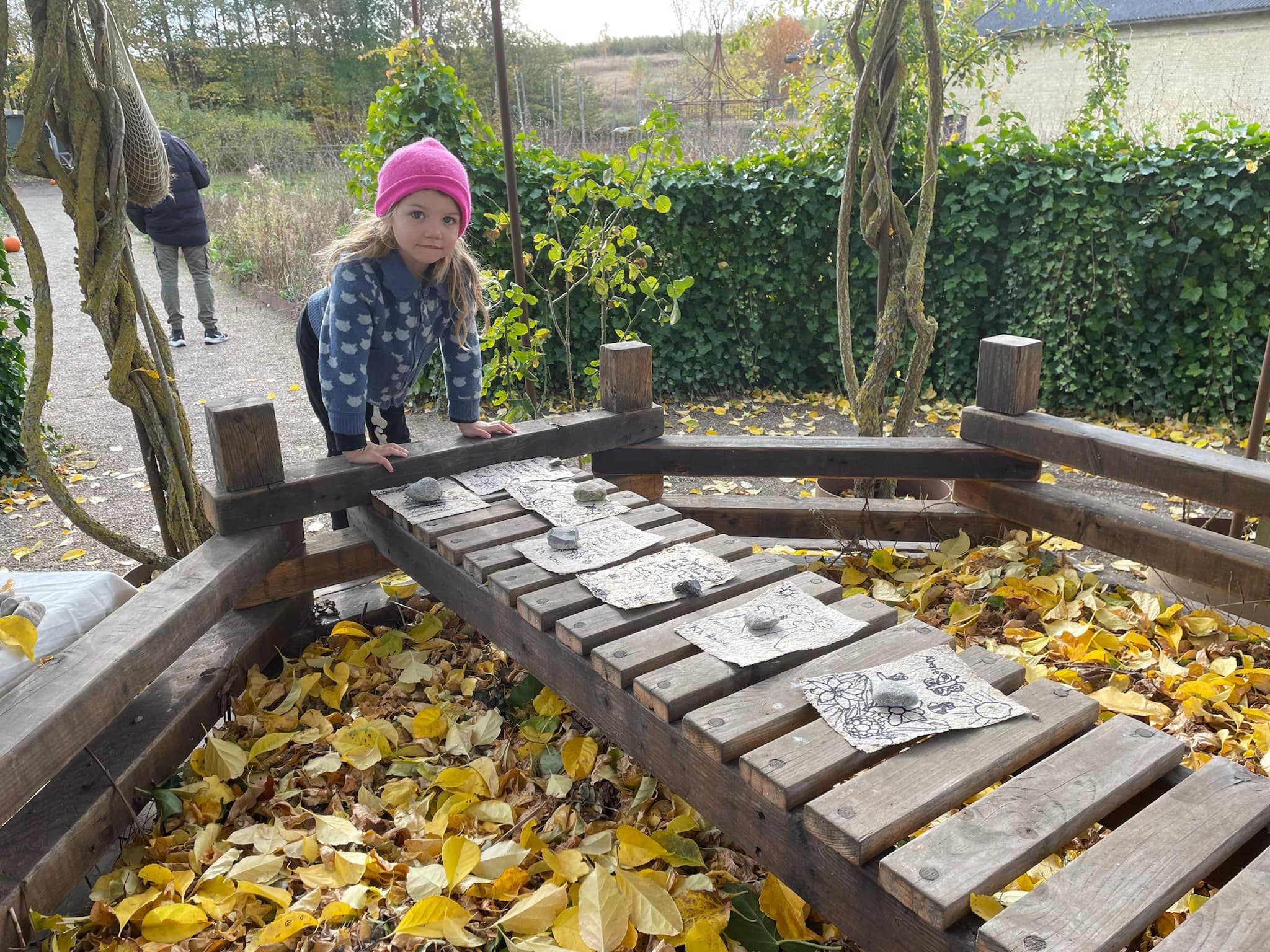
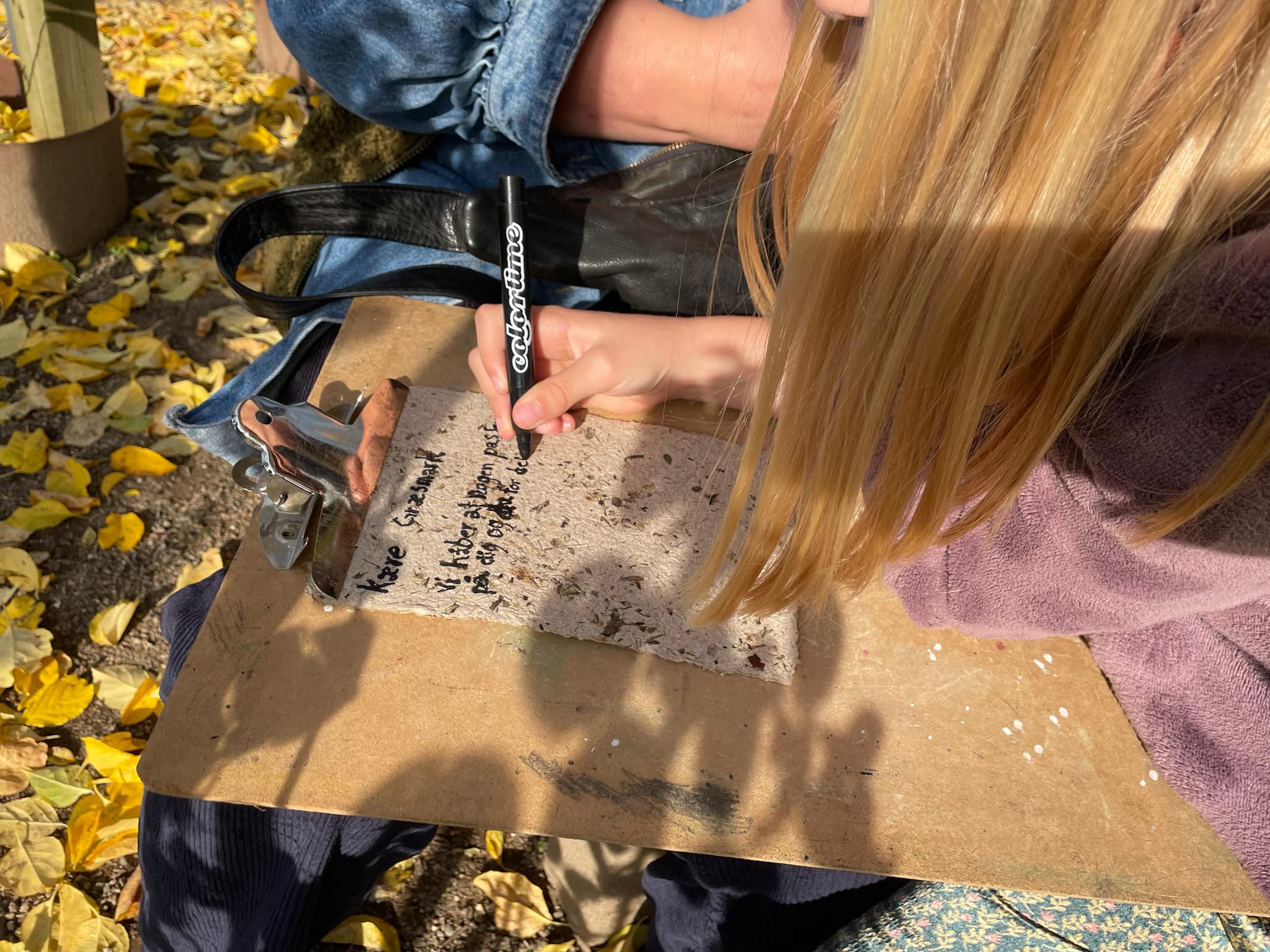
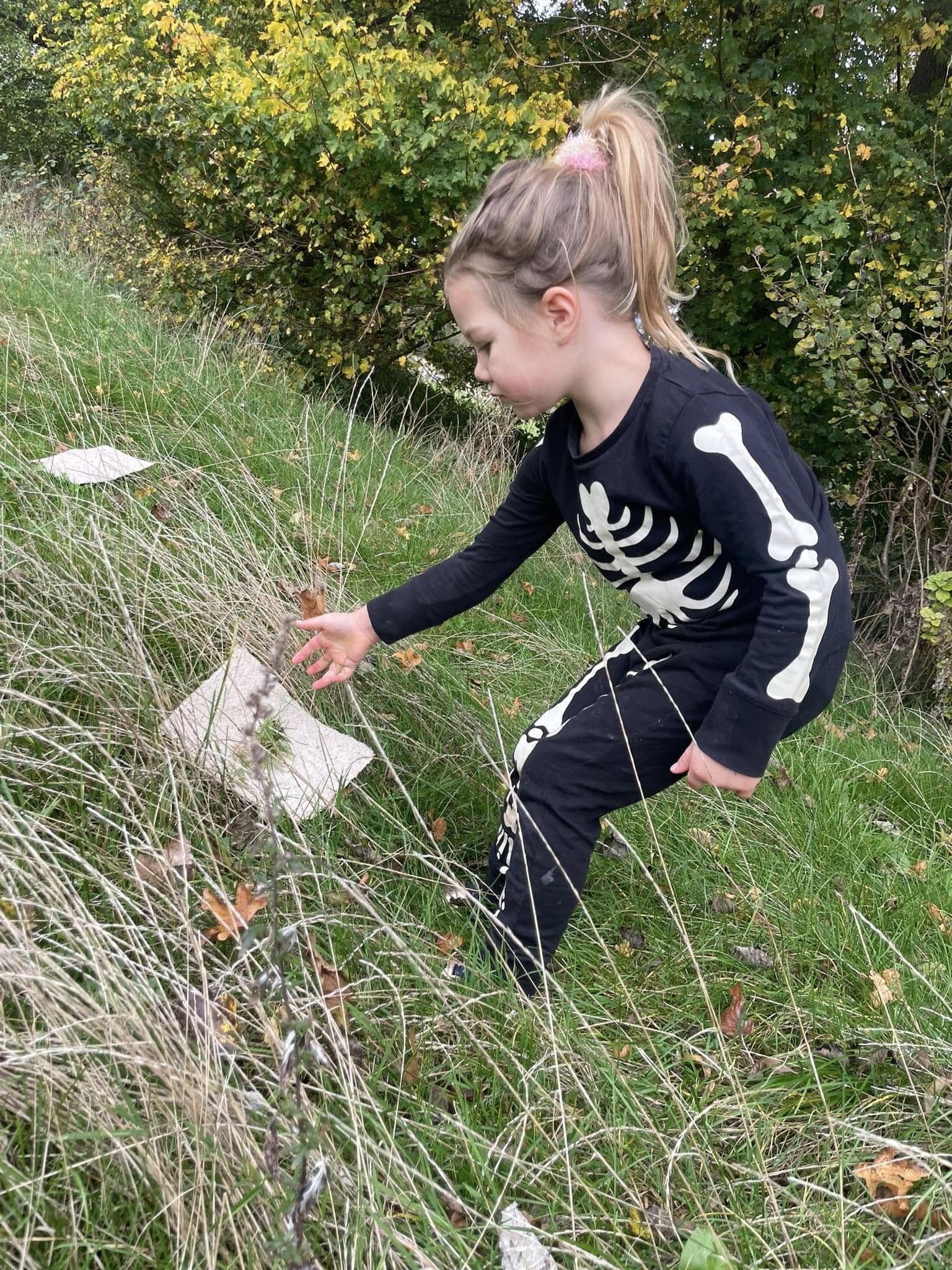
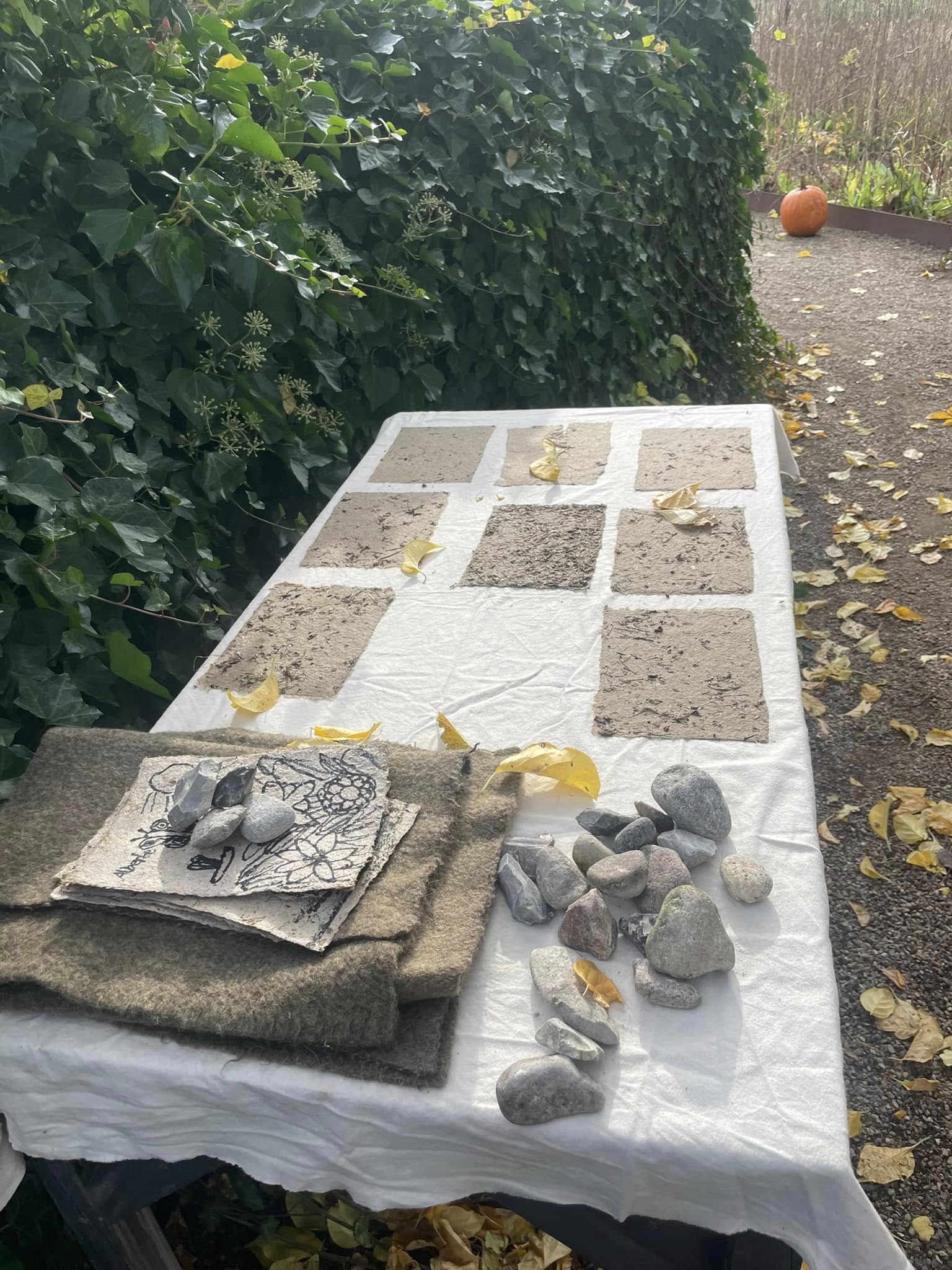
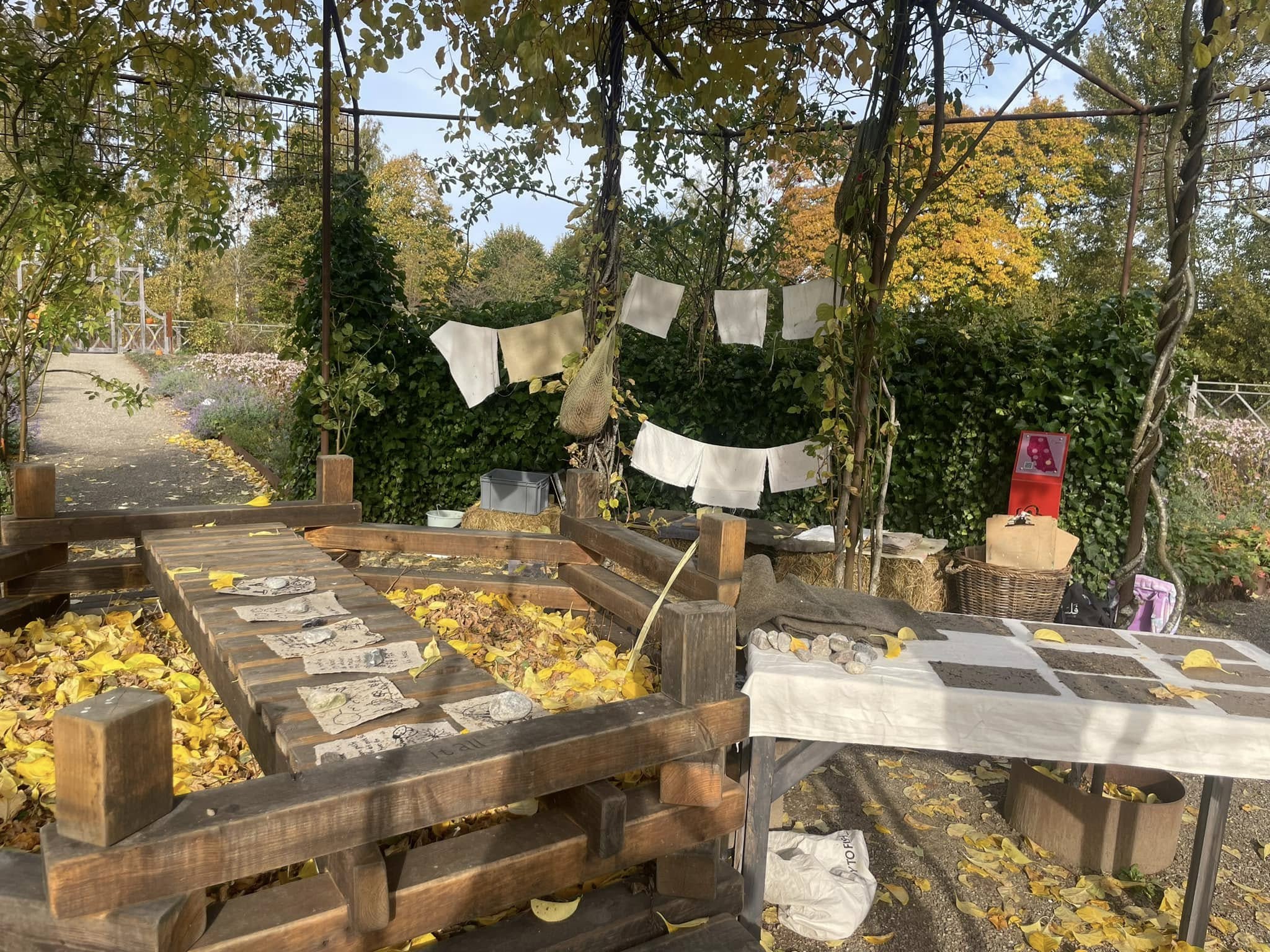
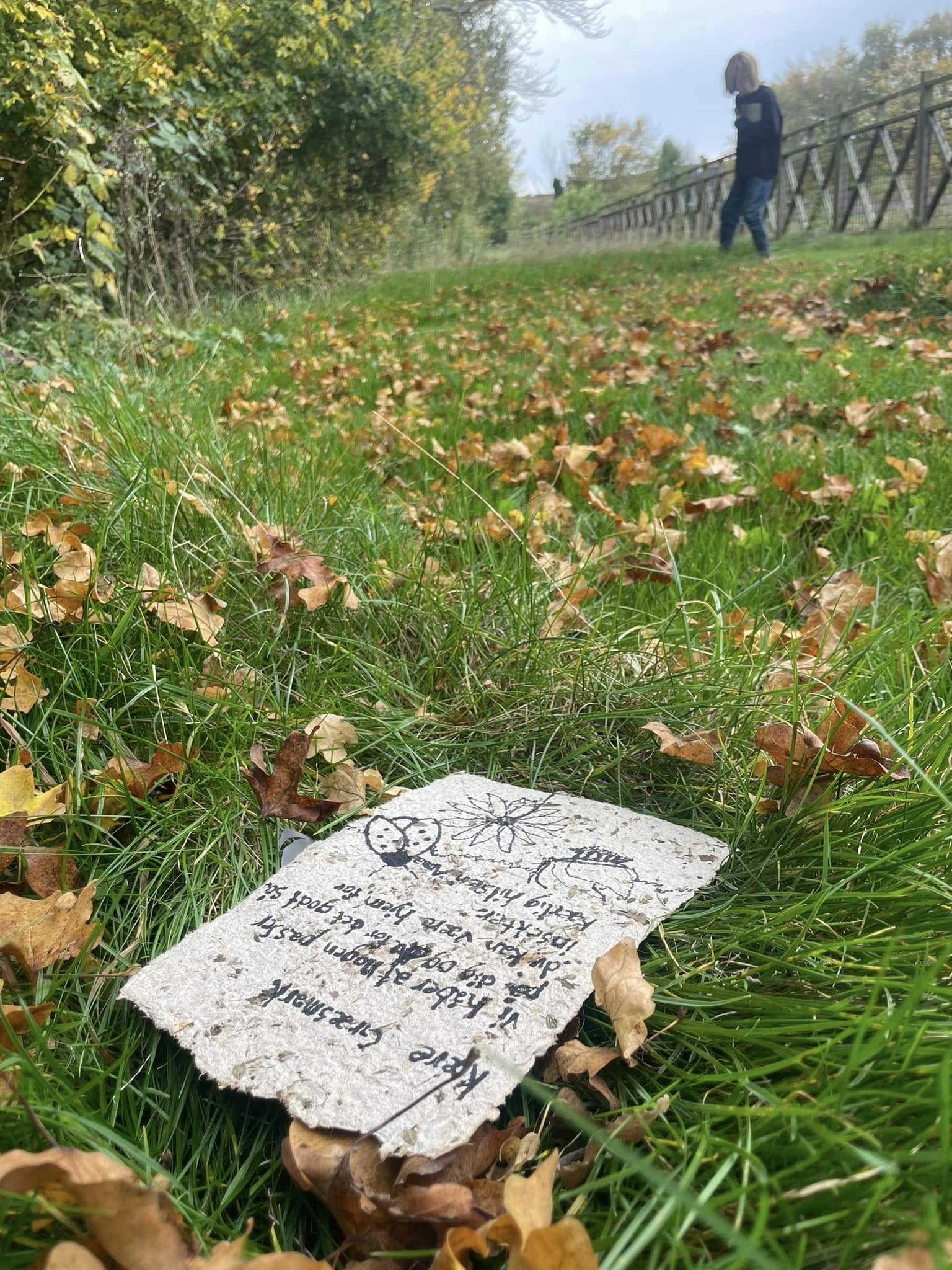
With some of the collected droppings from the horses taking part in the interventions with the artwork during the summer, the artists will prepare a paper pulp. In this, the collected seeds for the future grasslands will be mixed. In the workshop, school children will use it to make letters to the future Grasslands, together with Kultivator, with drawings and writings from the children.  The letters will be brought to the Future Grasslands and buried/installed in the ground.

Commoning days in Denmarks Heathlands

Commoning days in Denmarks Heathlands

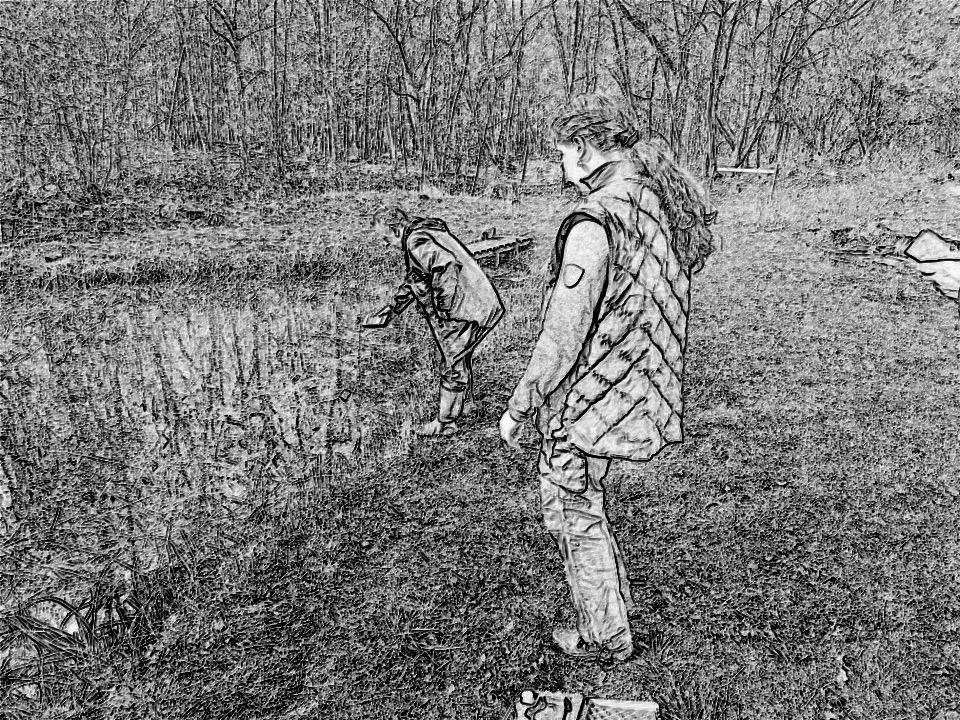
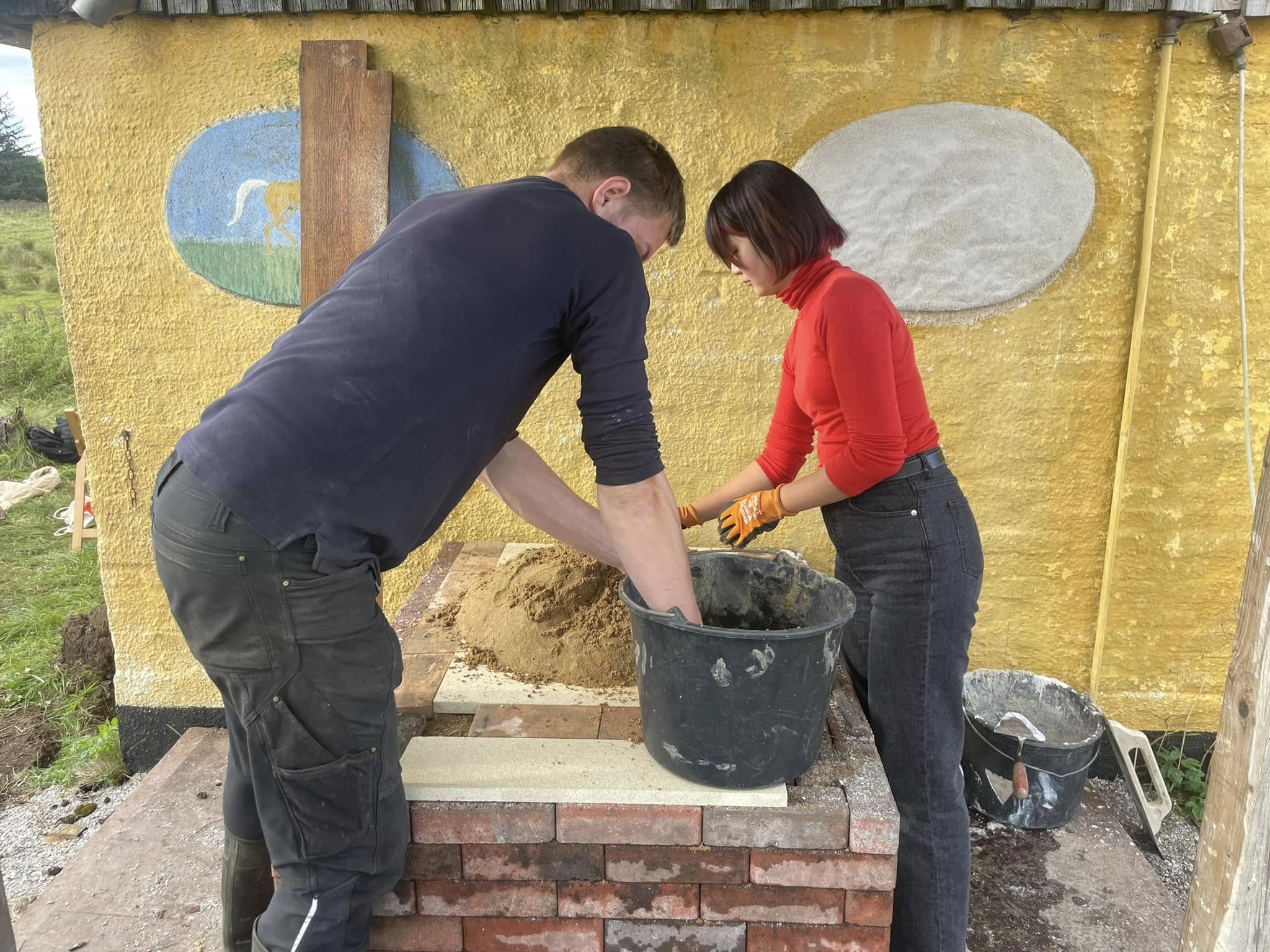
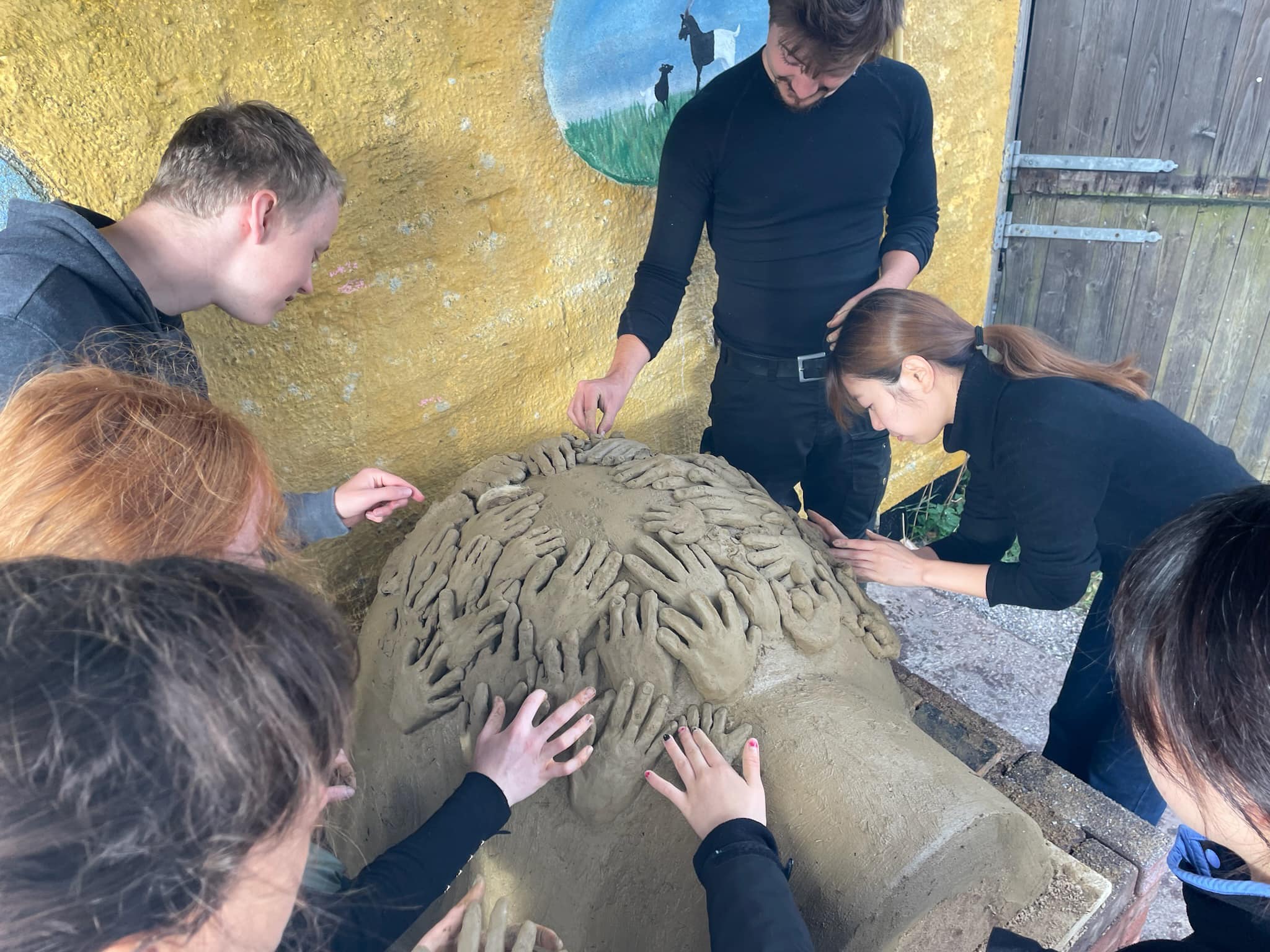
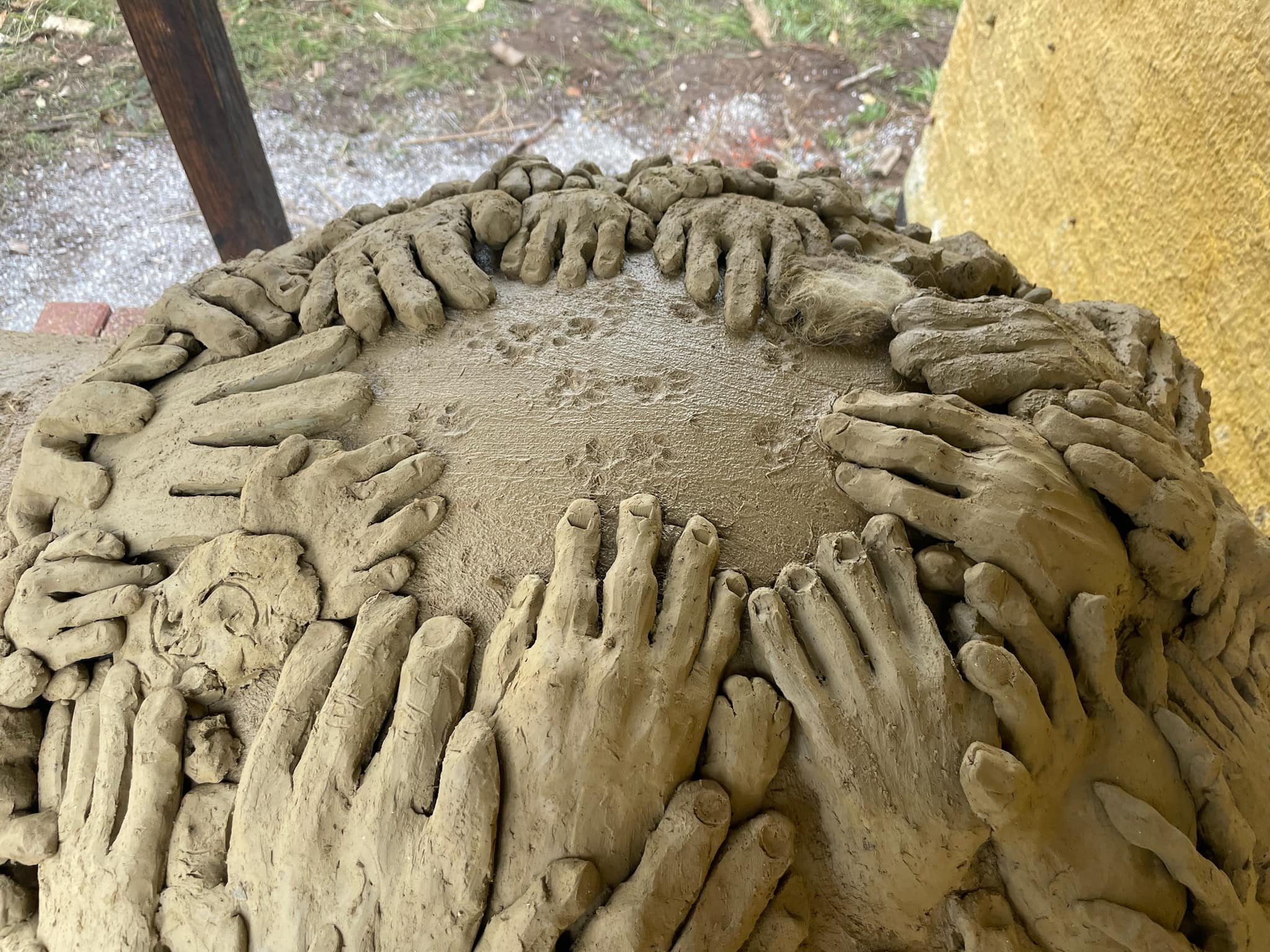
Meeting the living practice of shepherding of Berit Killerich as part of the project Hosting Lands, we have been most generously hosted in the landscape of sheep, wild horses, wind and and clay. And had so much fun making the Faelledovnen together with Vestjyllands Hojskole

Research for the project Other hydro powers 

Research for the project Other hydro powers 

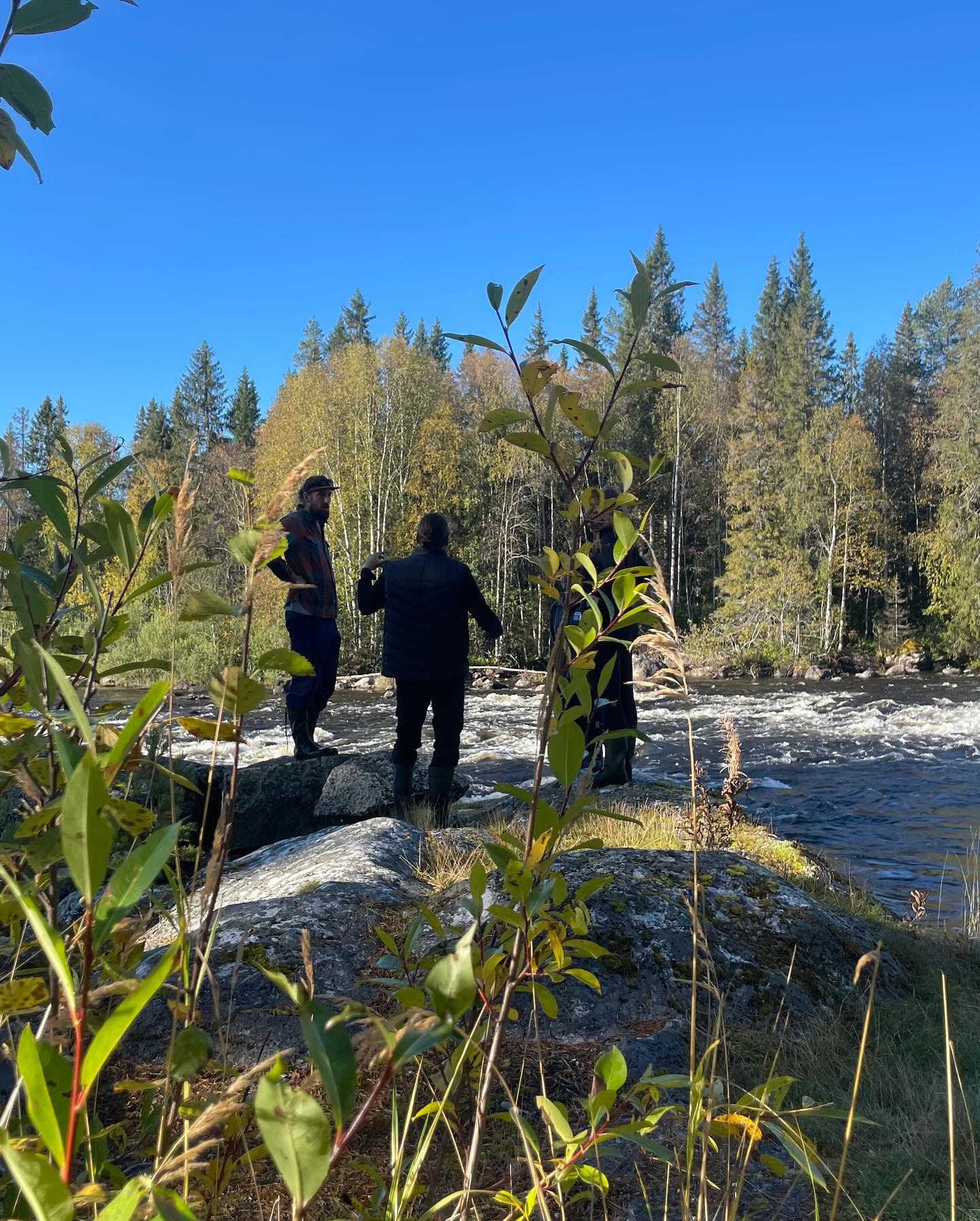
Field meeting with Ammerån and the inspiring restauration project Eco streams of life. Here kilometers of waterways and hundreds of spawning grounds for fish is being restored, creating long term improvement for all life in the waterway. How is this interwoven with people’s memories, the cultural heritage, and future community life with the river? What are the #othehydropowers here?
with support from Konstnärsnämnden.

Future grasslands

Future grasslands

Kultivator – proposal for HEST! 

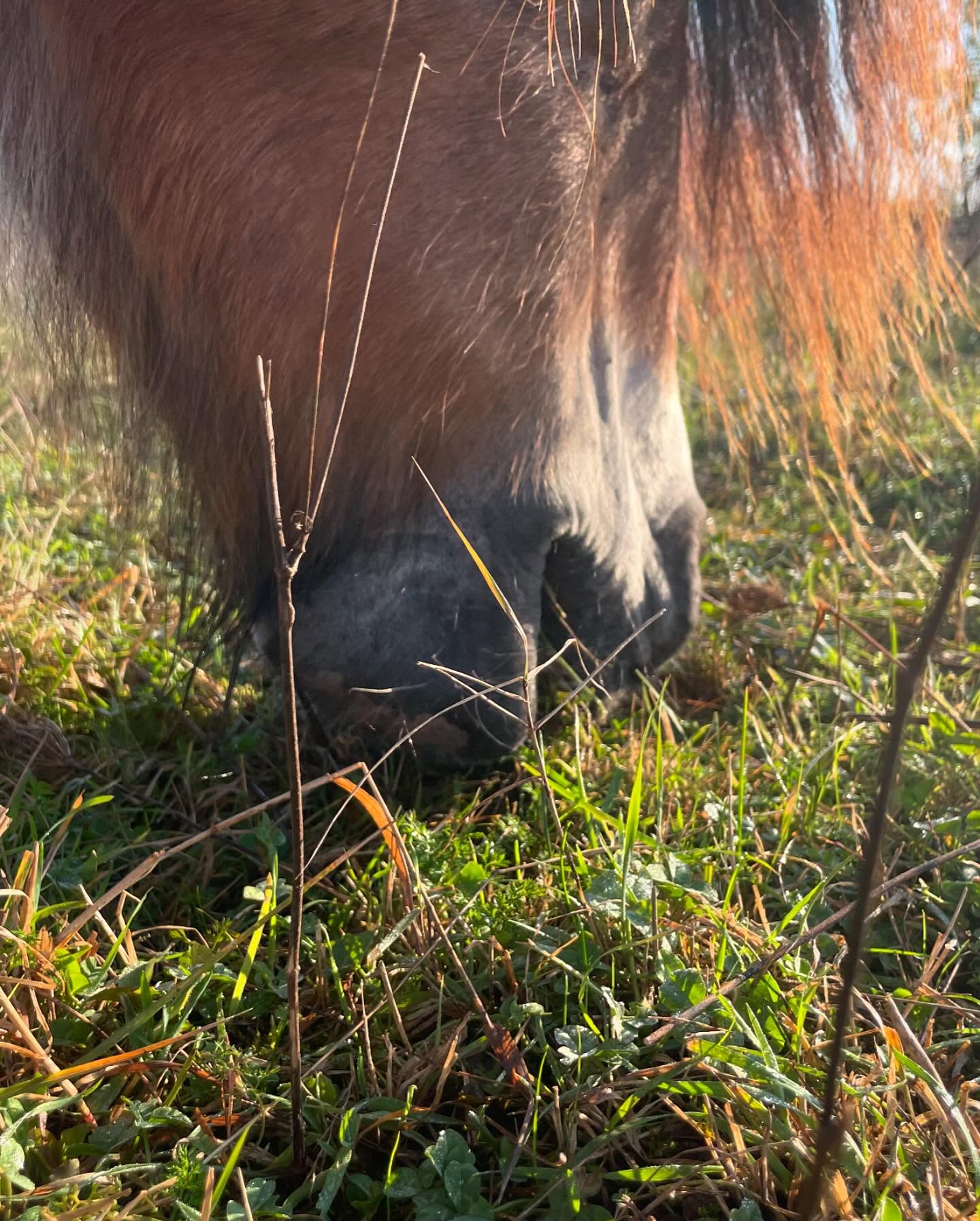
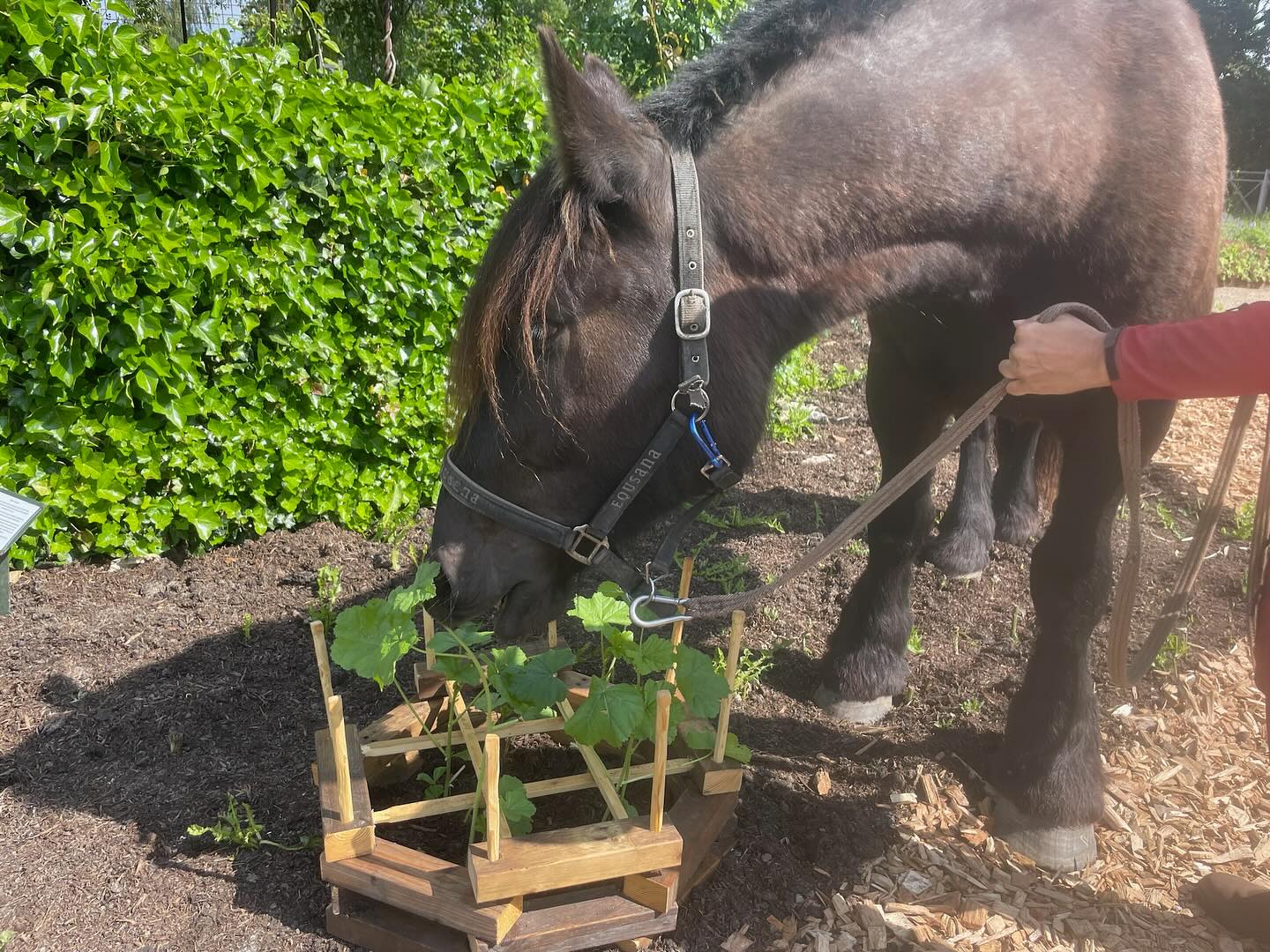
For the exhibition HEST! at Ronnebaeksholm konsthall, Kultivator proposes an intervention experimenting with interspecies collaboration and exchange of knowledge. The artwork in three parts encompasses and invites horse-human-soil-plant entanglements adding to the overall ecosystem of the place (and of our ways of being together..) In the research of herbs – grass – horse interactions, Kultivator found a study made in the post-nuclear disaster zones of Chernobyl, where herds of the Pzerwalski horse (the last wild horse species) are roaming free. The study is listing the plant preferences of horses that are choosing their diet, (literally in no-mans-land) instead of being served by humans. The artwork is inspired by this scientific observation of a pre-historic horse in a post-apocalyptic landscape, and positions the self-governed taste of the Chernobyl horses as an autonomous nutritional practice and culture, informing three interconnected works:  1. Horse Self-medicating Garden, 2. Future Grasslands, and 3. Regeneration centerpiece.


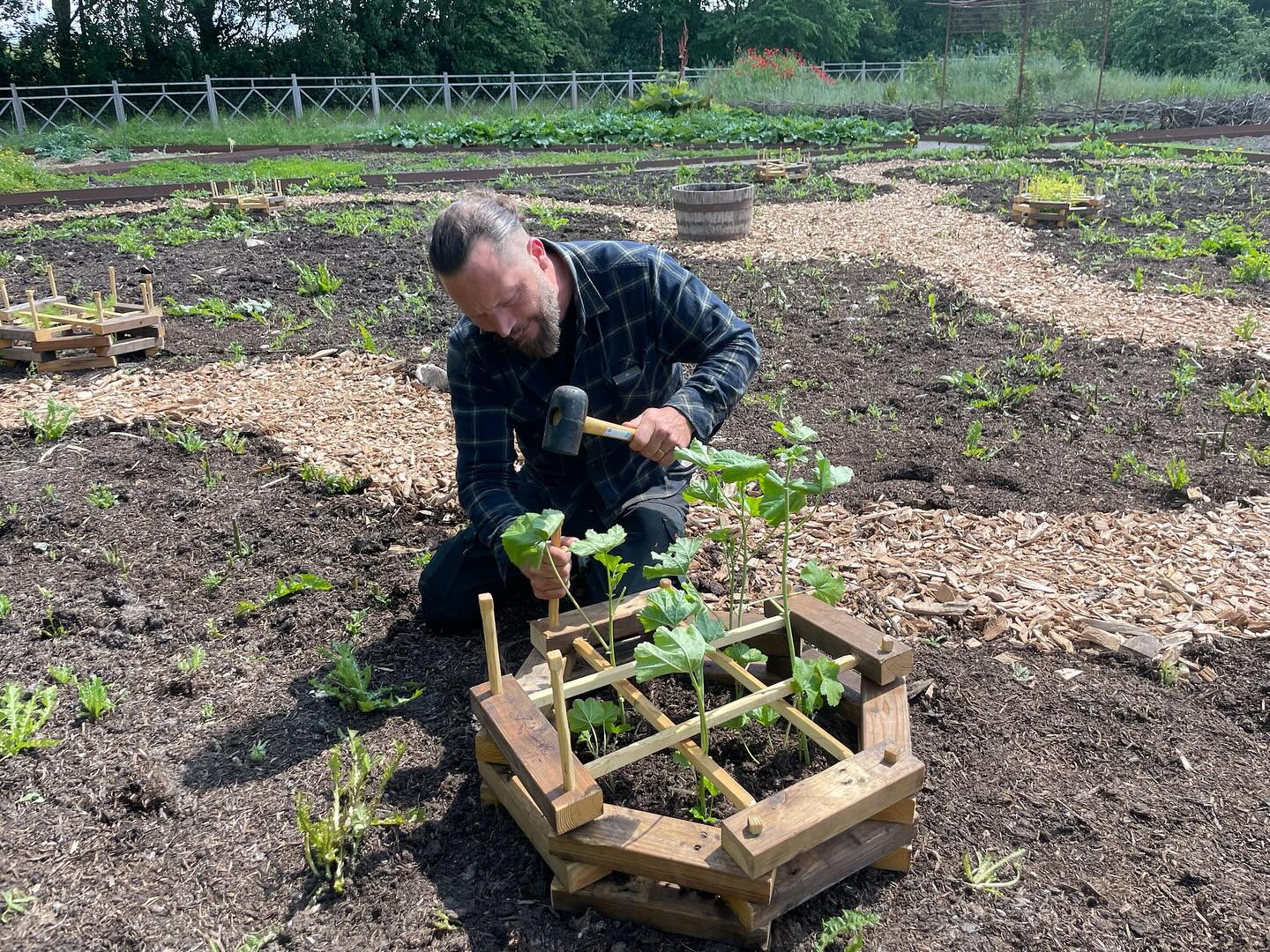
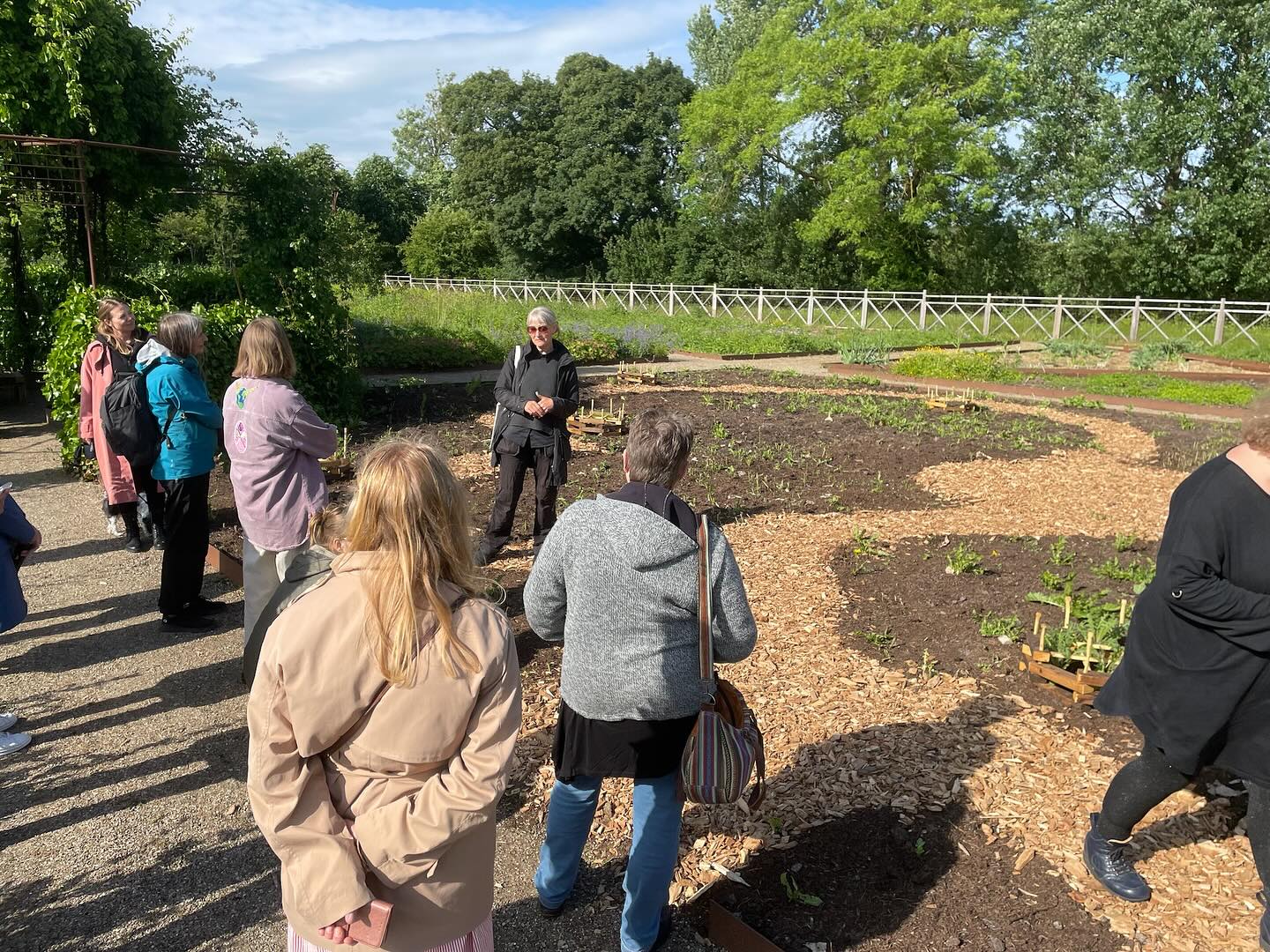
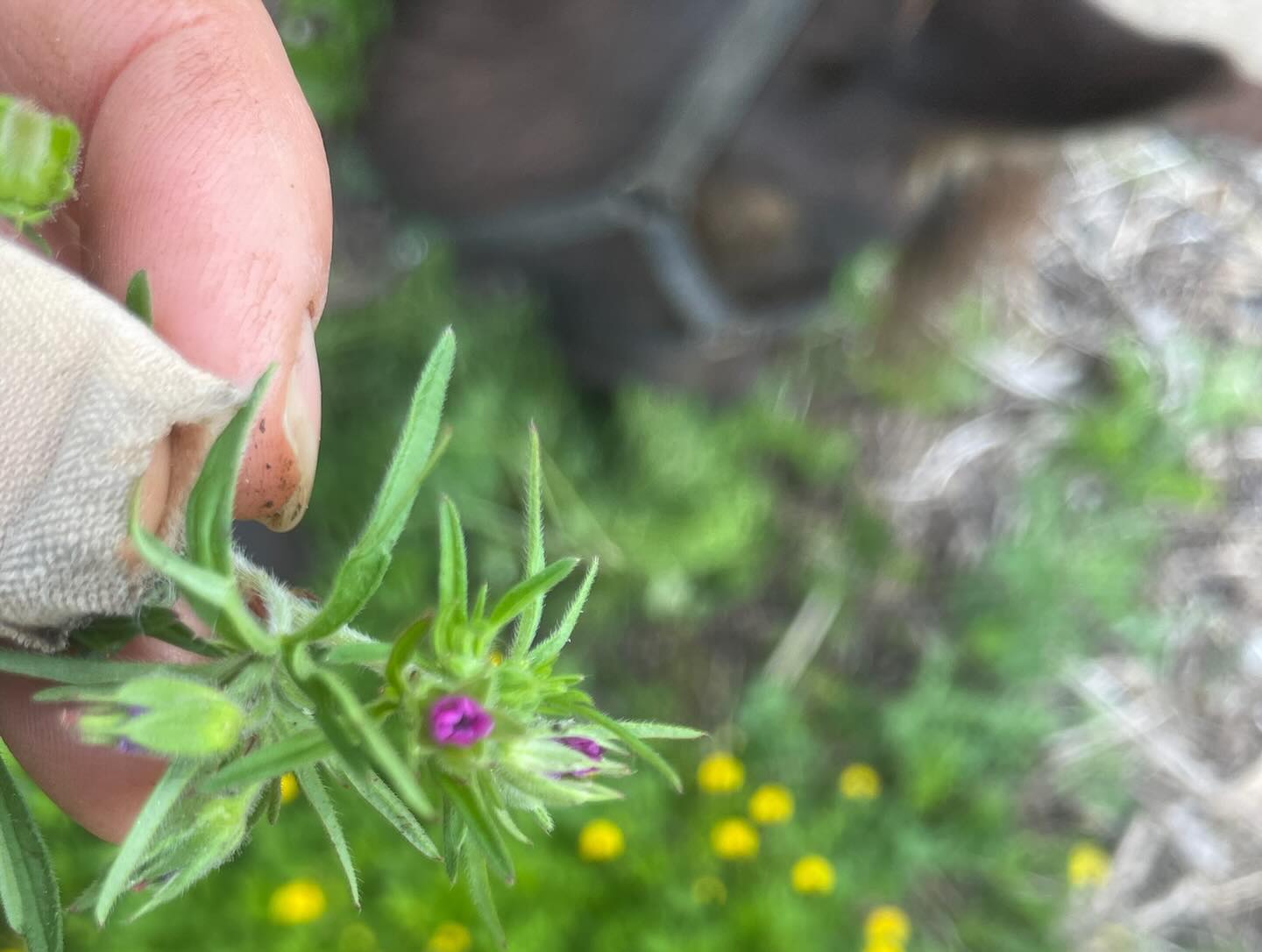
  1. The Horse Self – medicating Garden is an invitation for horses and their human companions to smell, taste and observe together, taking a walk along a path framed by plants with medicinal properties (for both species). The medicinal properties are identified in human scientific or/and other belief-systems, with short summaries written on the wooden plant shelters. For the visiting horses, the information of the remedies are presented by the plants themselves: by smell, taste, shape and colors, probably and possibly corresponding with both evolutionary memory and personal experience for each individual. The joint walk passing these different displays of information, with freedom for both to select which plants to consume, offers a way for the walking companions to learn more about the desires and needs of each other. The Horse self-medicating garden acknowledge Horse experience and ability to make choices, and was inaugurated in June 2024.
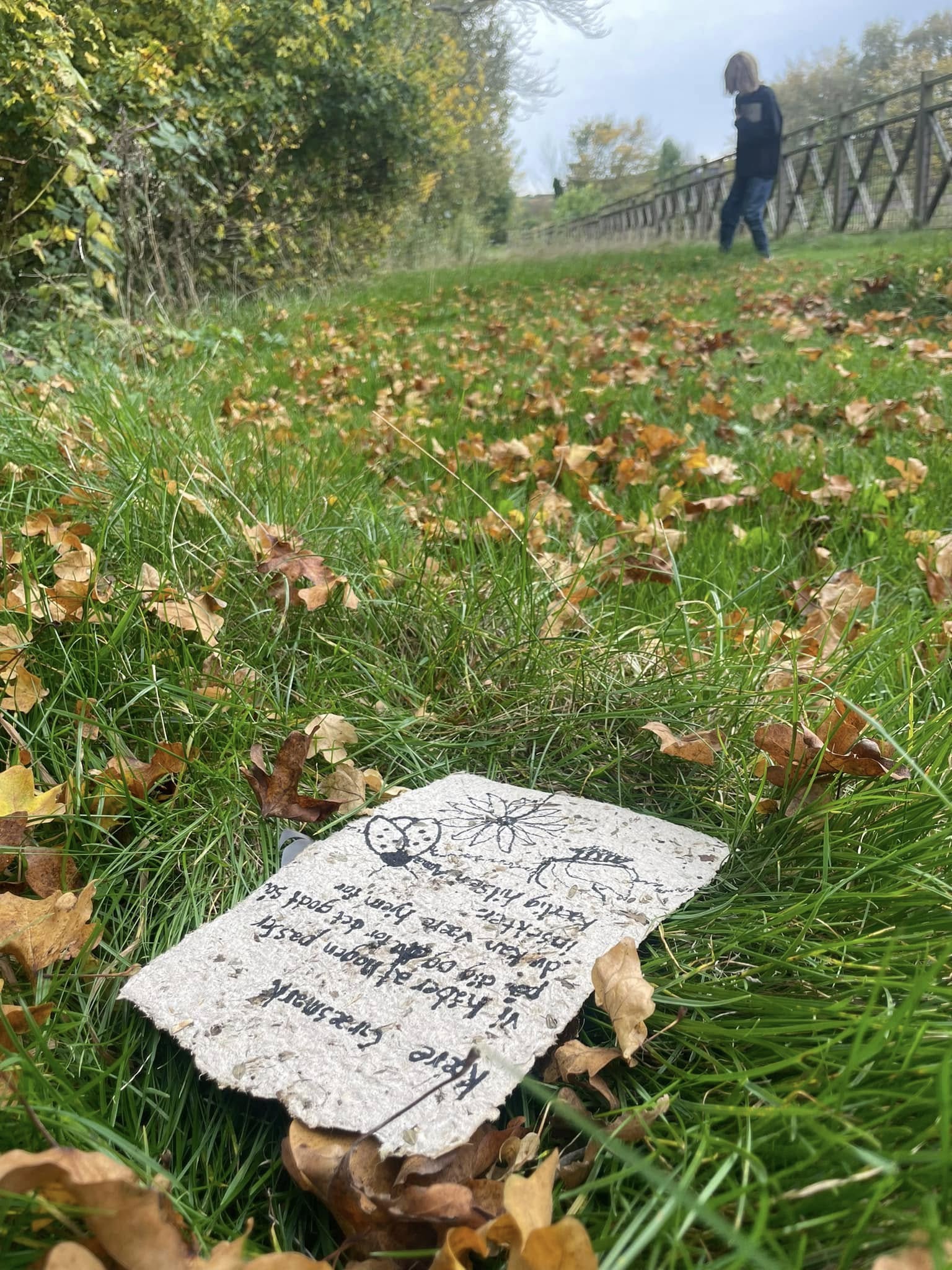
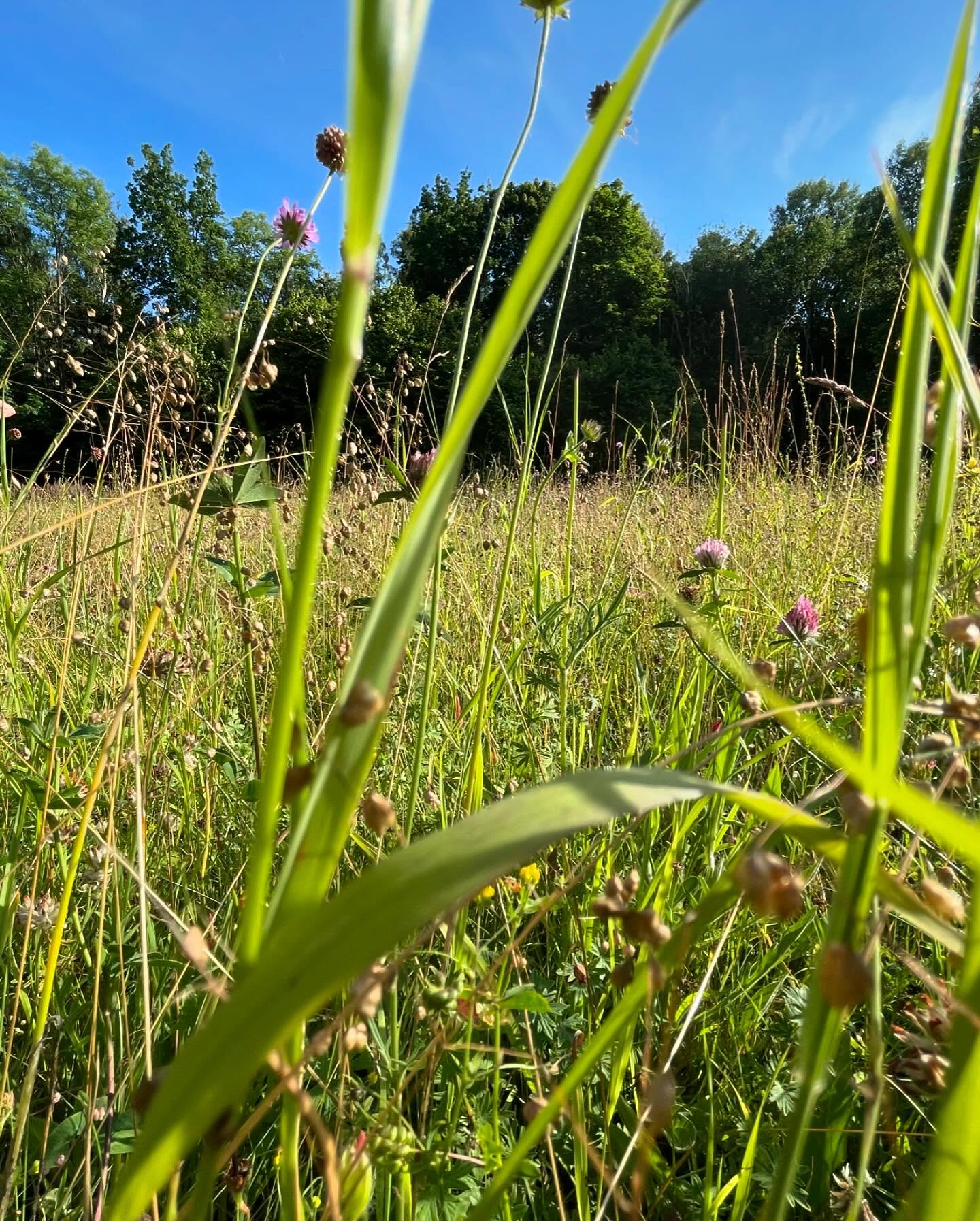
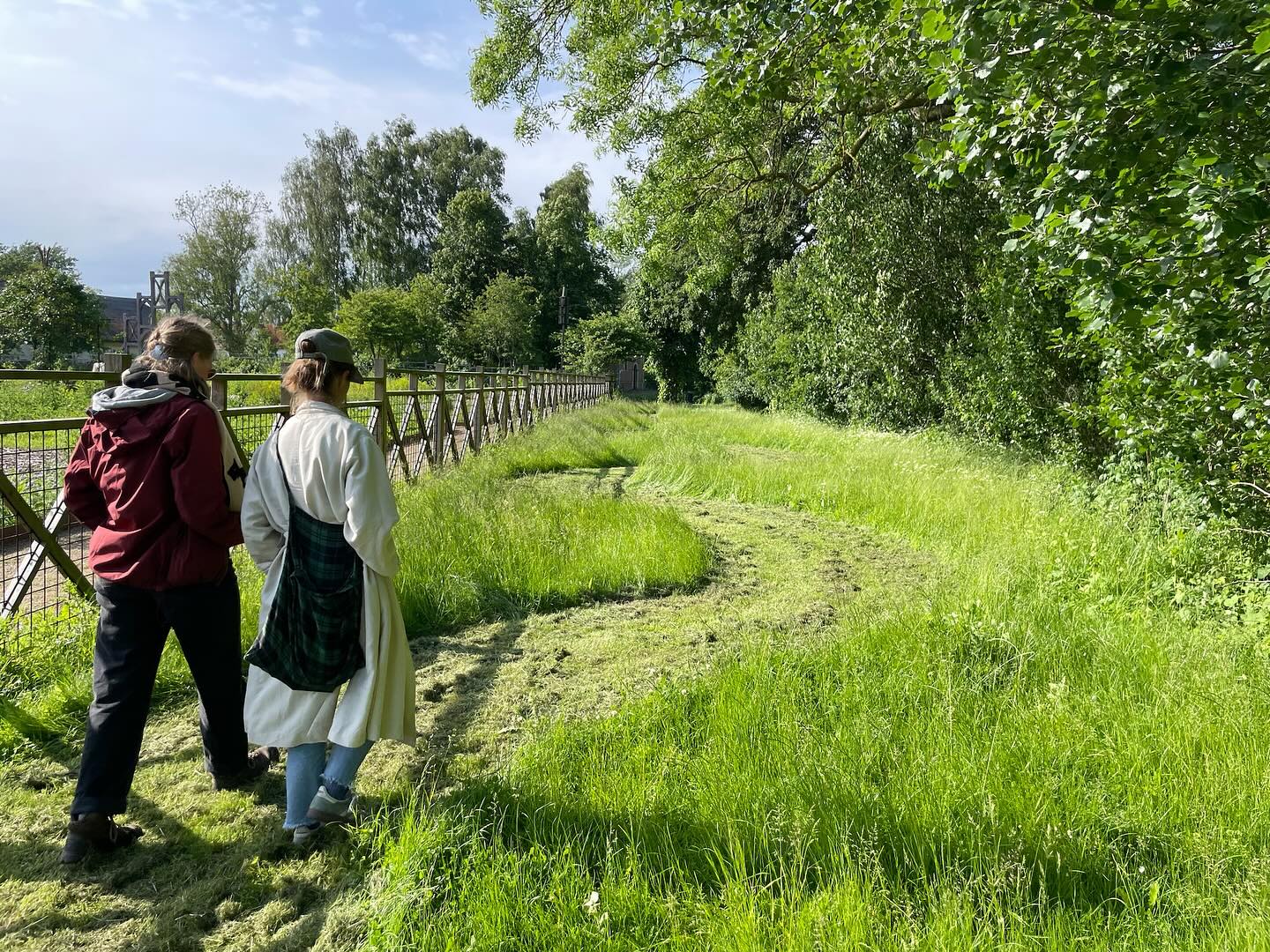
  2. Future Grasslands is a small patch of land near the garden. Here a slow transformation from present monoculture lawn towards future biodiverse grassland is initiated by Kultivator and gardener Sara Gade. The grass that grows there will is cut and moved to create space for the species noted in the study of Pzerwalskis horses in the Chernobyl exception zone. Through the summer of 2024, seeds have been collected in meadows on Öland that correspond with the study. The seeds were then used in a workshop in October making seed-paper sheets as letters to the future grasslands, and placed in the patch. The letters will be “read” by the piece of land during the winter, and in the spring to come the herbs and grasses listed by the wild horses will sprout, slowly composing the Future Grasslands. 
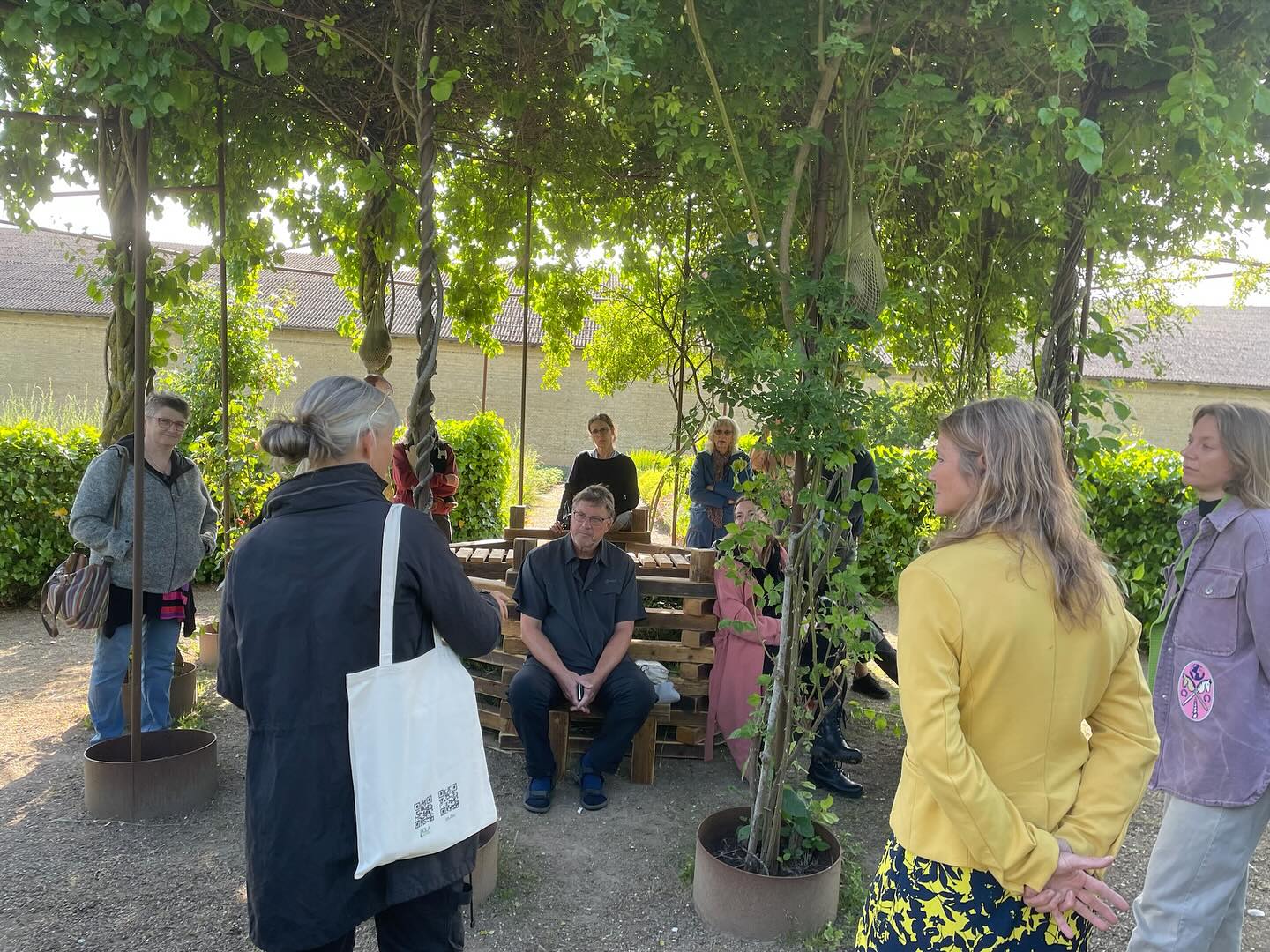
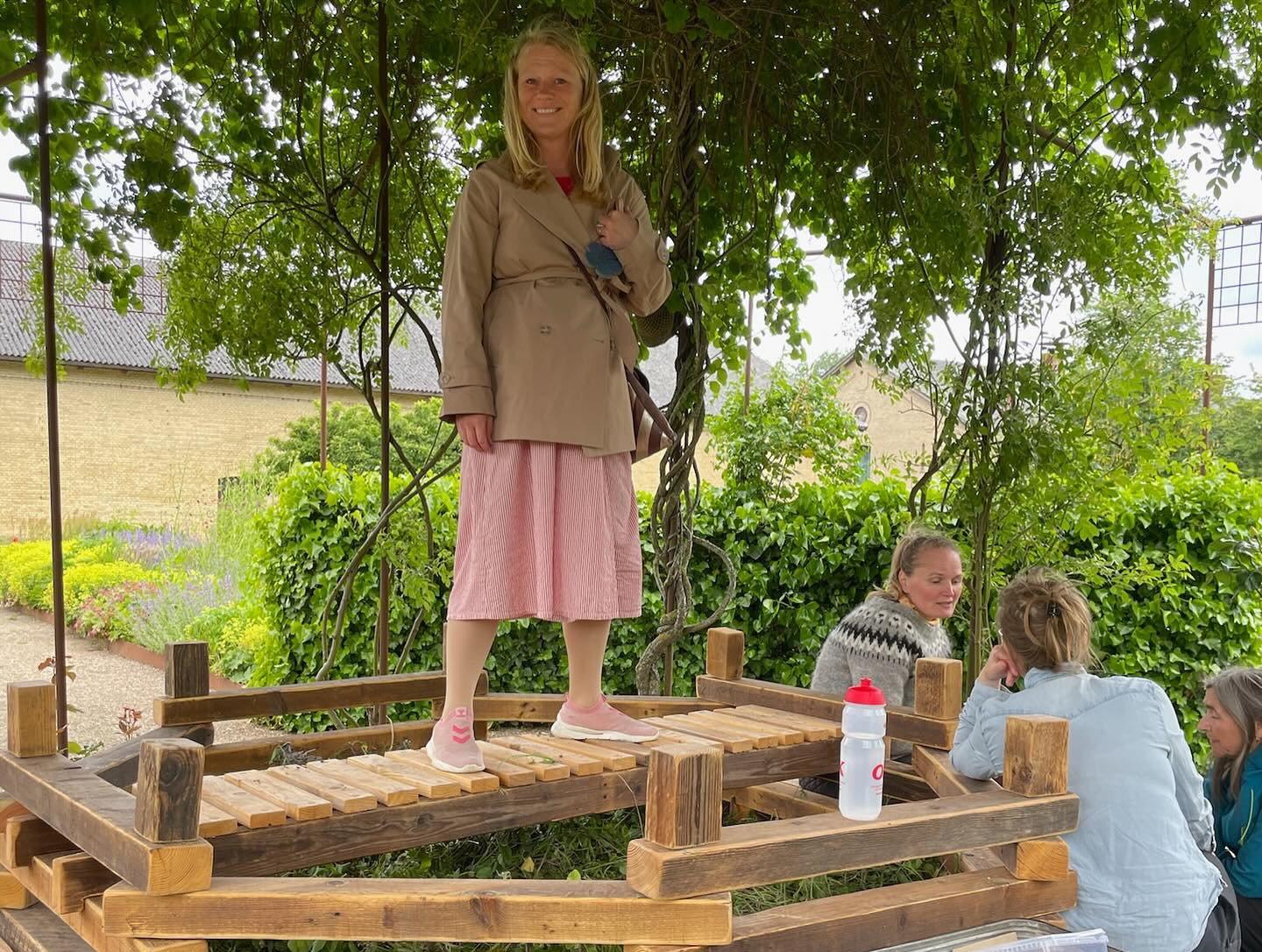
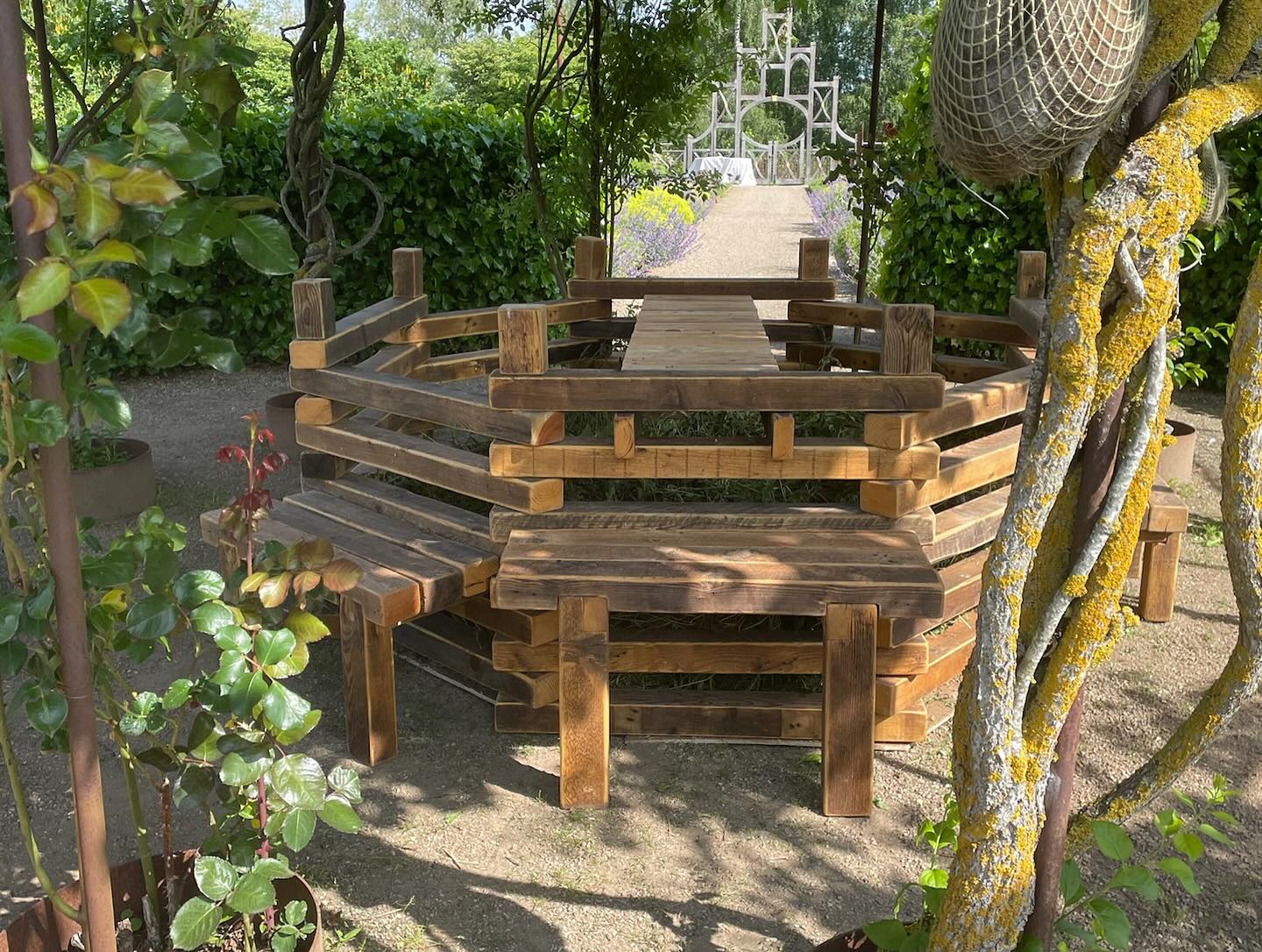
  3. Regenerative Centerpiece. Is the beginning and the end of all activities in the garden, and therefore stands in the center of it. It invites visitors of the garden to take a rest in the shadow and watch, smell and feel the de-composing and re- generating works of millions of sub visible companions, connecting the different activities of the garden. They are processing manure from the visiting horses, decomposing grass from the Future Grasslands patch and arranging other garden left overs into new life supporting matter, which will return to and nurture the cultivations in Horse Self-medicating garden. The structure that supports the work began as trunks of trees, cut down to be pallets, and then re purposed by Kultivator as building elements for the walls and benches of the Regenerative Centerpiece. 

Wayward art initiatives

Wayward art initiatives

Istanbul, Turkey

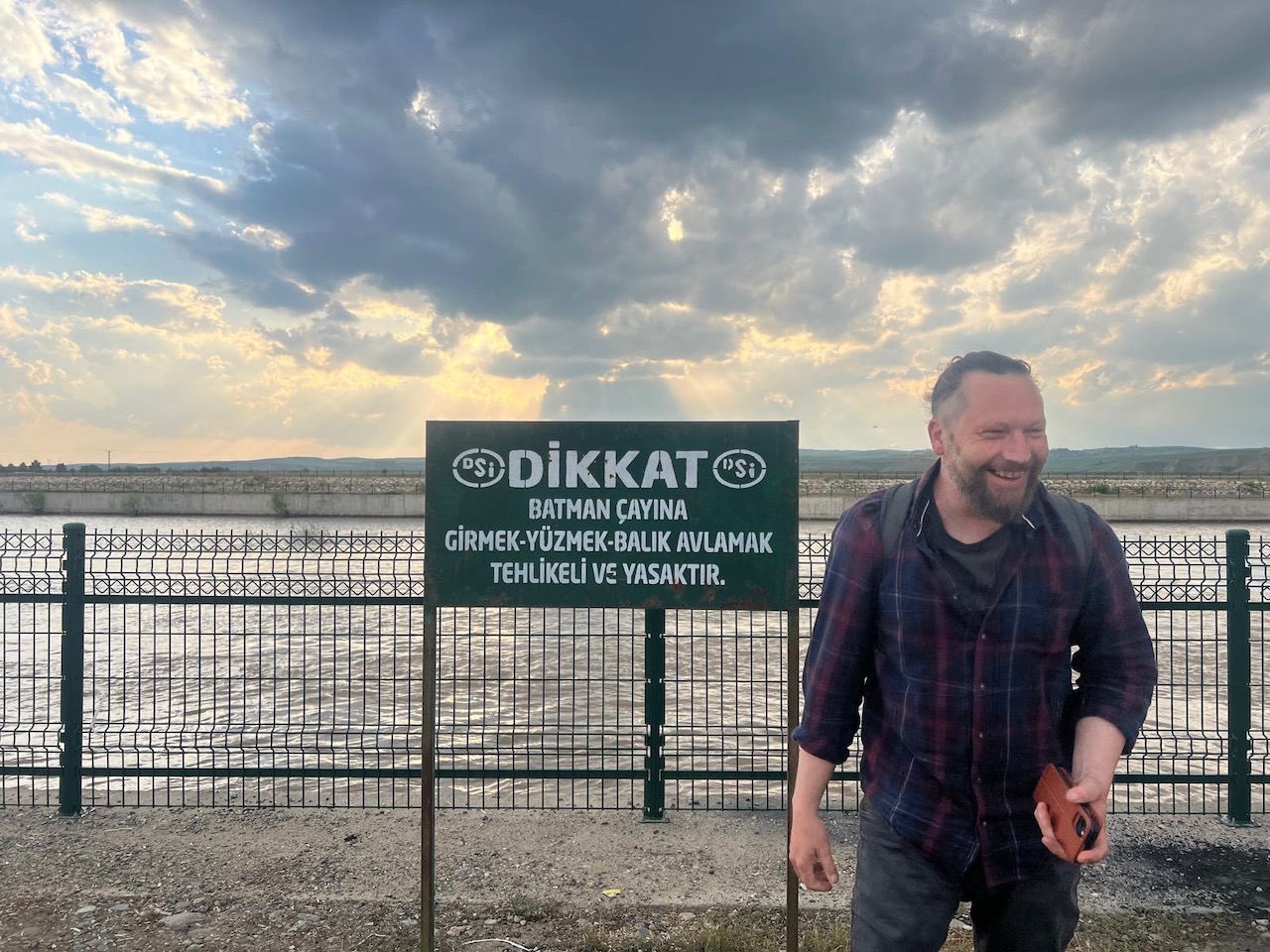
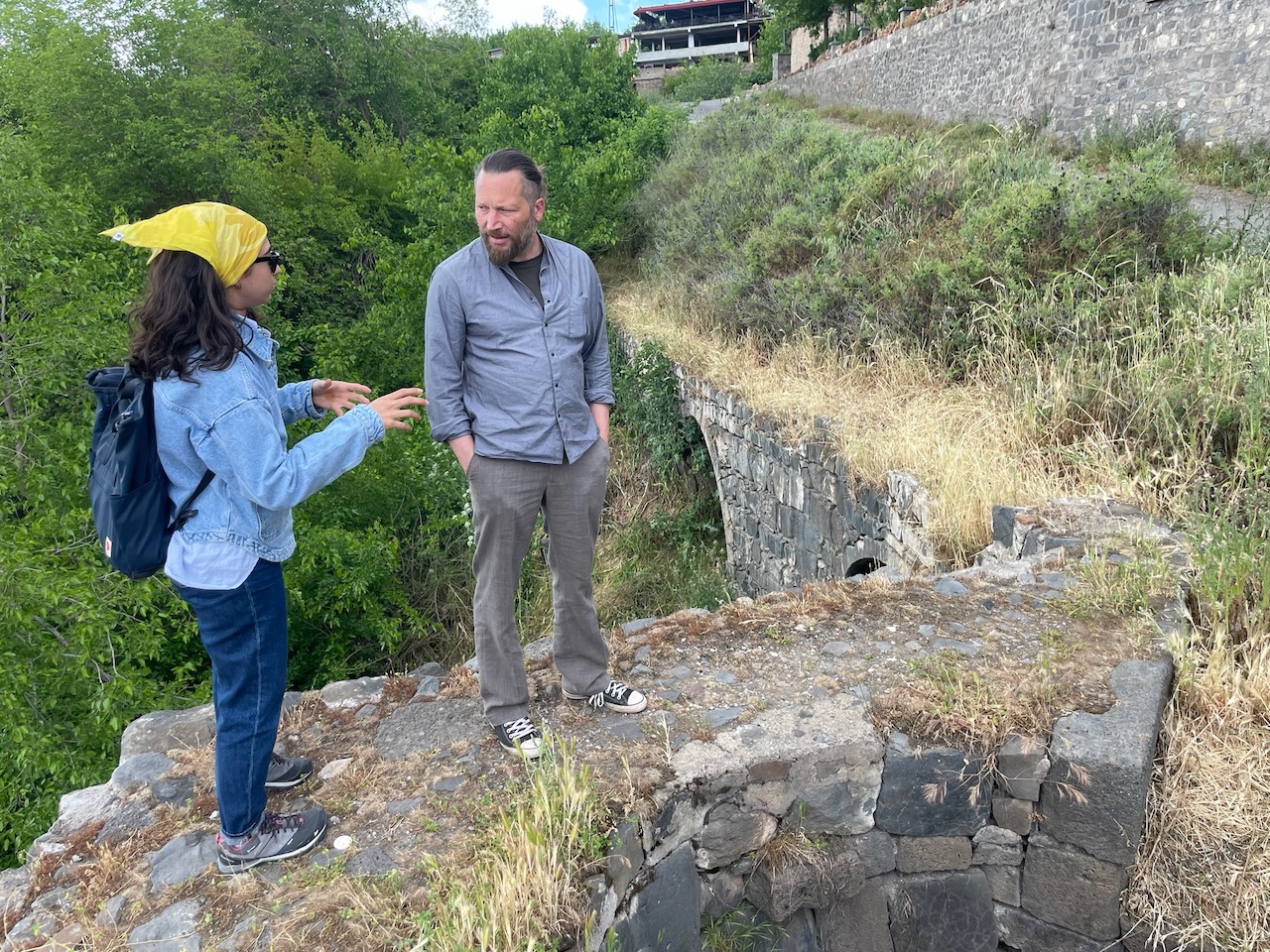
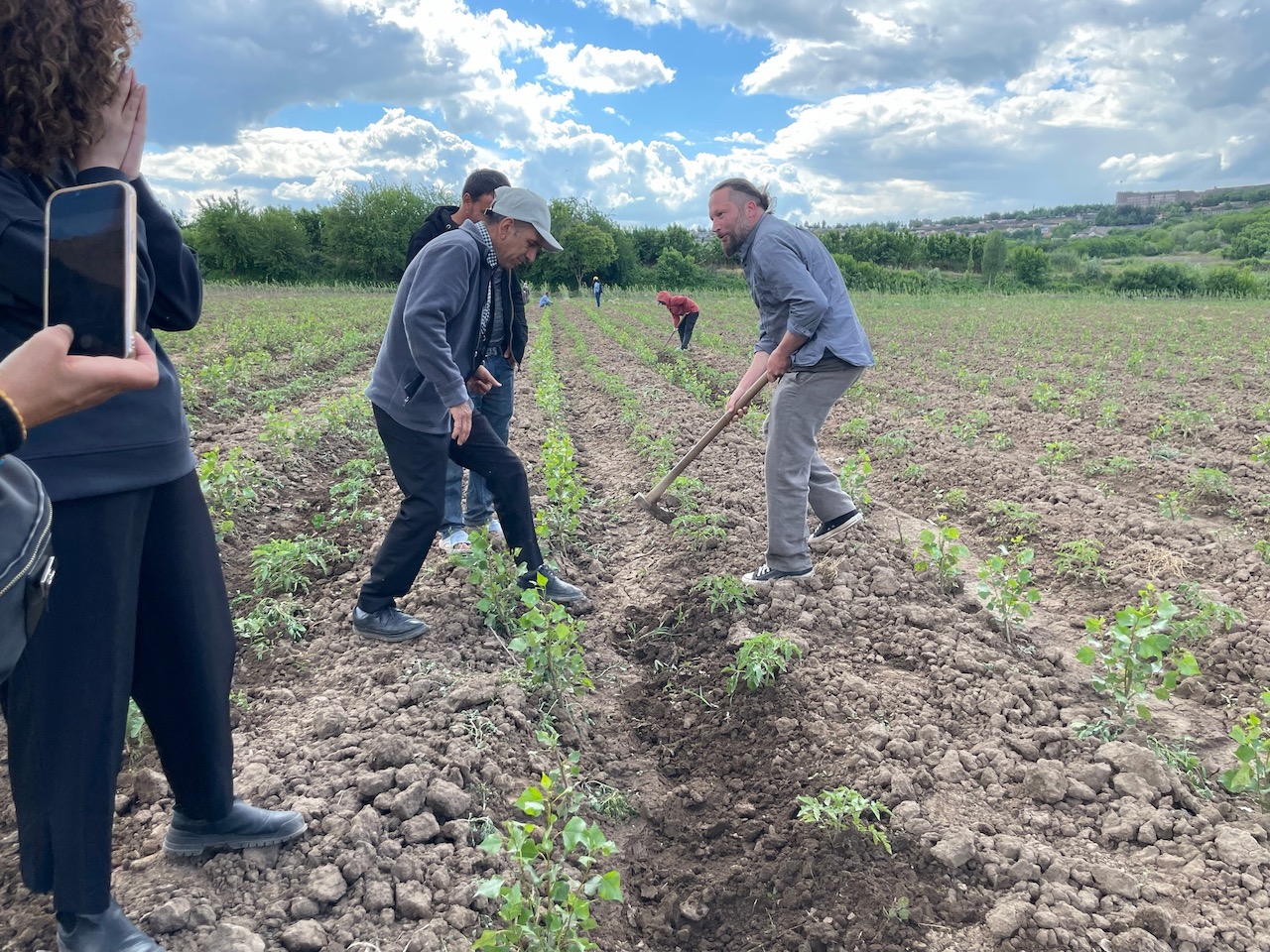
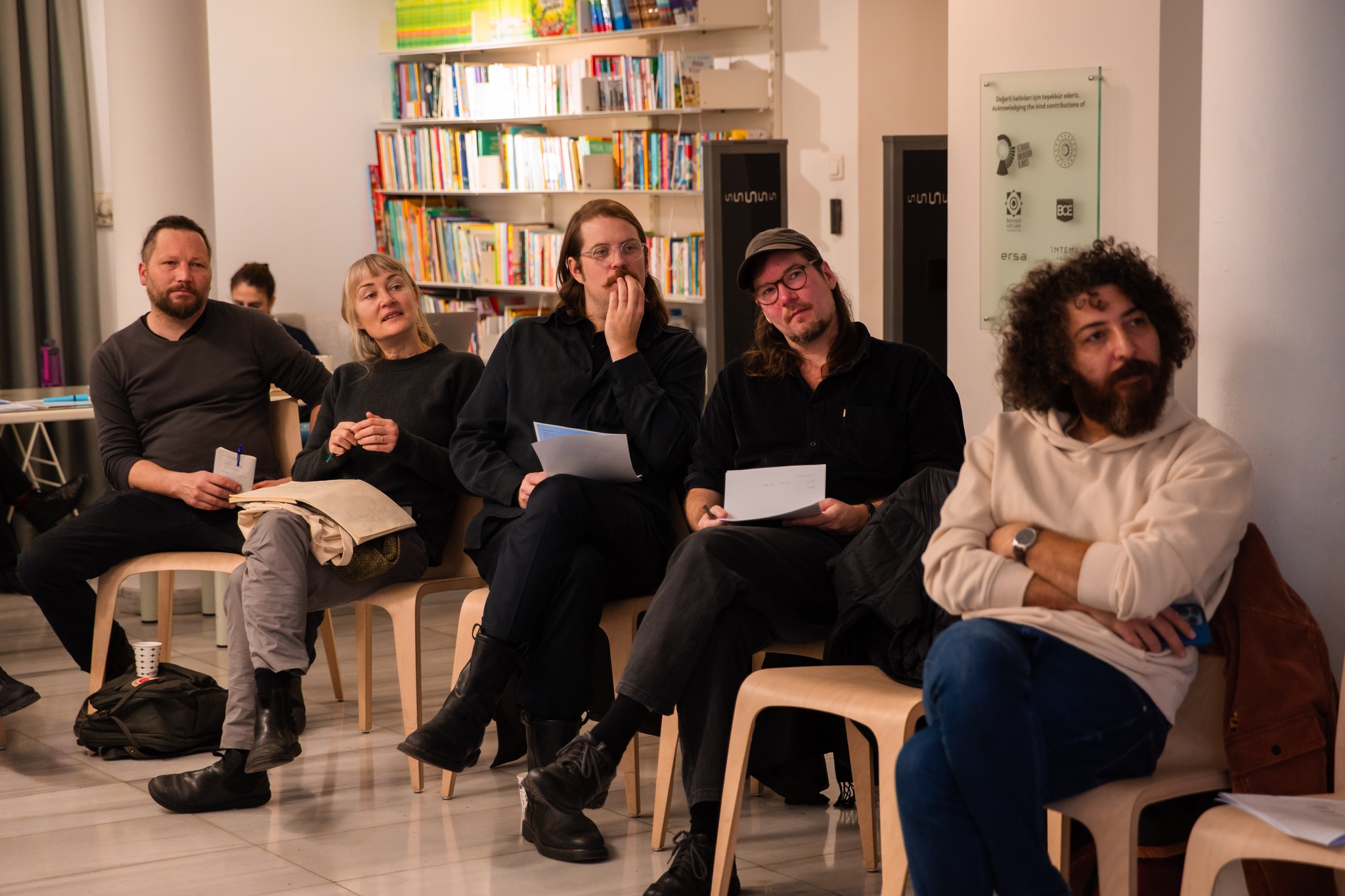
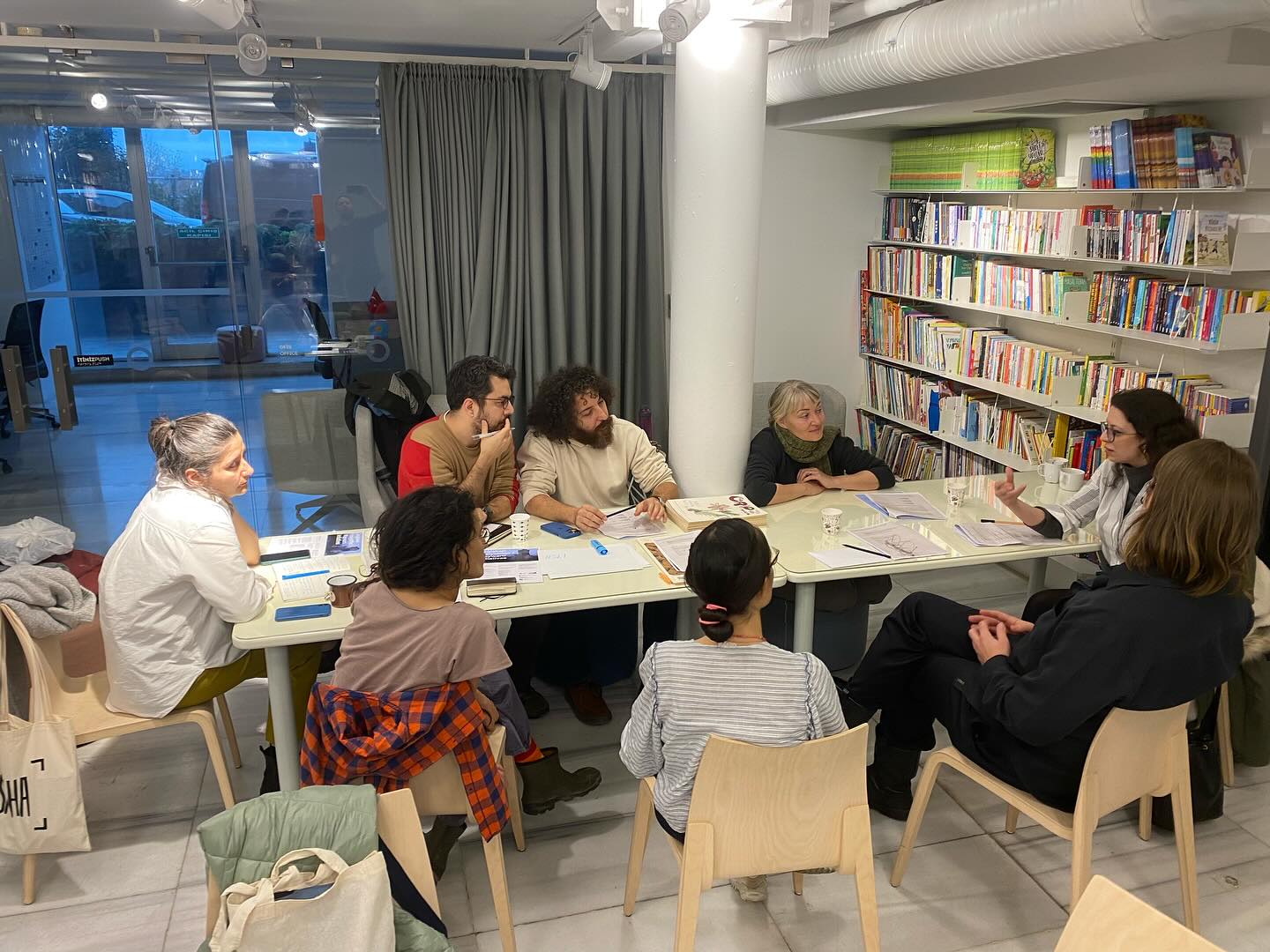
The Değişken İnisiyatifler / Wayward Initiatives symposium brought together peripheral art initiatives from Türkiye and Sweden in order to open up a common discussion about methodologies, formats and cultural resilience. Held between 5 – 8 December, the first meeting of the program took place at İMÇ, SAHA Studio’s new location, with visits to 5533, Imalathane and 400 x 118, located in the same building.  
The symposium took the form of workshops, site visits, presentations and events over the course of three days. During the program,How does one develop artistic methodologies in relation to working in a hyper-local context? How can one engage in cultural heritage and local histories? Can the production of art have a positive effect on the environment? How can we design adaptable and multifarious spaces which ensure sustainability? questions were explored together.
The project was initiated by the Consulate General of Sweden and developed in collaboration with SAHA and Istanbul Foundation for Culture and Arts (İKSV). The project is supported by the Swedish Arts Council together with IASPIS the Swedish Arts Grants Committee ́s International Programme for Visual and Applied Arts.

Participating Initiatives: 
Arazi Assembly
, Mardin , Coyote, Stockholm, Hayy Open Space, Izmir, Ka Atölye, Ankara, Kulturhane, Mersin
Kultivator, Öland, Loading, Diyarbakir, Postane, İstanbul, Ställbergs Gruva, Ljusnarsberg , SUB, Çanakkale 


Residens Symbiotiska kopplingar i och med Rogsan

Residens Symbiotiska kopplingar i och med Rogsån, Falun

From two residence periods in the summer of 2023 in and with the small river “Rogsån”, Kultivator invited to a gathering In Österå village community building, previous village school. Malin Lindmark Vrjman and Mathieu Vrjman from Kultivator held a presentation of their artistic practice, and gave three workshops/actions that dive deeper into the river Rogsån, and at the same time starts a network work around and with watercourses in Sweden, Norway and Canada. In the first workshop, "a fleet for the future", Mathieu Vrijman invites you to equip (and then launch) boat sculptures for the challenges of the future. The models are inspired by the finds of ancient log boats that were made in  Igeltjärn near Rogsån in the 1930s, and disappeared from Dalarna's museum in the 60s. The boats, and descriptions of fishing gear that were found near them, indicate Sami presence in the area. What knowledge and approaches to the water in the landscape have been pushed aside and forgotten in the story of our common past? How can we lift and remember the forgotten in the face
of the change the climate crisis and the mass extinction of species are presenting to us? The conversation and fitting out of the boats is followed by a joint walk to Rogsån, where they are launched for further travel through the water system. The second workshop, "The Net" is led by Malin Lindmark Vrijman with the help of Lina Sofia Lundin. Here we materialize the network of waterways by literally tying a web together, of the fibers and with the craft knowledge found in the area. For Rogsåns net, we use flax yarn, grown, processed and spun nearby. During the work with the hands, we invite to also share stories, memories, or other
thoughts around the river, based on material from a study circle that is available to take part in during the workshop. The piece of net we tie while we talk becomes the very first part of the Net which will travel on to other places near watercourses, where it is tied further with other people who have a relationship with their water, with other local materials/ fibers, and other stories. We think of the net as a work that never ends, but can travel around to communities near water as long as
someone has the strength to carry it. In the last workshop/action, those who want to go with the local Fishing association out to Rogsån
and we contribute tangibly together to their work with the restoration of the river for increased
biological diversity.

THE OBSERVATORY: ART AND LIFE IN THE CRITICAL ZONE

THE OBSERVATORY: ART AND LIFE IN THE CRITICAL ZONE

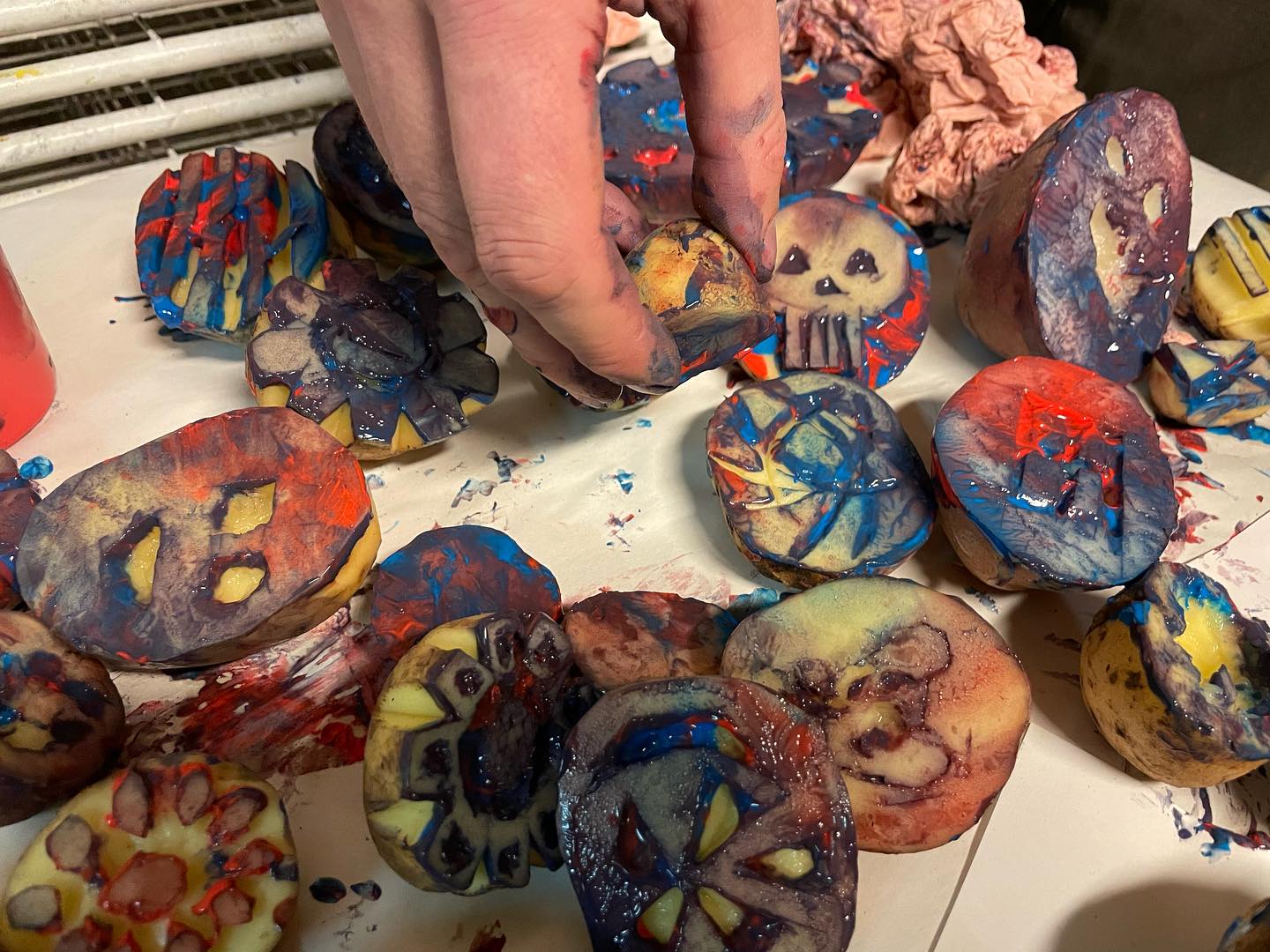
revolves around the intricate relationships among humans, animals, plants, earth material, and other forms of life. The exhibition brings together a collection of new and existing artworks by twenty-six artists who, in diverse ways, actively engage with the multifaceted elements present in the “critical zone.” These elements encompass a wide range, spanning from earthworms and oil birds to imagined beach creatures and resilient potatoes, from indigenous landscapes and micro-territories to rainwater and archives of rural-based alternative communities across Europe and West Asia. The artists have employed painting, drawing, video, sculpture, performance, workshops, agriculture, and other means of expression, which will co-exist in a dynamic display at Södertälje konsthall.

Residence by Hosting lands at Padenandenside

Residence by Hosting lands at Padenandenside

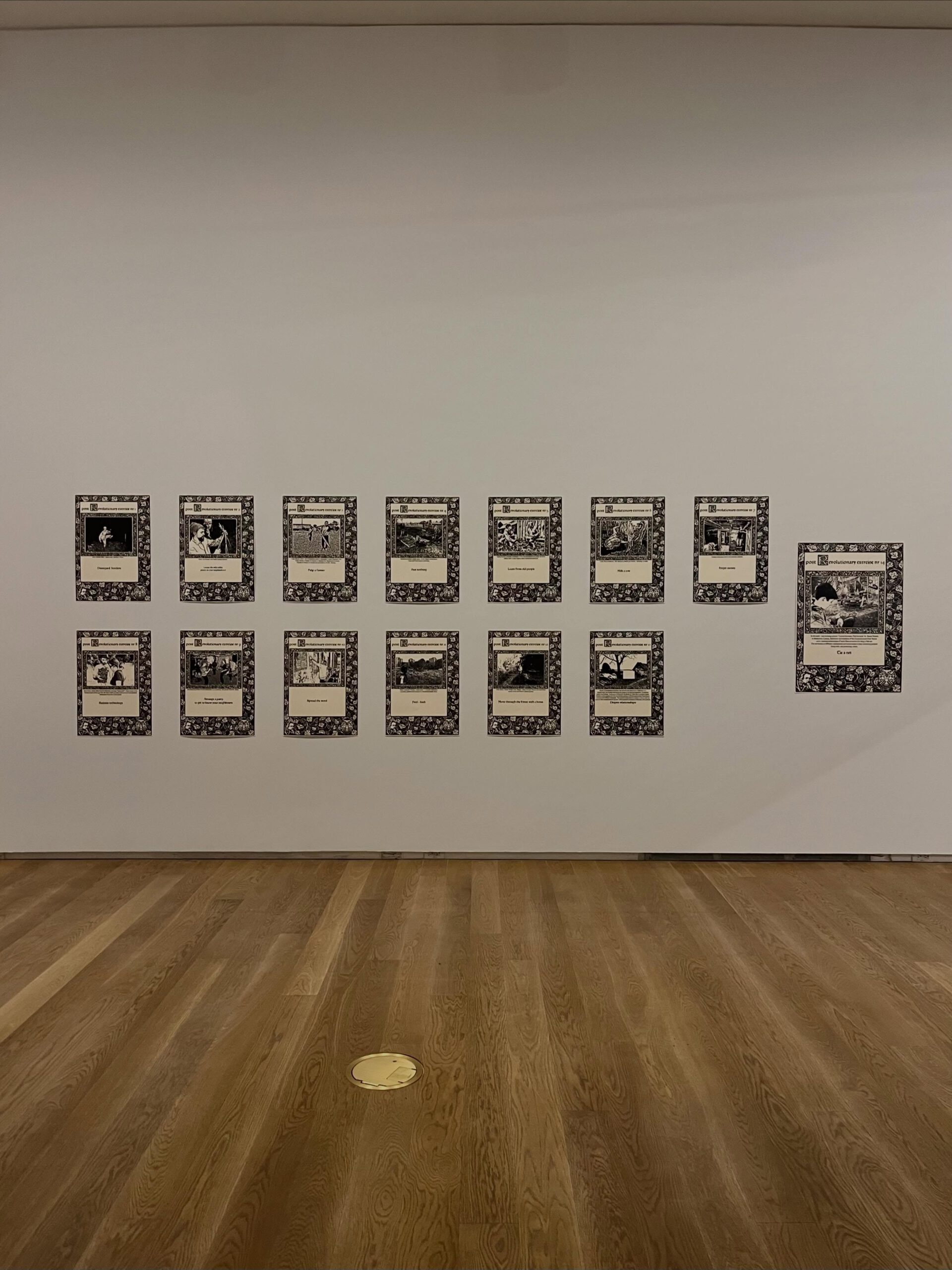
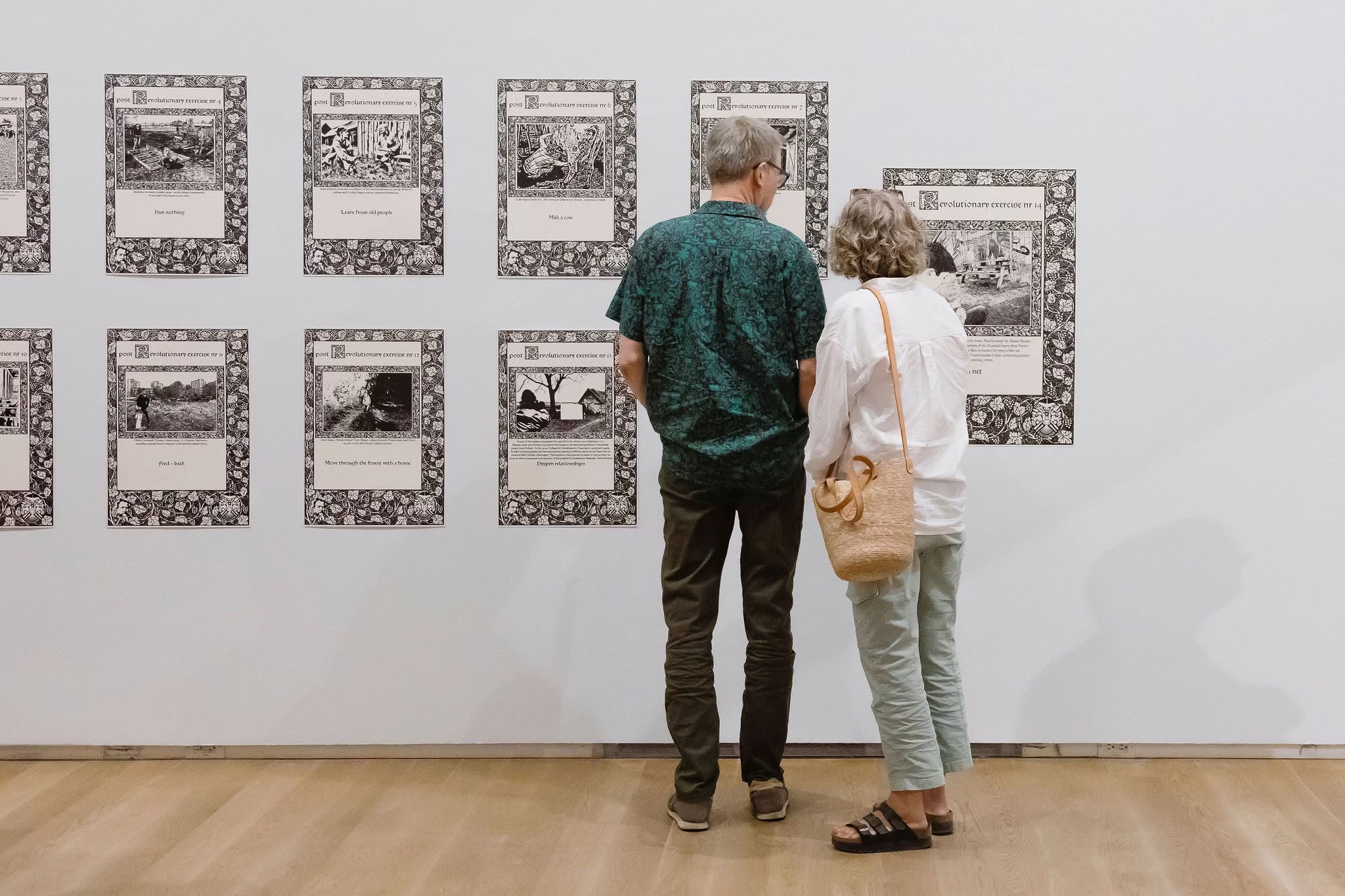
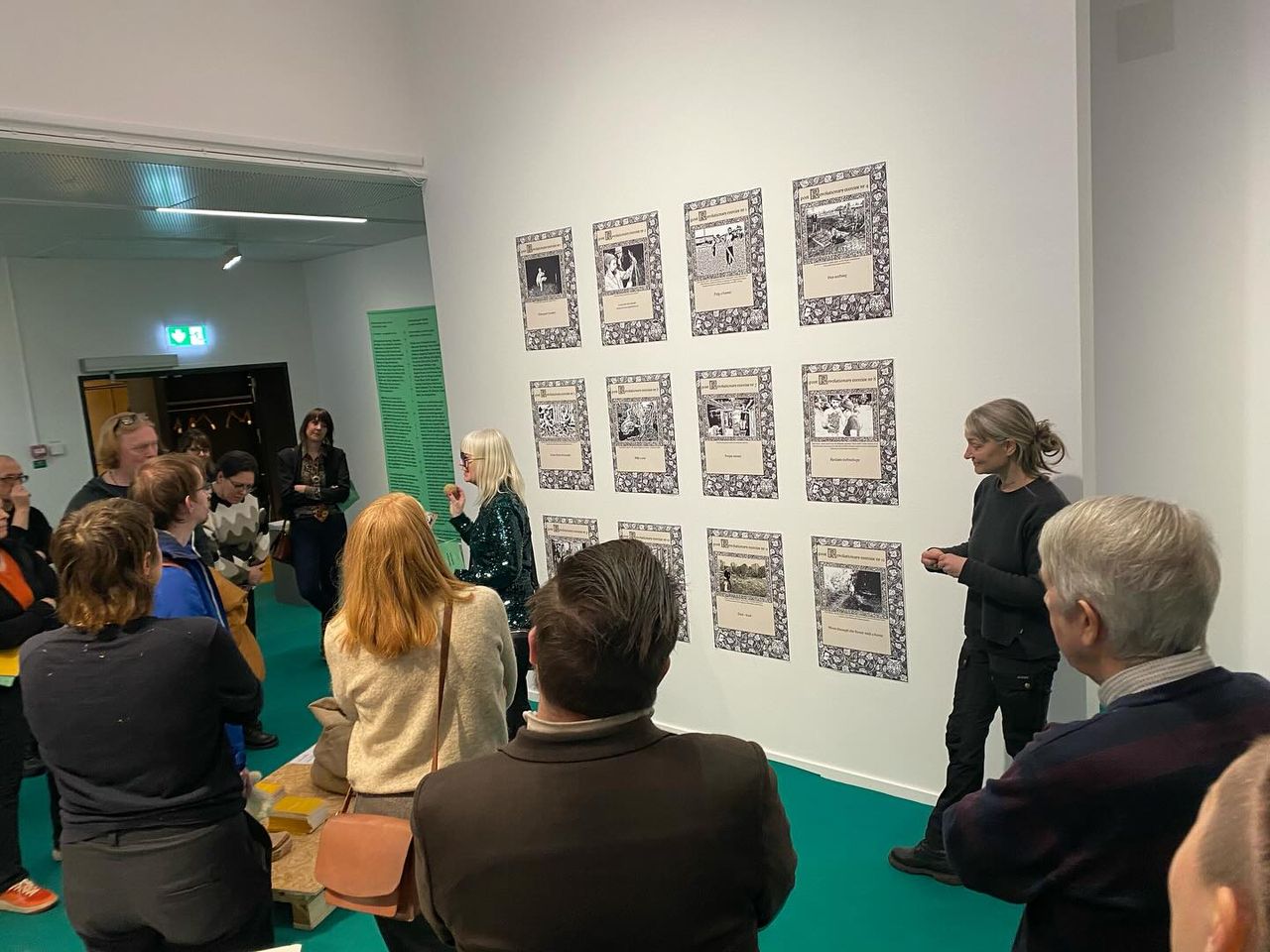
As a part of the project Hosting Lands, Kultivator did field work at Padenandenside (PDAS) and was invited to join in the design and construction of a water collector for the common field, many inspiring conversations on hosting, and a workshop creating new Post revolutionary exercises.