Carried by rivers held by lands

Carried by rivers, held by lands

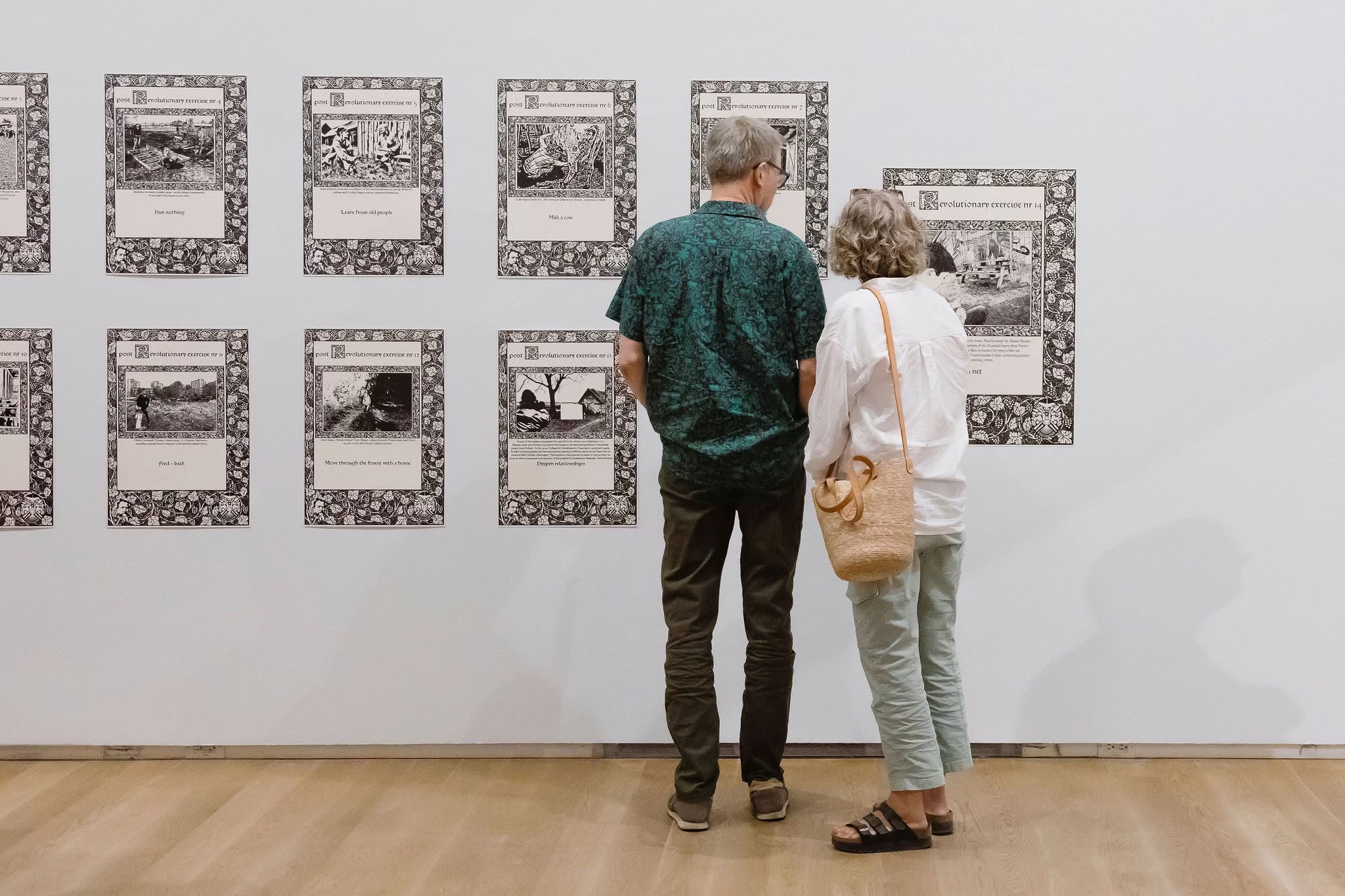
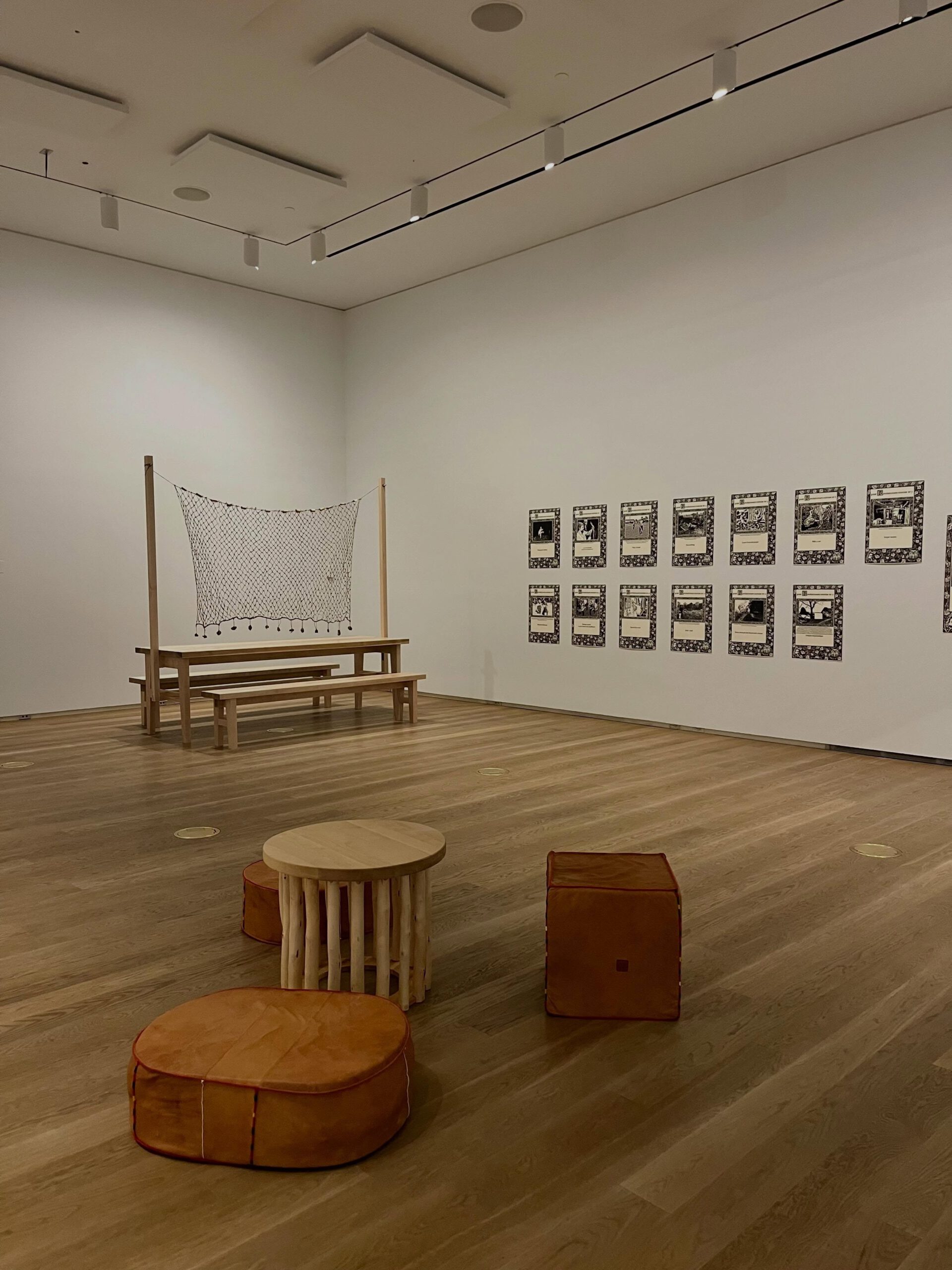
a group exhibition at Remai modern that gathers a set of artist projects developed through exchanges, gatherings, and site-responsive processes that continue beyond the gallery. Moving between river and oceanic contexts, the works attend to the flows that sustain and unsettle life—ecological, cultural, and economic.
Exchanges between Kultivator and Marianne Nicolson with the Musga̱maḵw Dzawada̱ʼenux̱w First Nation centre the rematriation of knowledge connected to stinging nettle and oolichan fishing.
 

Felt notes

Felt notes

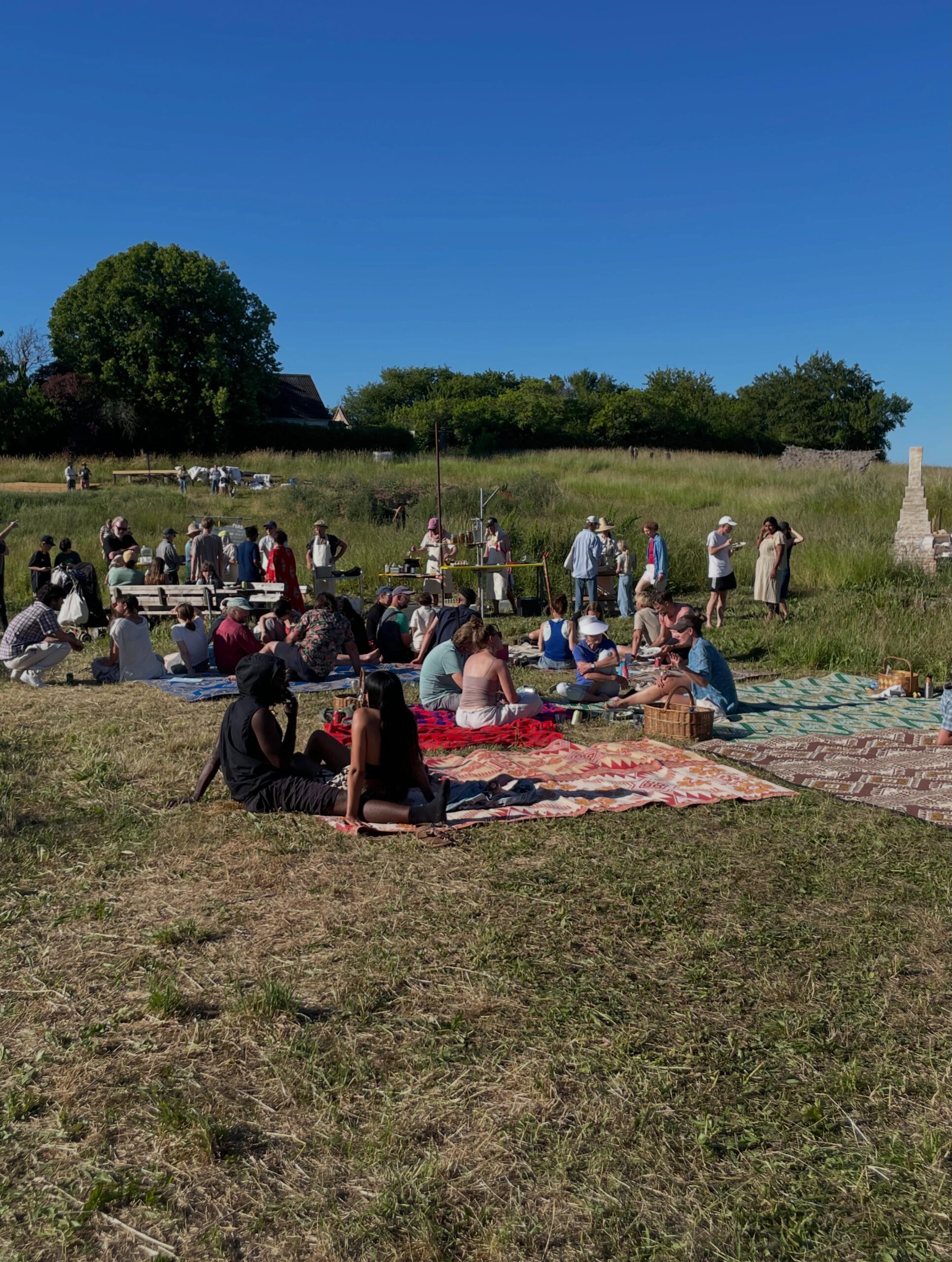
Opening of Fire, We Gather Round by Hosting Lands.

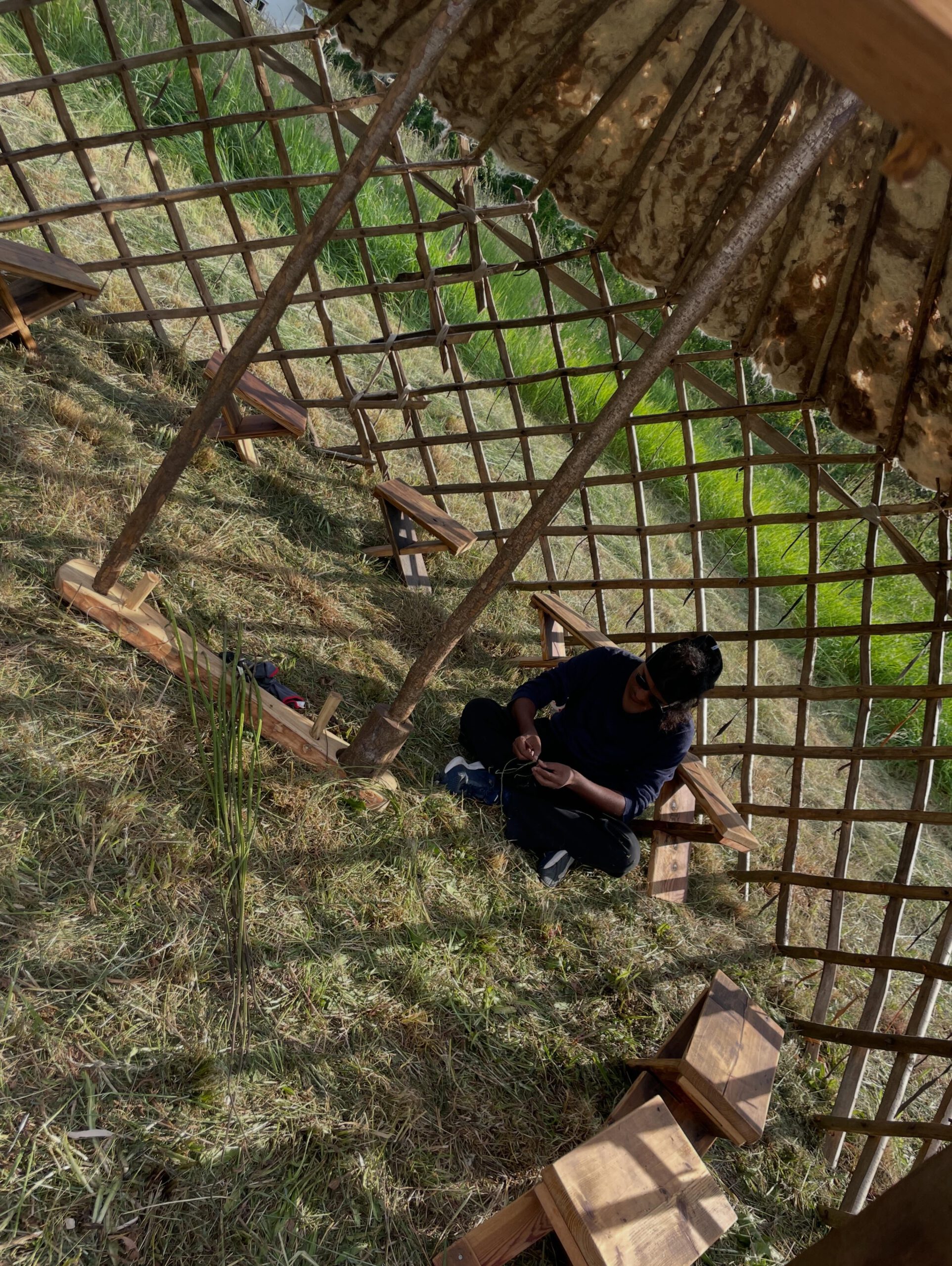
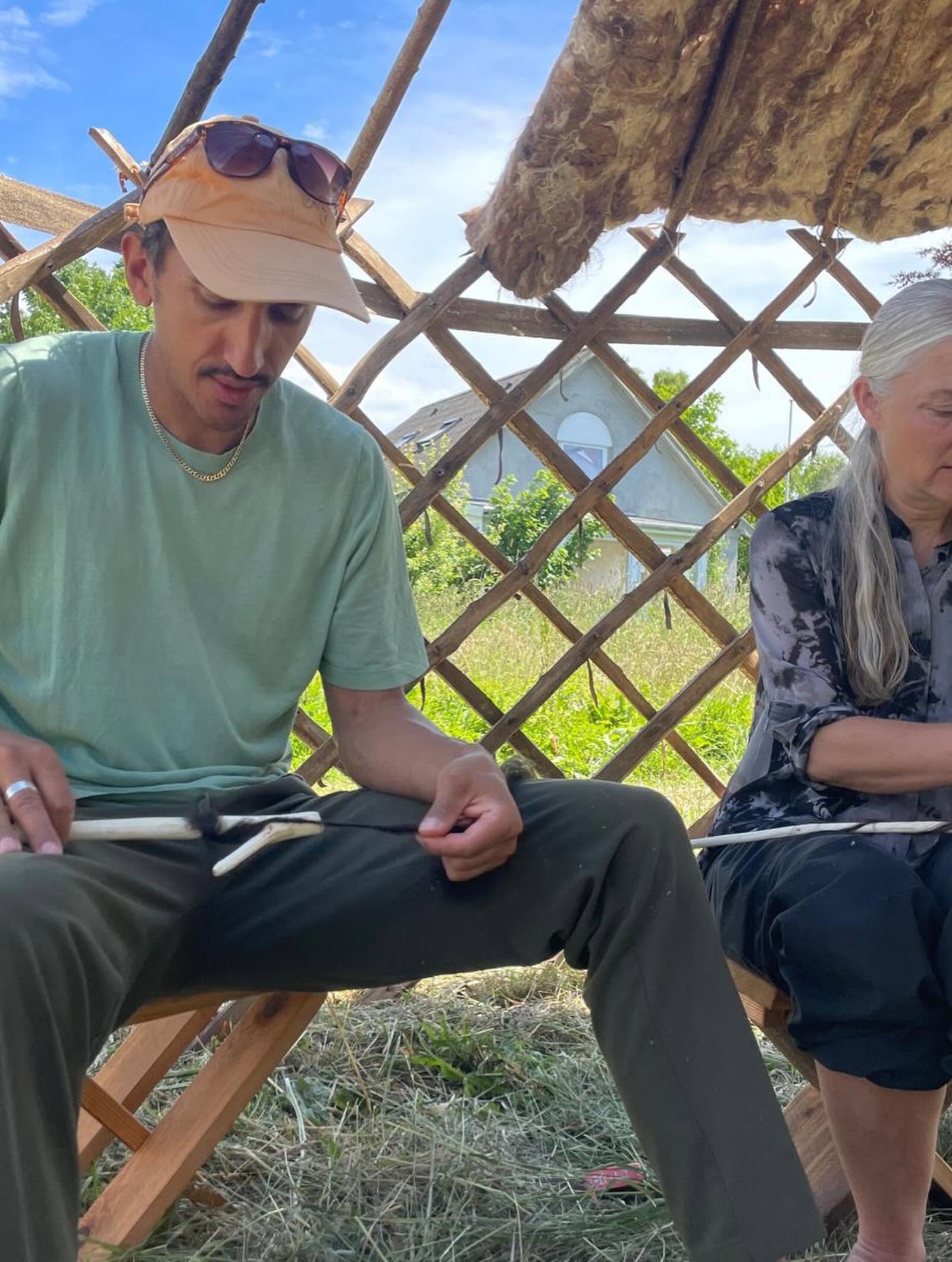
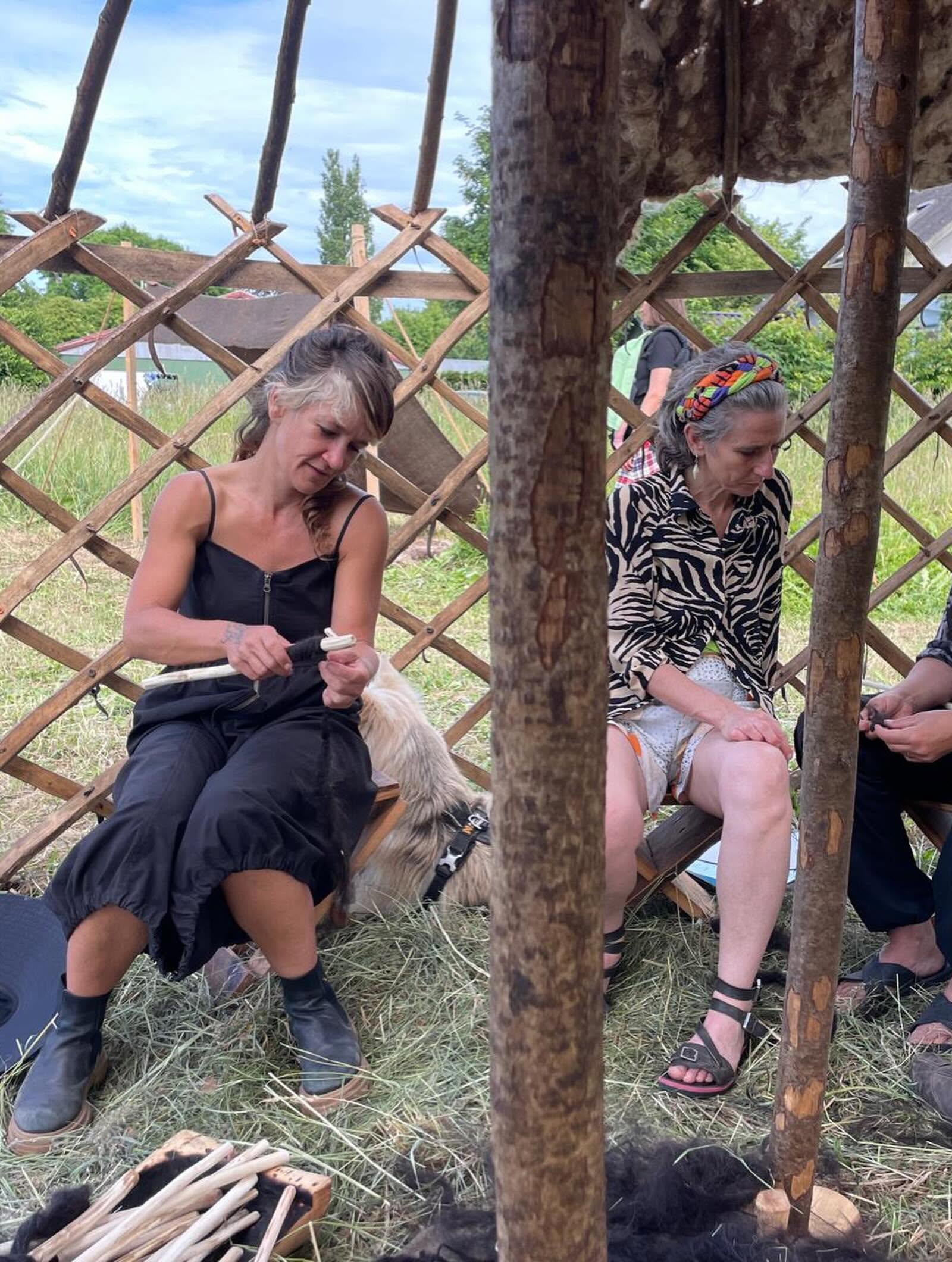
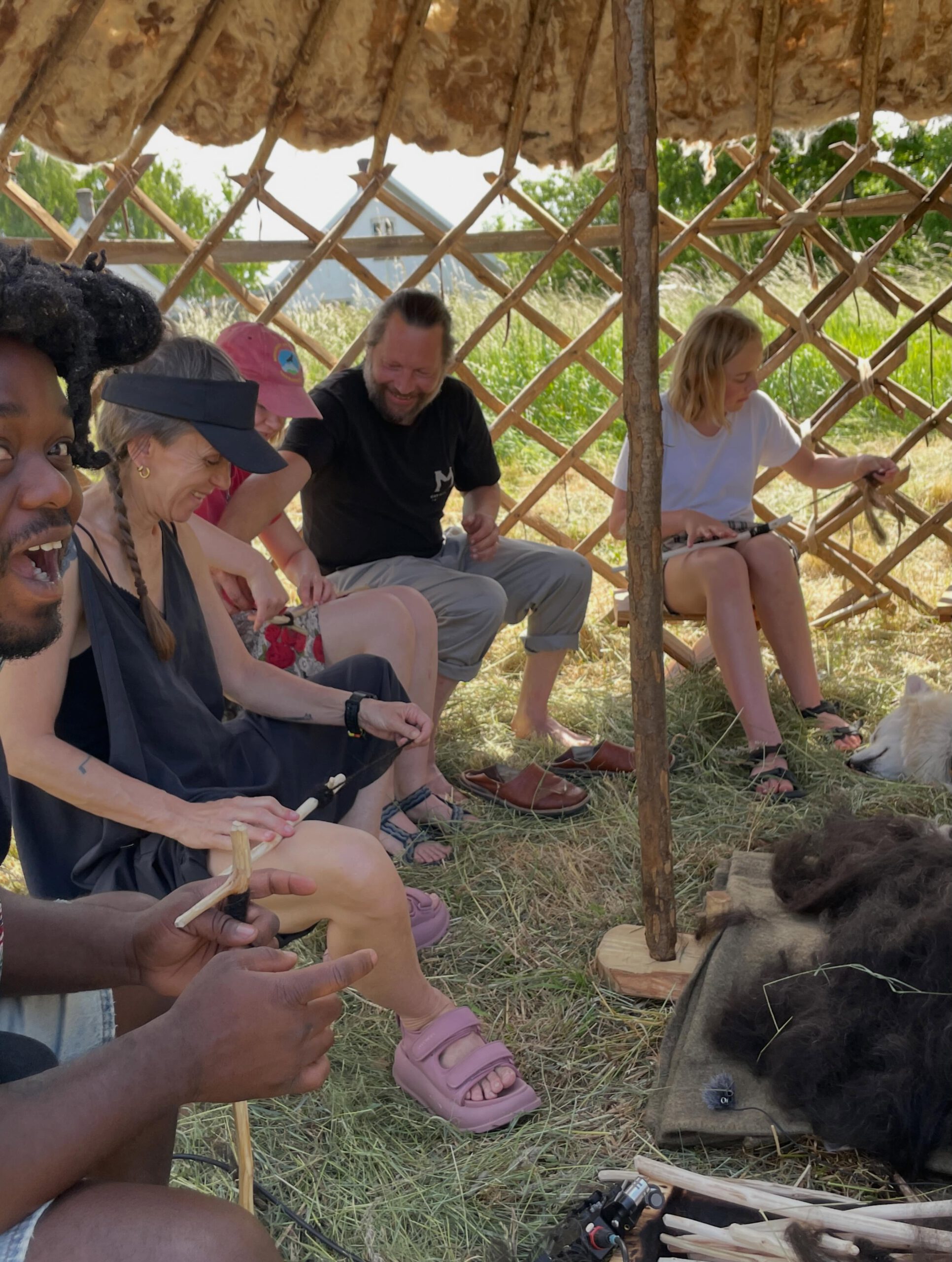
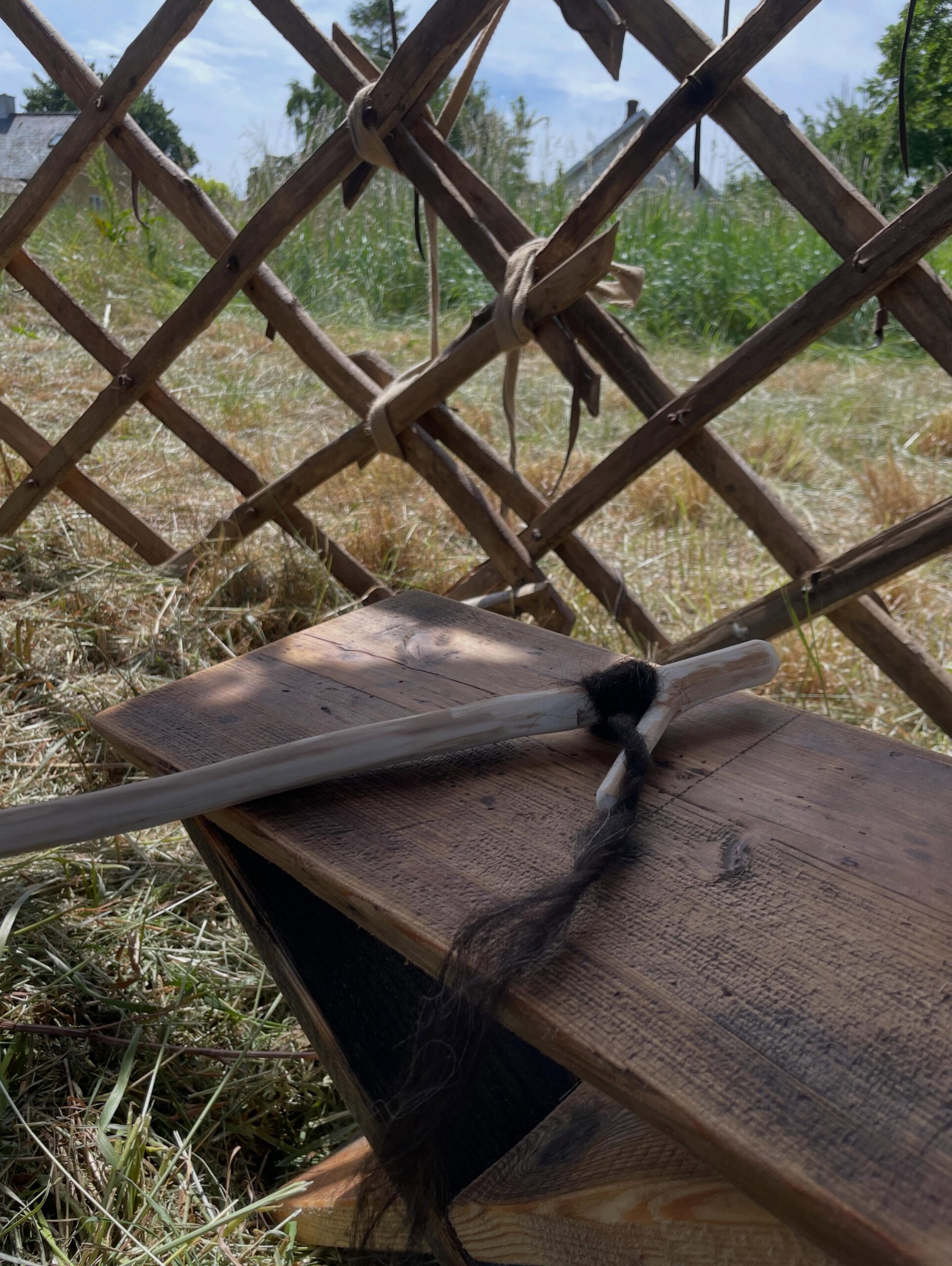
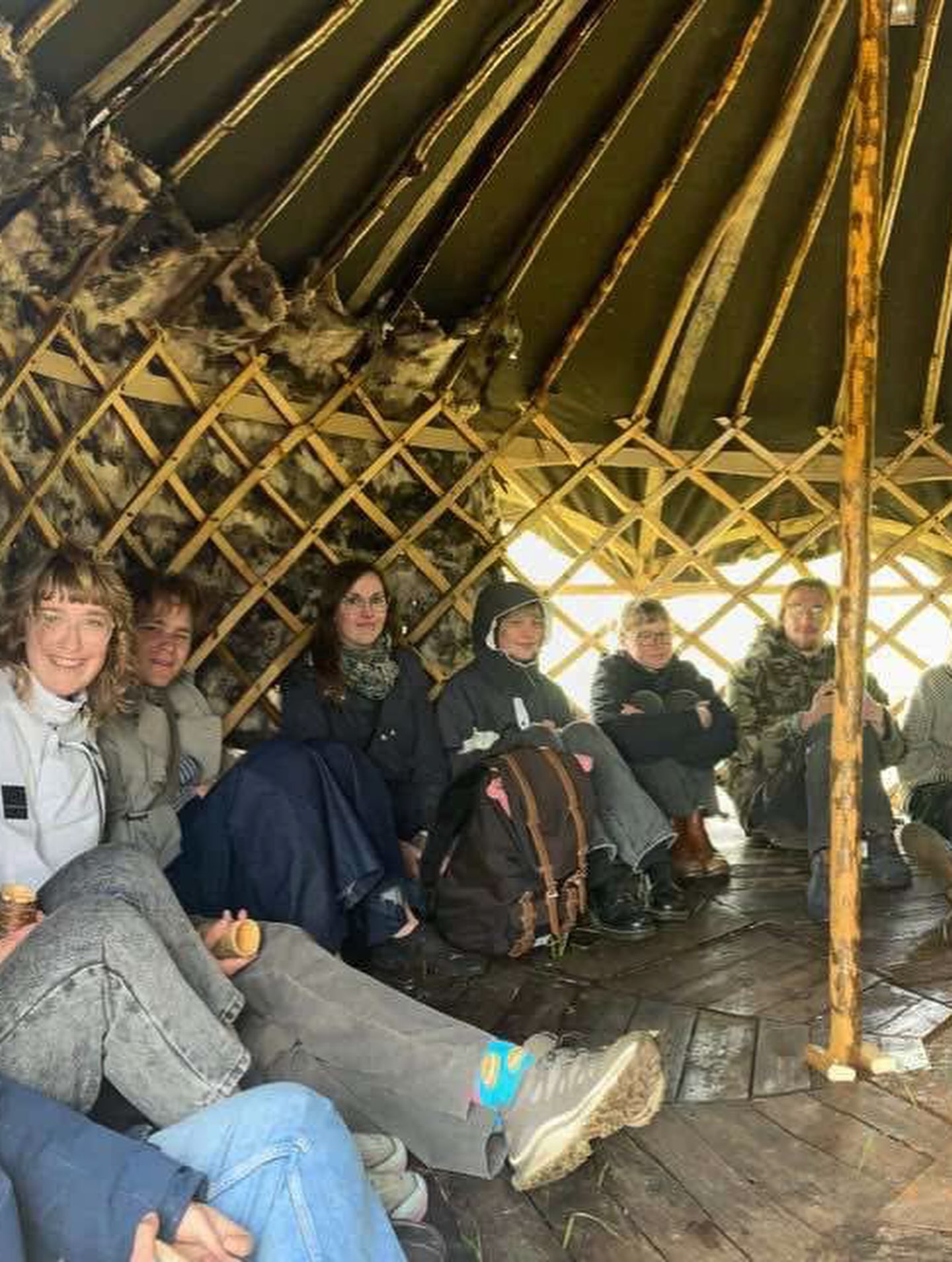
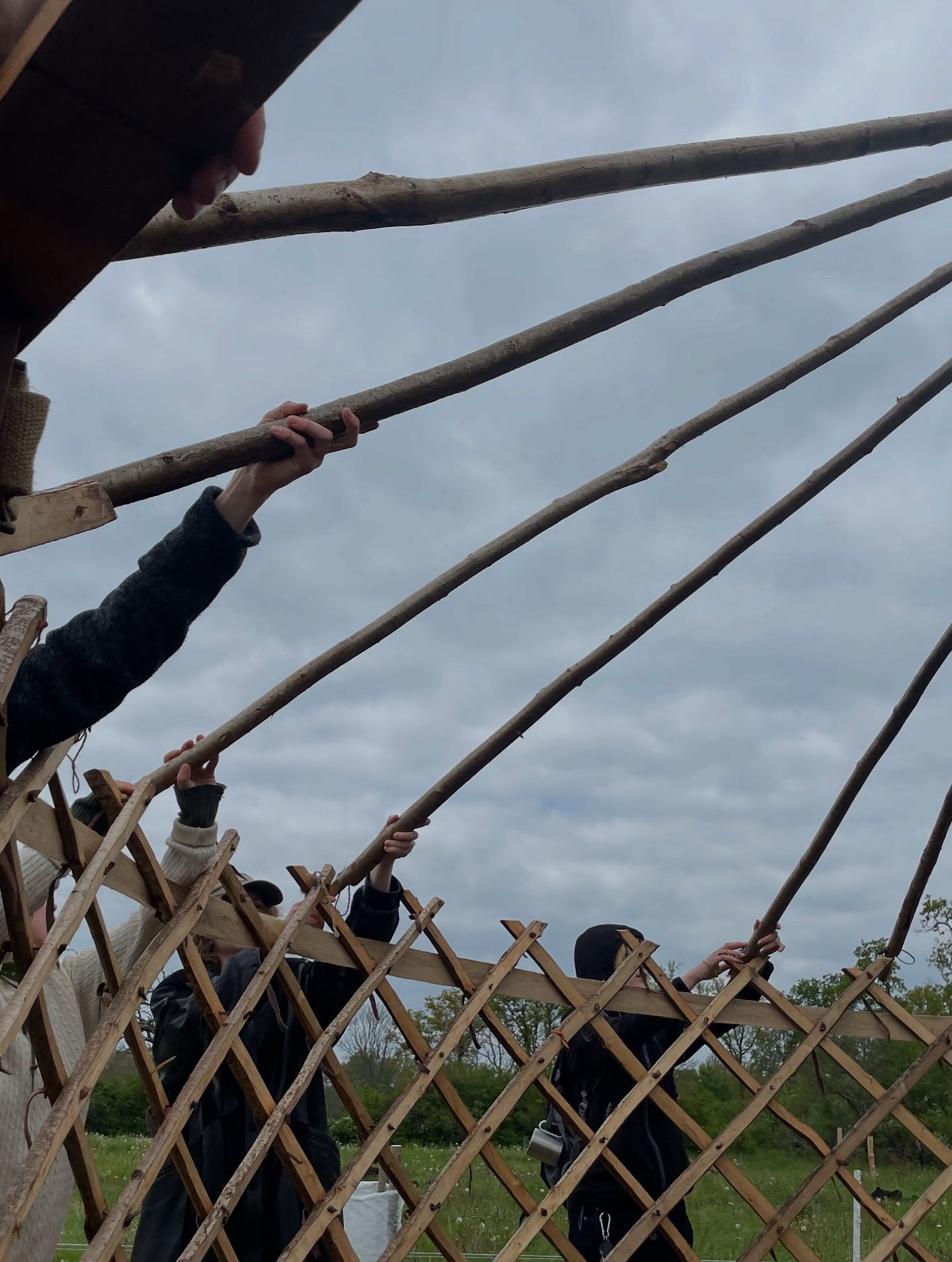
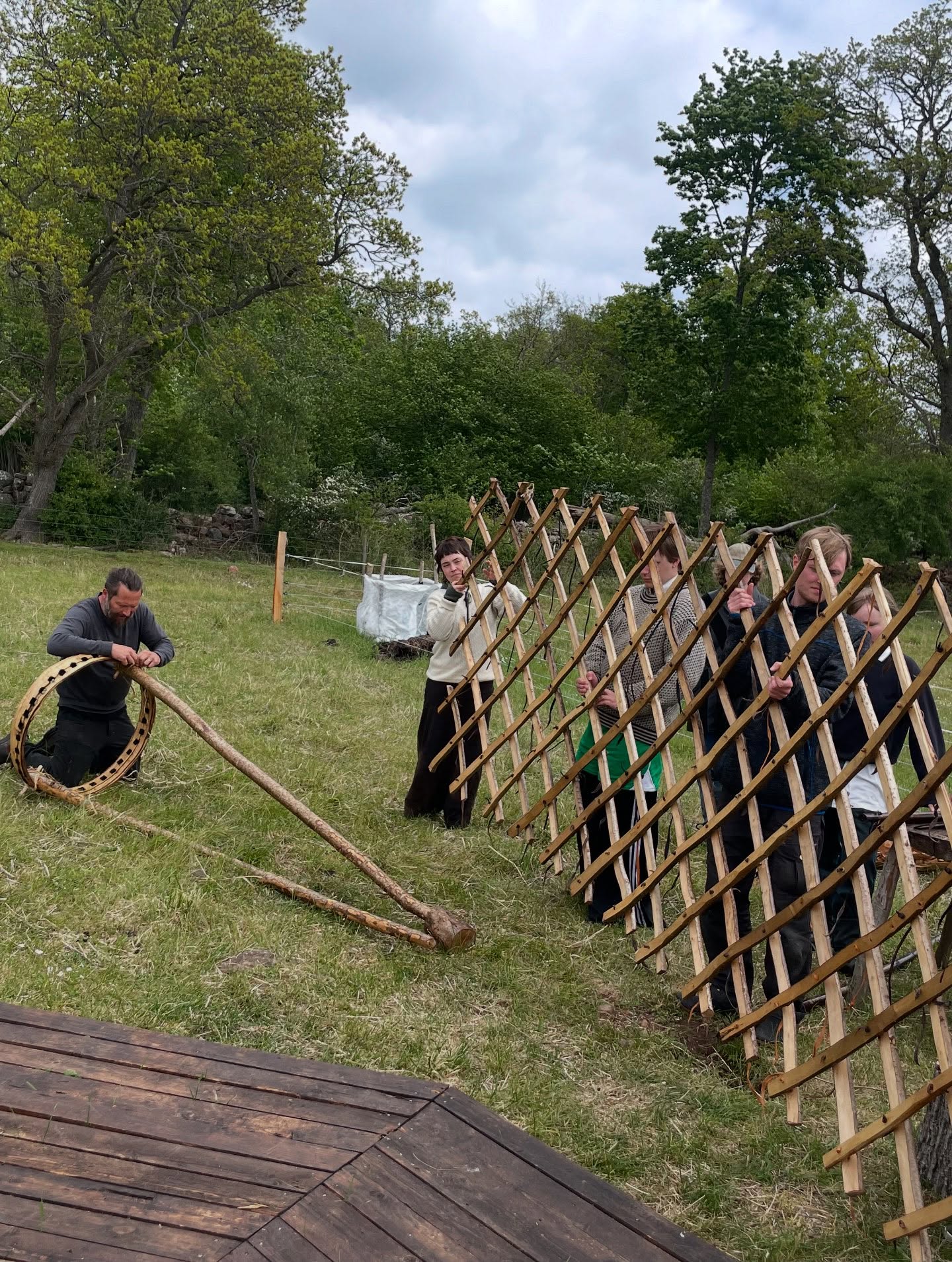
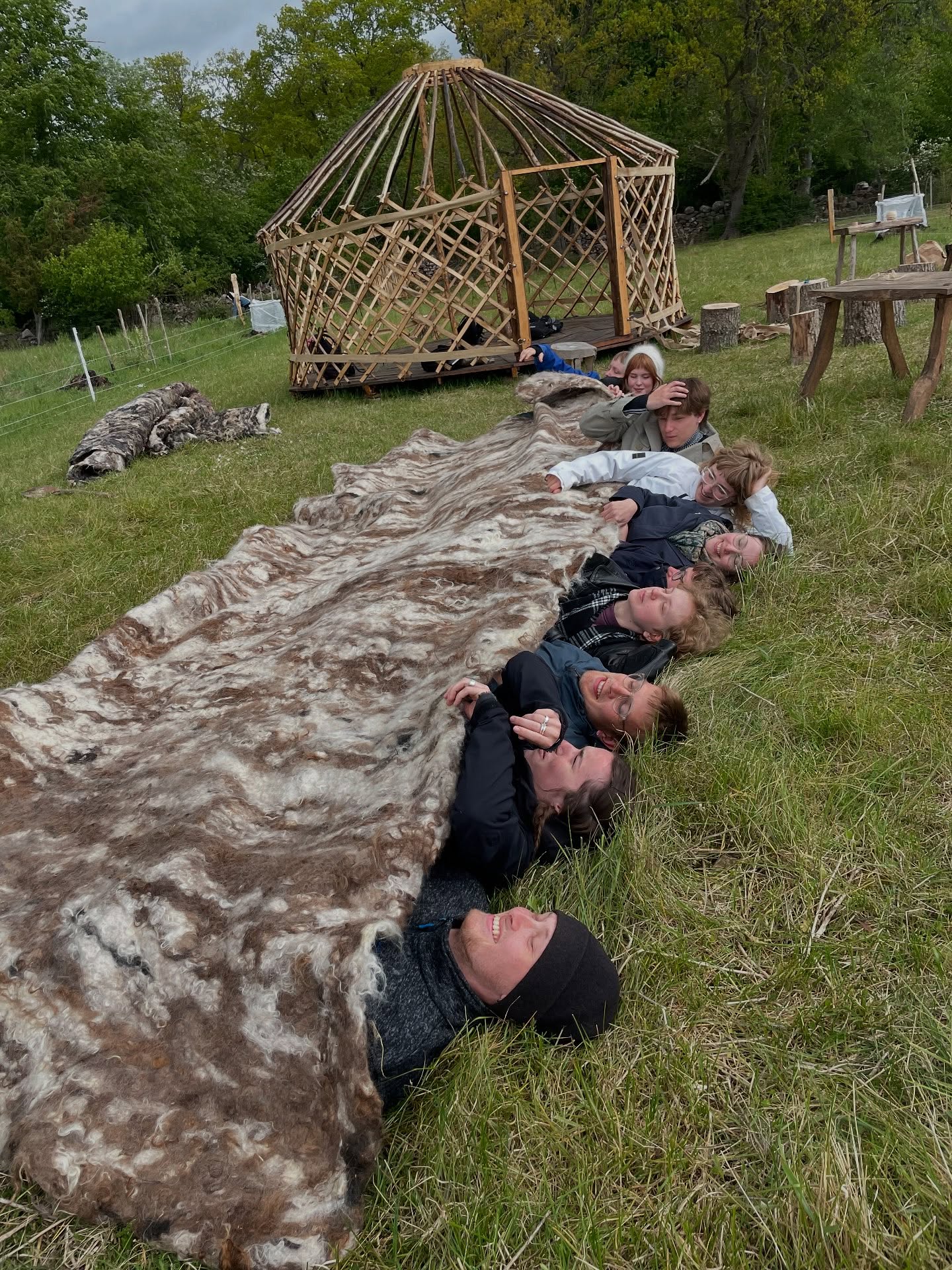
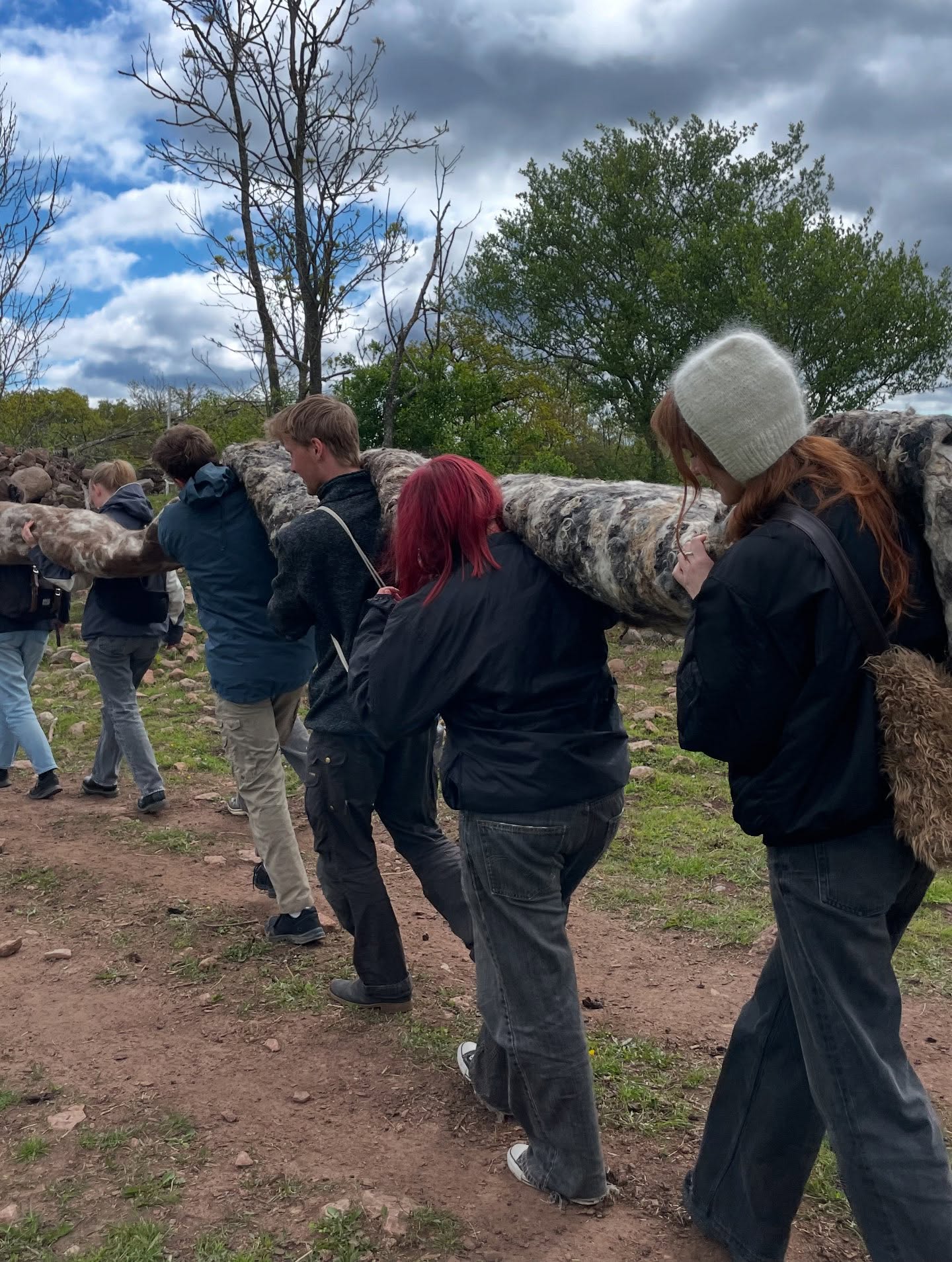
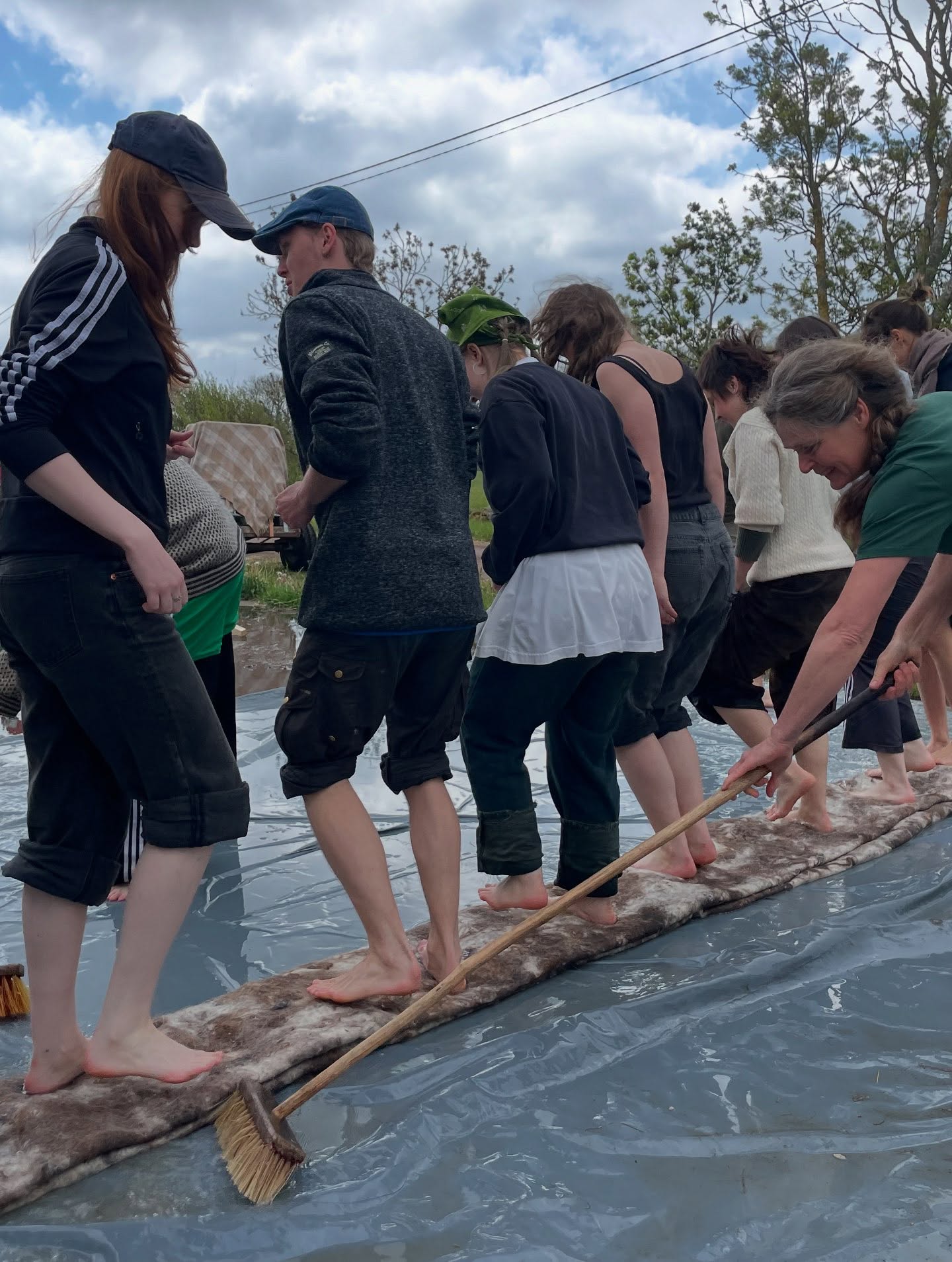
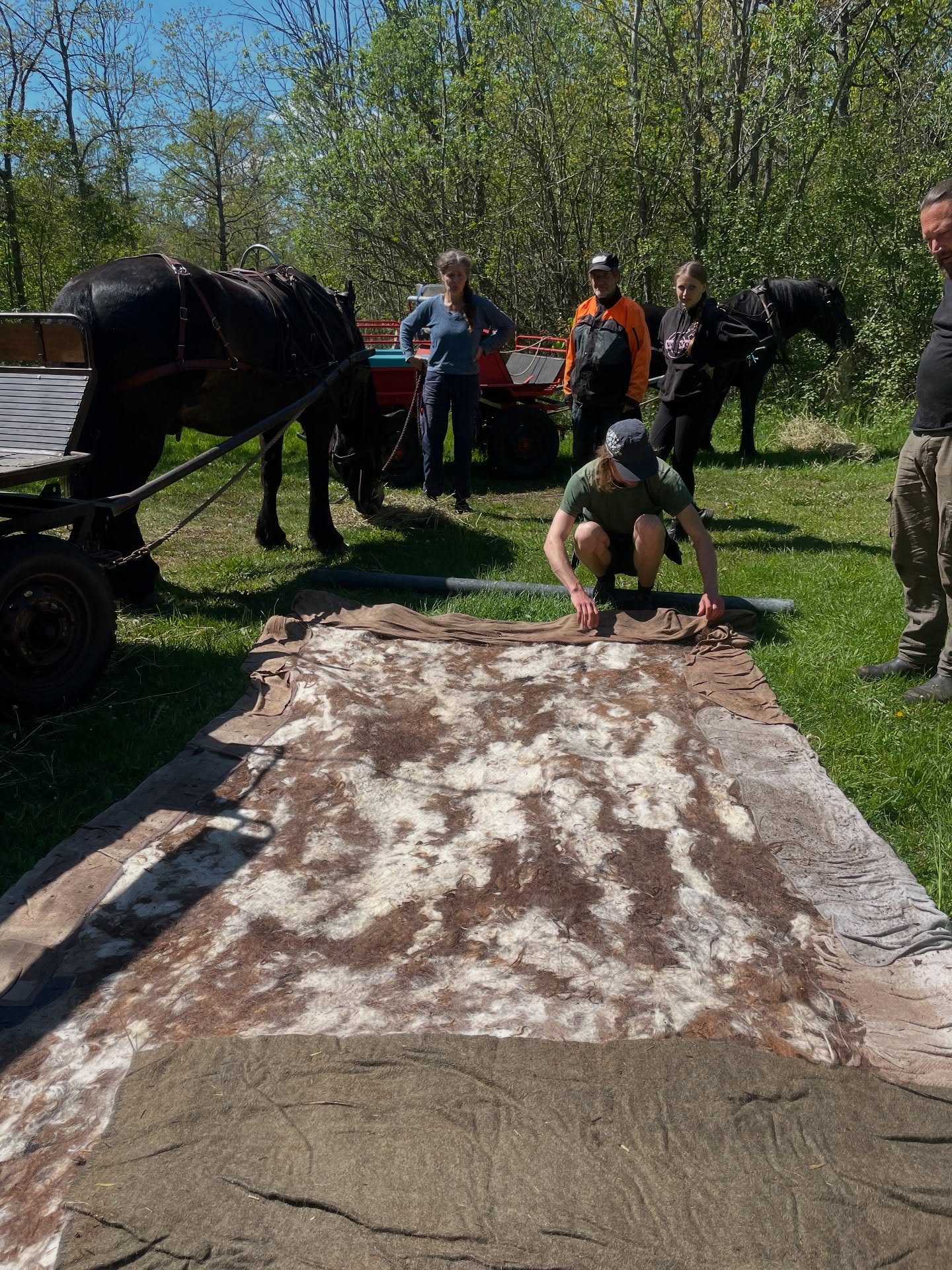
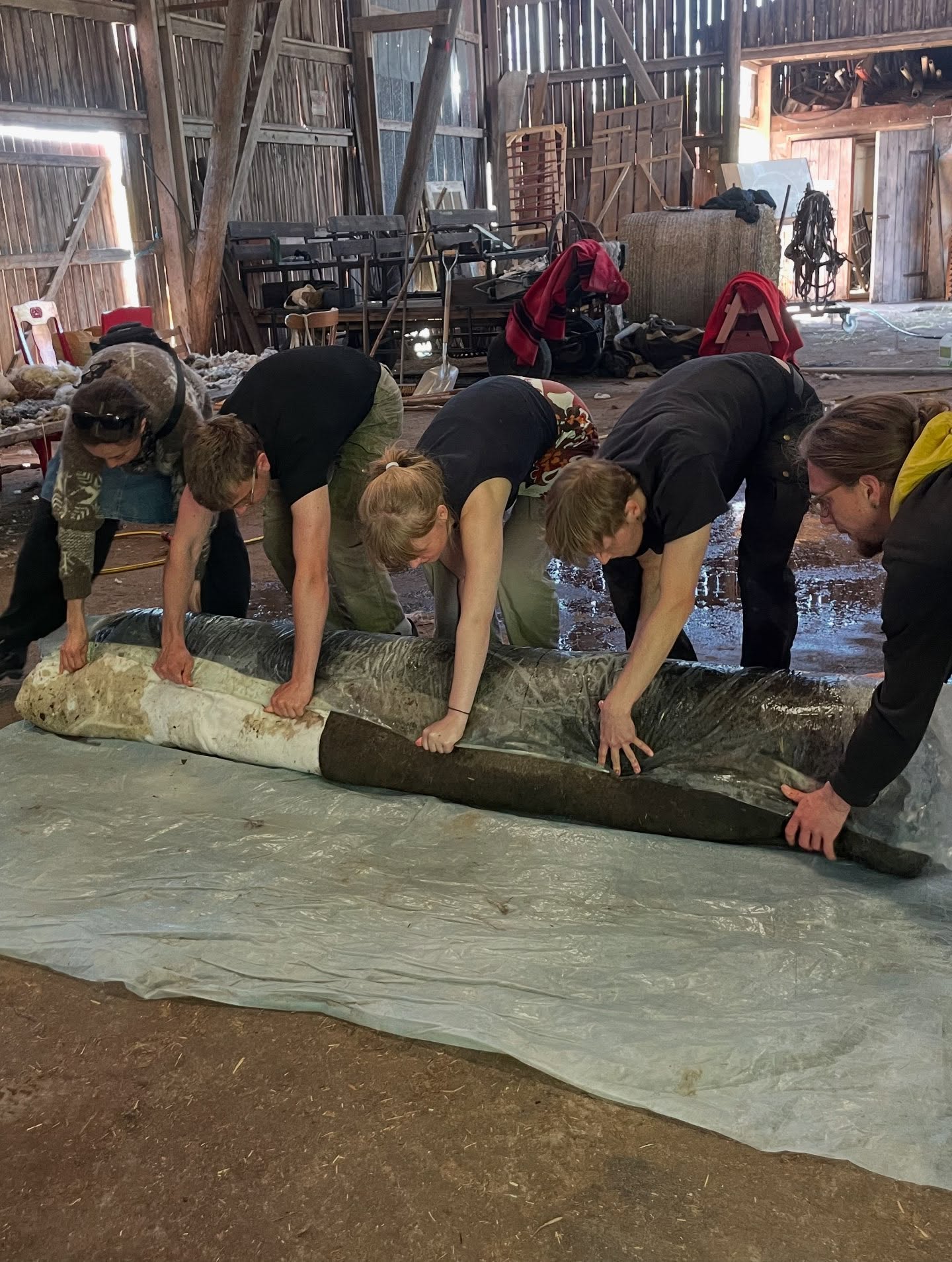
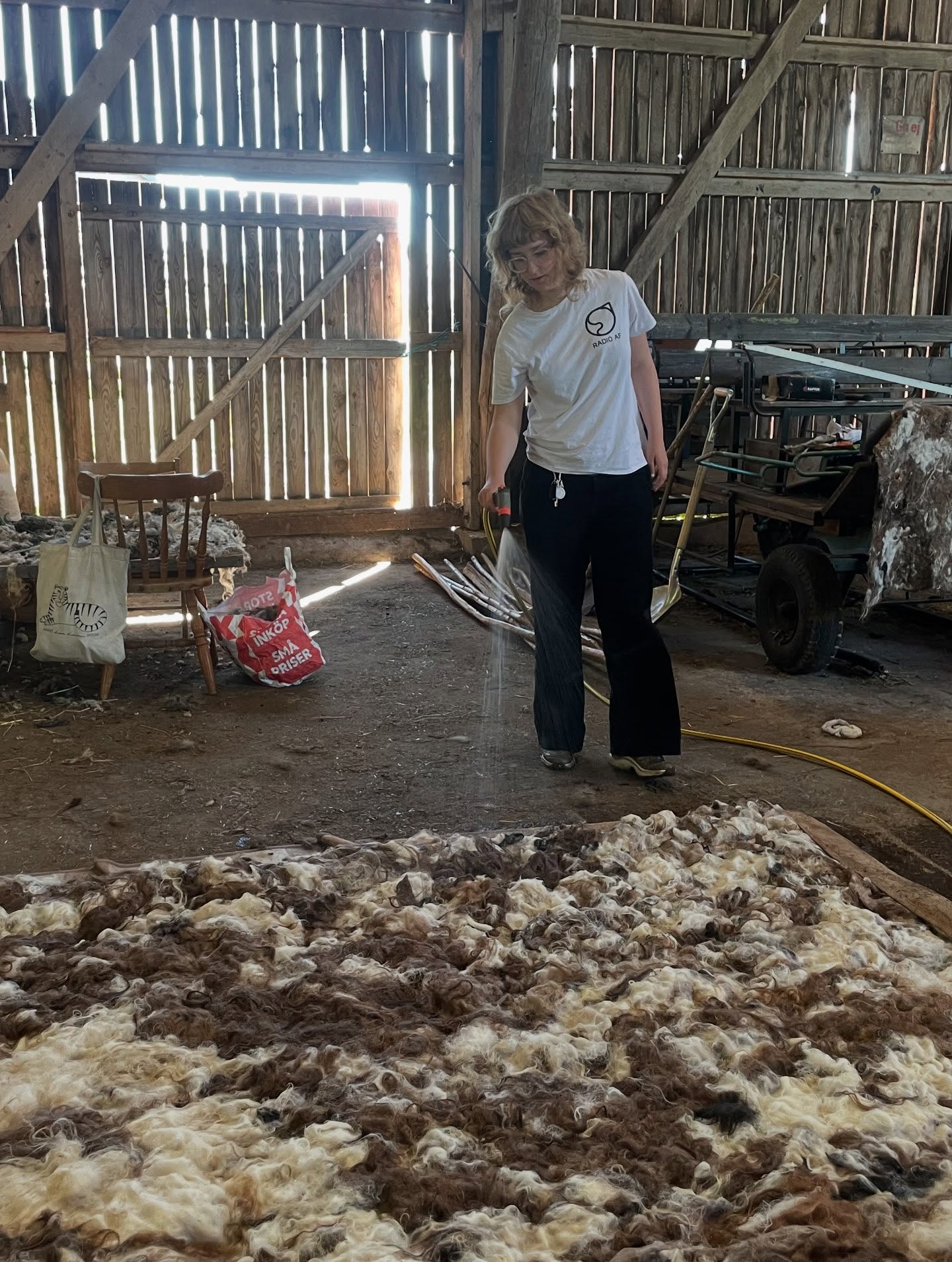
Felt Notes is a mobile meeting space developed by the artist duo Kultivator together with their more-than-human collaborators: hazel trees, sheep, and horses living and working on their farm. Based on the structure of a traditional Mongolian ger (yurt), the work was constructed through a series of workshops involving students, visiting artists, and members of the local community as part of the long-term artistic research project Tell it to the Field that She Wants to Be a Meadow.
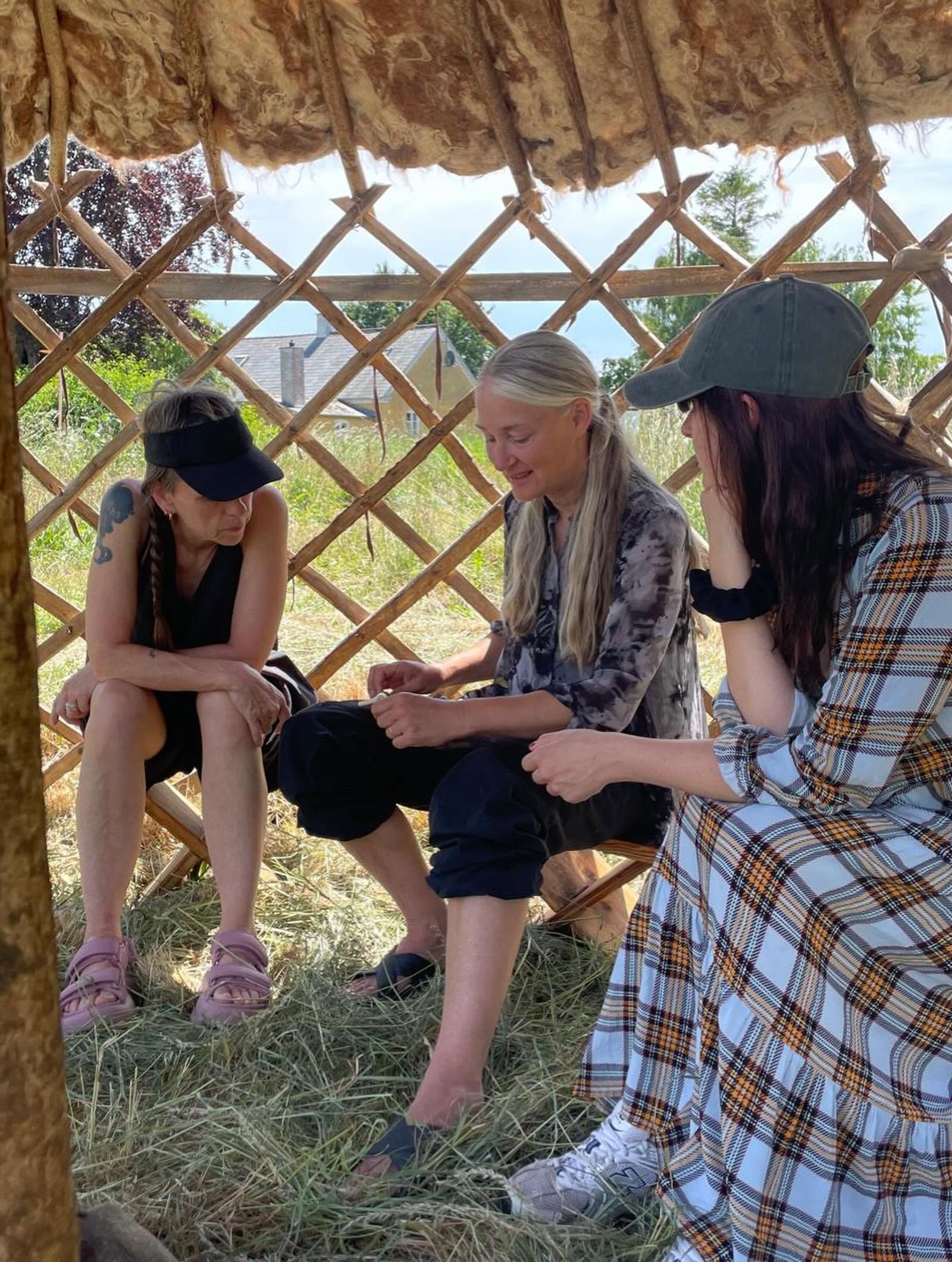
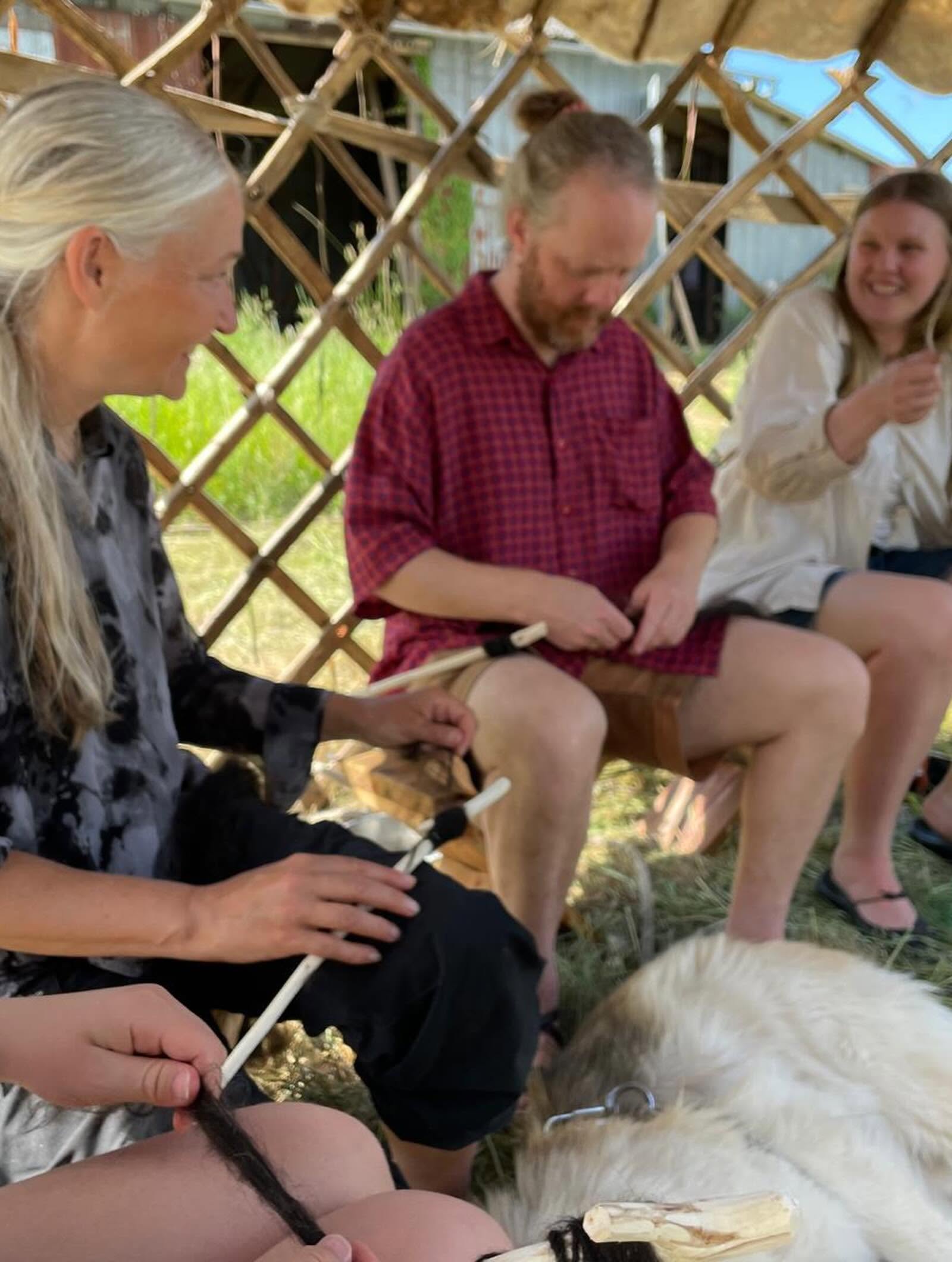
On the opening day, visitors are invited to enter the structure and participate in the slow process of spinning black wool into yarn. The wool, gathered from the flock at Kultivator, becomes the material basis for an ongoing embroidery that serves as a living record of the project’s research, relationships, and encounters.
The act of spinning provides both a practical activity and a framework for exchange. As hands work with wool, conversations unfold around questions of land, stewardship, community, and the possibilities of hope in times of ecological and social uncertainty. Kultivator approaches hope not as optimism or certainty, but as a collective practice, something that is cultivated through relationships, care, and sustained engagement with the places we inhabit.
Bringing together human and more-than-human forms of labour, Felt Notes proposes the field as a site of learning and reciprocity. The work invites participants to imagine how shared lands might foster new forms of belonging and collective responsibility, while connecting local experiences to wider struggles and aspirations unfolding across the world.
Text by Aziza Hamrel, hosting lands

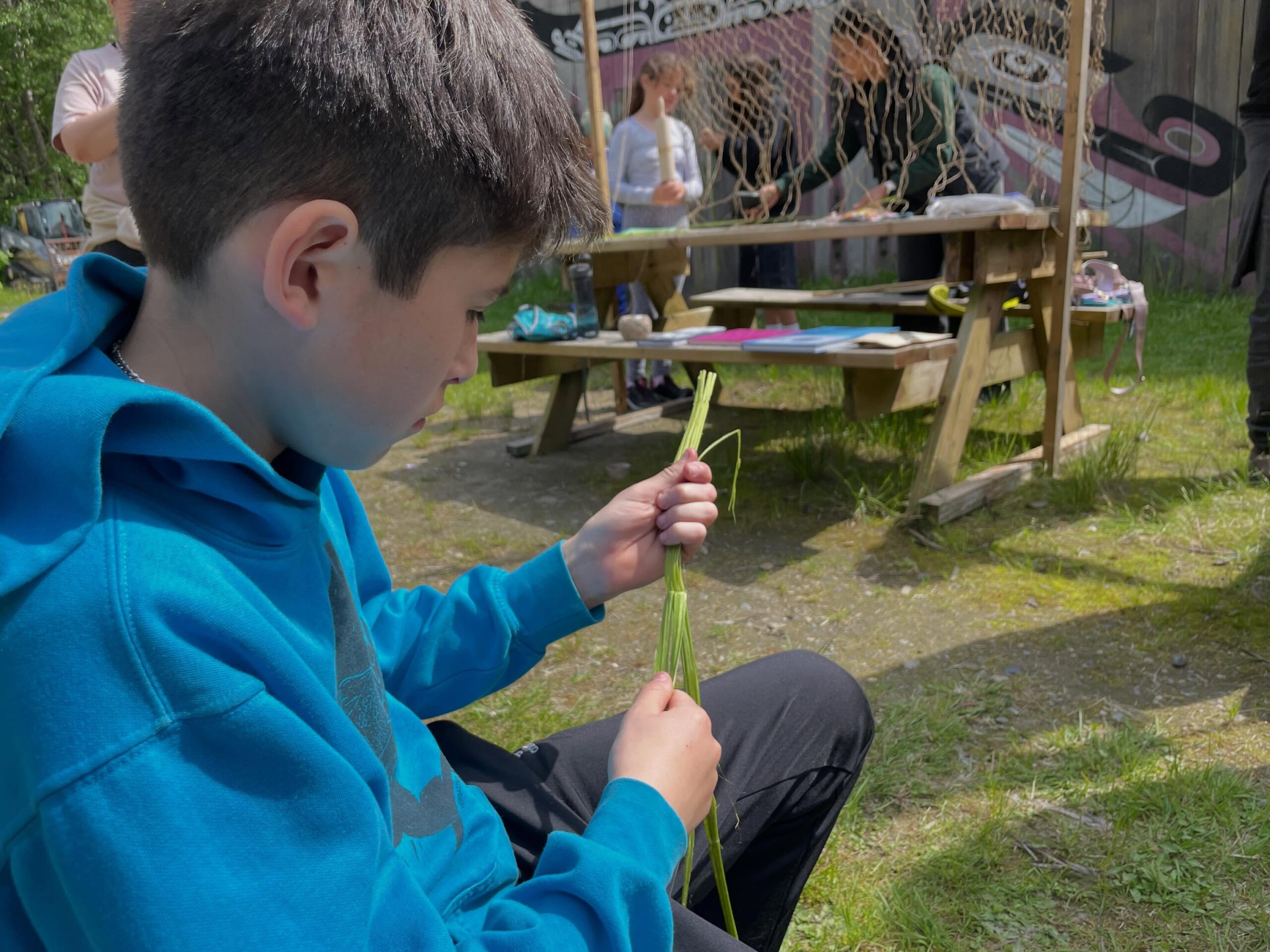
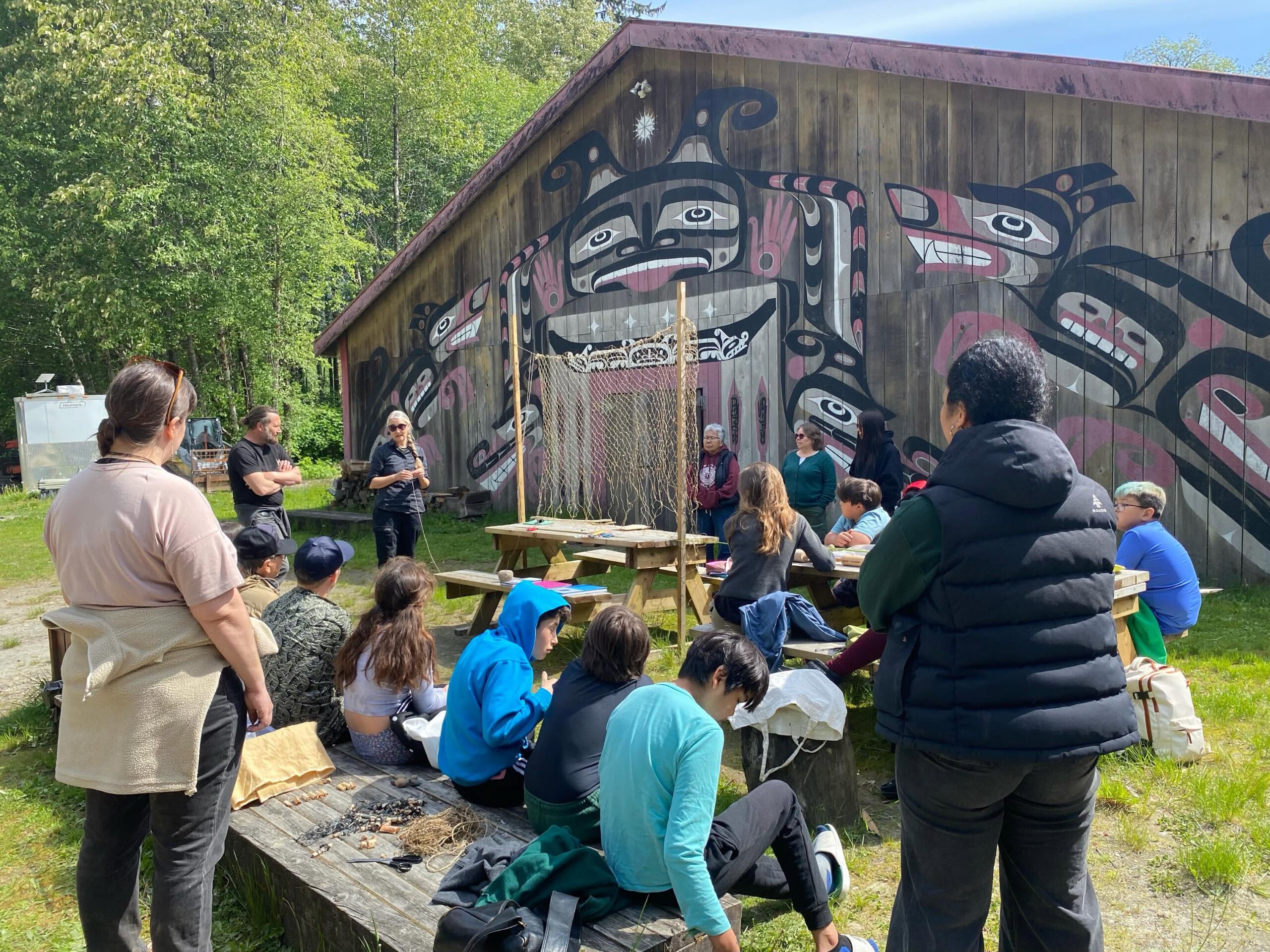
Nettle technology in Ukwanalis Kingcome inlet

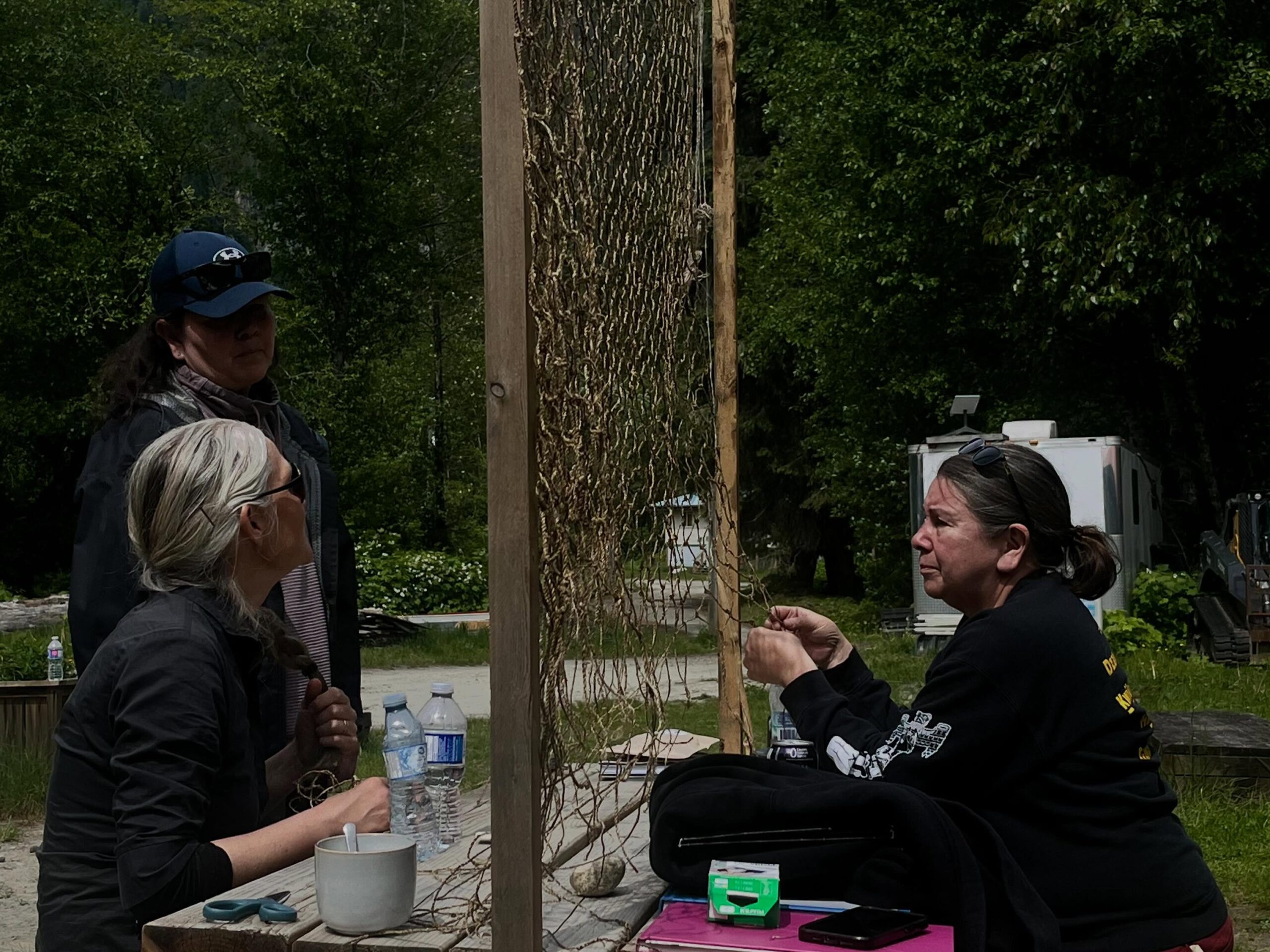
Nettle technology in U’kwanalis/ Kingcome inlet.

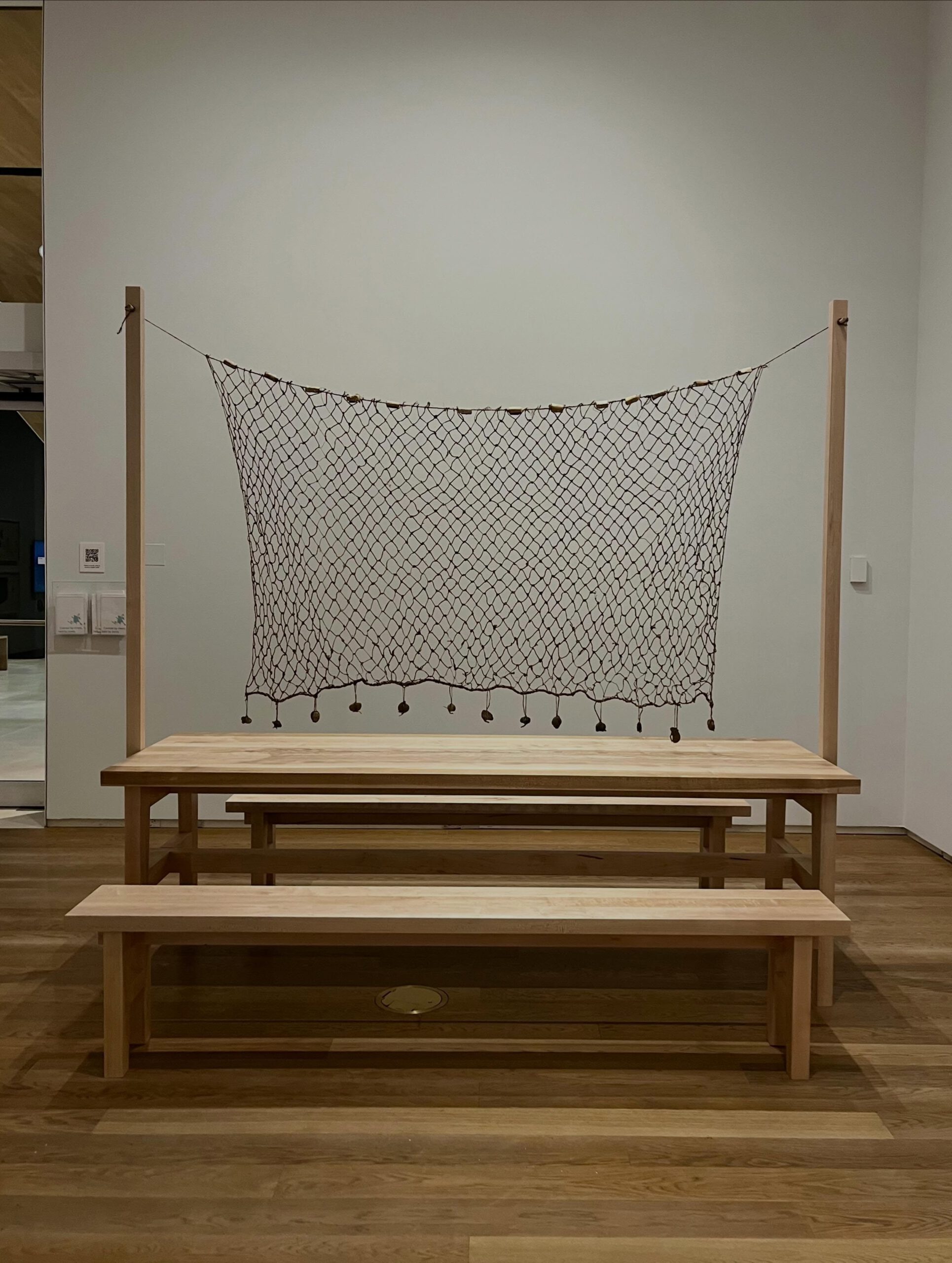
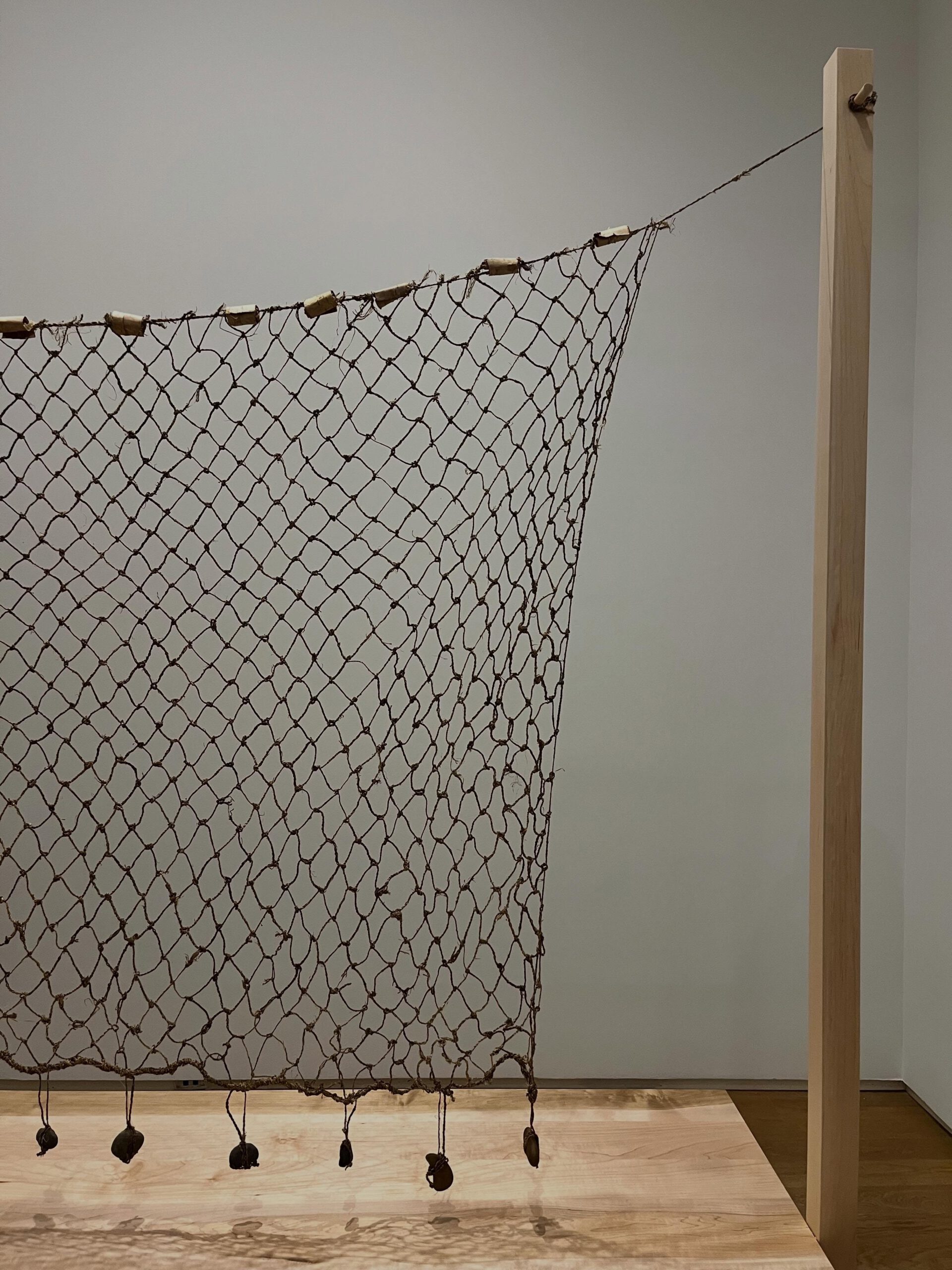
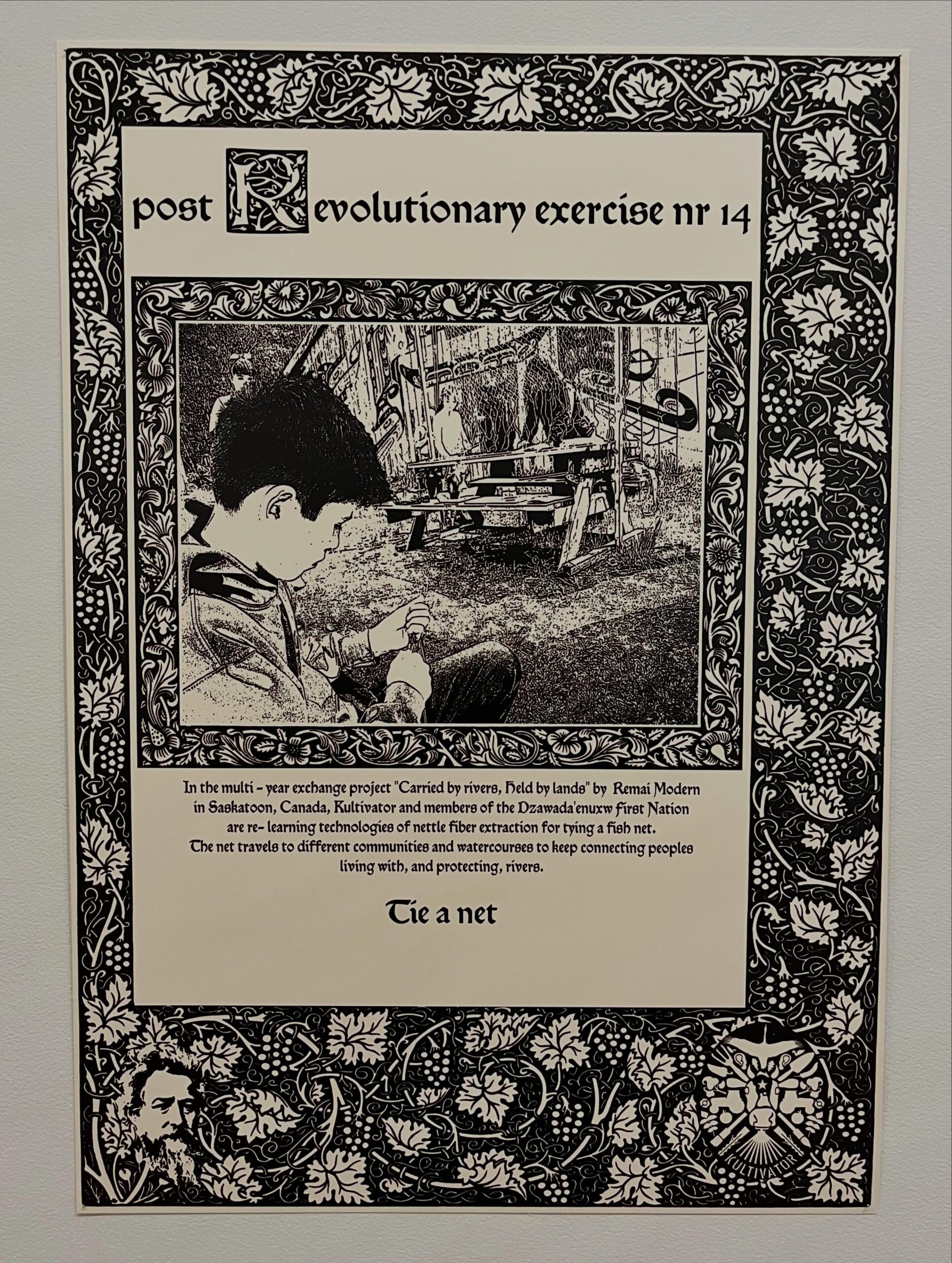
Together with our friends of Dzawada’enuxw we are continuing the conversation on community, memory, and living with the land, now and for future generations. The net is slowly growing, fiber by fiber, knot by knot..

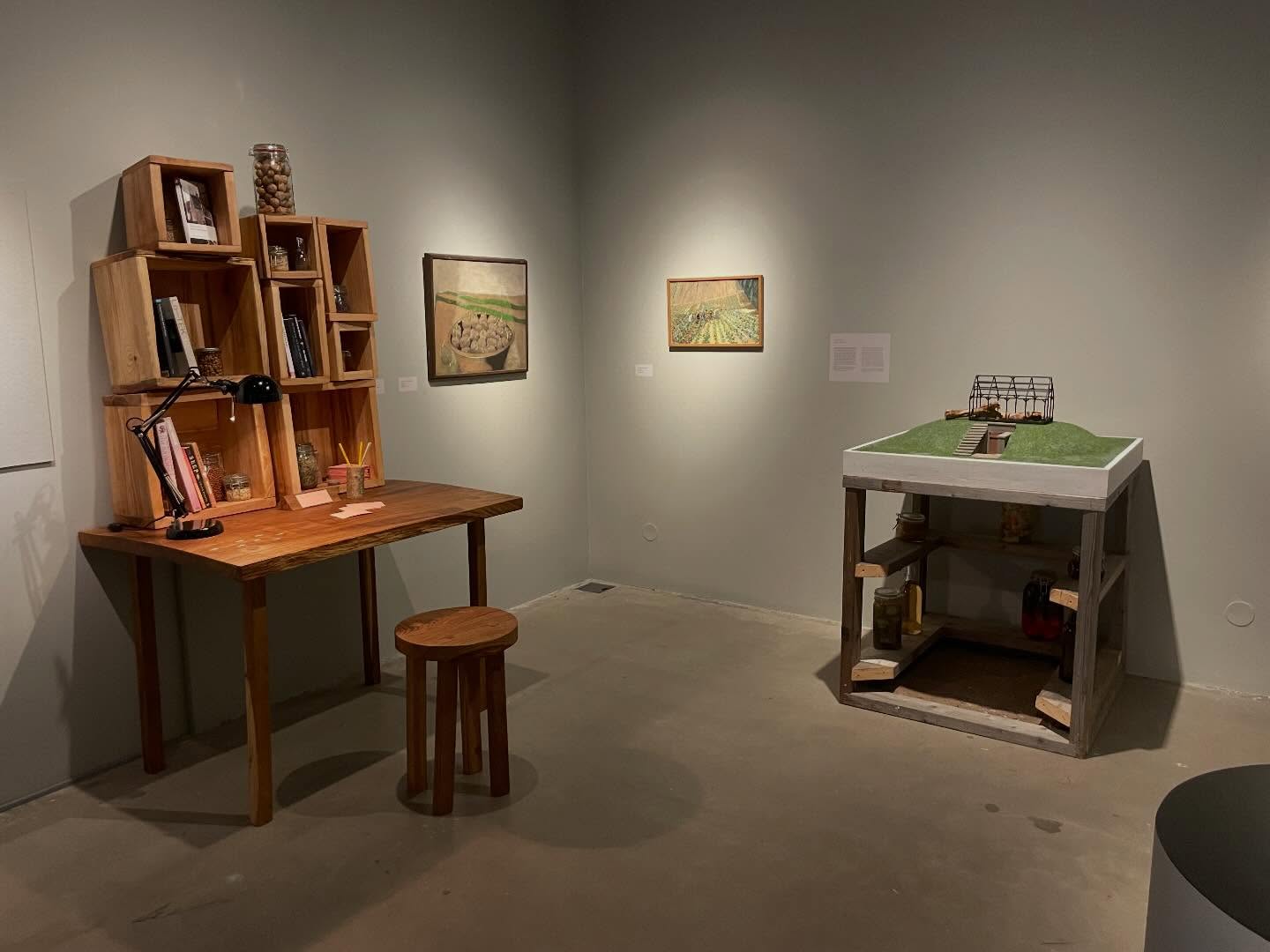
Hope studio

Hope studio

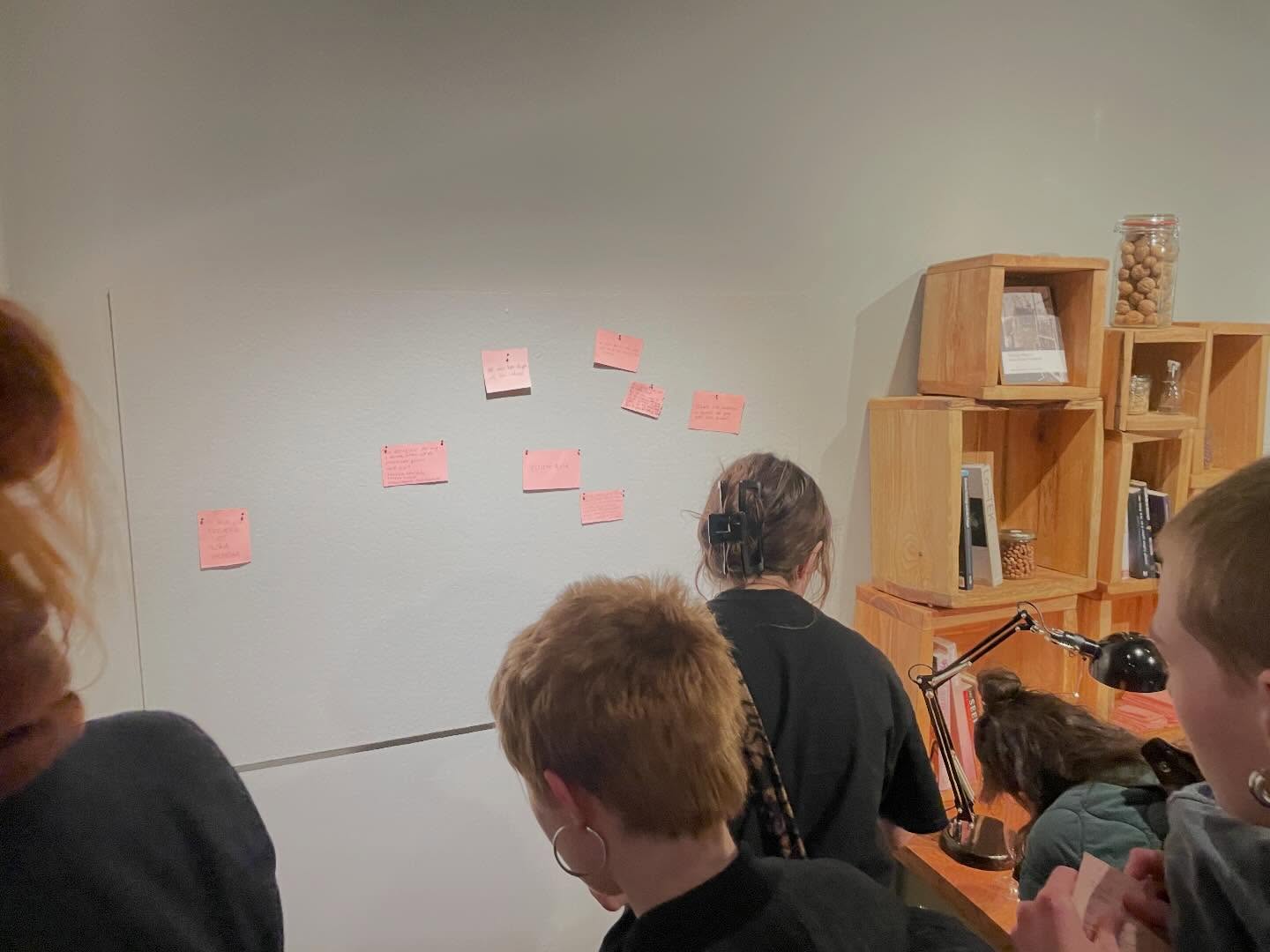
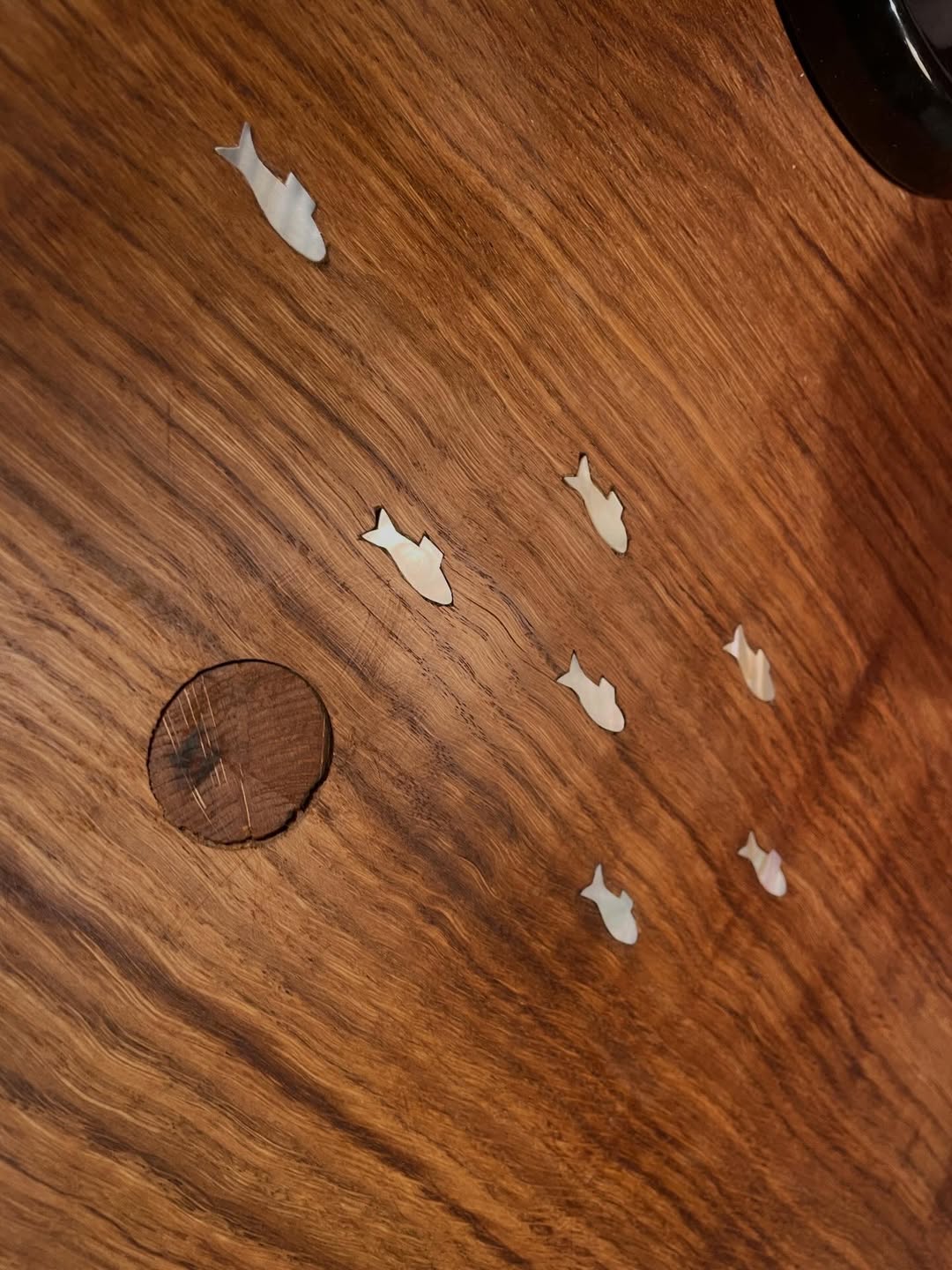
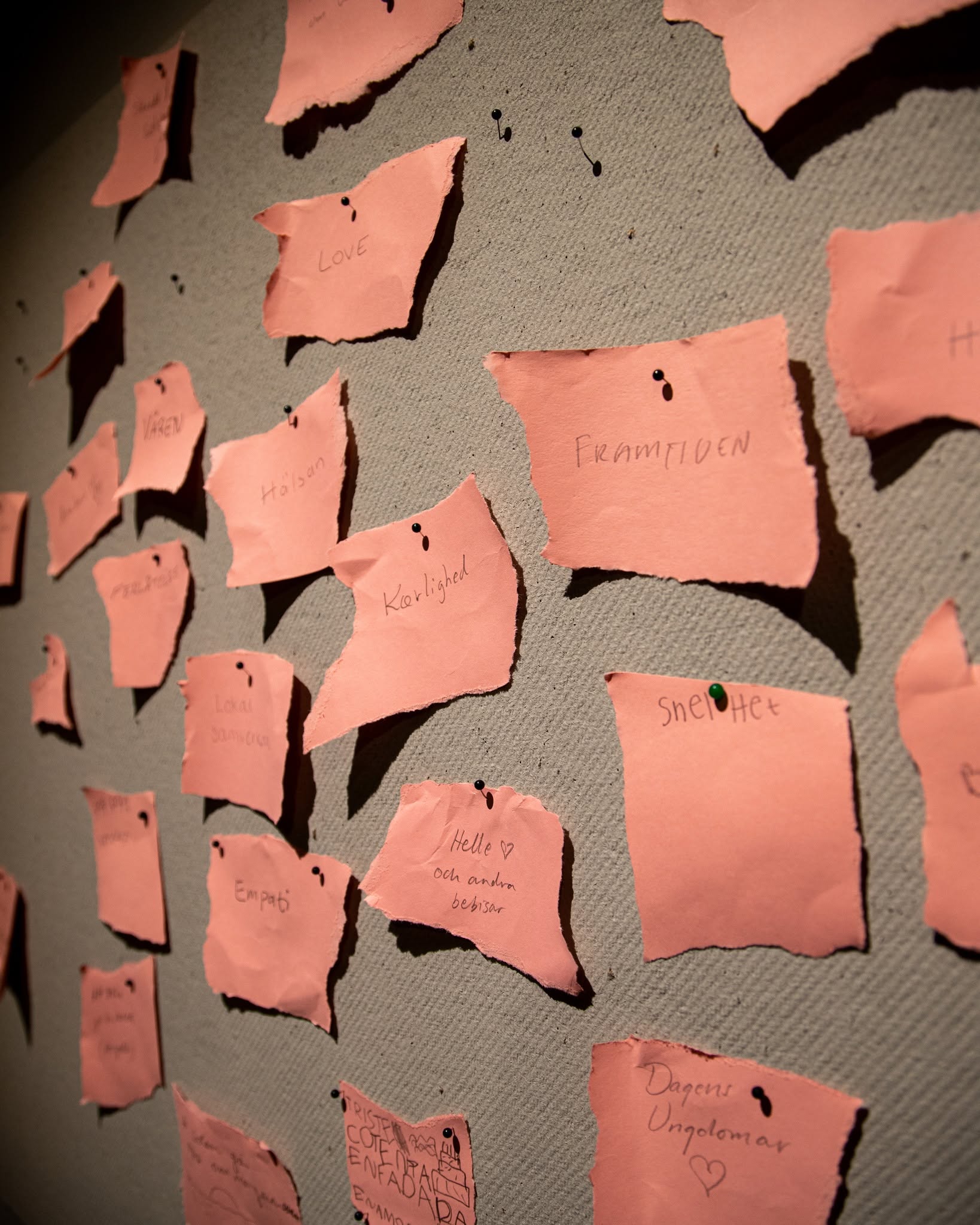
An artwork created for the “Hope Making” research project at Linnaeus University. A piece of furniture made of split ash and oak, featuring inlaid mother-of-pearl fish filled with various seeds and books, and inviting the public to write down what gives them hope.

Carried by rivers held by land

Carried by rivers, held by land.

The project Carried by rivers, held by land, which began in 2023 and is slated to conclude in late 2026 or early 2027, is a collaborative effort curated by Aileen Burns, Johan Lundh and Tarah Hogue at the Remai Modern museum in Saskatoon, Canada, and Maria Lind, Director of the Konstmuseet i Norr in Kiruna, Sweden.
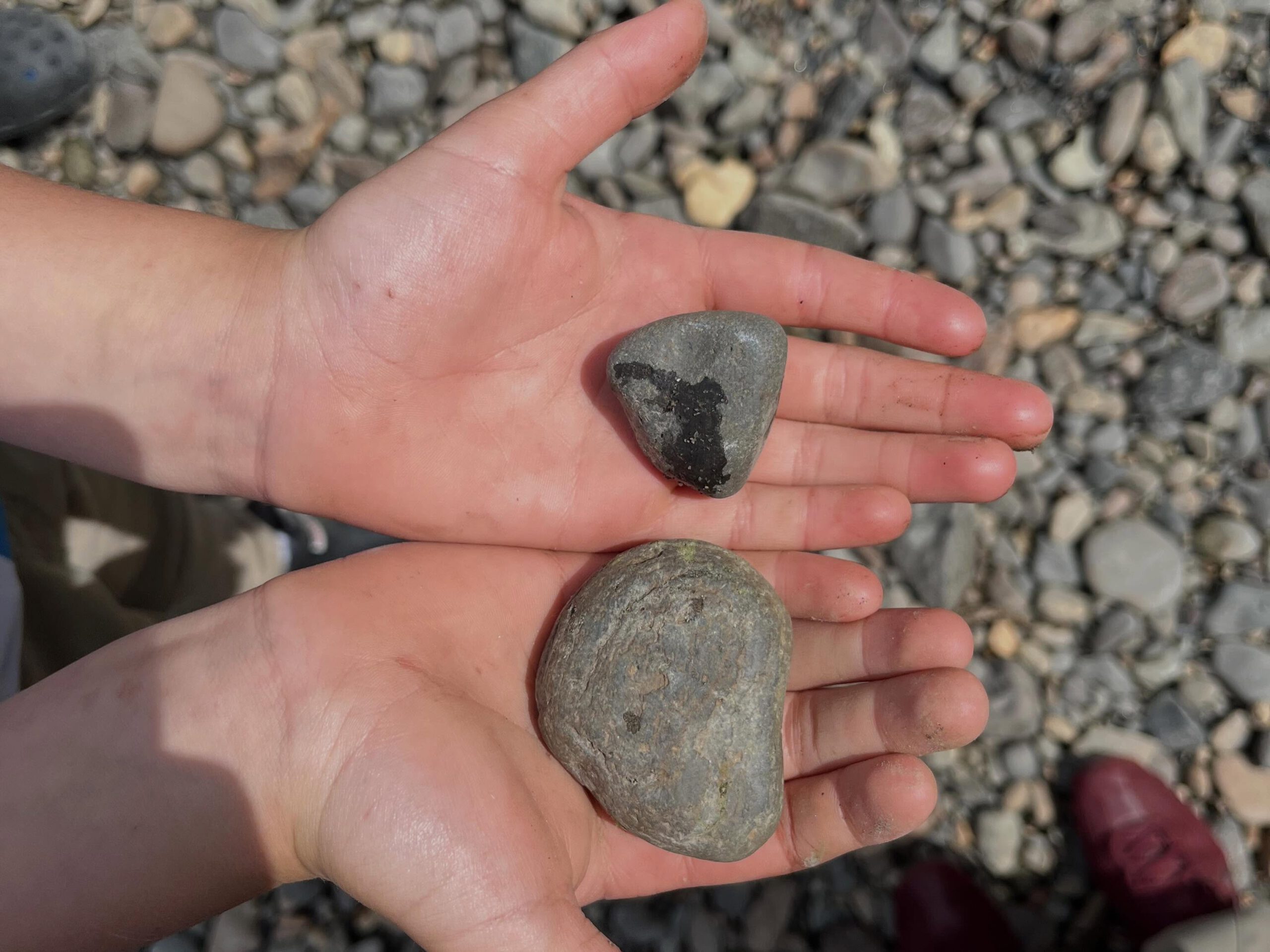
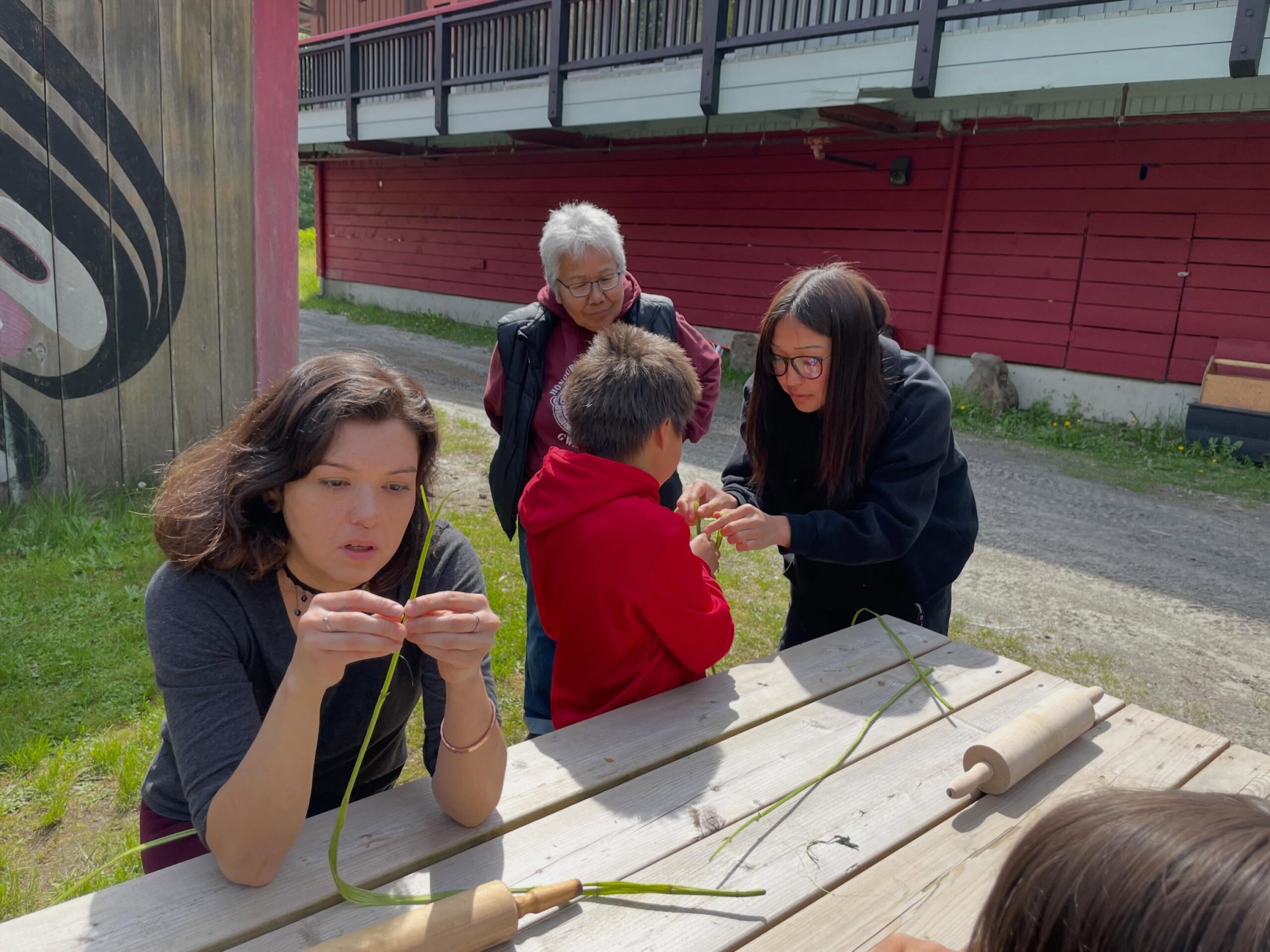
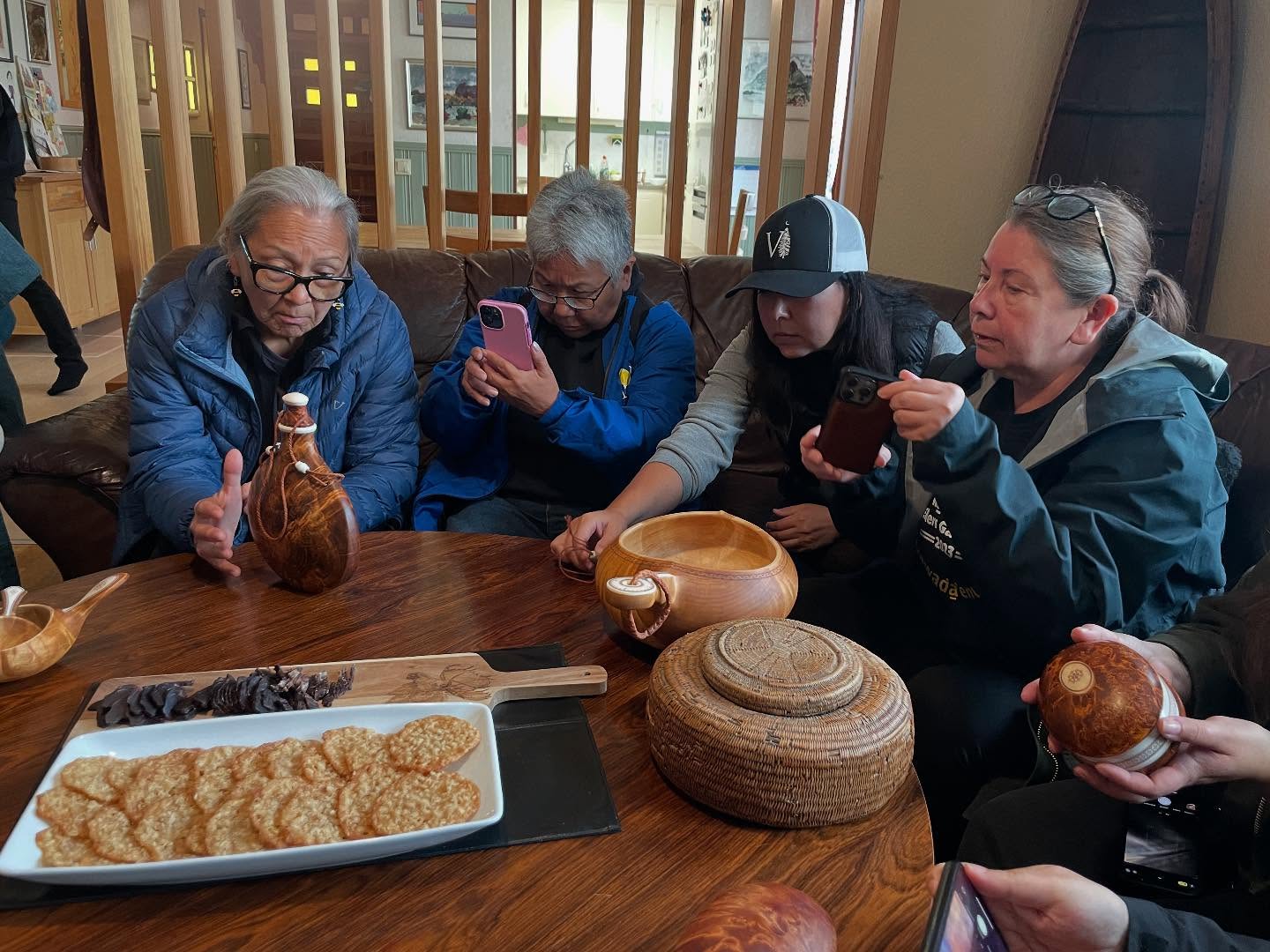
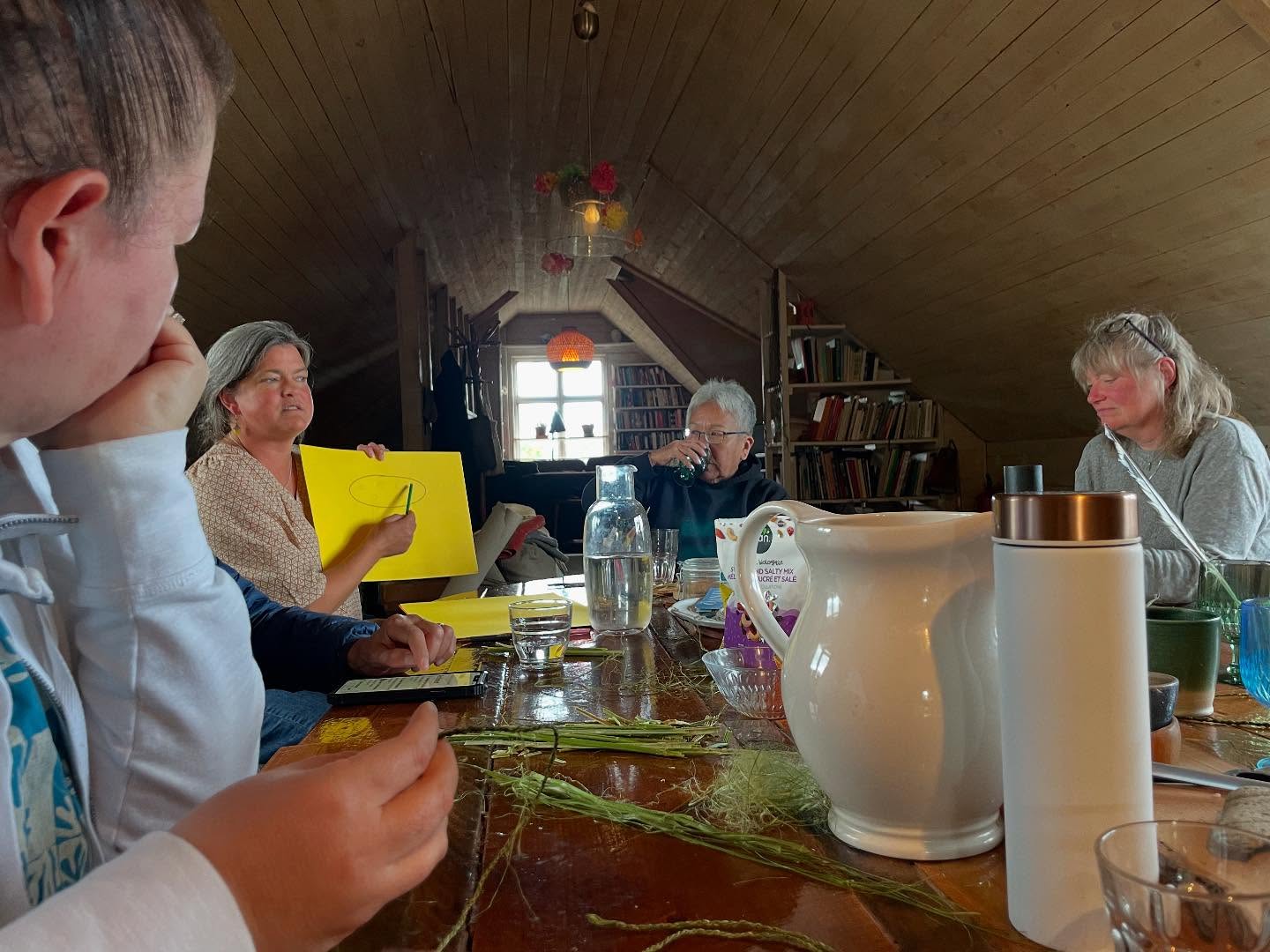
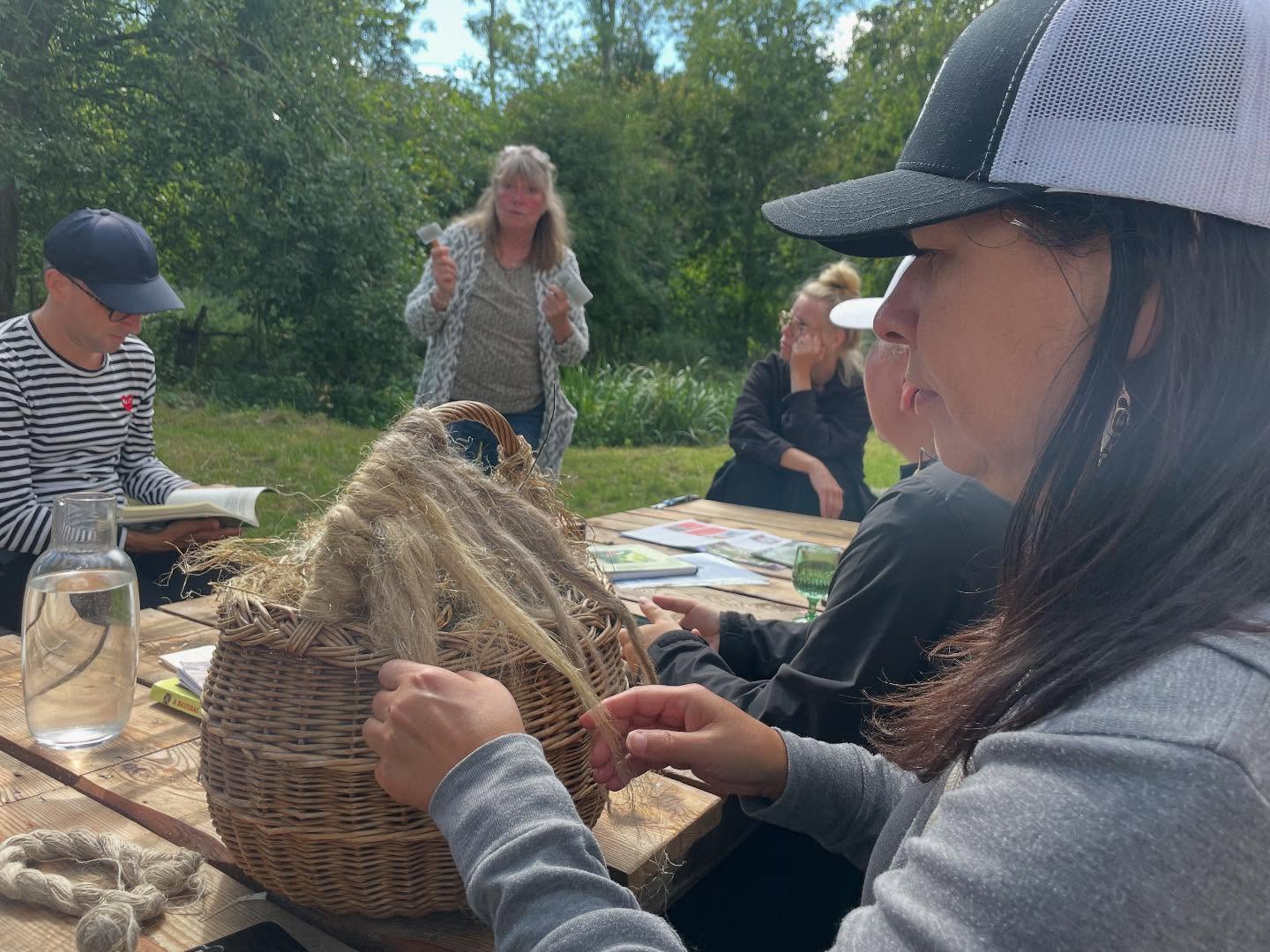
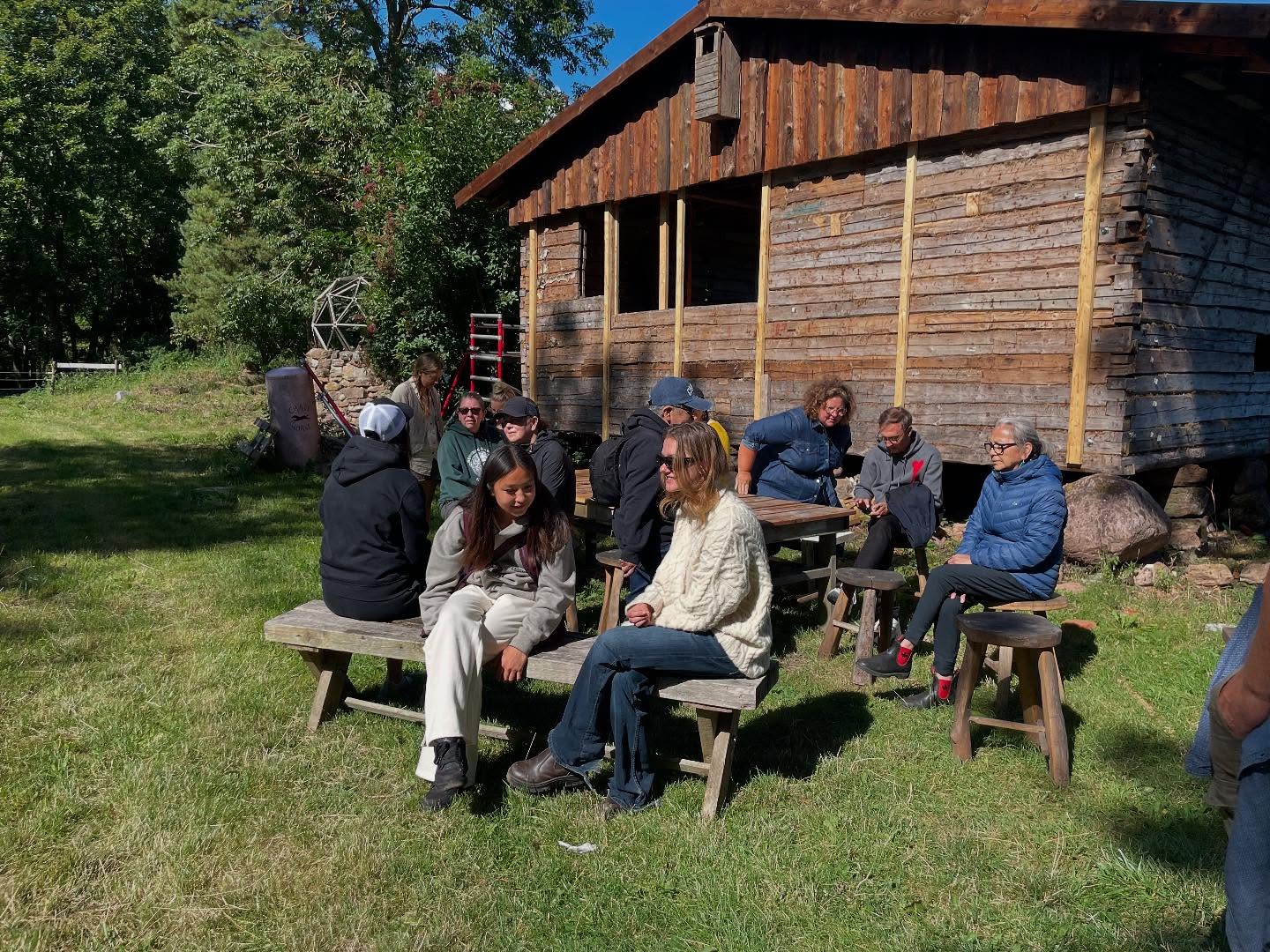
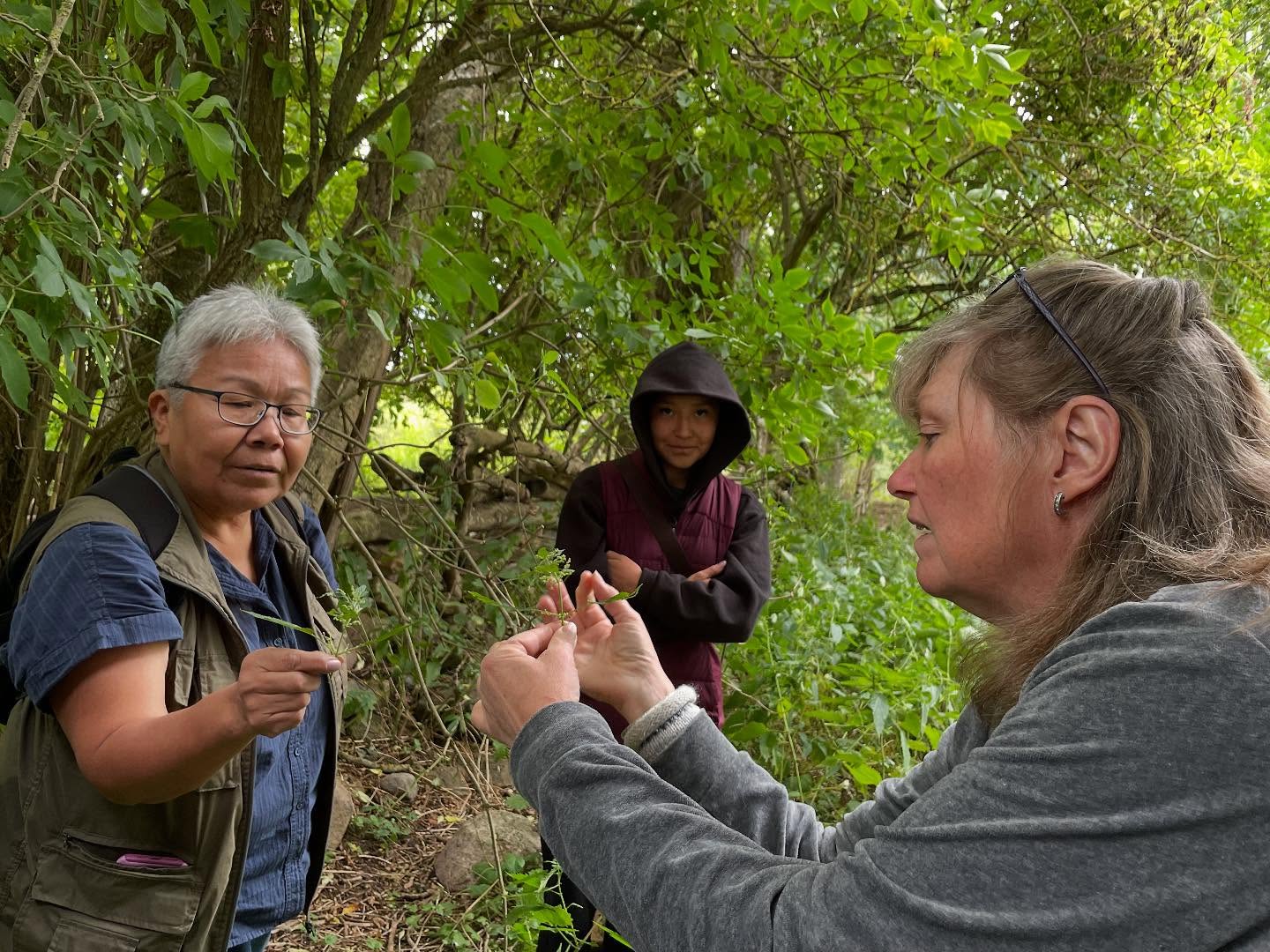
As one of the collaborations, artist Marianne Nicholson and five more members of Dzawada’enuxw First Nation came to Sweden and Kultivator in August this year to look into forest cultivation systems, and together with us re- learn techniques of processing stinging nettle fiber, showed to us by Anette Johansson from the association ”Nellorna”.
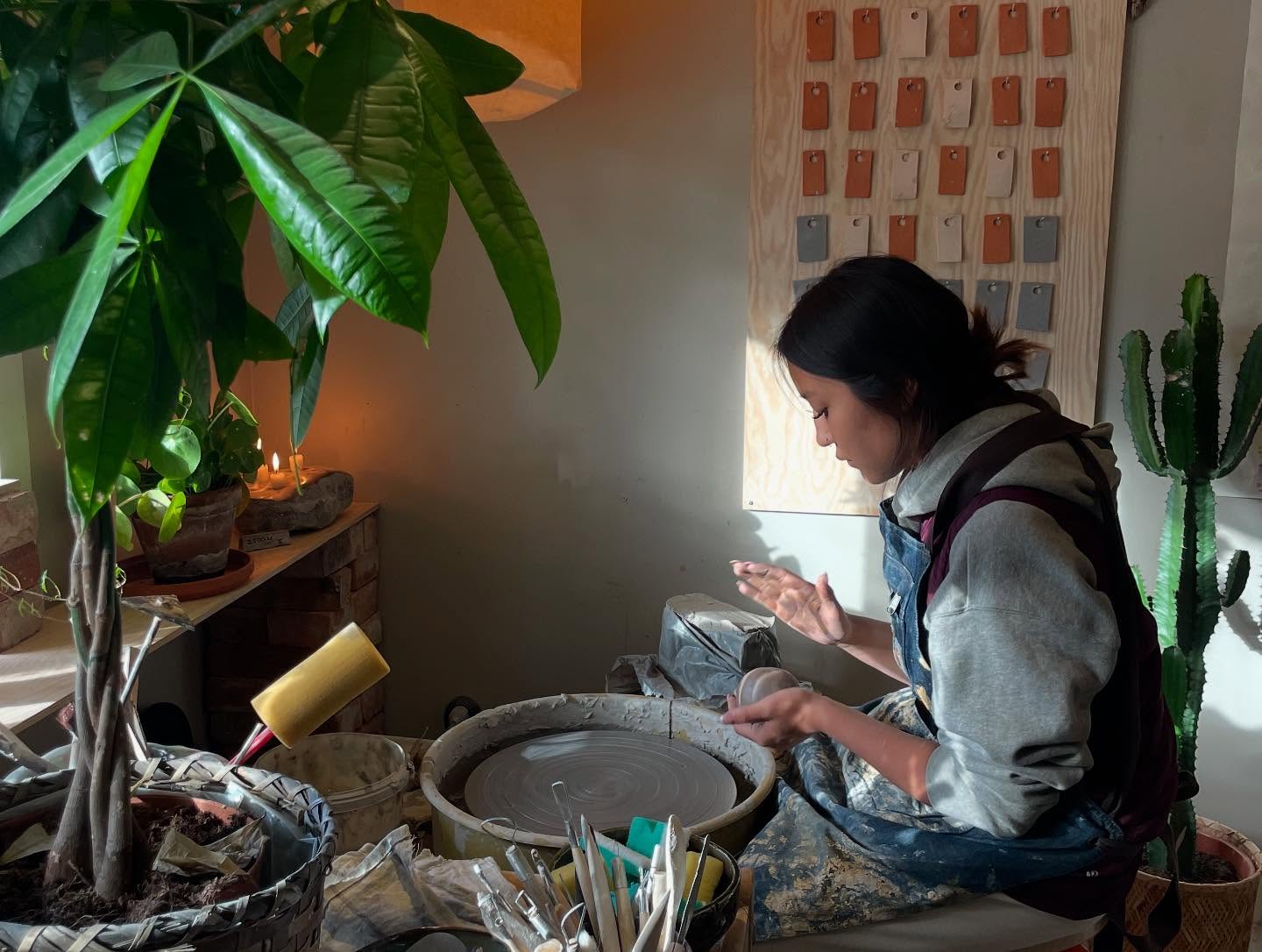
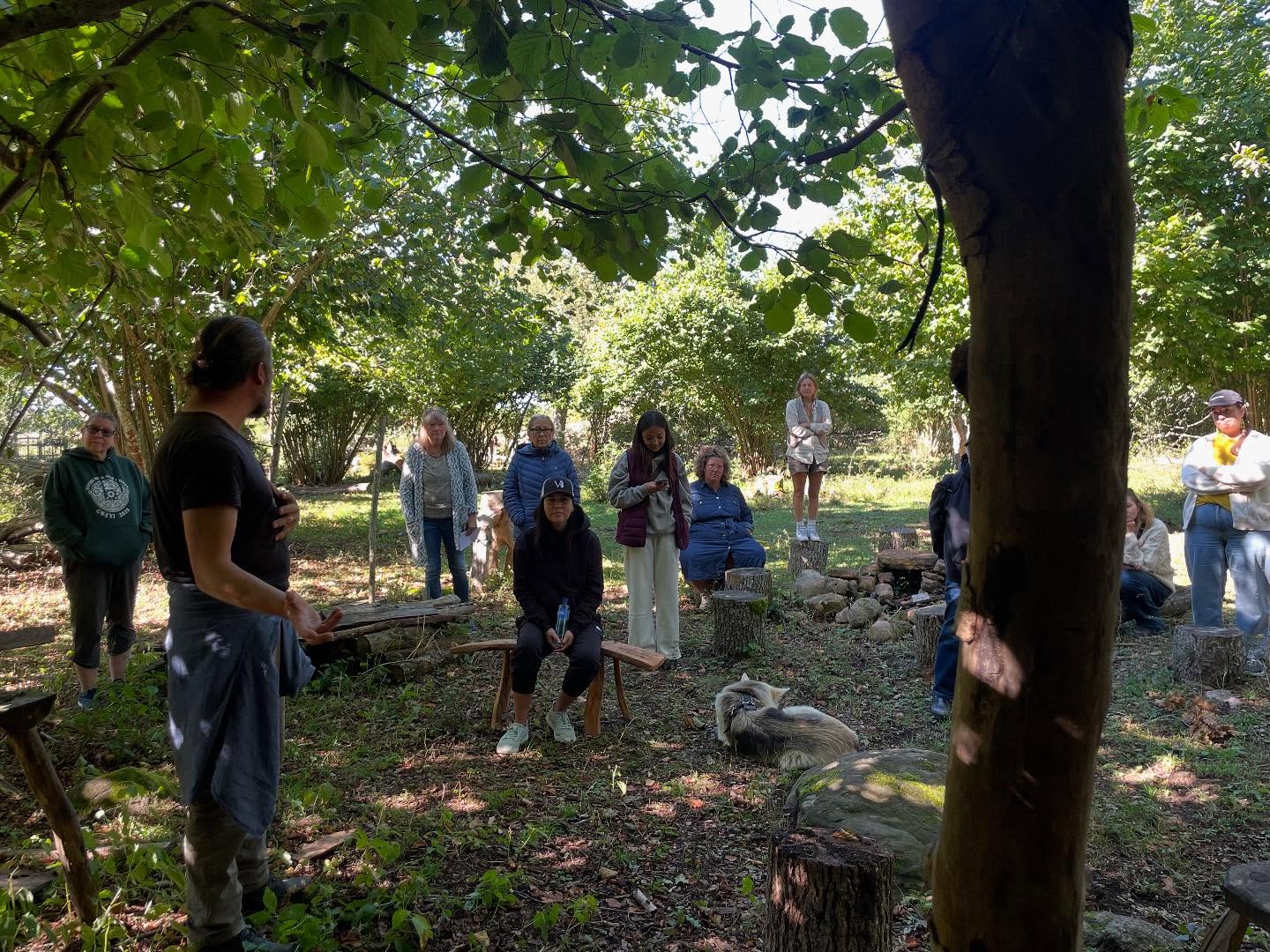
We also visited important and inspiring local cultural sites as Folkessons lada and Lina Studio Lera, as well as had an evening when dr Maria Tengö came to talk to us about her research on land stewardship policies on UN level, developed with indigenous communities.
In 2018, the Dzawada̱’enux̱w First Nation launched the first-ever BC Supreme Court case to extend Aboriginal title to the ocean in their fight against the presence of fish farms in their territory. The land around the mouth of the Gwayi’i River is held by a non-profit land conservation called Nature’s Trust. Nicolson views the conservation’s presence on Dzawada̱’enux̱w territory as “neo-colonial land laundering through philanthropy,” as the conservation acquires land through government grants. Given the historical and ongoing oppressive treatment of the Dzawada̱ʼenux̱w by the Canadian state, Nicolson aims to build international solidarity and opportunities for exchange and learning around issues of land stewardship.
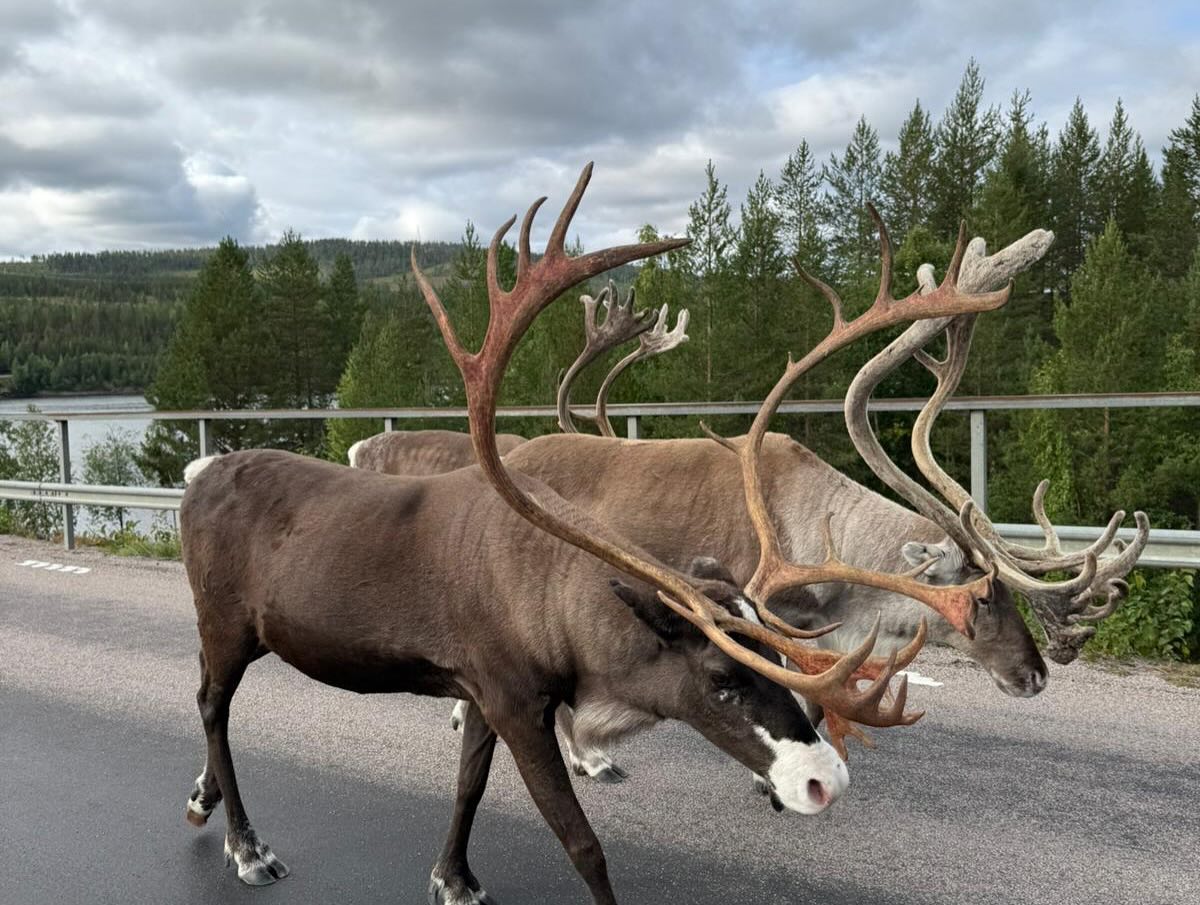
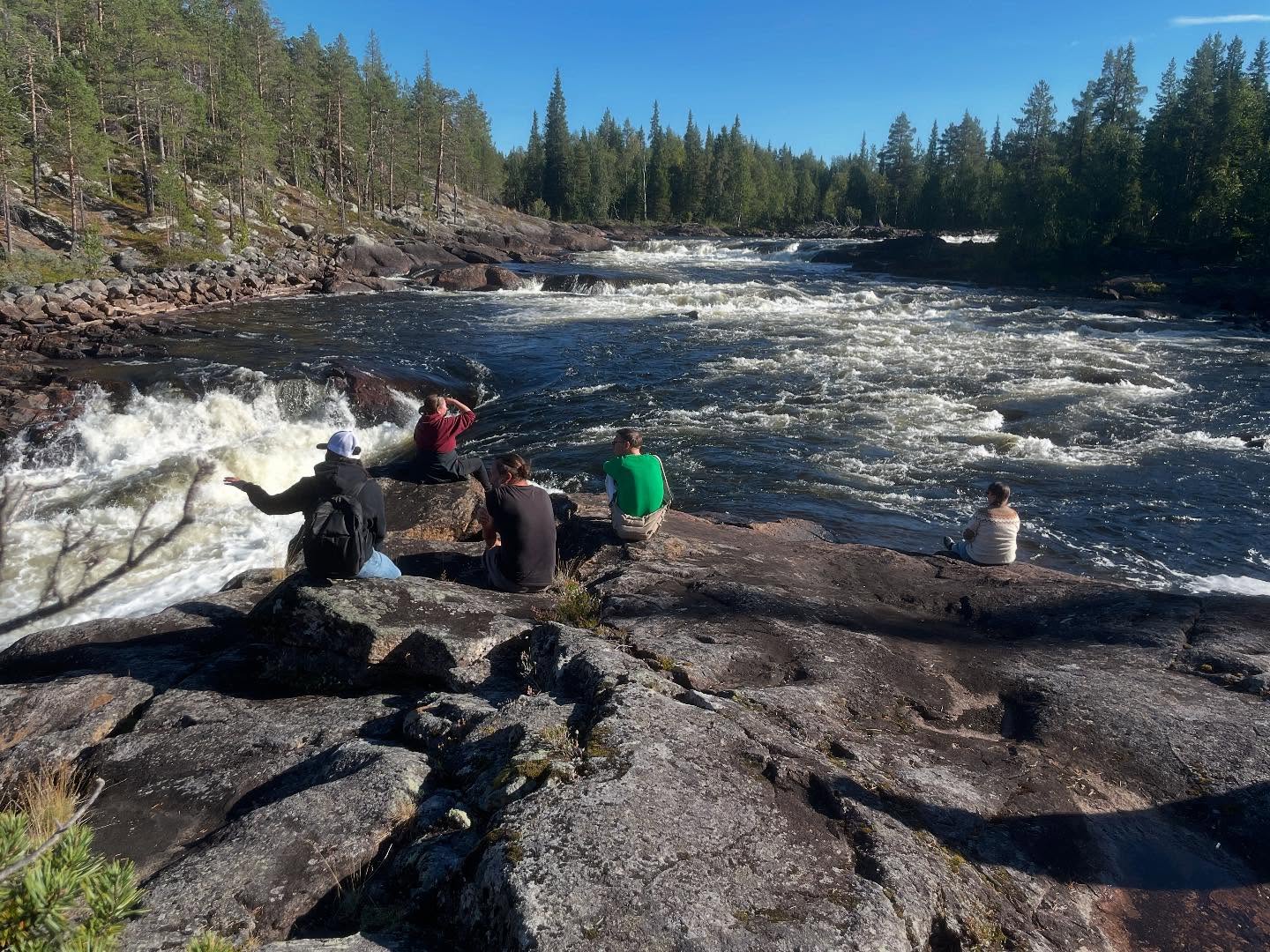
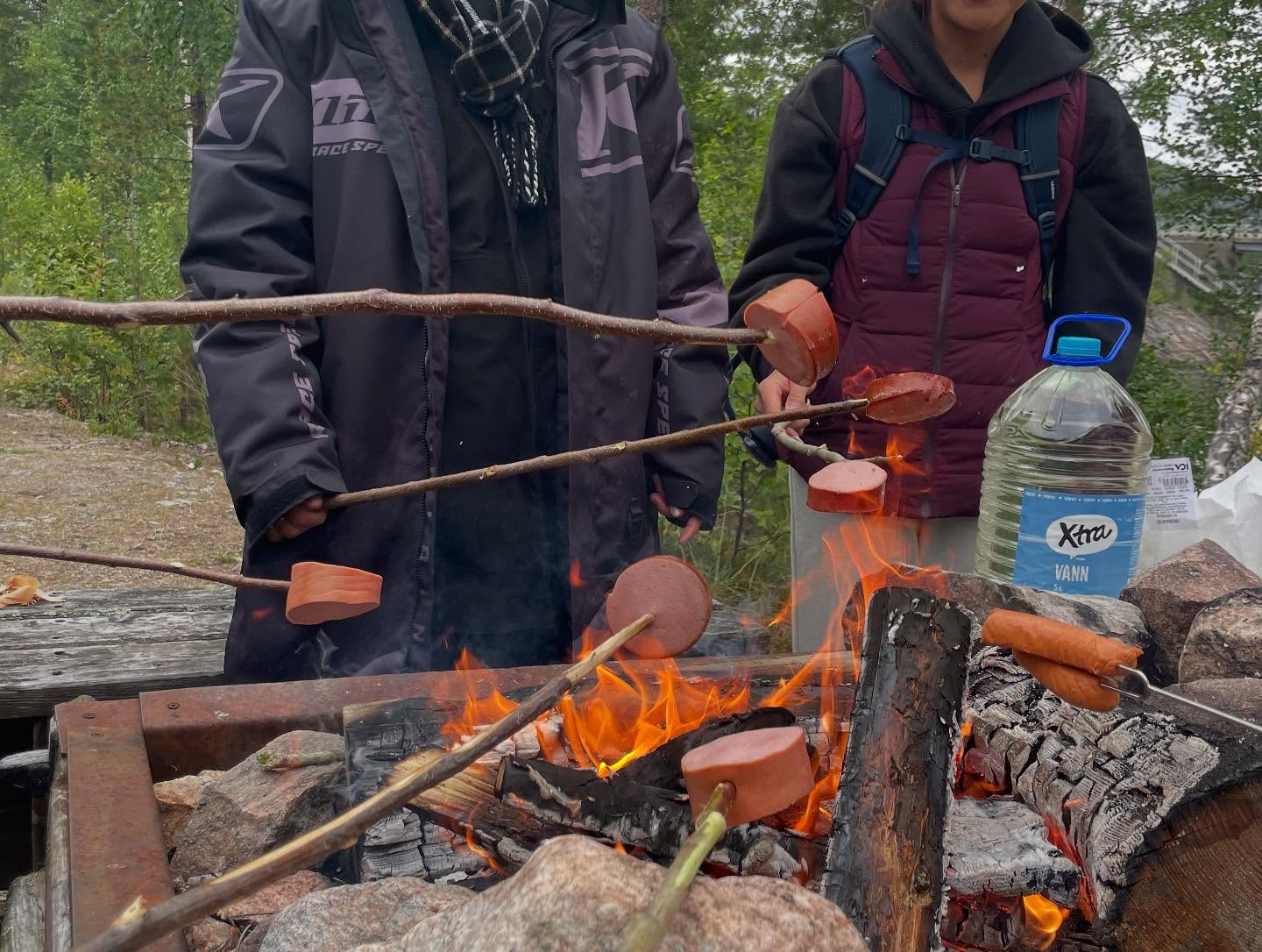
After the stay in Öland, the journey continued to Sapmi and Jokkmokk, where artist Katarina Pirak Sikku introduced us to the beautiful Pearl river, and to the violent history (and present) of the Hydro power stations devastating the rivers and their ecosystems. Our group also met with artists Katarina Spik Skum, Anders Sunna and Jon Thomas Utsi, giving the most sincere and generous exchange. We can not begin to express the gratitude to everyone involved in this, and foremost to Marianne, Dawn, Midori, Char, Millie and Ellie -Thank you for leaving your precious place to make this long travel and letting us see our place and the colonial north of Sweden also through your eyes. We are looking forward to see you again in Gwayi’i already in May for more nettle fiber and resistance art!

Collective work session in the Tell it to the field research

Collective work session in the
Tell it to the field research.

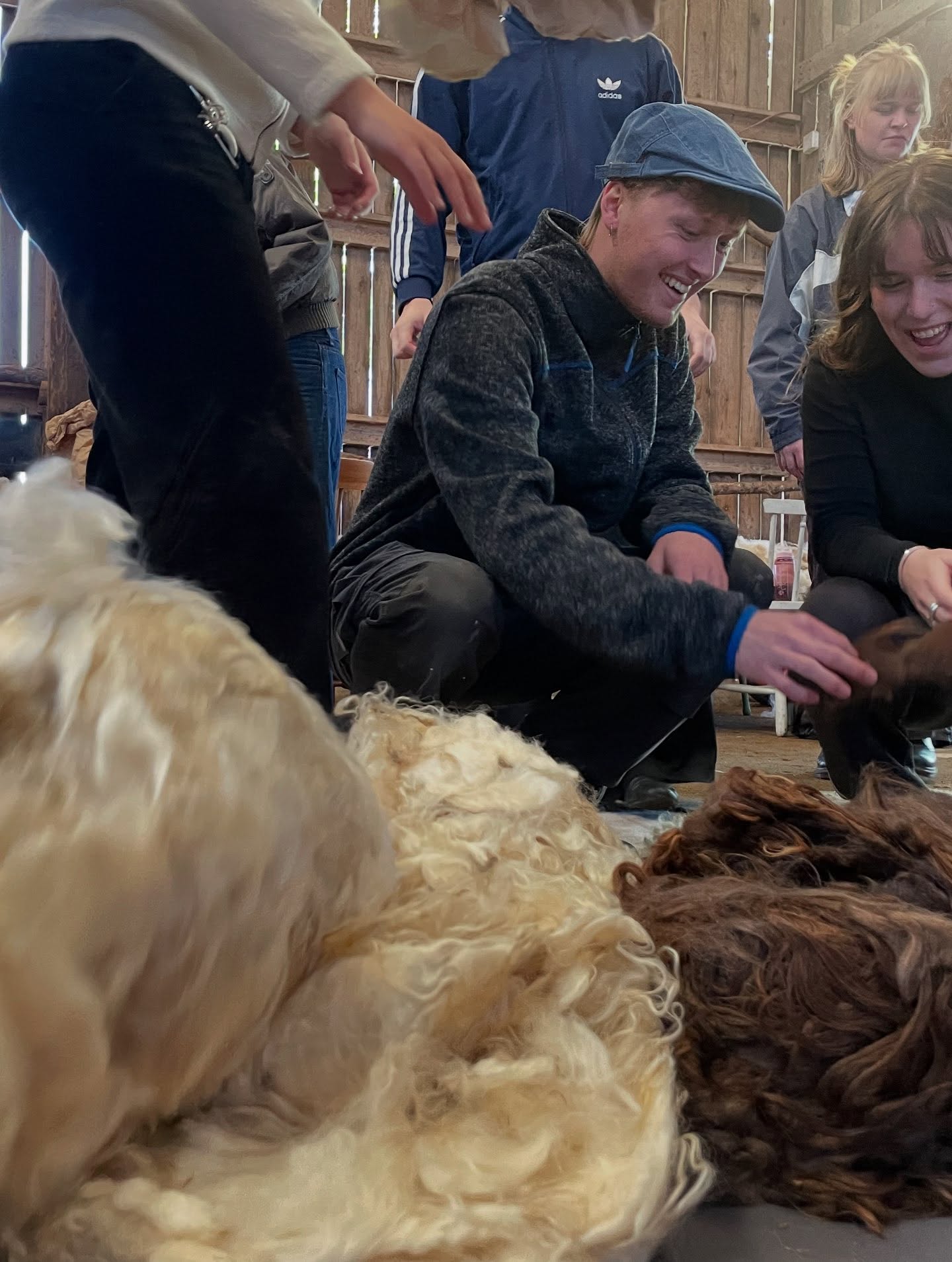
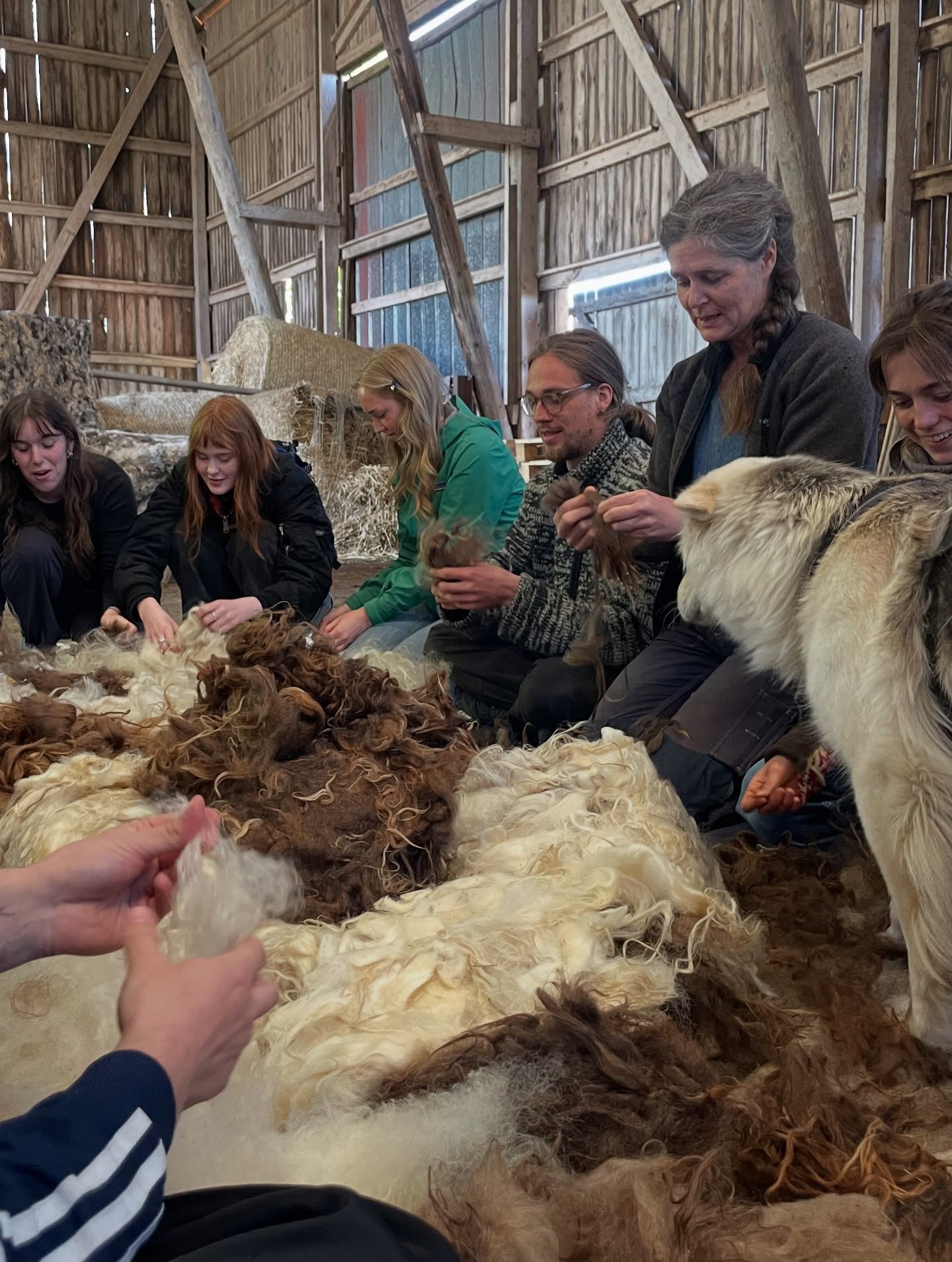
From the first collective work session in the Tell it to the field research. In collaboration with Jelmer Verhagen and with amazing guest researchers @konstettan! In one week (with plenty of preparation,) we managed to felt 2/3 of the walls, and raise the whole wood structure of the Shelter and Brain in the field – the Ger. All gratitude to the hazel, sheep, horses, dandy lions and folk songs for making this beginning of more telling and listening fieldwork…