Other hydro powers Lekgruset, Ammeran

Other hydro powers
Lekgruset, Ammerån

Lekgrus i Ammerån, a part of the project Other hydro powers, supported by Swedish arts grants committee. The project connect several rivers and their nearby peoples in Sweden and Canada.

In collaboration with Eco streams for life, Jämtland and Grevåkerskolan Hammerdal.

Lekgrus = spawn gravel, where in Swedish the word for spawn is the same as for play..

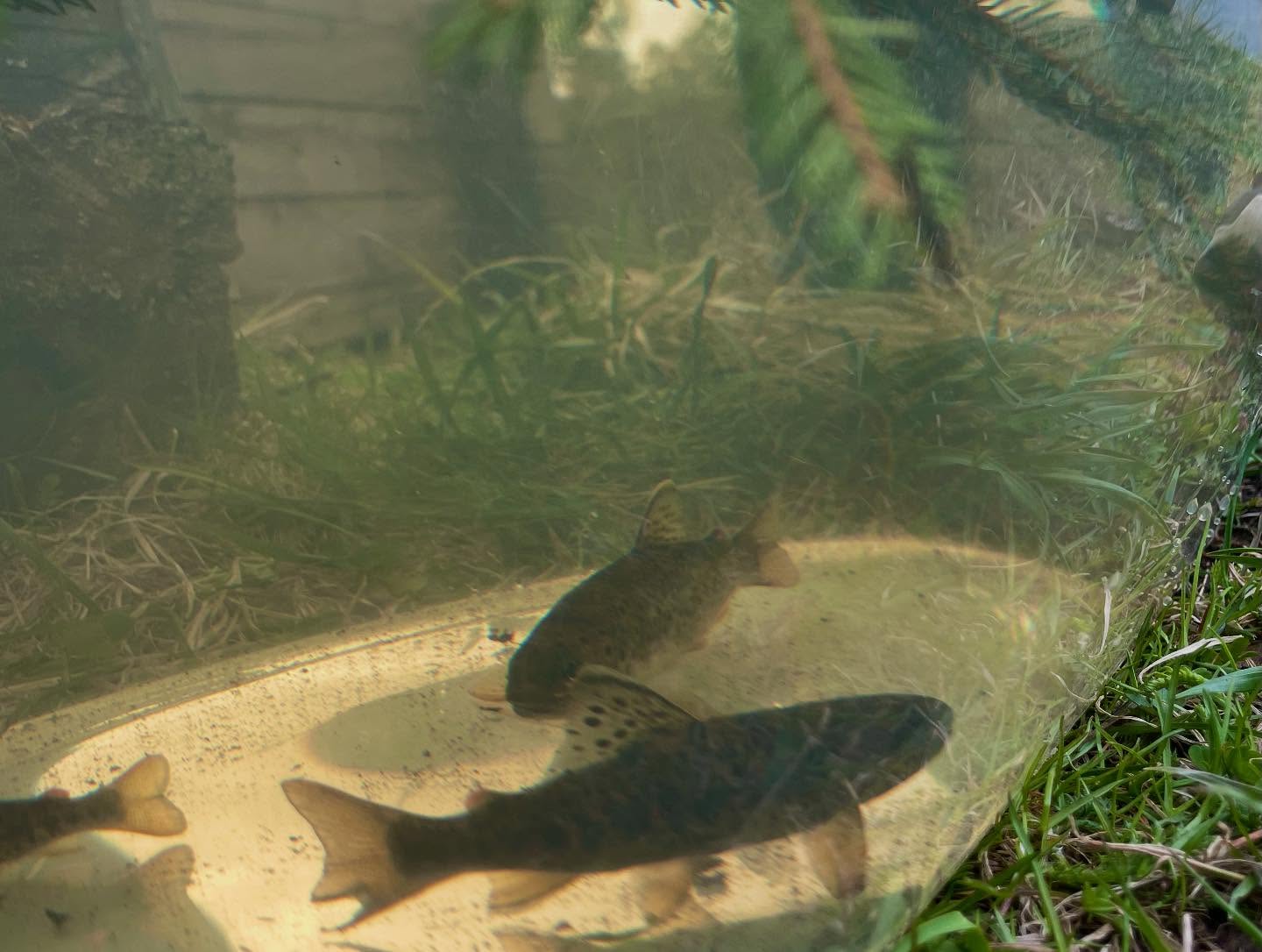
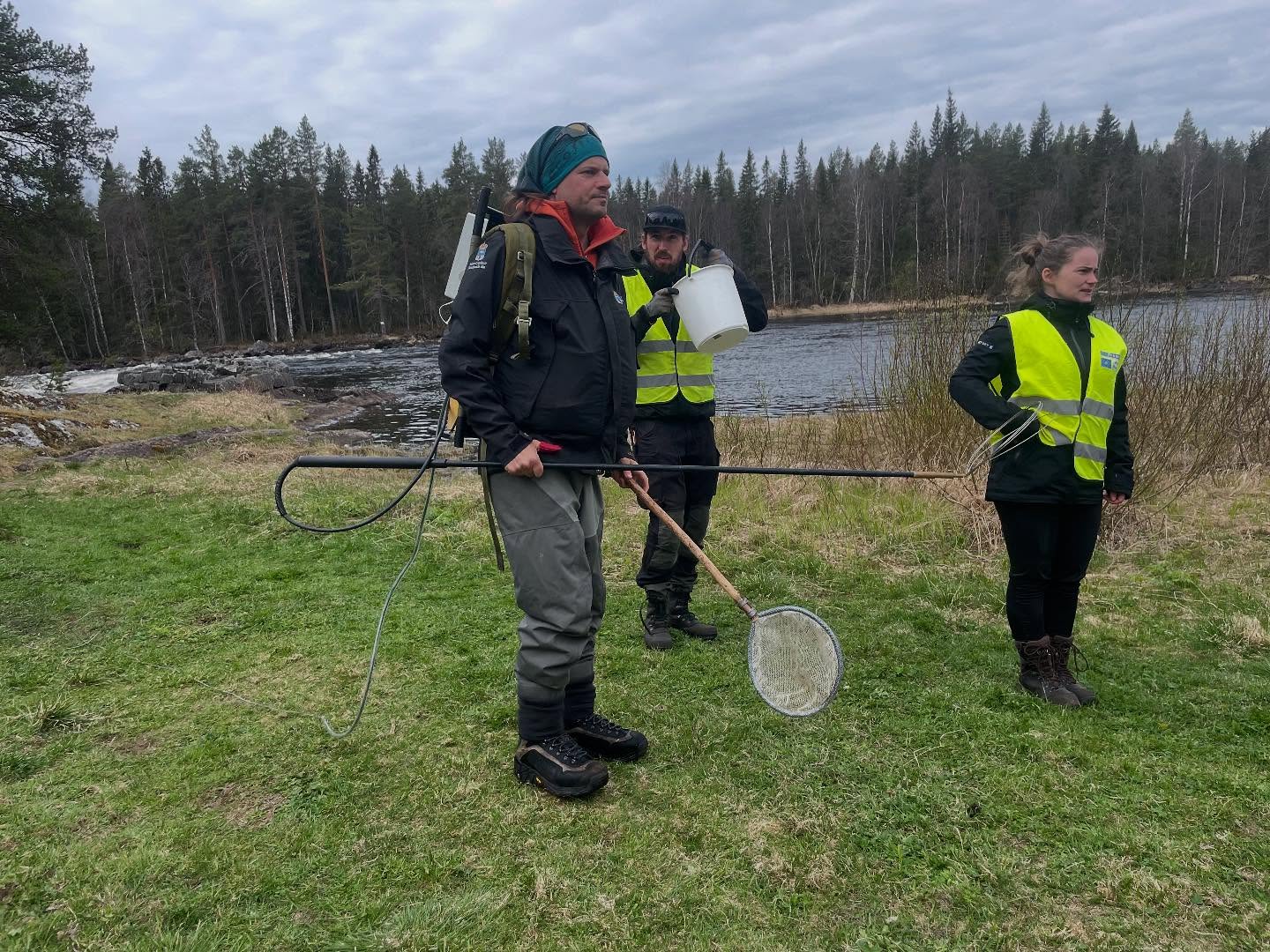
From an initial field trip meeting with biologists of the eco streams for life project that restores (amongst others) the river Ammerån, and their explanations to us what they are working on, we especially took with us the word Lekgrus (spawn gravel). The word inspired us to reach out to children living near the river, and together with Grevåkerskolan in Hammerdal, we could set up a collaboration around the river ecosystems, and particularly the way fish use gravel as a nursery for their young.

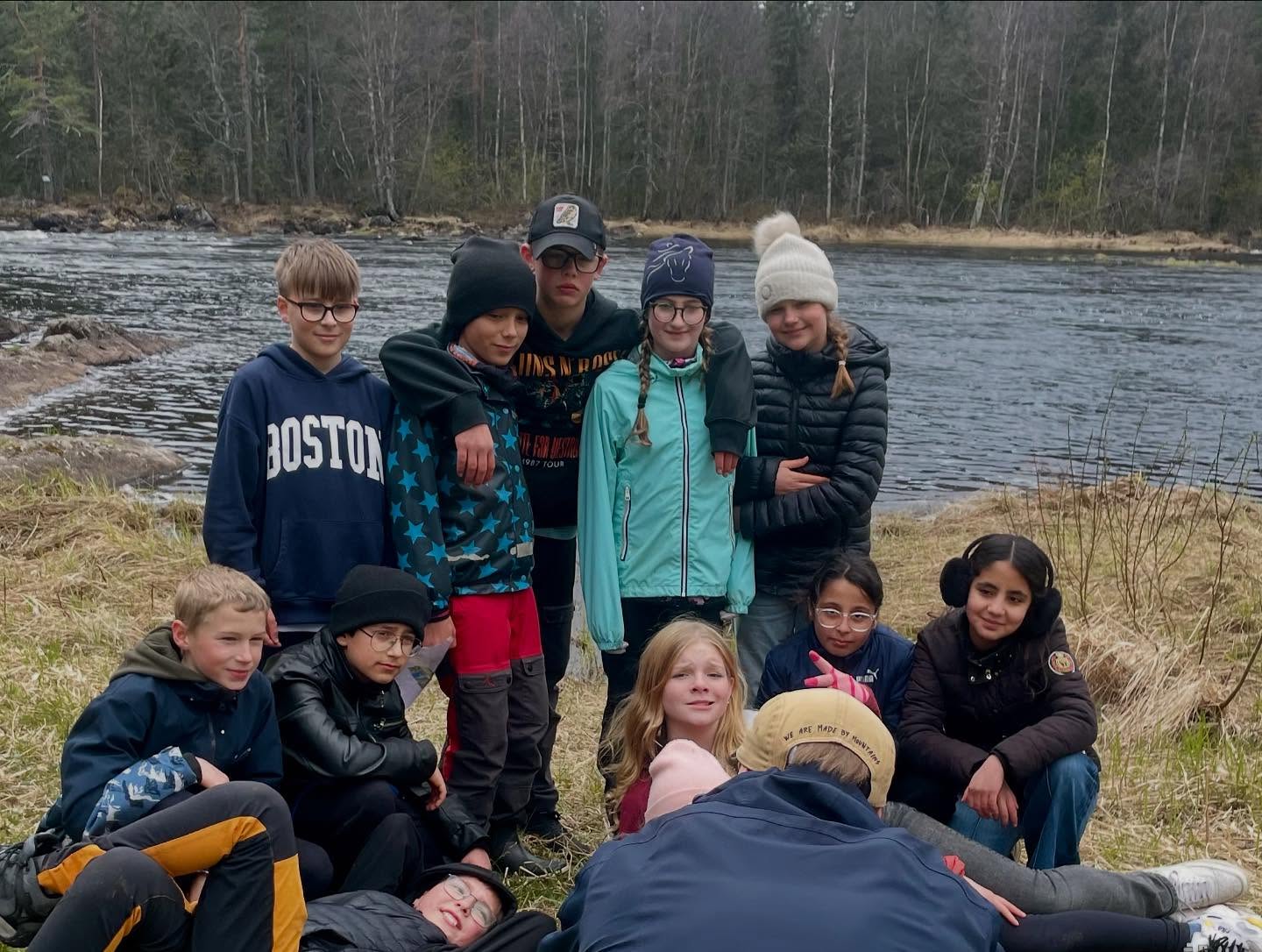
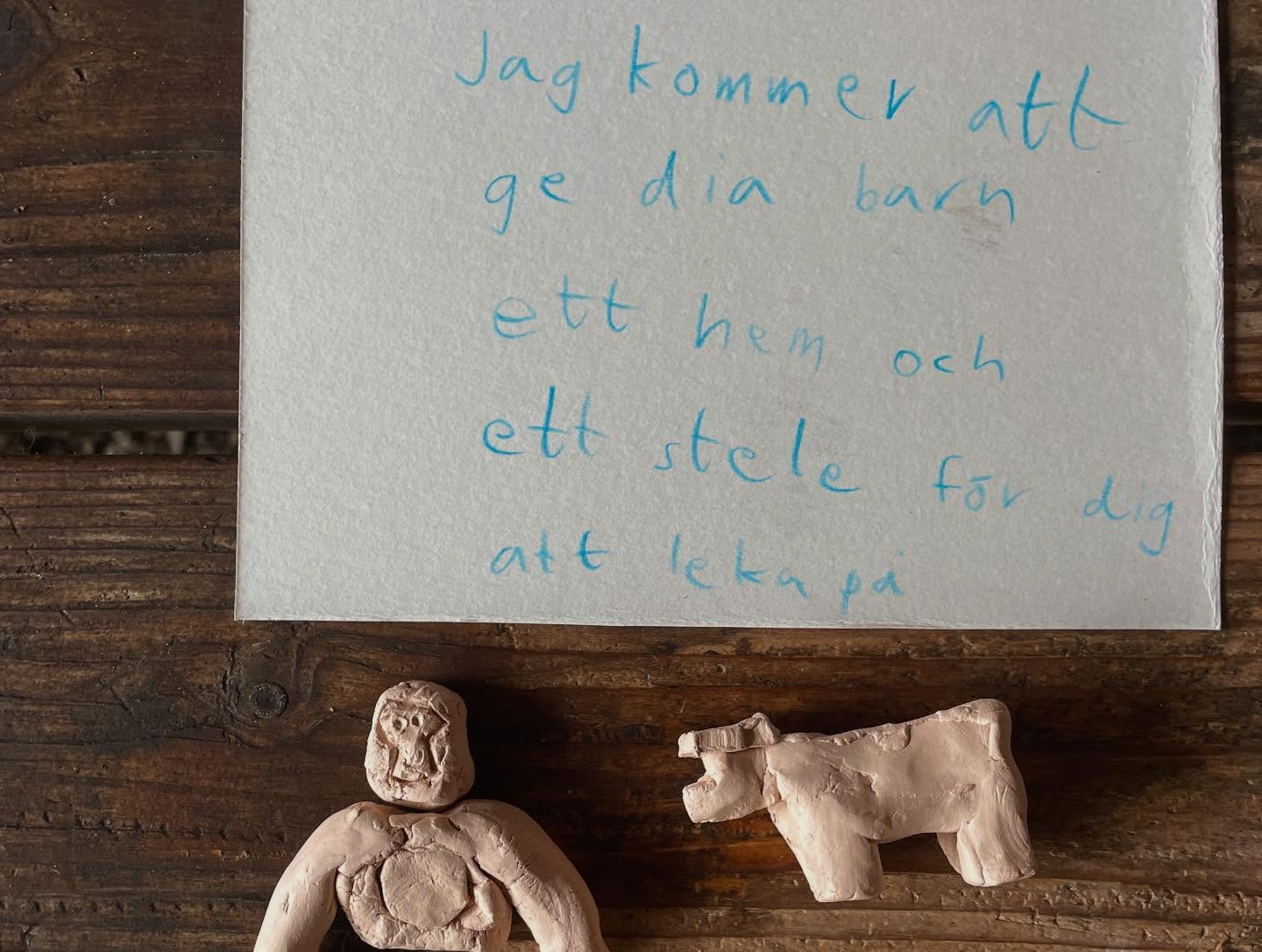
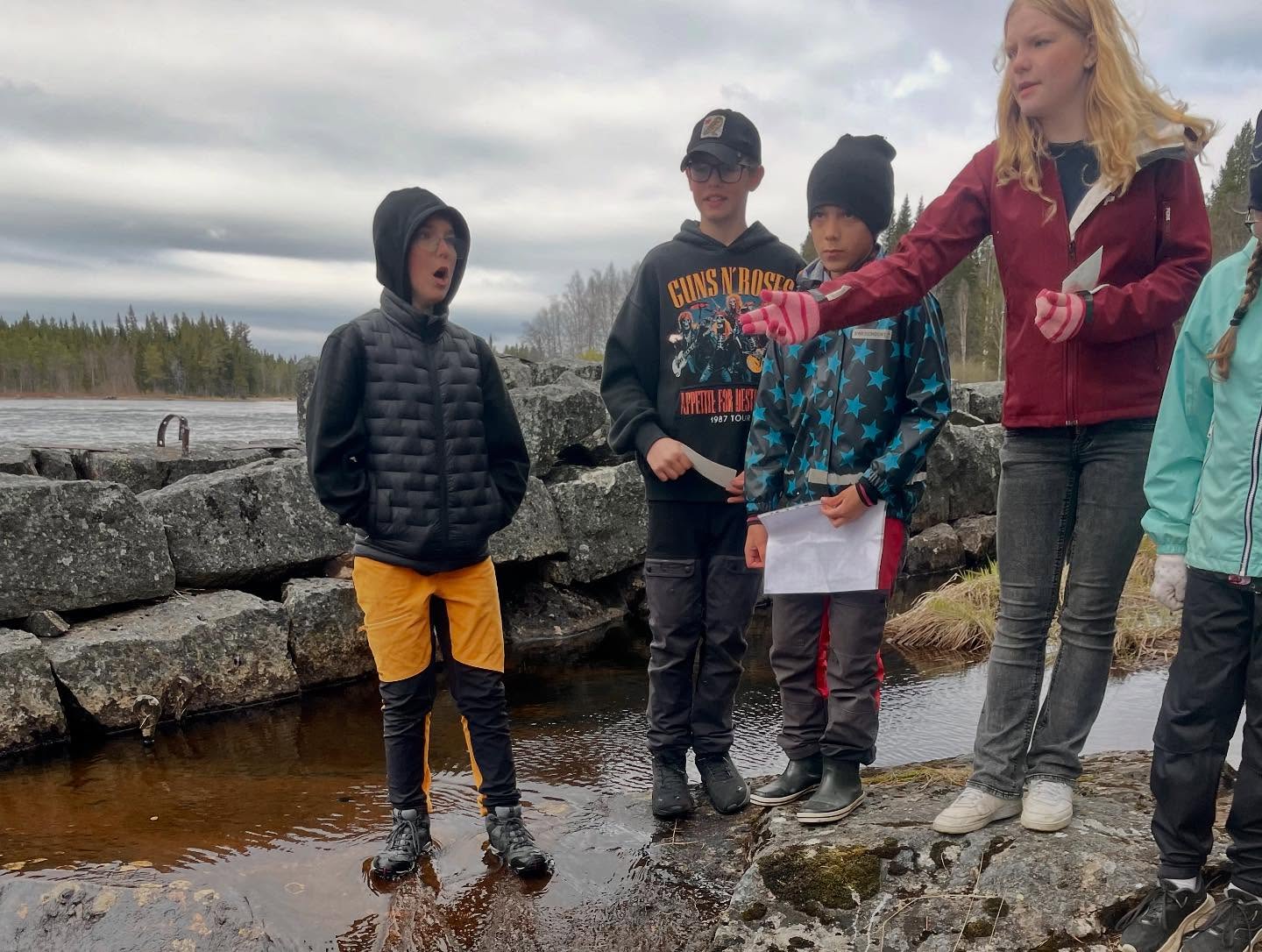
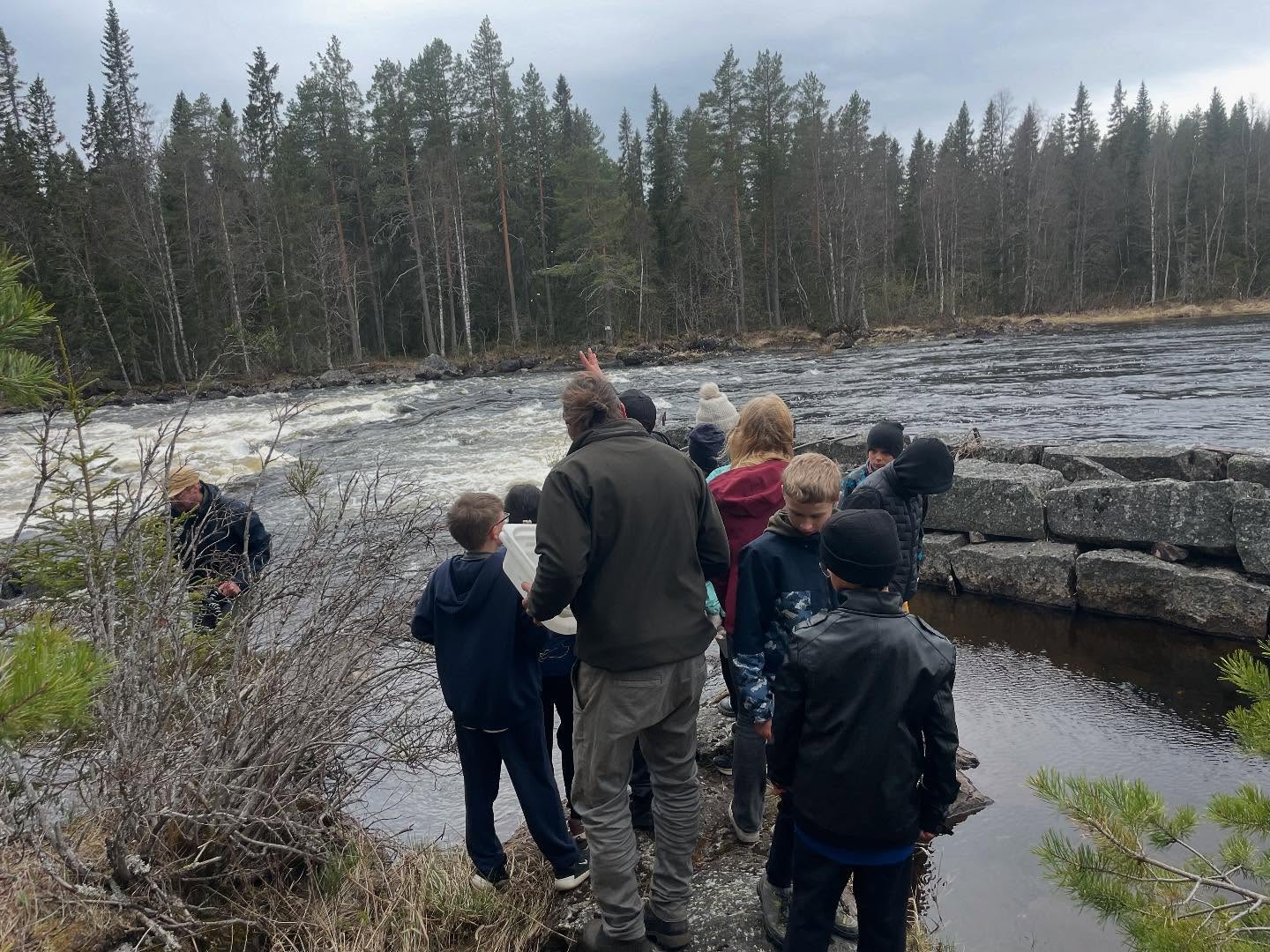
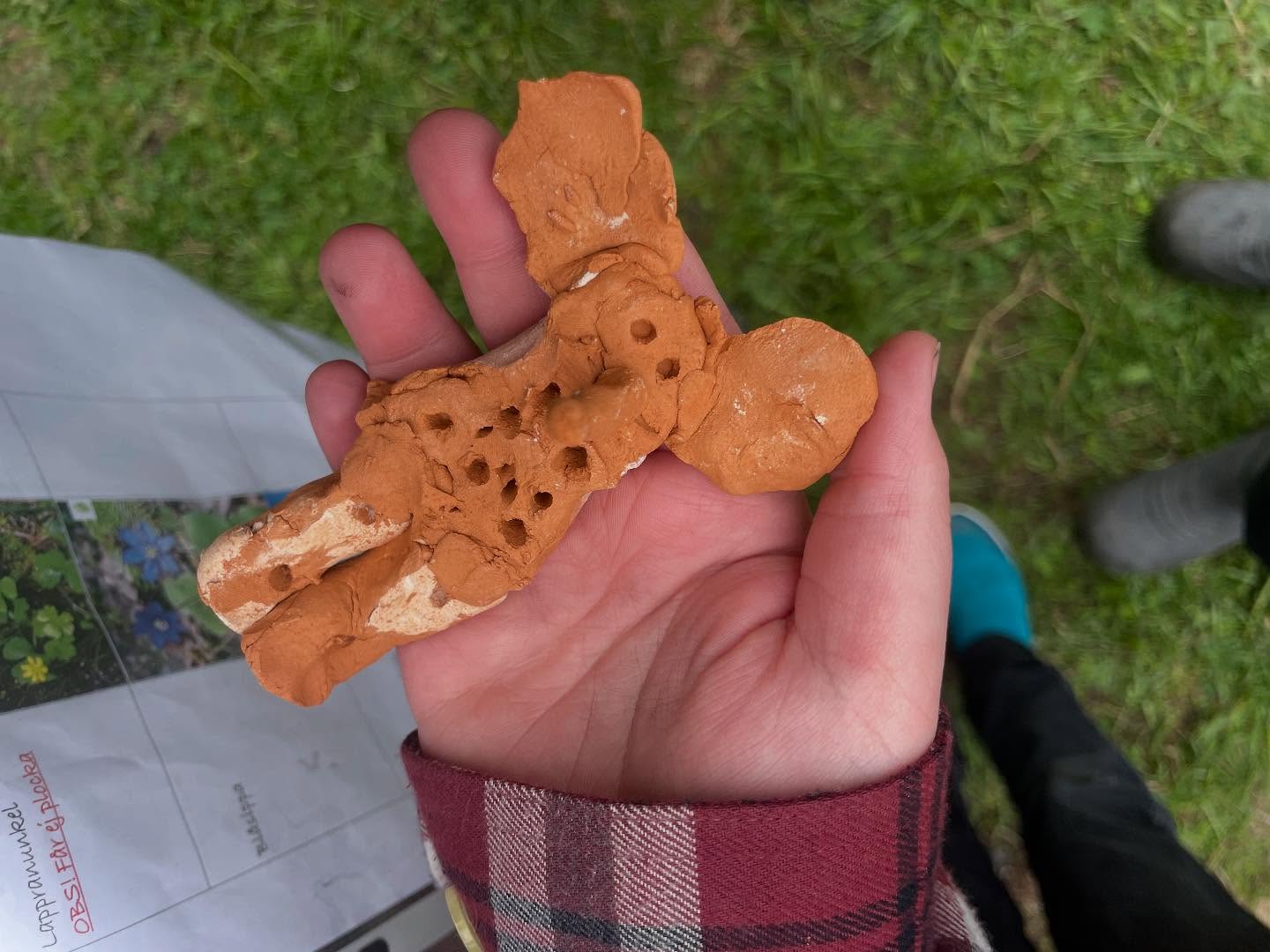
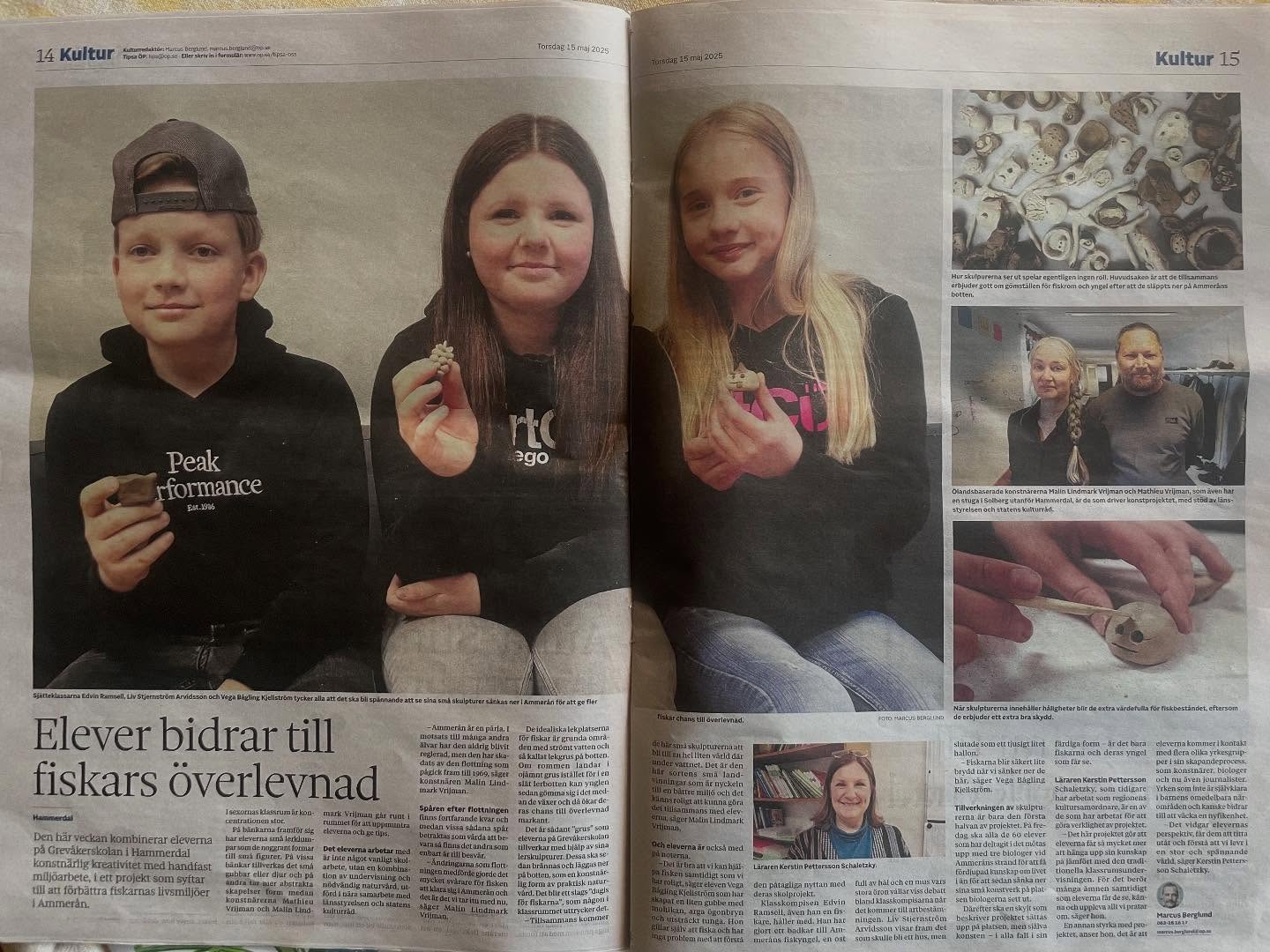
The school and teachers of 4 classes (60 kids) planned together with us and the biologists a week dedicated to the river in May 2025. In this week we held workshops making tiny sculptures of river clay for the spawning fish together, the children studied river eco systems, the history of rafting in the river, and the life and family making of the trout and other fish. On the last day we went out to Ammerån, and placed the Lekgrus in the river bed.  The biologists from eco streams for life showed us a suitable place, and presented their work with restauration of the river.  For every tiny sculpture that was lowered into the water, a greeting from the young artist to the young fish was written and drawn with watercolor. Many of them was wishing the young fish good luck, and many wished to catch and eat the fish once it was grown up. Which would be about the same time as the human kids would be young adults. Given, of course, that Ammerån still runs healthy and alive between Solbergsvattnet and Indalsälven then.f

Juice 9

Juice 9

Food systems: the design agenda
DOORS OF PERCEPTION 9 ON “JUICE”: FOOD, FUEL, DESIGN.
NEW DELHI, INDIA, 2, 3 MARCH 2007.
A unique gathering of global design experts meets in New Delhi, India, on 2, 3 March to consider solutions to the growing crisis concerning food and energy.

You have two cows

02/12 – 28/01 2018
Kalmar konstmuseum

We all know what a cow is.
She functions as a bridge.

There is a similarity between agricultural farms and museums. Both can at times create a feeling of insecurity for those who have not visited a similar place before. Why are the rooms so big? Why does the site feel so coded? What knowledge do I need to understand what I am about to see?

You have two cows traces and points to a number of strategies regarding the role of art in cultural production as it relates to the countryside. In You have two cows, the cow serves as a symbol of complete submission. The cow is both a fantasy and a part of you, as it becomes the food that you eat.

People eat meat and drink milk without ever having met a cow. We must all reconnect with our food production in the global challenges ahead.

When people from different cultures, religions, sexual preferences or whatever stand next to a group of cows their similarity of being a human next to this other animal, outweighs our differences and creates a common ground to walk on.

Would we be more receptive to the story of women’s rights in India as men, or the history of colonialism as white Europeans, when the common factor cattle is added?

So let’s take it from the beginning and build a corral, cover it with art and invite people in, to share a space with cows once more.

Joanna Sandell and Mathieu Vrijman

Curators

Participating artist
BUNTU FIHLA, EYAYU GENET, SUJATRO GHOSH, TEMPLE GRANDIN, ANNE HAMRIN SIMONSSON
 MY HELLSTEN, JANSEN, JANSEN, BACHRACH & LANDSHOFF (JJBL), MARLENE LINDMARK
 AHMED MATER, NICK MAY, NANDIPHA MNTAMBO, ESTHER POLAK, BREEZE YOKO


Unknown planet/Okänd planet

Commissioned by Eskilstuna municipality, coordinator Erik Roren.
In collaboration with Skjulstaskolans 4:th and 5:th grade.

Public assignment from municipality of Eskilstuna, as part of a programme to activate recreation area of Vilsta,
and to engage with children from nearby housing areas.

Kultivators idea for an artistic collaboration with children and that area, was to play a game, where they together with the children could explore new ways to look at and engage with the surrounding.

The game is to imagine that Vilsta is an unknown planet. “What if we were aliens that came to Vilsta. What would we see?  What would we think about it?”  And, of course, “What would our spaceship look like?”

Through the municipality contact was made with nearby school Skjulstaskolan, that opened up for a collaboration by adjusting their schedules, and giving important feedback into which age groups that would fit best to work with. The most important factor, though, was the great engagement and understanding from the teachers, both of the artistic idea, and the abilities of the children to work with it.

During the spring semester of 2017, Kultivator worked in close collaboration with the children around the story that an alien ship with extraterrestrials came to the Vilsta area. The children created clay models of spaceships, wrote stories and made drawings, that all contributed to the final design of the spaceship that was to be made for permanent installation in the area. The school also spend one whole day out in the area, where small groups of children imagined to be aliens, and made investigations of the new planet they had encountered. The investigations were collected by Kultivator, and processed to 6 different “information boards”, that were to be put inside the spaceship.

With inspiration from ancient times shipbuilding, and future´s need for renewable materials, Kultivator choose for oak as material for the spaceship. The area of Eskilstuna has many oak trees growing, and was historically exporting oak for shipbuilding industry. Oak being the most resilient wood that does not need coating or treatment to survive outdoors, was also an important reason to use it.

The blueprint for the spaceship was based on the drawings and models from the children, further developed by Kultivator, and finally made into technical drawings that could be used for constructing a safe, beautiful and durable building, lasting at least 15 years, with minimal maintenance.

Inside the building is a bench to sit on, and in the middle a piece of a tree trunk with a magnifying glass mounted in it, for having a closer look at found objects. In this room the game can be played again and again.. “we just landed, let´s see what we can find on this planet…” A “game recipe” is made, based on the assignment the children of Skjulstaskolan had when they were exploring the surrounding of the ship together with Kultivator. The recipe can be found on Eskilstuna municipality website, and is to be used by teachers, parents, or others who would like to play..

So the surrounding of Vilsta can become an unknown planet, to be discovered again and again. Both of those who grow up right now, the ones who has travelled here, and us that walked here for so long that we stopped seeing the miracles and mysteries right in front of us.


UPDATING