Monument of migration
Monument of migration


Konstnärs- och jordbrukskollektivet Kultivator bjuder in till en middag med kor. I tio år har Malin, Mathieu och Henric tillsammans med flera andra konstnärer och jordbrukare arbetat med konst för att skapa en bättre värld. Djurskötsel, konstmöten och undervisning bryts av med resor till storstäder. Genom konsten vill de visa att människan är en del av ett kretslopp. Deras konst är politisk och närmar sig aktivism, både inom och utanför konstvärlden.
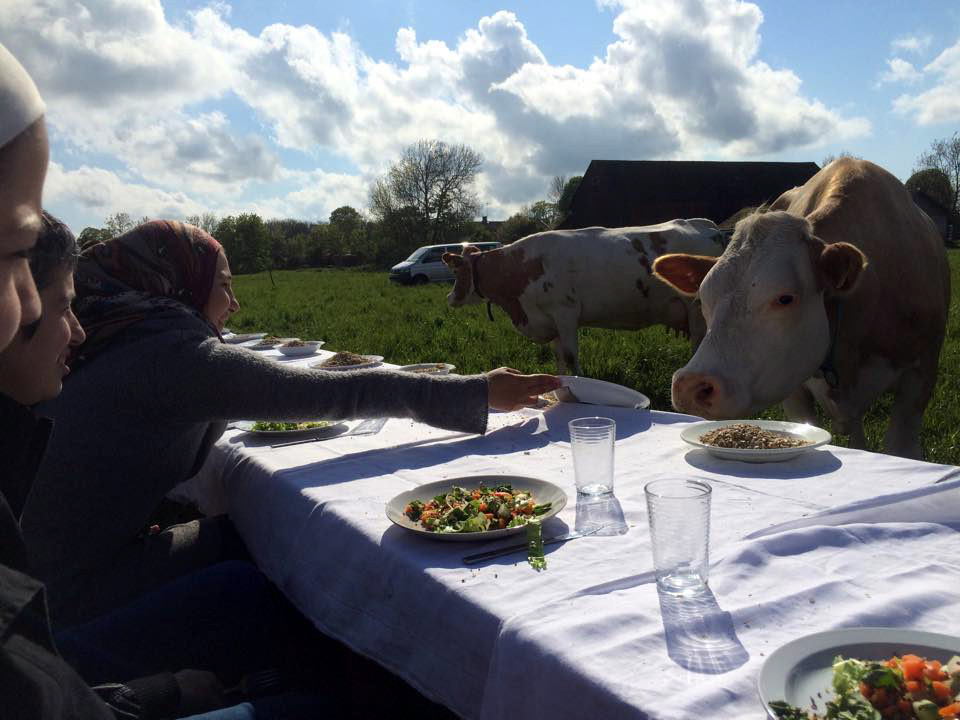


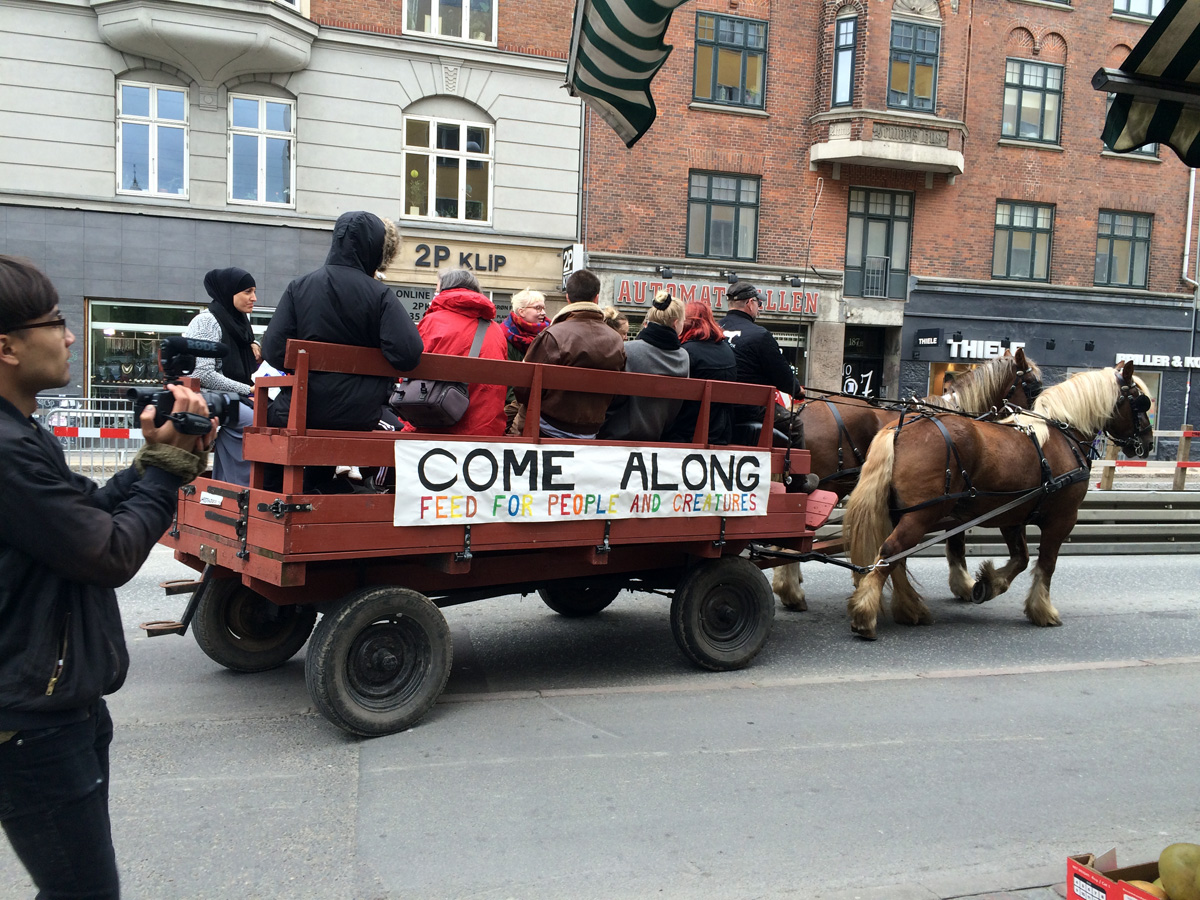


Feeding the backyard, people and creatures.Kultivator and students at ANA, May 2015Kultivator and a group of students from Ölands folkhögskola enter the atelier and backyard of Astrid Noack, Norrebro, Copenhagen. During one week, they activate the place with installations and reflections of the history, the present, and the possible future of the compound. All material used is edible, and found in the local supermarkets and markets in the neighbourhood. The work is presented for the public in the form of a dinner party in the backyard on Saturday the 16;th of May. The dinner guests are picked up from around the area with horse and carriage. The horses are also invited to join the meal, as guests of honor, with special sculptural dishes made for them.


One week workshop with art and filmstudents from Ölands Folkhögskola collaborating with the animals: Bea, Barney, Micko, Räkan, Cow crew, birds of the forest, Rabbit kids, Sheep crew and flies.
Assignment: Make a piece of work – in collaboration with an animal, – dedicated to an animal, – because of an animal, -in spite of an animal, -as an animal, or just spend time with an animal.
The students worked individually or in groups, and created the wolf playing “heroine” to the sheeps, exercises in riding, the ritual circle, nests, architecture for birds, Cow – horror movie, horse and dog ..music, drum-fire-glamrock performance, and forest spirit butterfly.


Residence at Castelvenere.
Organised by Strade di Vini, curated by Leandro Pisano.
We travelled by car from our rural home in Dyestad, Sweden crossing Europe to the rural place Castelvenere. For 5 days we worked here wih a group of teenagers where their own reflections and desires about the area guided the work.
Resulting in new designs for carnival masks under the title “Into the vineyard” and a series of photo manipulations changing the small town Caselvenere after desire.
For the Creative Time Summit we supplied some of the ingredients, like milk for cheese and kalvdans (dessert), beans, onion, pumpkin, hard bread and sea Buckthorn (berries), for the dinner at the the Moderna Museet, Stockholm
During the dinner we offered return tickets to use the compost toilet we temporarily installed to give the chance to return some of the energy given by our farm.
We brought the digested material back to our farm and will use it to grow corn and sunflowers in the next growing season.


For the New biennale of art and architecture, Botkyrka konsthal, Fittja, Swedish art and agriculture collective Kultivator together with Stuart Wright, South Africa and Adam Nyandikila Nkelanza, Tanzania, gave a Humus kitchen workshop.
A humus kitchen is a room to prepare the organic materials excreted by people after their digestive processes, using time, warmth and fine ingredients in a similar way as a kitchen of foods.
In the workshop we discuss and work around stories and attitudes connected to kitchens versus toilets, how they can connect and how we experience them. Can going to the toilet be as creative, sensual and important as carefully preparing food? What are the political, social and cultural conditions wherein our experiences around toilets are shaped?
The humus kitchen is one in a series of composting and exchange actions that Kultivator has made in collaboration with Botkyrka konsthall. Closed system compost toilet will be built in Kultivators future project Open Cargo, a long term work that builds a grassroots infrastructure of small independent but connected residencys in respective community, connecting Fittja, Red Hill South Africa, Mbeya in Tanzania and Dyestad, Öland, Sweden. The residencys will be formed by each community according to its needs and to its abilities, and just like the humus kitchen in Fittja explore the potentials of each place to create small-scale sustainable architecture.


Kultivator build a warm-compost adjacent to the art institution ANA in Nørrebro,
Copenhagen. The compost was designed as a possible meeting place for people living and working in the
backyard, but also to be a destination for school children from the area who can leave organic waste to it, and
study how a circuit works. Symbolically, the compost becomes an image of seemingly useless scrap from many
households together is broken down and converted into fine soil that gives rise to new life.
To introduce the compost and create awareness around it, Kultivator ran a campaign to collect the first green
waste for the compost with the help of a Police horse.
The origin of the idea came from the old-time collection of waste by horse and buggy, especially in Holland,
where the collector with his horse was a popular social institution wandering from door to door, collecting
potato peeling and other green waste, mainly for animal feed.
In a song by Dutch singer Jaap Put is described how the children rush to the door with a lump of sugar
on hand at the sound of the horse-hoofs clattering onto the street. Today the clatter of hoofs on streets,
especially in areas like Nørrebro, is more likely to mean that the police took their horses out. The associations
connected with the sound are quite different from the ones of the song. Last days abuse of police on horse on
demonstrations in Malmö brings the images close to us.
In the backyard where ANA is located, the remnants of the 1930 -ies horse stables still remain. The area has a
recent history of riots and unrest in the streets. Kultivator wished to introduce contemporary green recycling
by horse and cart on the street for a day, and reclaim the horse as a servant of the people rather than a tool of domination
In Rotundan in Kalmar, we can hear the sound of the walk of the horse in Nørrebro, and contemplate the role of the urban horse today, yesterday, and in the future.
The walk of the horse in the streets took place in April 2014


The Soil site plan for residencys in Fittja and Redhill is a sketch made by art and farming collective Kultivator, visualizing a future infrastructure of small independent but connected residencys situated in respective community. The residencys will be formed by each community according to its needs and to its abilities, and explore the potentials of small-scale, grass root exchange of ideas, culture and experiences. The bricks constituting the material of this sketch are pressed by hand of fine garden soil, being a sustainable drawing /model that is meant to dissolve into the garden, and add to the fertile layer of the place, just as the residencys will later in their places. In some of the bricks, the seeds for growing the ingredients of the two versions of Dolma from Open restaurant are put, and will eventually help dissolving the brick by breaking through it. Similar to the Fukoka idea of spreading seedballs to start growth, the soil site plan imagines a system for small units that fertilizes and gives new life to the places and communitys they are established in.


Kultivators un-plugged camp Retopia, and the presentation and reading of the author and midwife Ruth Ehrhardt, South Africa, from her book The little green statue.


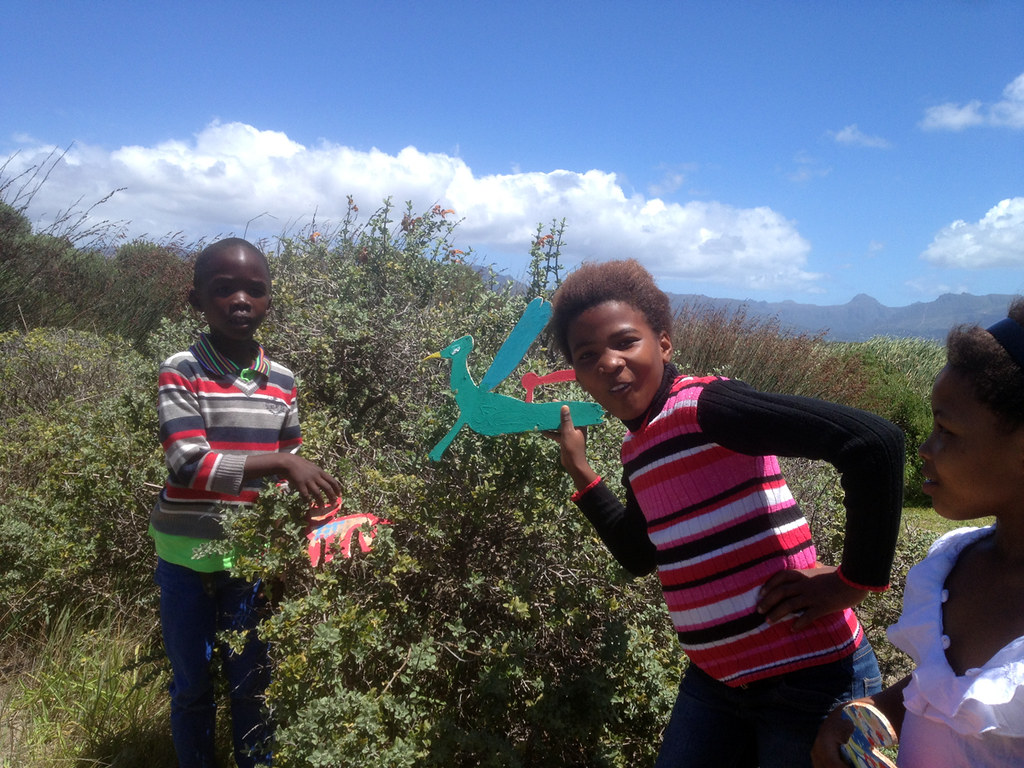


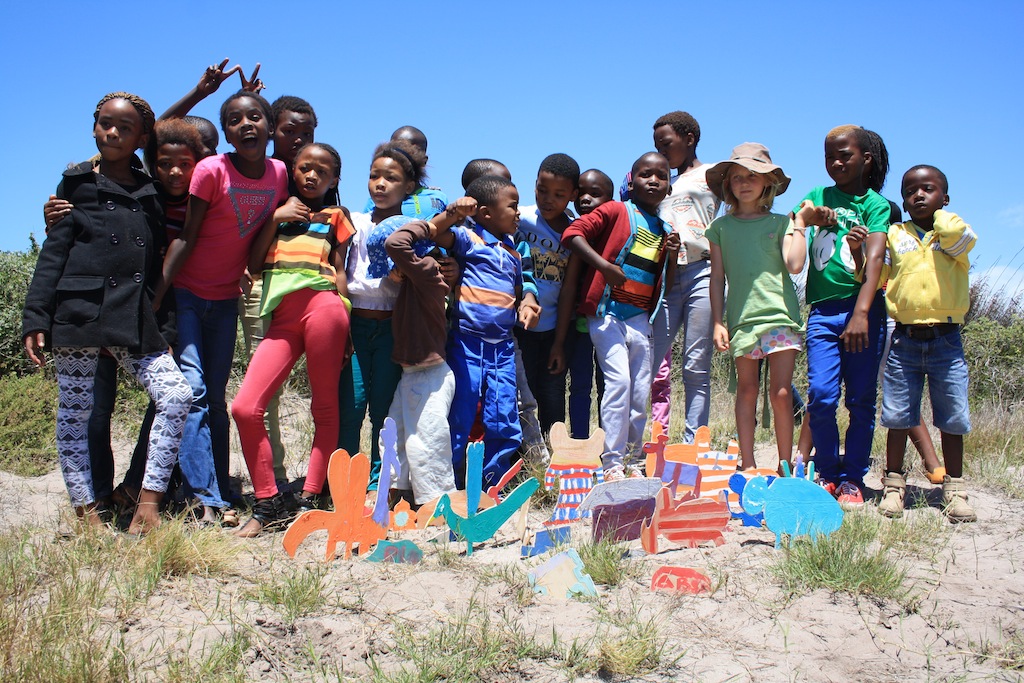


In the Informal settlement Red Hill, Cape Town.
We did a workshop with kids from the area, asking them to imagine and draw animals from their dreams.
Installation of the Dream animals at Zeekoevlei nature reserve, Cape town.
In cooperation with the NGO Red Hill literacy project and Zeekoevlei nature reserv and Botkyrka konsthall.

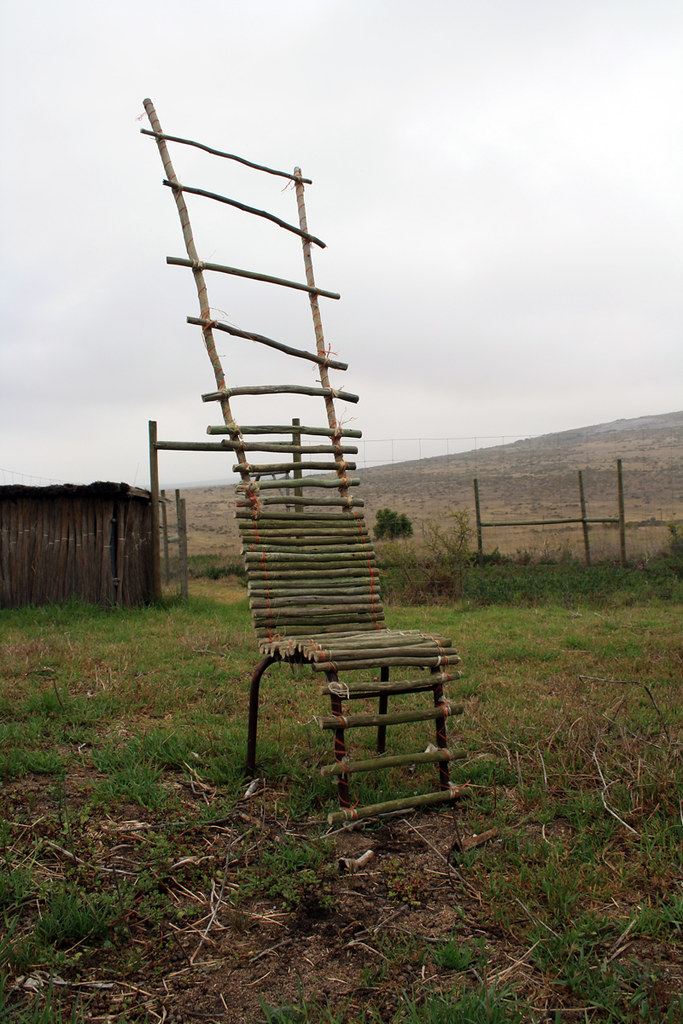


Kultivator works one day at
!Khwa ttu, the San Education and Culture Centre, 70 km north-west of Cape Town


Context in flux symposium 2 Visby
The Swedish Exhibition Agency, Baltic Art Center, Nida Art Colony and Art Lab Gnesta
collaborate to produce the second symposium for invited participants.
Galleri Syster, Kultivator, GKU, Livia Pancu.
The aim is to develop tools that can assist cultural institutions
who work in many and overlapping contexts.


Kultivator at a residence at
Astrid Noacks atelier:
http://astrid-noack.dk/english.
In April 2014, Kultivator wants to build a warm-compost adjacent to the ANA in Copenhagen. The compost will be designed as a possible meeting place for people in the immediate vicinity of the backyard, but also to be a destination for a class of school children from the area who want to leave some organic waste to it, and study how a circuit works.
Symbolically, the compost becomes an image of seemingly useless scrap from many households together is broken down and converted into fine soil that gives rise to new life. To introduce the compost and create awareness around it, Kultivator is planned a 1-2 day campaign that collects the first green waste for the compost with the help of a Police horse. The origin of the idea comes from the old-time collection of waste by horse and buggy, especially in Holland, where the collector with his horse was a popular social institution wandering from door to door, collecting potato peeling and other green waste, mainly for animal feed.
In a song by Dutch singer Jaap Put is described how the children rush to the door with a lump of sugar on hand at the sound of the horse-hoofs clattering onto the street. Today the clatter of hoofs on streets, especially in areas like Nørrebro, is more likely to mean that the police took their horses out. The associations connected with the sound are quite different from the ones of the song.


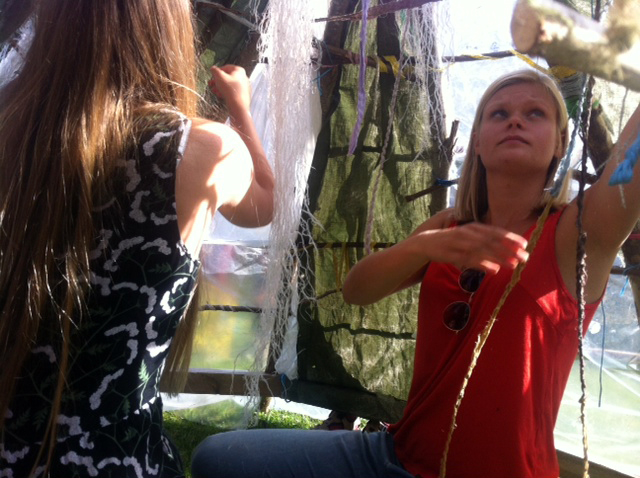


Yak Yak is a curatorial project that features newly commissioned and existing works by artists whose practices address rural contexts as particular sites for art making and cultural production. Artists and art/farming/architecture assemblages and collectives from four continents present works that engage with their own localities and with other localities, emphasizing the importance of trans-local dialogue around the future of rural places.
Yak Yak is conceived within the framework of ACRE (Australia’s Creative Rural Economy), a network and project based in the Victoria/NSW region. The ACRE Project generates art interventions and dialogues in rural situations, opening a space to think differently about what can happen on farms in the present and the future.
Yak Yak takes place in the Swan Hill Regional Art Gallery, Victoria. It is co-curated by Ian Tully and Fiona Woods, working closely with invited contributors.


Curated by Eva Bakkeslet
New Ork is an arena to get inspired by sustainability and green thinking and practice initiatiated by Osebakken Green Neighborhood in Porsgrunn in collaboration with Grenland Artgallery (Norway). The goal is to see how new knowledge and aesthetic experiences can inspire and create a foundation and understanding of sustainable ways to collaborate and develop urban areas. http://evasnews.blogspot.se/2013/09/ny-ork.html
GUERILLA COMPOSTING, FEED-BACK PORSGRUNN
On the stone planet Earth, a layer has been added since the beginning of life, 3.9 bil -lion years ago:
our between 5 and 20 cm thick layer of top-soil. In this thin layer, the major part of all biological activity
of Earth is going on. Through our various actions we are either nourishing or depleting this layer.
The interaction of microorganisms in the topsoil and life above means without exaggeration
everything for life’s further progression. The lack of organic matter brought back to the soil in modern large scale farming is rapidly
destroying invaluable top-soil worldwide, putting the whole foodproduction of the future at risk.
Recent years guerilla gardening is a fantastic movement, addressing many of the problems connected to industrial agriculture
and urban – rural disconnection.
For Porsgrunn, Kultivator will make an action of“guerilla composting”, that adds to this practice,
and encourages people to feed – back nutrition to the ground they live on.